

The agreement sets out a shared agenda for collaboration, research and youth participation in shaping Africa’s health systems.
NAIROBI, Kenya, October 27, 2026 – Nine partner universities of the Africa Health Collaborative (AHC), in partnership with the Mastercard Foundation, have endorsed the Nairobi Accord, committing to deepen collaboration, strengthen youth leadership and use evidence to inform health policy and solutions across Africa.
Endorsed at the close of the AHC’s 2026 Annual Convening in Nairobi, the Accord establishes four shared priorities:
- Pooling institutional strengths, networks and resources for greater impact;
- Creating meaningful opportunities for young people to influence decisions within the Collaborative;
- Generating evidence through action research to improve programs and identify solutions for scale;
- Sustaining stakeholder engagement to translate evidence into policy, advocacy, and action.
The agreement builds on institutional implementation by strengthening collective action. Central to this vision is a shared ambition to transform Africa’s health systems through workforce development, entrepreneurship and system strengthening, while empowering young people—especially young women—to access dignified and fulfilling work aligned with the Mastercard Foundation’s Young Africa Works strategy.
As of July 2026, AHC partners have collectively supported over 15,000 health venture founders to create 4,844 jobs and enabled over 21,000 young people to secure meaningful employment.
Prof. Joachim Osur, Vice Chancellor of Amref International University and outgoing 2026 Chair of the AHC Executive Steering Committee, emphasized this combined health and employment ambition.
We came together because we want to improve health in Africa, especially primary health care, and as we do that, we want to contribute towards the Mastercard Foundation’s goal of creating 30 million jobs for young people-meaningful, fulfilling jobs.

Putting Young People at the Centre of Health System Transformation
The Accord emphasizes moving young people from passive beneficiaries to active co-creators.
Throughout the year, young people have taken on leadership roles within the Collaborative. Notably, the AHC Young Leaders Committee is represented through a designated member on the Executive Steering Committee, allowing young voices to actively shape strategy.
Initiatives like the AHC’s Health Innovation Festival brought together 37 health ventures and ideas from nine partner institutions to refine their ideas, build partnerships and pitch solutions, with selected teams sharing US$13,000 in prizes. Meanwhile, the Ubuntu Rising working event brought together over 80 young people from across Africa who made nine concrete recommendations for improving youth leadership, employment, and innovation in health.
This momentum was reflected during the 2026 Annual Convening hosted by Amref International University and Amref Health Africa under the theme, “Africa Unlocked: Co-creating Impactful and Sustainable Youth-led Health Innovations.”
The program began with Emerging Leaders Day, a leadership and research workshop for early career researchers, followed by a Venture Showcase for young founders, and dedicated youth forums where participants debated and exchanged strategies for strengthening Africa’s health workforce.
“Young people are not simply the beneficiaries of our work. They are co-creators, co-builders, and leaders of Africa’s future,” said Prof. Dancan Irungu, Event Organizing Committee Chair and Principal, Institute of Sustainability and Innovations (ISI) at Amref International University.
Looking ahead to 2027, Prof. Angela Owusu-Ansah, Provost of Ashesi University and incoming Chair of the Executive Steering Committee, called on students and early-career colleagues to identify, verify and document African health “pockets of excellence.” The proposed work would contribute to an African Health Capability Atlas and the first State of African Health Capability Report, while creating opportunities for young people to generate evidence and challenge deficit-based narratives about African health systems.
With Ashesi University set to host the 2027 Annual Convening in Ghana, the immediate task for all nine partner institutions is to turn the Nairobi Accord into sustained, measurable action. That will require partners to work collectively, give young people meaningful and clearly defined roles in shaping programs, and use evidence to identify, strengthen and, where appropriate, expand effective approaches across Africa’s health systems.
– END –
More News & Events
Skip scroller content
Prof. Angela Owusu-Ansah’s Call to Uncover Africa’s Health Successes and Contributions
Delivered by Prof. Angela Owusu-Ansah, Provost of Ashesi University, this closing address at the 2026 Africa Health Collaborative Annual Convening outlines her key priorities for 2027 in her new role as Chair of the Executive Steering Committee.

Meet the Speakers Scheduled for the 2026 AHC Annual Convening
Meet the distinguished speakers of the 2026 Africa Health Collaborative Annual Convening as they share insights on health workforce development, leadership, innovation and partnerships shaping the future of health systems across Africa and empowering the next generation of health leaders.

Beyond the Agenda: Bringing Mental Health and Well-being into the 2026 AHC Annual Convening
At the 2026 Africa Health Collaborative Annual Convening, mental health and well-being move beyond discussion into practice. Through quiet spaces, art therapy, movement, and youth-led innovation, AHC is creating a convening experience that supports meaningful participation, connection, leadership, and lasting impact.
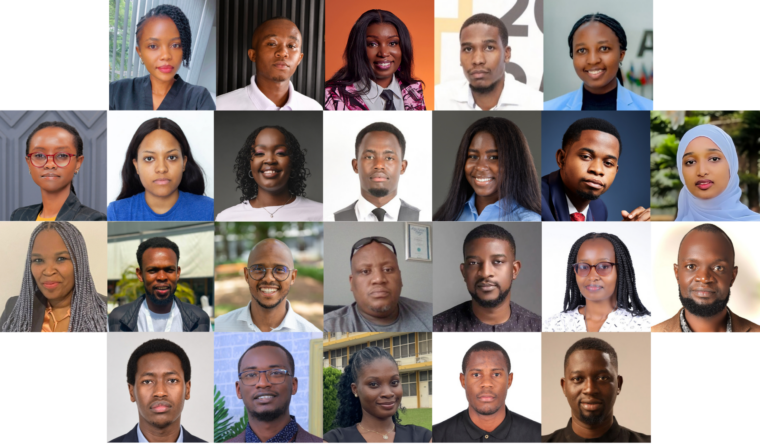
Meet the Ventures Showcasing at the 2026 Africa Health Collaborative Annual Convening
These ventures advancing primary healthcare, entrepreneurship and health systems strengthening across Africa will showcase their innovations at the 2026 Annual AHC Convening.

From Clinic to Country: Building Ethiopia’s First Integrated Model for Older Adult Health
What began with one doctor questioning fragmented care for older adults has grown into a pioneering model for Ethiopia. With leadership skills strengthened through the IMIx Certificate, Dr. Asrat built an integrated clinic now informing the country’s healthy aging efforts.

Apply for the Fully-Funded Healthy Futures South Africa (HFSA) PhD Fellowship Programme
This four-year programme supports emerging African health researchers and leaders to conduct community-focused research, strengthen health systems, and translate evidence into meaningful policy impact.

Ubuntu Rising Centres Youth Leadership, Innovation and Employment in Africa’s Health Future
More than 80 young health professionals, innovators and leaders gathered at Ubuntu Rising to advance youth leadership, innovation and employment. Their nine recommendations will inform the Africa Health Collaborative’s Youth Agenda and strengthen pathways for young people across Africa’s health ecosystem.
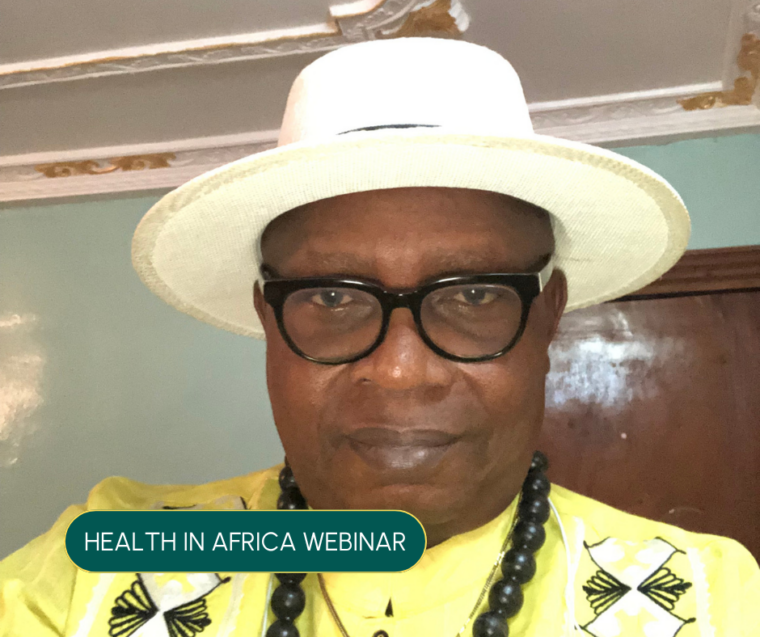
Advancing Health Equity in Africa: How Universities, Civil Society, and Communities Can Strengthen Primary Health Care
In the next HiAS, we explore how governments, universities, civil society and communities can work together to strengthen PHC and advance UHC in Africa, drawing on practical experiences, community engagement and lessons for building more equitable, resilient and people-centred health systems.

Emerging Leaders’ Day: From Youth Participation to Youth Influence
Emerging Leaders’ Day will bring together young health leaders from across Africa to build leadership skills, strengthen networks, and influence conversations shaping the future of health systems.
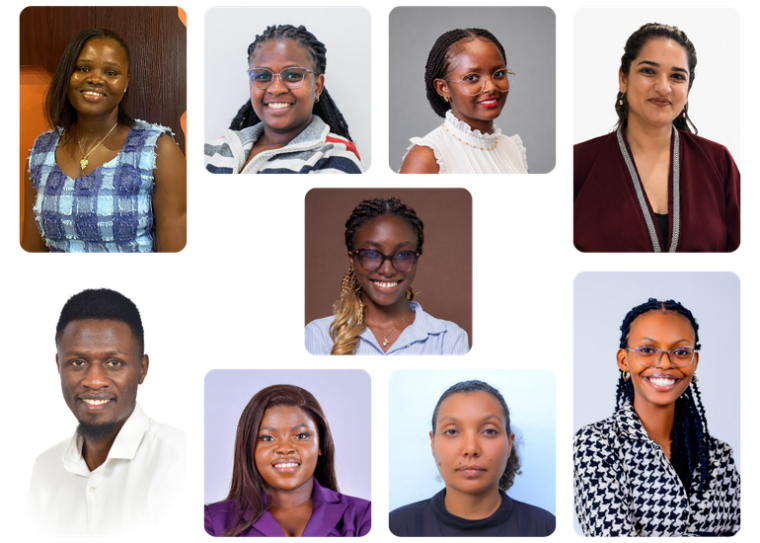
Leading Change Through Lived Experience
Across Africa, an emerging generation of health leaders is transforming personal challenges into powerful innovations. Through the AHC’s Young Leaders Committee, young researchers, entrepreneurs, technologists, and advocates are drawing on lived experiences with illness, caregiving, mental health, and healthcare inequities to design solutions that strengthen health systems and expand access to care.