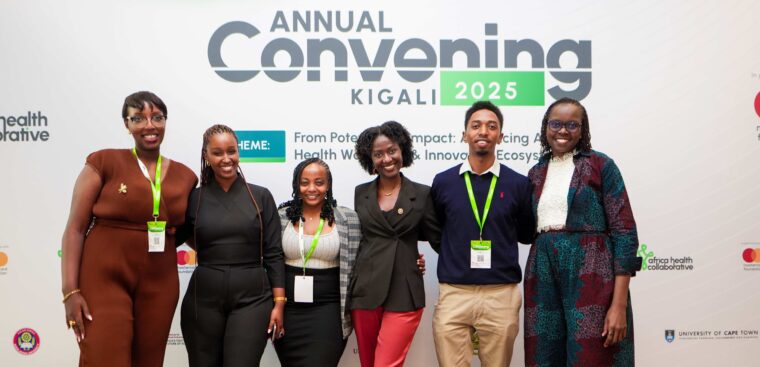
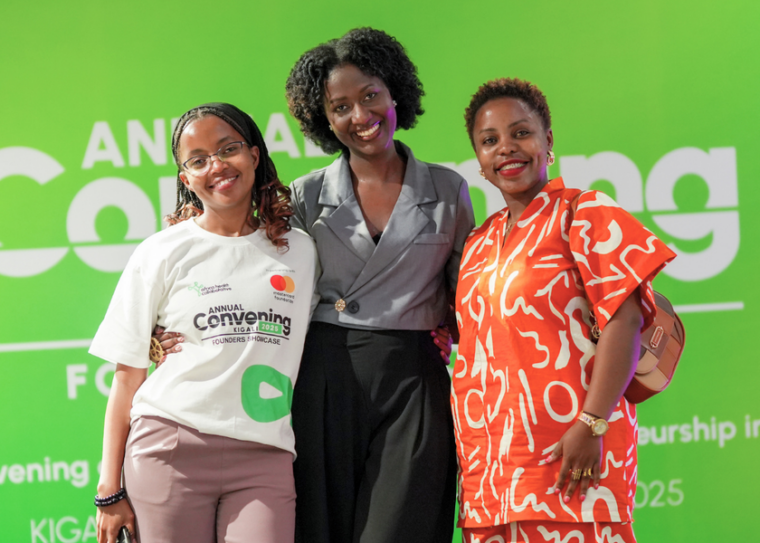
Last October, over 170 policymakers, health experts, academics, and youth innovators from 14 countries came together for the Africa Health Collaborative’s (AHC) 2025 Annual Convening, hosted by the African Leadership University (ALU) in Kigali, Rwanda.
From Clinic to Country: Building Ethiopia’s First Integrated Model for Older Adult Health
Country
Canada
Ethiopia
Pillar
Health Ecosystems
Tag
IMIx
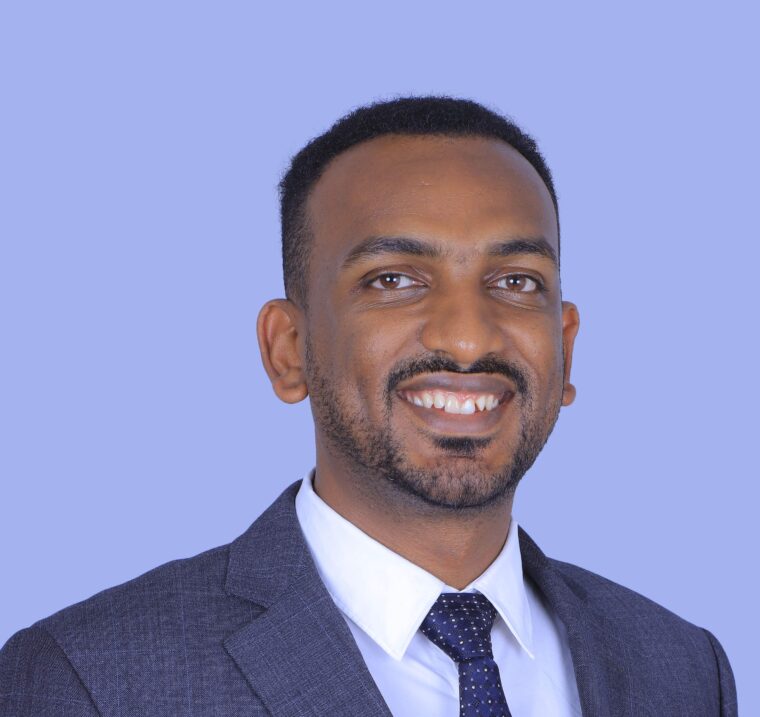
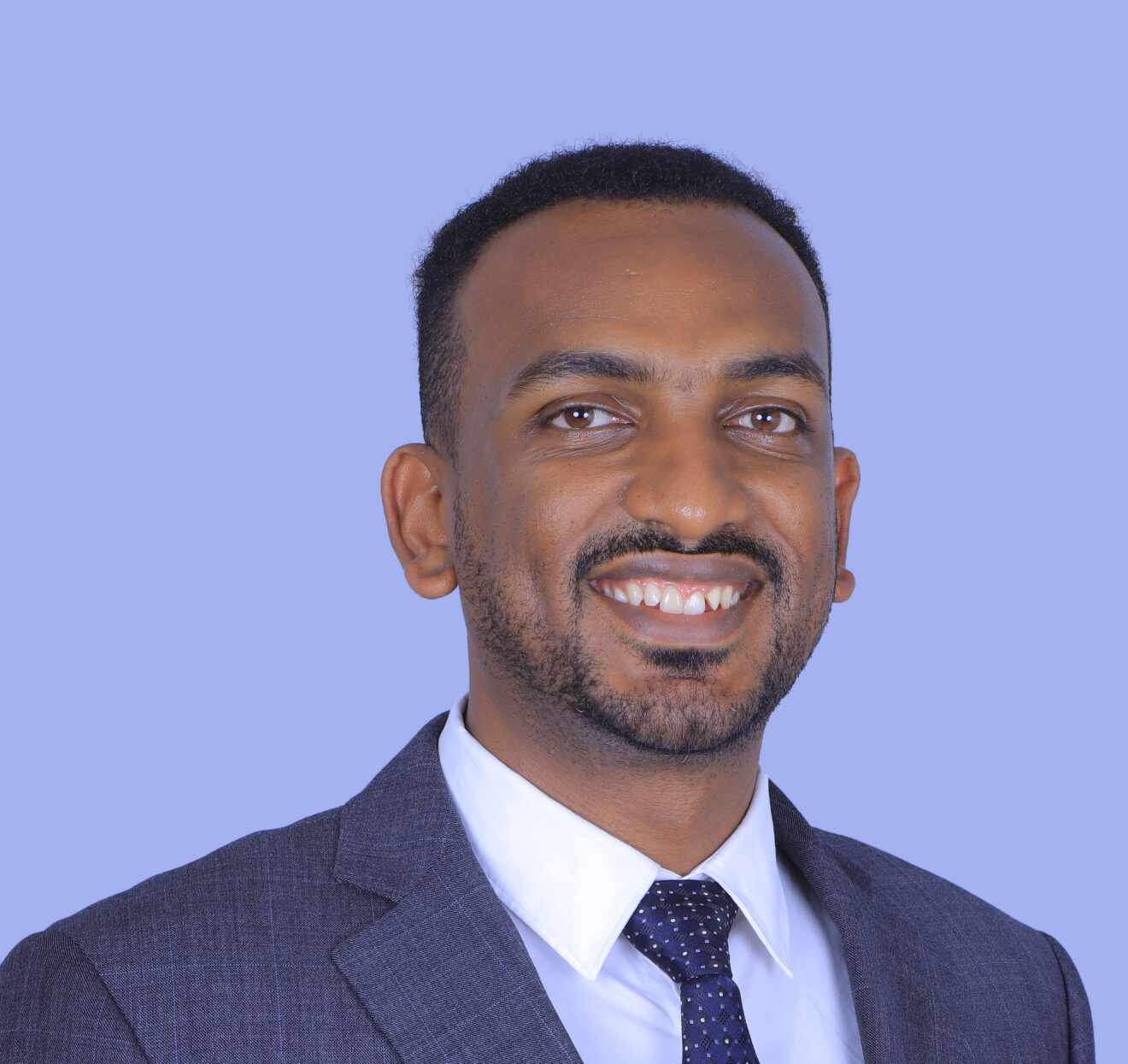
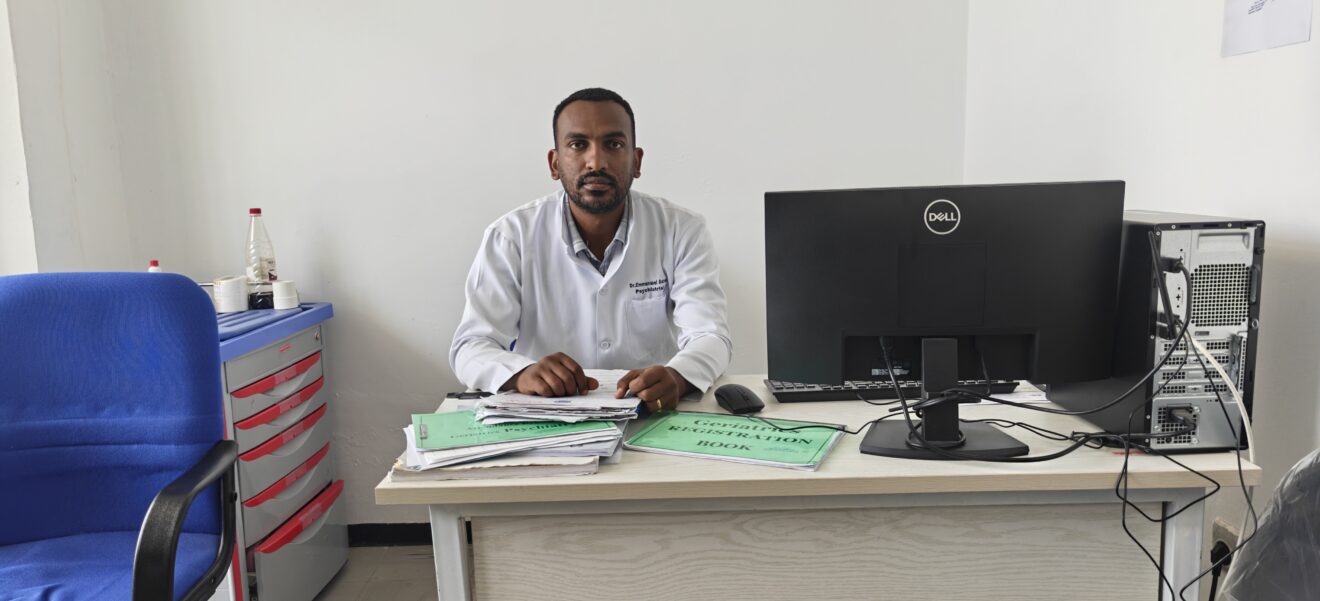
After completing the IMIx Certificate of Effective Healthcare Management through the Africa Health Collaborative, Dr. Emmanuael Asrat Mekuria transformed years of clinical insight and advocacy into Ethiopia’s first integrated mental healthcare model for older adults, a model now selected for a national pilot.
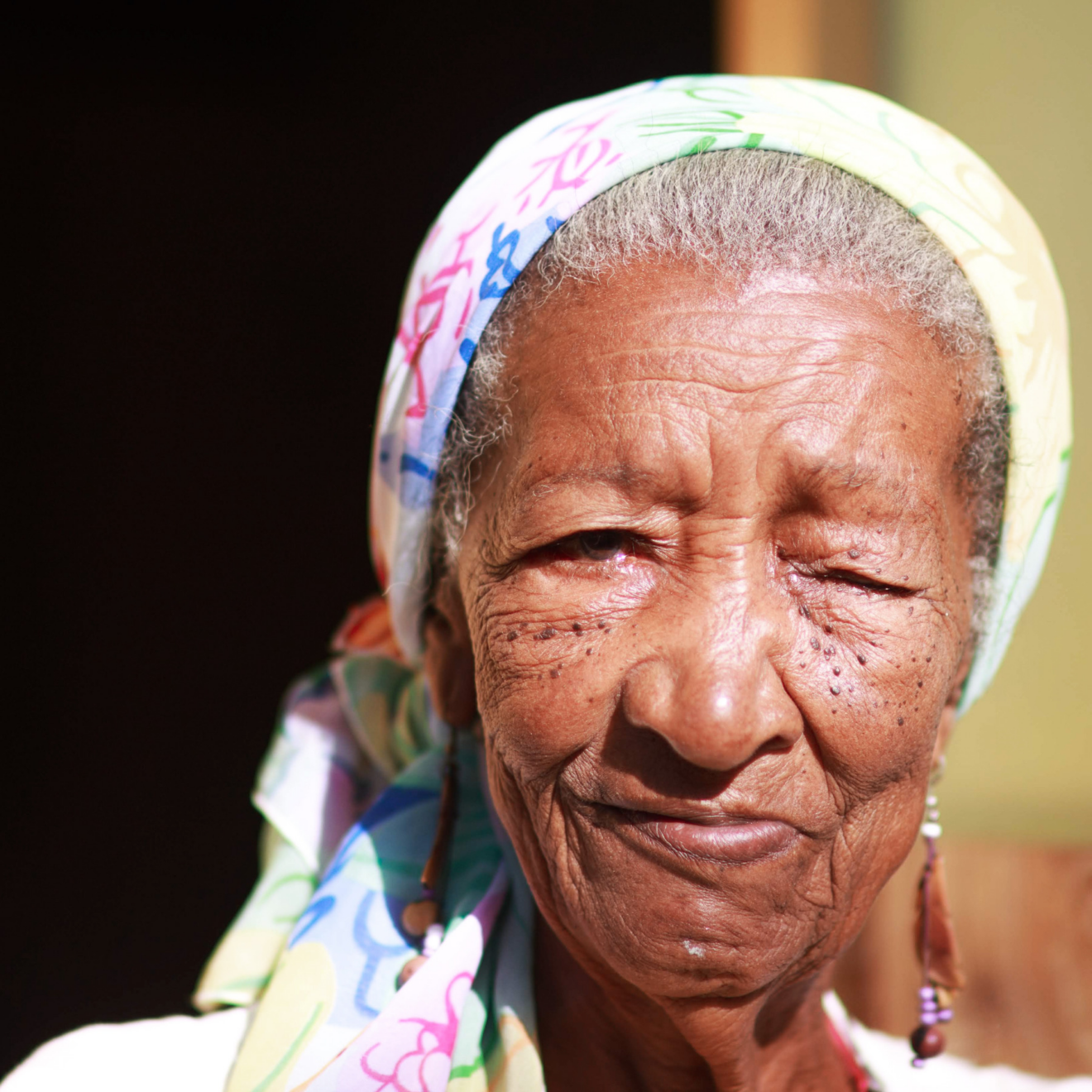
Like many African countries and communities, Ethiopia’s older adults are the anchors of their families and communities. As more people live longer, healthier lives, keeping these matriarchs and patriarchs mentally and physically well is one of the most important goals of a strong health system.
But until recently, older adults navigating mental health challenges like dementia or depression in Ethiopia had to queue in multiple departments—shuffled between physical and psychiatric clinics with no one connecting the dots.
Dr. Emmanuael Asrat Mekuria, an Ethiopian psychiatrist and alumnus of the IMIx Certificate of Effective Healthcare Management, delivered through the Africa Health Collaborative, chose to redesign the system in response to the unmet needs of older patients.
Ethiopia’s older adults often access care through general outpatient departments, emergency rooms, internal medicine clinics, or psychiatry services, but these services are not always designed around the complex needs of aging. – Dr Asrat
Recognizing the Intersections of Care
Through his studies and professional experience, Dr. Asrat recognized a critical gap in the care for older adults living with both psychiatric and physical health conditions. He saw high numbers of older patients with dementia, depression, or cognitive decline who also had to visit other facilities and join long queues to treat other physical health conditions. Families were often unprepared to provide support, leaving the patients to navigate multiple clinics at distant locations for different health needs. This fragmented system made care burdensome and inefficient.
credit: Image by Mehmet Turgut Kirkgoz
credits: Image by Diego Cervo
Recognizing the significant burden of older adults and the lack of dedicated services, he advocated within his institution for a separate geriatric psychiatry outpatient service with its own staffing. These early efforts would later evolve into Ethiopia’s first geriatric psychiatry outpatient department (OPD).
The Need for Management Skills
Clinicians who work directly with patients often understand the real problems in a health system more deeply than anyone, but when they’re placed in leadership positions, they don’t always have the skills and tools to fix them. I had very limited preparation in management — how to manage teams, lead change, handle conflict, and think strategically. I wanted to prepare myself for the kind of role where I could actually move the system.
To address this skills gap, Dr. Asrat enrolled in the IMIx Certificate of Effective Healthcare Management program delivered by the University of Toronto through the Africa Health Collaborative in partnership with the Mastercard Foundation. Around the same time — in September and October 2024 — he was appointed Director of Mental Health Services at Eka Kotebe General Hospital, Addis Ababa. Medical training, he explains, had made him a good doctor but not a leader. With his new position, the IMIx program became even more essential for advancing his vision for older adult care.
The leadership and workplace psychology sessions helped Dr. Asrat manage interpersonal conflict and team challenges. Ethics and risk management reinforced the importance of leading with integrity in a low-resource environment. Practical tools such as stakeholder mapping and change management allowed him to move from concept to implementation.
“The training helped me identify risks, clarify the model, and communicate better,” he says.
That year, Dr. Asrat participated in a national healthy aging meeting organized by Ethiopia’s Ministry of Health. The discussions helped spark a broader initiative to integrate medical and psychiatric care for older adults, a vision he would later help implement at Eka Kotebe General Hospital.
Building a Foundation for Integrated Care
Through Addis Ababa University’s partnership with the University of Toronto, he was also able to connect with faculty and geriatric psychiatry professionals, whose guidance helped shape the model he had envisioned.
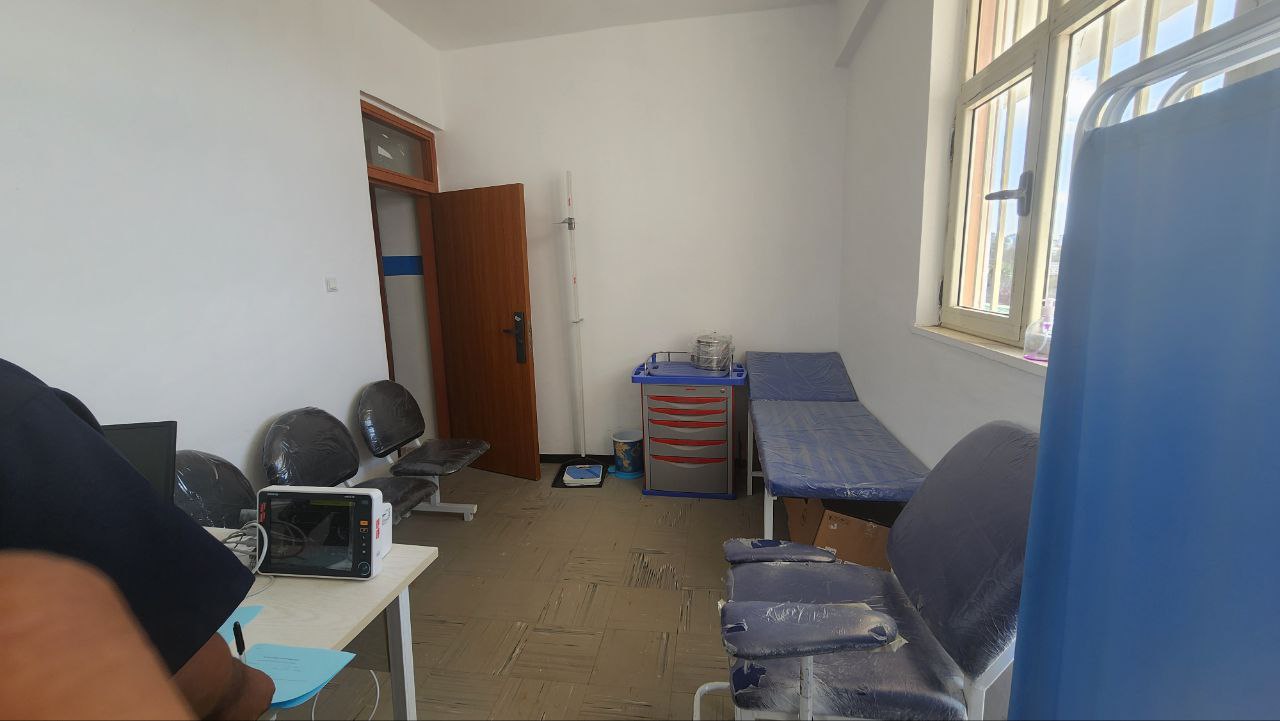
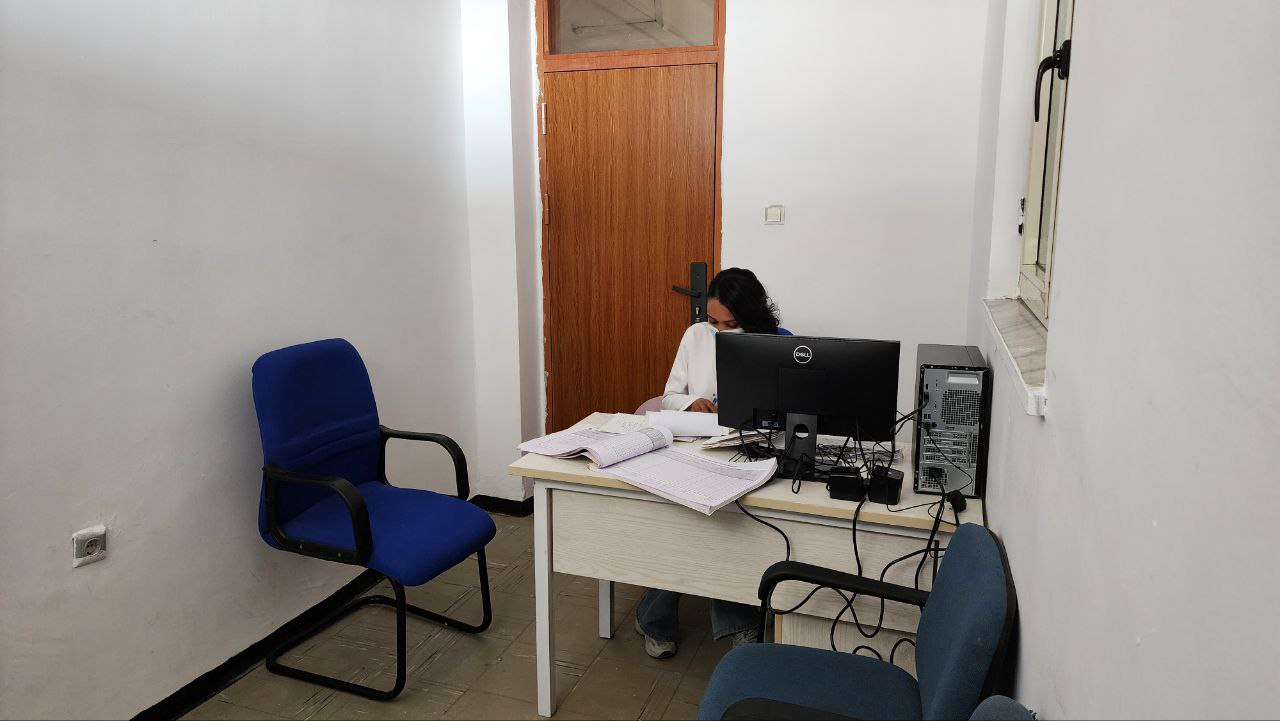
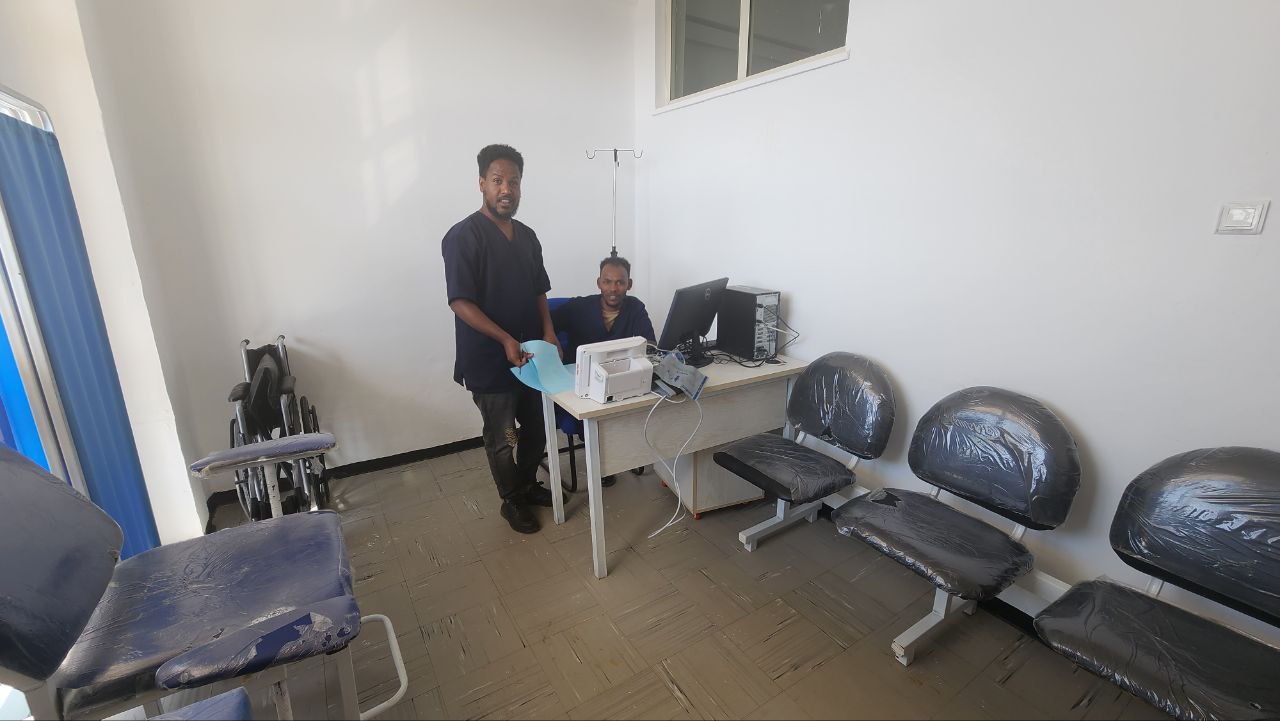
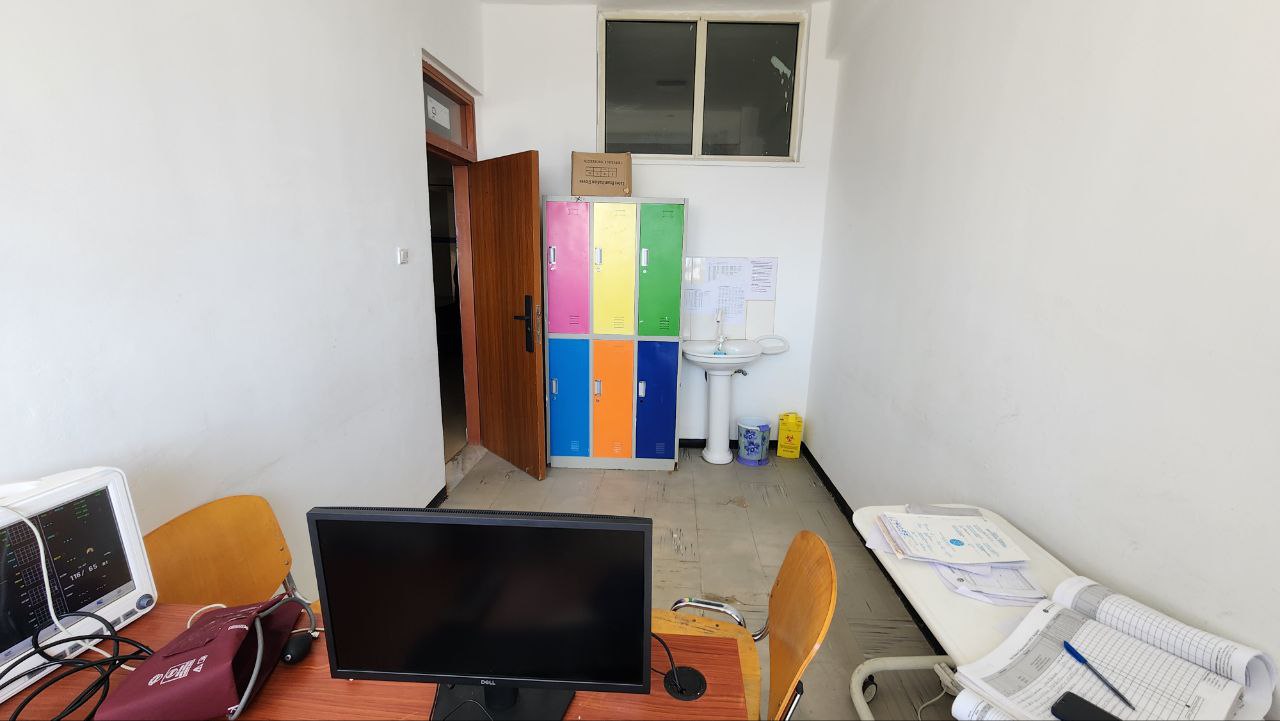
In January 2026, Dr. Asrat opened Ethiopia’s first geriatric (branch of medicine dealing with older adults) one-stop integrated clinic. The clinic was designed around a simple idea: treat the whole person, not just the presenting symptoms. This meant a single visit now might involve screening for depression, cognitive decline, medication interactions, malnutrition, falls risk, and caregiver stress — alongside whatever had prompted the appointment in the first place, as well as other diagnostics and investigation services.
The early responses were remarkable. Patients were traveling from far outside the city. Some, impressed by the cognitive screening questions, went home and tried them on their spouses. Families who had spent years managing a parent’s decline in isolation were, sometimes for the first time, told what was happening.
As of September 2026, more than 763 older adults had received care through the Eka Kotebe geriatric one-stop integrated clinic, highlighting both the demand for and potential of integrated healthcare for older adults.
One case captures the complexity the clinic was built to handle. A woman was brought in by one son for memory loss and functional decline. A second son arrived the following week, convinced his brother had arranged the hospitalization to manipulate a family inheritance. What looked, on the surface, like a clinical case was also a family rupture with potential legal dimensions.
Dr. Asrat’s team listened to both brothers. They repeated the cognitive testing in the family’s presence. They shared the brain imaging and carefully explained that a medical diagnosis was not a legal verdict — any question of the mother’s legal capacity would follow its own separate process. By the end of the consultation, the family’s anger had softened. The brothers left understanding that what they were dealing with was not a conspiracy. It was a disease.
Older adult mental health is rarely only a medical issue. It often intersects with family conflict, legal concerns, caregiver burden, and stigma. When the health system provides careful assessment and explanation, it can reduce conflict and help families come together.
Scaling the Model
Dr. Asrat designed the model for the clinic, thinking about continuity and sustainability. It could not depend on scarce subspecialists. It could not require expensive new infrastructure. It had to be something a general health worker, with proper training, could deliver.
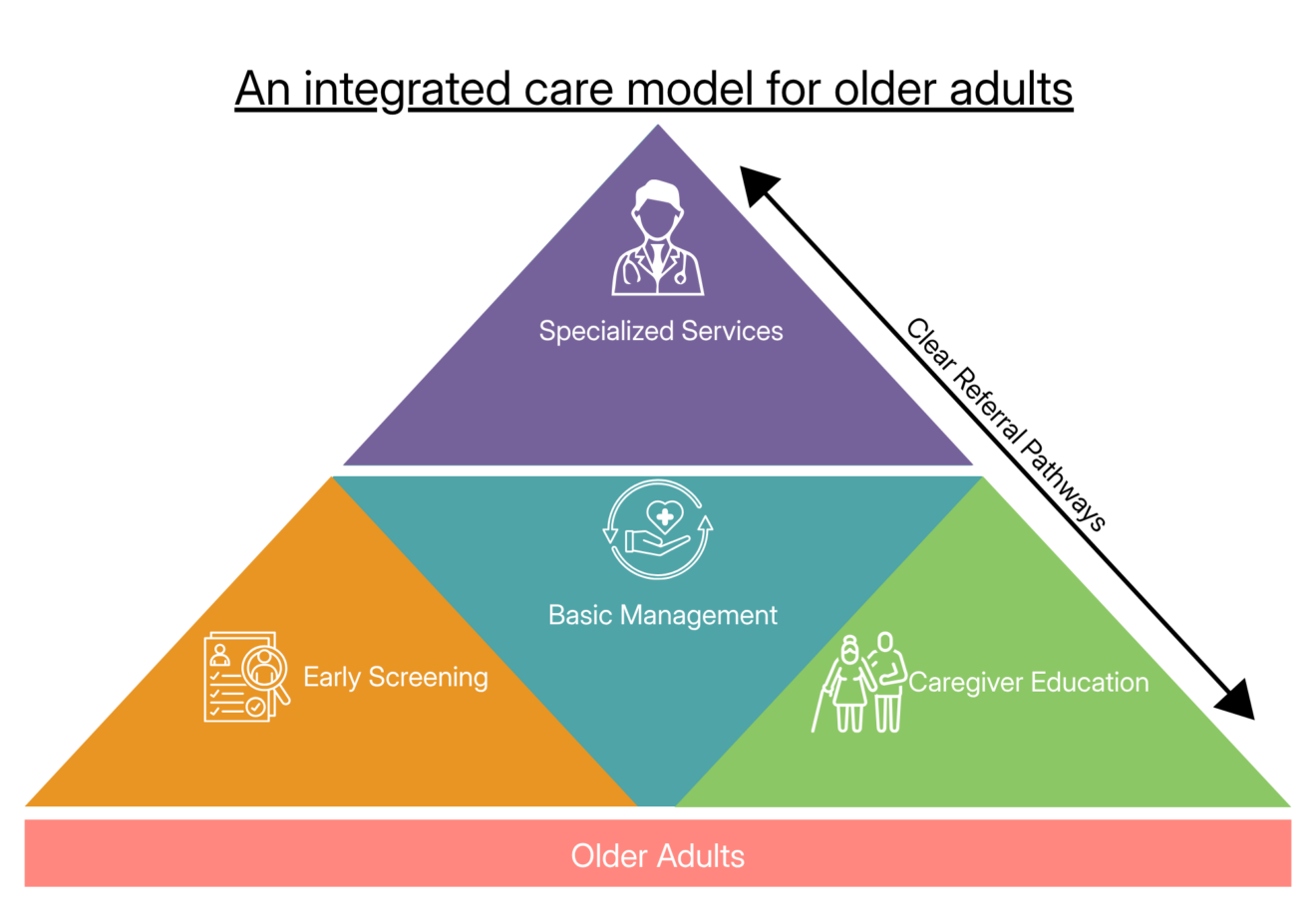
He conceived it as a pyramid. Specialized services sit at the narrow top — important but limited in reach. The broad base is where most older adults can be met: early screening, basic management, caregiver education, and clear referral pathways when something more complex is needed.
An illustration for the integrated care model for older adults
As plans for this integrated model advanced, the World Health Organization proposed expanding the effort from one pilot site to three, creating opportunities to learn from different implementation settings. Building on existing technical guidance from University of Toronto collaborators, together with material support from HelpAge International and administrative support from Eka Kotebe General Hospital and the Ministry of Health, the model was launched. Eka Kotebe was the first pilot site to begin service delivery.
The initiative also supported the provision of medical equipment, alignment with global healthy aging frameworks, and training for more than 100 health professionals.
To sustain the expansion, Dr. Asrat believes the model should be embedded into routine care rather than remaining as a special project.
“If it is embedded into routine outpatient and primary care services, it can become sustainable and reach more older adults without requiring a completely new or expensive system,” he said.
Leadership: Turning a Good Idea into a System
What Dr. Asrat ultimately built was more than a clinic. He helped create a geriatric integrated model that could be sustained and replicated across Ethiopia.
Subsequently, he has been invited to join the National Technical Working Group on Healthy Aging, where he is now contributing to shaping policy and securing international support for integrated elder care.
The challenge was never simply to provide specialist care. In a country where specialists are few, any solution dependent on a handful of experts would always remain limited. The real question was how to design a system that could be adopted, replicated, and sustained across different levels of care.
That required a different kind of leadership.
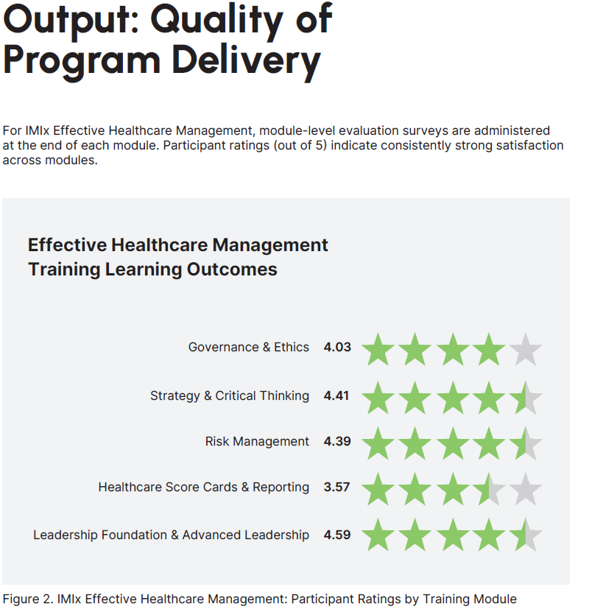
The IMIx Certificate of Effective Healthcare Management is designed to help health professionals, like Dr. Asrat, move beyond solving individual clinical problems to leading system-wide change. It prepares health leaders to think strategically, build coalitions, manage risk, navigate governance challenges, and turn promising ideas into services that can be sustained at scale. These are the competencies participants consistently identify as the program’s greatest strengths, with leadership, strategic thinking, governance, and risk management receiving strong ratings across course evaluations.
His experience illustrates what that looks like in practice. The program helped him strengthen the leadership, change management, and stakeholder engagement skills that supported the evolution of a geriatric psychiatry service into an integrated model of care for older adults, now being piloted nationally.
It changed not only how he led teams, but how he approached change itself—building consensus, anticipating challenges, and embedding innovation into the health system rather than around it.
“I began to understand that to really change something, you have to think beyond the clinic,” he explains. “You have to think about who owns the problem with you, who might resist, what could go wrong, and how you build something that lasts after you.”
That thinking is already shaping Ethiopia’s approach to healthy aging. What began as one clinician questioning why older adults had to navigate fragmented services has become a model demonstrating that lasting health system change begins when clinical insight is matched with leadership capability.
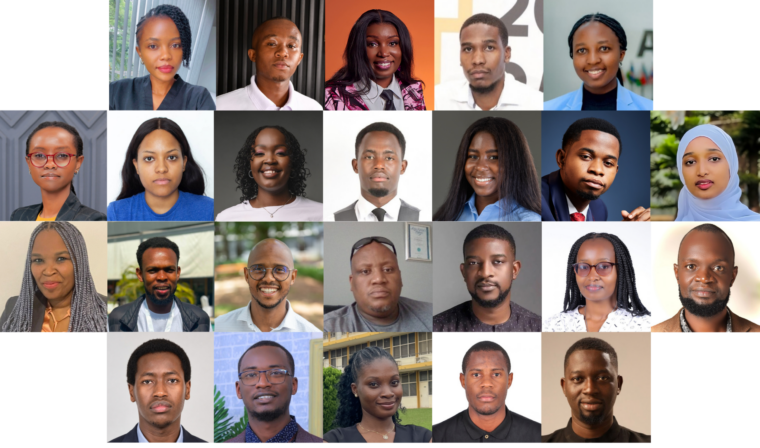
Meet the distinguished speakers of the 2026 Africa Health Collaborative Annual Convening as they share insights on health workforce development, leadership, innovation and partnerships shaping the future of health systems across Africa and empowering the next generation of health leaders.
At the 2026 Africa Health Collaborative Annual Convening, mental health and well-being move beyond discussion into practice. Through quiet spaces, art therapy, movement, and youth-led innovation, AHC is creating a convening experience that supports meaningful participation, connection, leadership, and lasting impact.
These ventures advancing primary healthcare, entrepreneurship and health systems strengthening across Africa will showcase their innovations at the 2026 Annual AHC Convening.
This four-year programme supports emerging African health researchers and leaders to conduct community-focused research, strengthen health systems, and translate evidence into meaningful policy impact.
More than 80 young health professionals, innovators and leaders gathered at Ubuntu Rising to advance youth leadership, innovation and employment. Their nine recommendations will inform the Africa Health Collaborative’s Youth Agenda and strengthen pathways for young people across Africa’s health ecosystem.
In the next HiAS, we explore how governments, universities, civil society and communities can work together to strengthen PHC and advance UHC in Africa, drawing on practical experiences, community engagement and lessons for building more equitable, resilient and people-centred health systems.
Emerging Leaders’ Day will bring together young health leaders from across Africa to build leadership skills, strengthen networks, and influence conversations shaping the future of health systems.
Across Africa, an emerging generation of health leaders is transforming personal challenges into powerful innovations. Through the AHC’s Young Leaders Committee, young researchers, entrepreneurs, technologists, and advocates are drawing on lived experiences with illness, caregiving, mental health, and healthcare inequities to design solutions that strengthen health systems and expand access to care.
We are pleased to announce the start of the 2027-2028 Mastercard Foundation graduate scholarship recruitment at the University of Toronto. This doctoral scholarship opportunity is open to recent alumni and graduating students at our Africa Health Collaborative partner universities. These graduate scholarships will be awarded to individuals who have demonstrated academic excellence in associated health-related disciplines […]
Join the next HiAS as Dr. Robert Karanja explores how talent, research, investment, policy, and partnerships can unlock Africa’s potential in digital health, biotechnology, and deep-tech innovation.