

Africa is training more health professionals, expanding its health education institutions and building a generation of skilled practitioners, many of whom are considering professional opportunities within and beyond their countries. Yet a fundamental question remains: how can the continent benefit from this growing talent while ensuring that its health systems have the people it needs to deliver quality care?
It is a question that goes beyond migration statistics. It touches on professional freedom, the right to health, government responsibility, global recruitment practices and the value of investing in people.
The scale of the opportunity is significant. According to the World Health Organization’s (WHO) State of the Health Workforce in Africa 2026: Plan, Train and Retain report, the reported health workforce in the WHO African Region grew from 4.3 million in 2018 to an estimated 5.72 million in 2024, while annual graduate output exceeded 325,000. Despite this growth, the Region had approximately 46% of the workforce required to meet population health needs, and an estimated 943,000 trained health workers were potentially unemployed in 2024. Under current trends, the Region is projected to face a needs-based shortage of approximately 5.85 million health workers by 2030.
This presents a challenge that cannot be addressed by training more professionals alone. It requires countries to create opportunities for the people they train, build working environments in which professionals can thrive and rethink how talent contributes to health systems across borders.
These competing priorities came into focus during an Oxford-style debate at the 2026 Annual Africa Health Collaborative Convening at Amref International University in Nairobi, Kenya. The motion, Africa should prioritize retaining its health workers over enabling their global mobility, brought two important perspectives into conversation.
Beneath the motion was a deeper question about how responsibility should be shared among governments, health institutions, recruiting countries and individual professionals.
Balancing professional mobility and the right to health
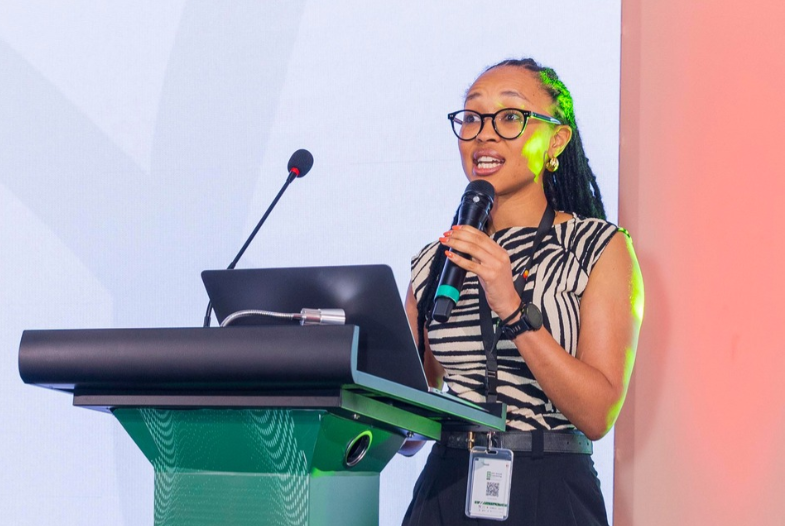
Dr. Nathina Pakade of the University of Cape Town and Ms. Nicole Nhyira Nanka-Bruce of Ashesi University, who argued in favour of the motion, framed the issue as a tension between health professionals’ freedom to pursue opportunities abroad and populations’ right to accessible, functioning healthcare.
Dr. Pakade argued that when these rights meet in health systems already under pressure, the needs of populations must be considered alongside individual career choices.
“Health workers have a right to move. But […] populations also have a right to health. And when those two rights meet in a health system that is already critically stretched, our proposition is that the population’s right to a functioning health system must come first,” she said.
Their argument was not that professionals should be prevented from leaving. Rather, it was that retention must become a deliberate health systems priority.
That means investing in competitive remuneration, safer working environments, professional development and career progression. It also means examining how international recruitment affects countries with significant workforce needs.
As Ms. Nanka-Bruce explained, “Health workers deserve the freedom to build their lives. Patients also deserve a health system that can care for them. We can protect both, but only if domestic staffing needs count as a priority when recruitment decisions are made.”
Dr. Pakade captured the distinction in a simple statement: “Give people the freedom to leave but give them the reason to stay.”
The argument raises an important question for policymakers: are African countries creating health systems that offer professionals meaningful opportunities to build fulfilling careers at home?
Mobility is not the problem
Challenging the motion, Ms. Carine Idani of AIMS Rwanda and Ms. Cynthia Umugwaneza of African Leadership University argued that prioritizing retention risks placing the responsibility for systemic shortcomings on individual health workers.
For them, the freedom to pursue international opportunities should not be treated as a threat to African health systems. Professionals move for many reasons, including better working conditions, fair remuneration, specialization and opportunities to advance their careers.

Ms. Idani questioned the logic of making retention the priority when governments and health institutions have a responsibility to create functioning health systems.
“Ranking retention above mobility moves the burden of that failure onto our health workers. Give health workers strong reasons to stay but do not make their freedom to leave the problem,” she argued.
Ms. Umugwaneza brought another dimension to the discussion: the disconnect between the number of professionals being trained and the availability of jobs.
Referring to WHO’s estimate that approximately 943,000 trained health workers in the Region were potentially unemployed in 2024, she challenged the assumption that migration alone explains Africa’s workforce gaps.
“943,000 [unemployed] health workers [across the WHO African Region]. They have not migrated. They are here in their countries. So, a retention priority does nothing for them. And you cannot retain a health worker in a job that does not exist,” she said.

Her argument points to a critical distinction between producing health professionals and creating the jobs, funding and institutional capacity needed to absorb them. The challenge is therefore not simply how to retain existing talent, but how to ensure that trained professionals can put their skills to work.
“A population’s right to health is a duty owed by the government. It’s not a debt that nurses or health workers repay with their careers,” Ms. Idani added.
Can mobility become an asset for African health systems?
The debate also invites a broader reconsideration of what health worker mobility means for Africa.
Migration does not have to represent a permanent severing of ties with the countries where professionals trained. Health workers abroad may continue contributing through research partnerships, specialist training, mentorship, knowledge exchange, investment and professional networks.
The opportunity is to build stronger connections between African health systems and their diaspora communities, creating pathways for skills and expertise to circulate across borders.
This requires moving beyond a recruitment model that benefits destination countries while leaving source countries to absorb the costs of training and workforce development.
Ethical recruitment and managed mobility offer possible ways forward. Countries recruiting African-trained professionals could work with source countries to develop mutually beneficial arrangements, including investments in training institutions, workforce development and health system priorities.
WHO’s Global Code of Practice on the International Recruitment of Health Personnel and its 2026 Health Workforce Support and Safeguards List provide a voluntary framework for ethical recruitment. WHO recommends refraining from actively targeting countries facing significant workforce vulnerabilities and encourages government-to-government agreements that include proportionate support for source-country health systems. These provisions do not prevent individual health workers from independently pursuing employment abroad.
Importantly, these safeguards do not restrict individual health workers from independently seeking employment abroad.
The question, then, is not whether mobility should happen, but how it can be managed in ways that respect professional freedom while delivering benefits to both source and destination countries.
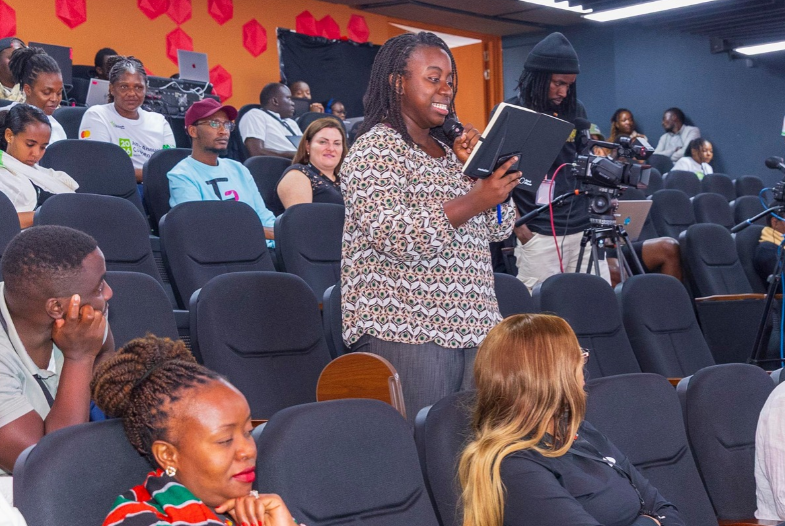




Convening delegates at the debate session
Investing in people, not just training numbers
Perhaps the most important takeaway is that Africa’s health workforce challenge is also an investment opportunity.
WHO’s modelling estimates that every US dollar invested in the health workforce can generate between 5.9 and 10.3 times its value in attributable economic output, depending on the scenario and time horizon. When health and wider social benefits are included, the modelled social return ranges from approximately 24.7 to 37.9 times the investment.
The report also models how improving the absorption of trained professionals into employment, alongside expanding training capacity, could reduce the projected workforce shortage.
Under WHO’s “enhanced absorption with moderate scale-up” scenario—combining 90% graduate absorption with a 20% increase in training output—the projected 2030 shortage falls from approximately 5.85 million under business as usual to about 4.92 million
These findings reinforce the need to connect workforce education with employment planning, sustainable health financing and opportunities across both public and private health sectors.
This wider approach aligns with the work of the Africa Health Collaborative. Through its three pillars, AHC connects workforce education with employment, entrepreneurship and the enabling conditions needed for sustainable health-sector growth. Health Employment seeks to expand capacity to train primary health care workers and contribute to systems that employ and retain them. Health Entrepreneurship supports ecosystems that enable young people, particularly women, to develop health ventures, create employment and address locally identified needs. Health Ecosystems focuses on the partnerships, skills and enabling environments required for sustainable sector development.
The discussion also provides considerations for the Collaborative’s continuing exploration of an African Health Workforce Mobility Framework, including employment absorption, ethical recruitment, reciprocal mobility and diaspora engagement.
Beyond stay or go
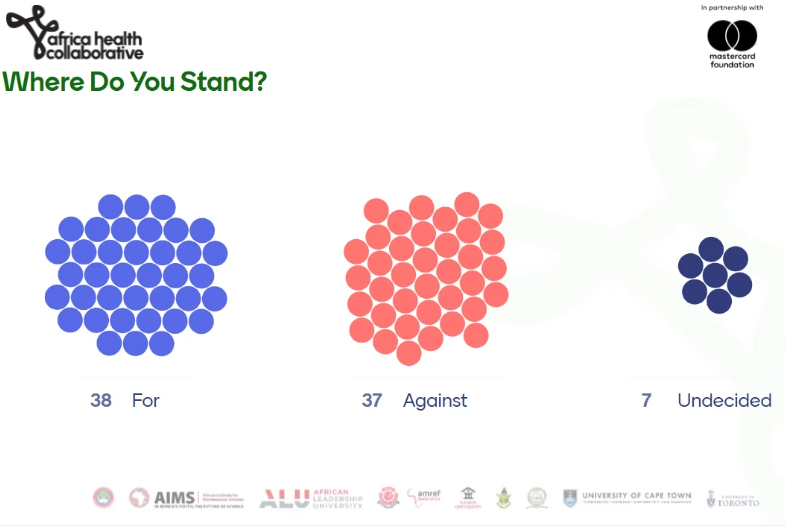
Team Stay narrowly won the debate, securing 38 votes against Team Go’s 37, with seven delegates undecided. But the value of the discussion extended beyond the result.

As moderator Mr. John Nyagaka, Chair of the Young Leaders Committee from the University of Toronto, reminded delegates, the question was far from abstract. It touches on the career decisions of young health professionals and the future of healthcare across the continent.
Taken together, the debate points towards a three-part agenda: expanding employment absorption and improving working conditions within African health systems; protecting individual mobility while applying ethical recruitment safeguards; and developing bilateral, regional and diaspora pathways through which skills, knowledge and investment can circulate. The issue is therefore not simply whether health workers stay or leave, but how governments, institutions and recruiting countries share responsibility for ensuring that professional mobility contributes to stronger and more equitable health systems.
More News & Events
Skip scroller content
How Africa Can Take Leadership in its Health Outcomes
In our next Health in Africa Webinar Series, we will explore practical ways to optimize existing funding, technology and health workforce capacity, strengthen frontline service delivery, and increase African leadership in health outcomes.

Nine Partner Institutions Endorse Nairobi Accord to Advance Youth Leadership and Evidence-Informed Health Action
The Nairobi Accord positions young people as co-creators of Africa’s health future. Endorsed by nine universities, the agreement advances youth leadership, evidence generation, and collaborative action to strengthen health systems while expanding employment and entrepreneurship opportunities for young Africans.

Prof. Angela Owusu-Ansah’s Call to Uncover Africa’s Health Successes and Contributions
Delivered by Prof. Angela Owusu-Ansah, Provost of Ashesi University, this closing address at the 2026 Africa Health Collaborative Annual Convening outlines her key priorities for 2027 in her new role as Chair of the Executive Steering Committee.

Meet the Speakers Scheduled for the 2026 AHC Annual Convening
Meet the distinguished speakers of the 2026 Africa Health Collaborative Annual Convening as they share insights on health workforce development, leadership, innovation and partnerships shaping the future of health systems across Africa and empowering the next generation of health leaders.

Beyond the Agenda: Bringing Mental Health and Well-being into the 2026 AHC Annual Convening
At the 2026 Africa Health Collaborative Annual Convening, mental health and well-being move beyond discussion into practice. Through quiet spaces, art therapy, movement, and youth-led innovation, AHC is creating a convening experience that supports meaningful participation, connection, leadership, and lasting impact.
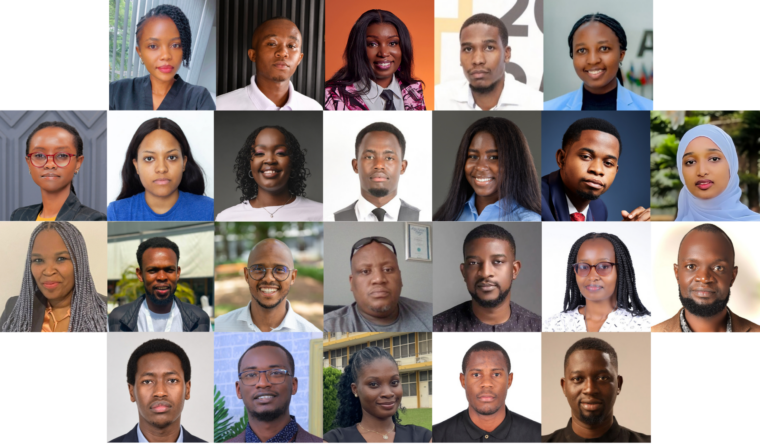
Meet the Ventures Showcasing at the 2026 Africa Health Collaborative Annual Convening
These ventures advancing primary healthcare, entrepreneurship and health systems strengthening across Africa will showcase their innovations at the 2026 Annual AHC Convening.
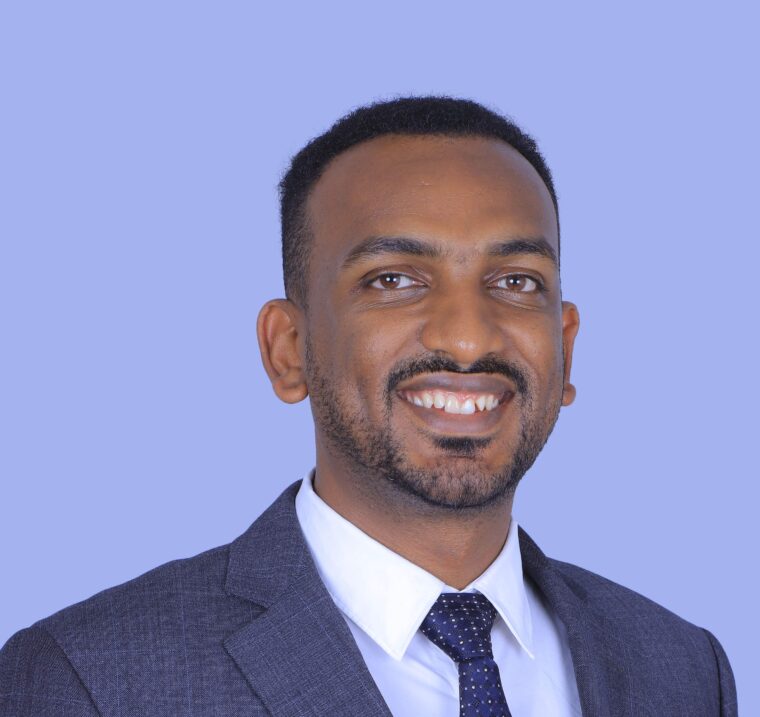
From Clinic to Country: Building Ethiopia’s First Integrated Model for Older Adult Health
What began with one doctor questioning fragmented care for older adults has grown into a pioneering model for Ethiopia. With leadership skills strengthened through the IMIx Certificate, Dr. Asrat built an integrated clinic now informing the country’s healthy aging efforts.

Apply for the Fully-Funded Healthy Futures South Africa (HFSA) PhD Fellowship Programme
This four-year programme supports emerging African health researchers and leaders to conduct community-focused research, strengthen health systems, and translate evidence into meaningful policy impact.

Ubuntu Rising Centres Youth Leadership, Innovation and Employment in Africa’s Health Future
More than 80 young health professionals, innovators and leaders gathered at Ubuntu Rising to advance youth leadership, innovation and employment. Their nine recommendations will inform the Africa Health Collaborative’s Youth Agenda and strengthen pathways for young people across Africa’s health ecosystem.
Advancing Health Equity in Africa: How Universities, Civil Society, and Communities Can Strengthen Primary Health Care
In the next HiAS, we explore how governments, universities, civil society and communities can work together to strengthen PHC and advance UHC in Africa, drawing on practical experiences, community engagement and lessons for building more equitable, resilient and people-centred health systems.