
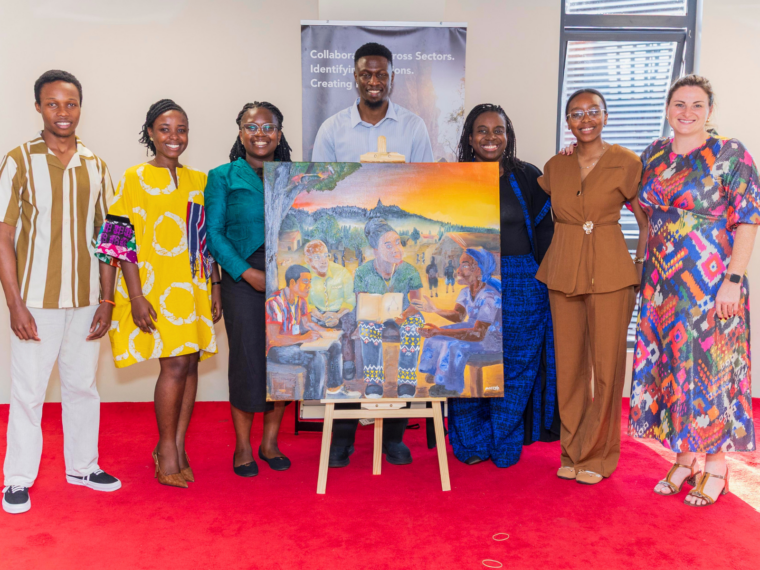
We may speak different languages, come from different institutions, and experience very different realities, but emerging leaders are asking many of the same questions: Where is my opportunity? Where is my voice? And perhaps most importantly, where can I contribute?
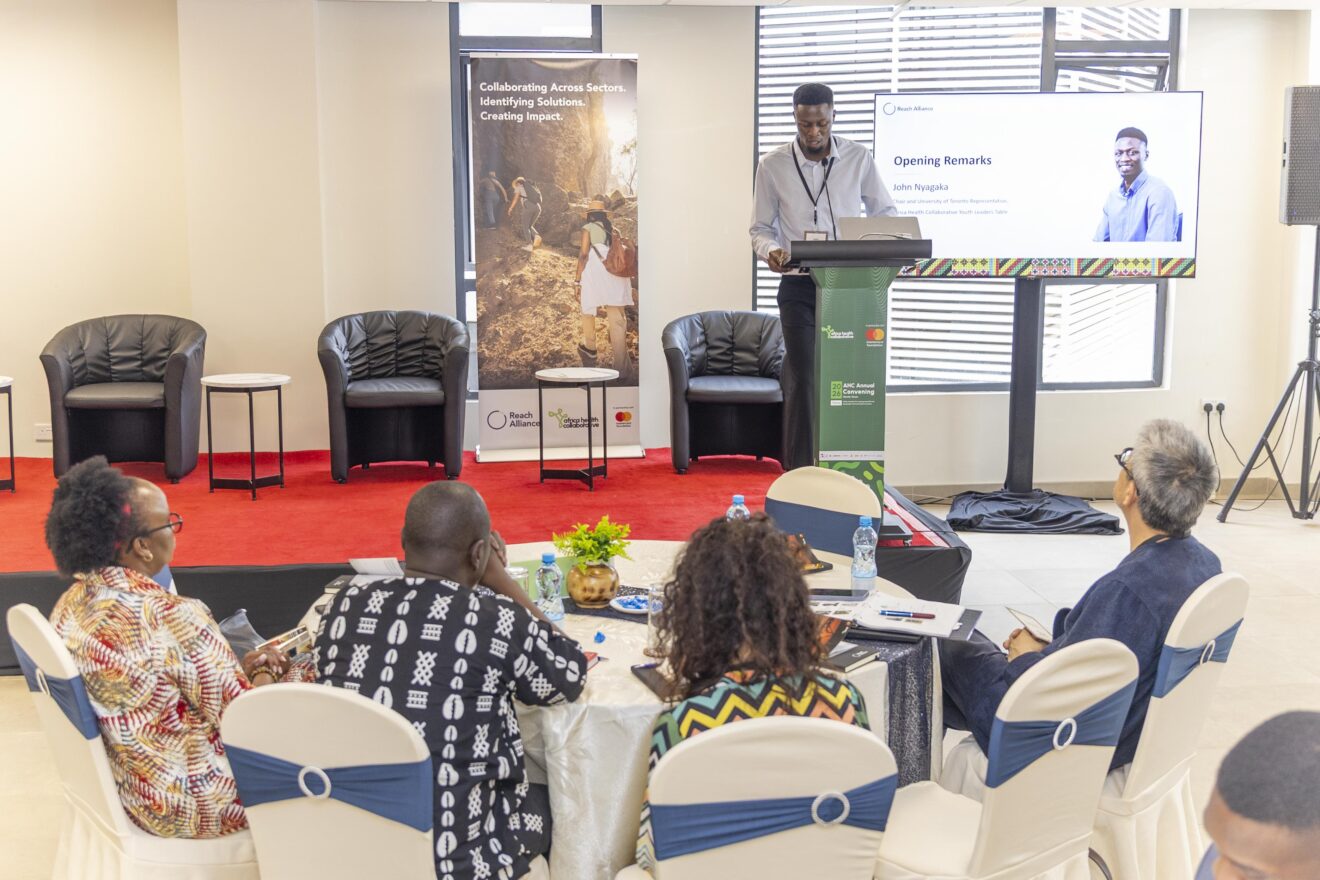
– John Nyagaka, Chairperson of the Africa Health Collaborative Young Leaders Committee (YLC)
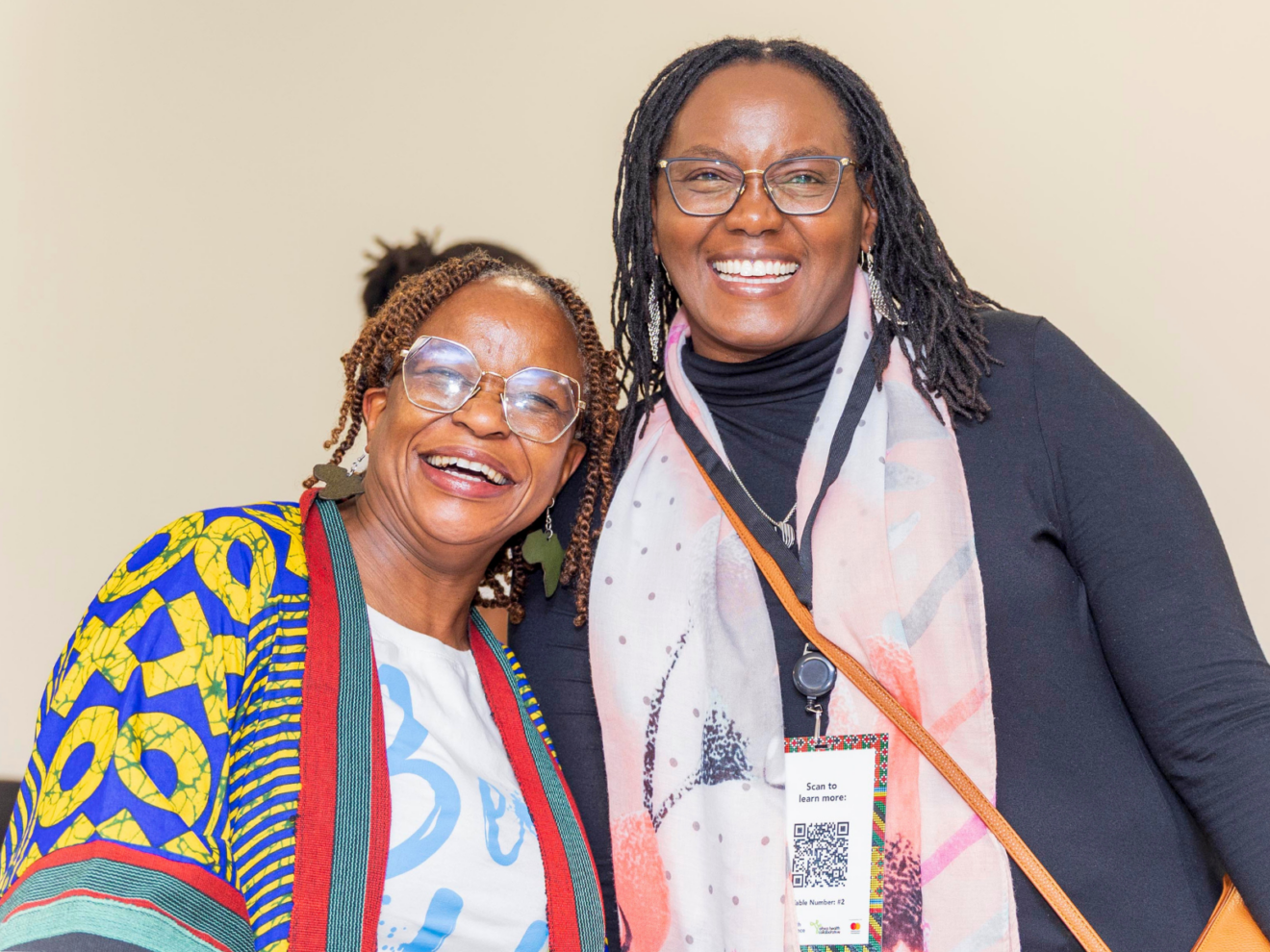
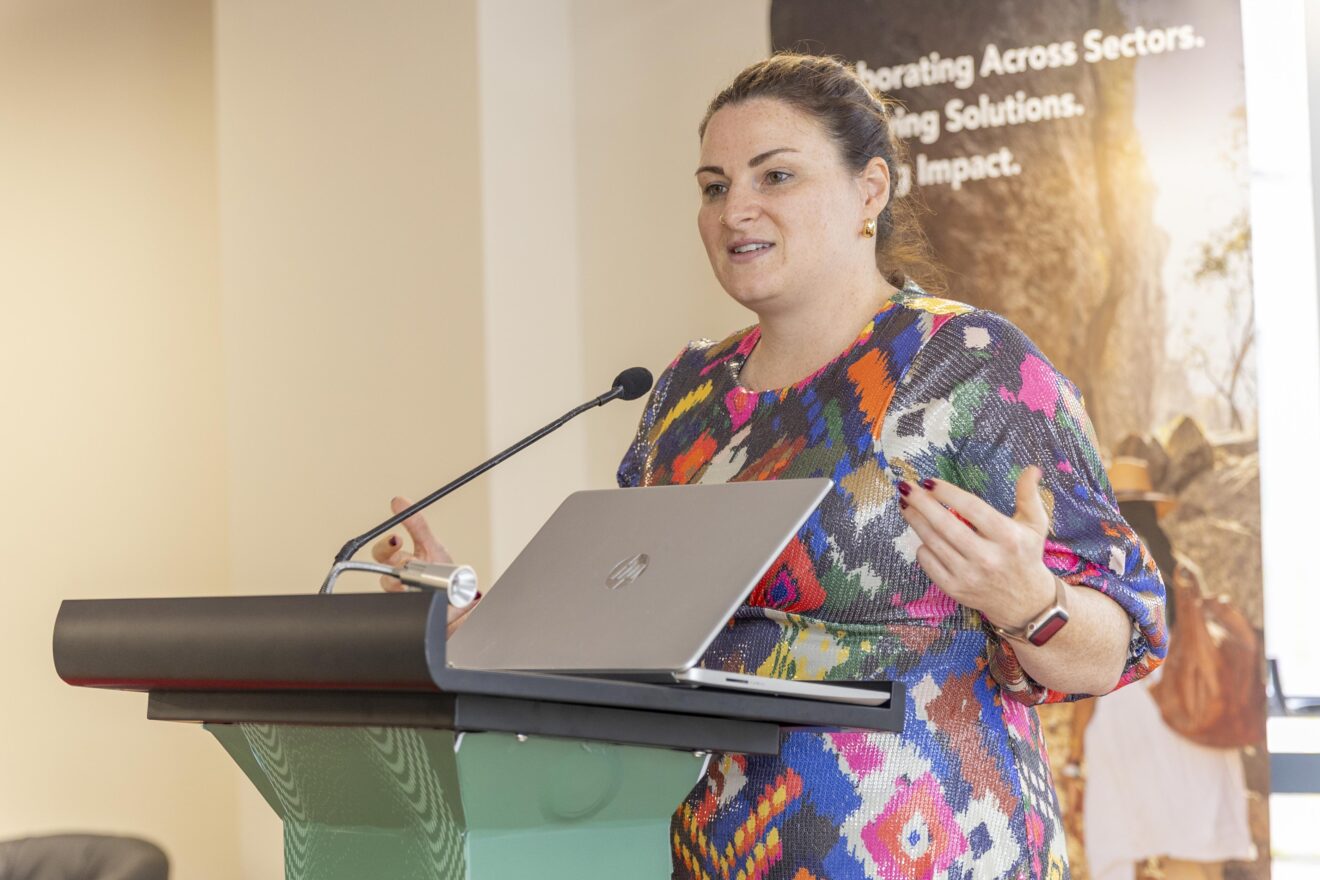
These questions set the stage for Emerging Leaders’ Day: Rising Together, held on October 17, 2026, at Amref International University in Nairobi, Kenya. Co-hosted by the Africa Health Collaborative (AHC) and the Reach Alliance as an official side event of the 2026 AHC Convening, the gathering brought together over 40 attendees from 14 institutions and organizations to explore how emerging leaders can engage decision-makers in shaping health systems across Africa.
“We are not simply meeting in a beautiful city; we are meeting in a place with a strong tradition of bringing people together to address issues that matter to our continent and our world. Nairobi particularly brings together many of the things that make this gathering so important: ideas, cultures, institutions, innovation and people from across Africa and beyond,” said Eudora Sackey, Emerging Leaders’ Day Organizing Committee member and former Chairperson of the YLC.
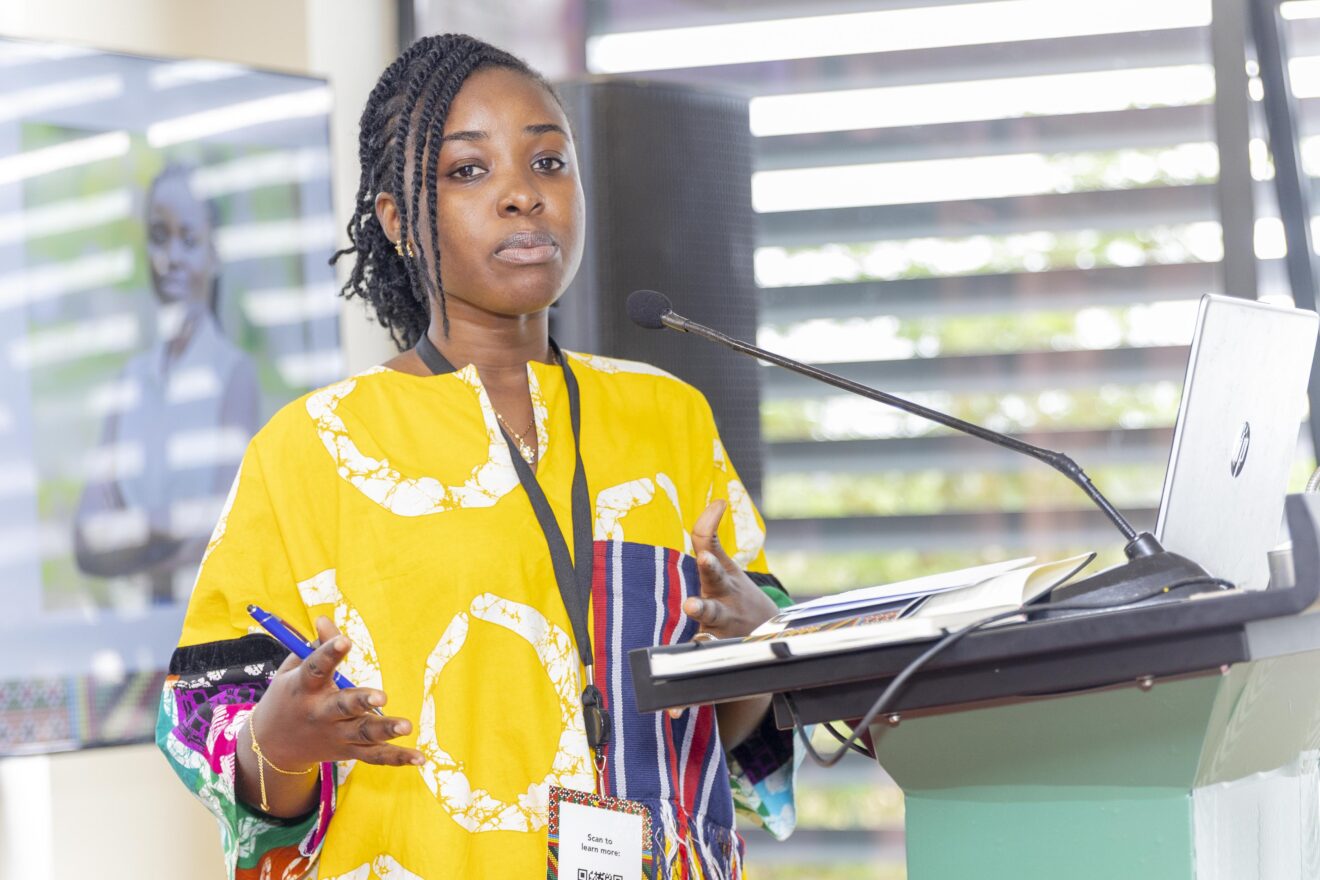
Through research presentations, intergenerational dialogue and practical leadership development, participants examined how to communicate evidence, navigate ethical challenges and build productive relationships with decision-makers.
Strengthening Intergenerational Leadership
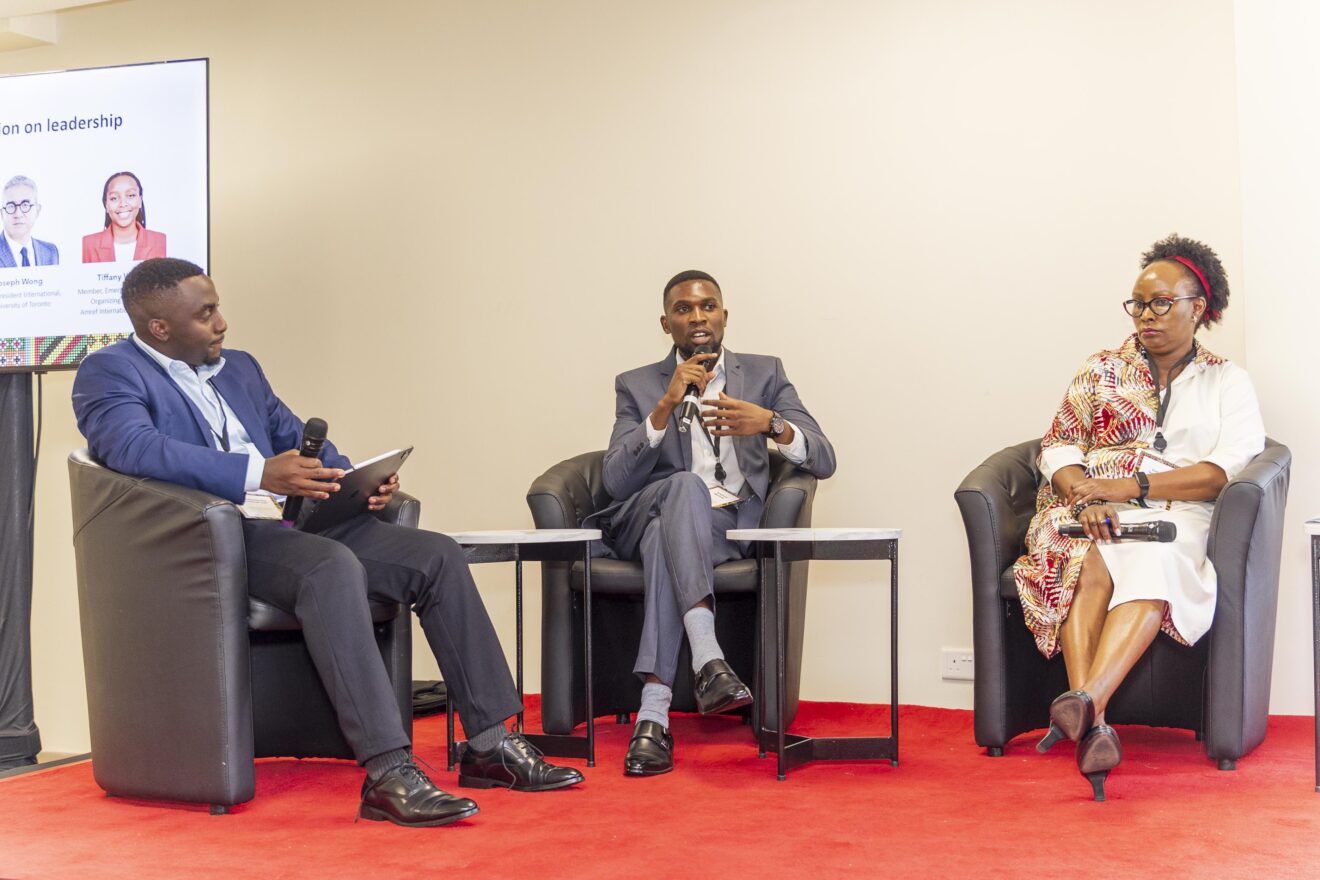
The intergenerational panel of Reach researchers, faculty, and leadership created space to consider how leaders across career stages can learn from one another and ensure emerging leaders’ perspectives are integrated into conversations about the future of health in Africa.
“I think the perception of young people being impatient and wanting things to happen quickly is something that cuts across generations. But I think that what young people are saying across all different countries and continents is that there is a need for change,” said Tiffany Wanjiru, Emerging Leaders’ Day Organizing Committee member.
The discussion reframed this urgency not as a weakness, but as a resource that can be supported through mentorship, institutional access and meaningful opportunities to contribute. The panel emphasized that institutional leaders and decision-makers have an important role in channeling and championing this urgency.
The day also featured a Giving Voice to Values workshop, led by Reach Alliance alumna Nice Cailie Ineza, focused on navigating ethical dilemmas and leading with integrity. Drawing on learning from the Education Collaborative at Ashesi University, the workshop helped participants examine how their values can guide decisions when they encounter ethical pressure in research, institutions and professional practice.
Connecting Research, Communities, and Lived Experience
Research presentations showcased African-led student research on topics like health misinformation in Cape Town, child food poverty in Ghana, and community health in pastoralist communities in Kenya, highlighting how emerging leaders are contributing to community-based solutions and catalyzing positive change.
Andrew Mofolo, a Reach researcher from the University of Cape Town, underscored the importance of emerging leaders’ determination and urgency in driving progress.
“It’s not a bad thing that emerging leaders are relentless and eager to get things done. Africa is a continent shaped by its emerging generation. If this generation isn’t impatient to drive progress and turn ideas into action, then when will change happen?” said Mofolo.
The event’s commitment to collaboration was also reflected in a painting by Moffat Muchui, an undergraduate student at Amref International University. In explaining the painting, Muchui described it as representing the connections that need to be built between institutions and communities, and between formal research and lived experience.
“For me, the painting is ultimately about listening and bridging distance. It is about recognizing that institutions have their own knowledge and standards, while communities possess lived experiences and forms of knowledge that cannot simply be replaced by institutional understanding. The space between them is where the real work happens,” said Muchui.
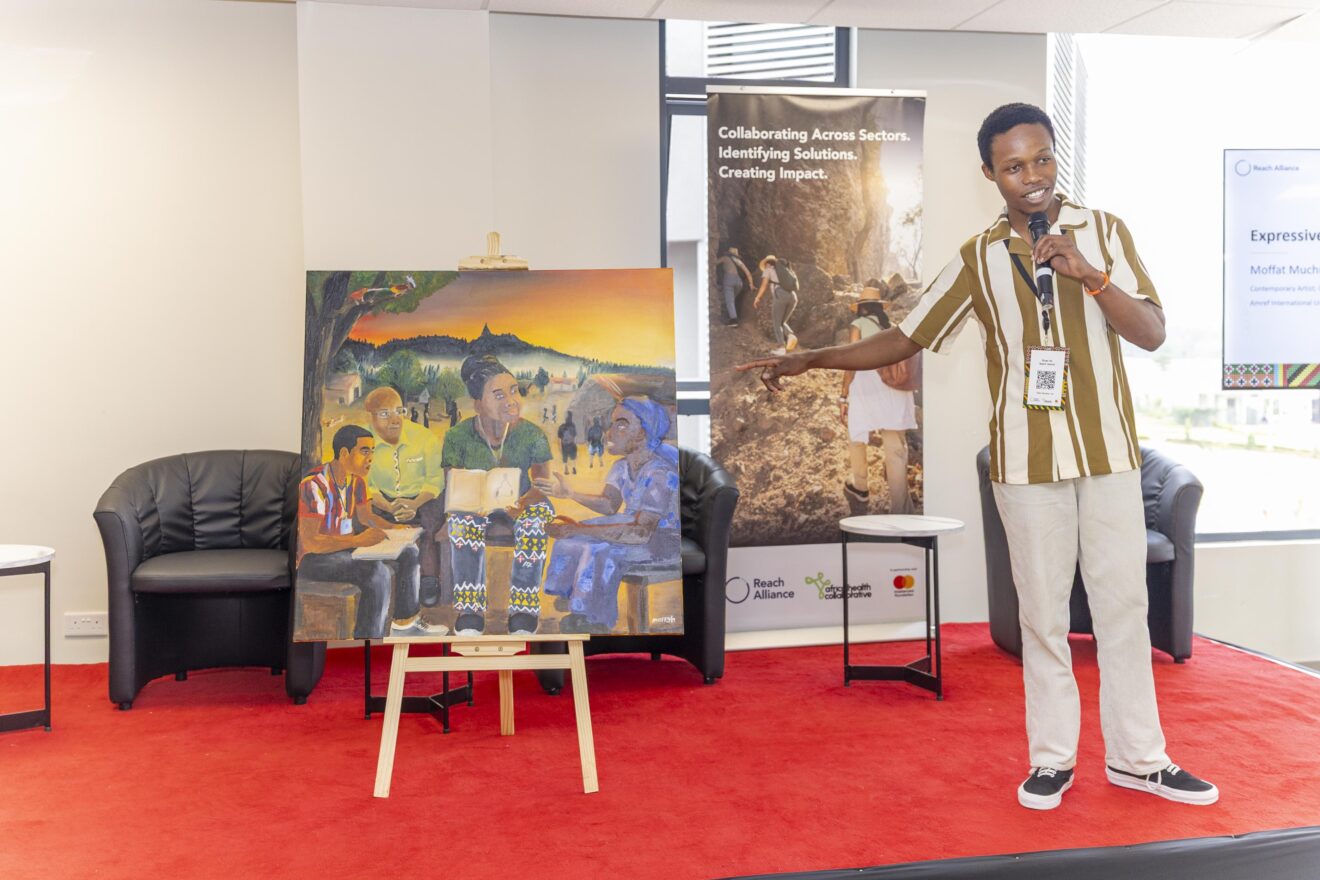
Together, these contributions underscored the importance of bringing different forms of knowledge and perspectives into conversations about health systems and their future.
Looking Ahead
Emerging Leaders’ Day was co-created by the Africa Health Collaborative and the Reach Alliance, two communities committed to developing leadership capacity among students and recent graduates, driving African-led research, and supporting emerging leaders in shaping the future of health systems across Africa.
The Africa Health Collaborative, in partnership with the Mastercard Foundation, brings together nine higher education institutions to strengthen primary health care systems across Africa through health workforce development, education, innovation, and entrepreneurship. The Reach Alliance is a global consortium supporting leaders to co-create climate, public health, and economic solutions with hard-to-reach communities.
In 2027, the Reach Alliance team will host two online skills development workshops that will be delivered to the Africa Health Collaborative emerging leaders’ community, a key aspect of the post-ELD engagement strategy. Based on participant feedback, the sessions will focus on academic publishing and moving storytelling forward as a public health competency.

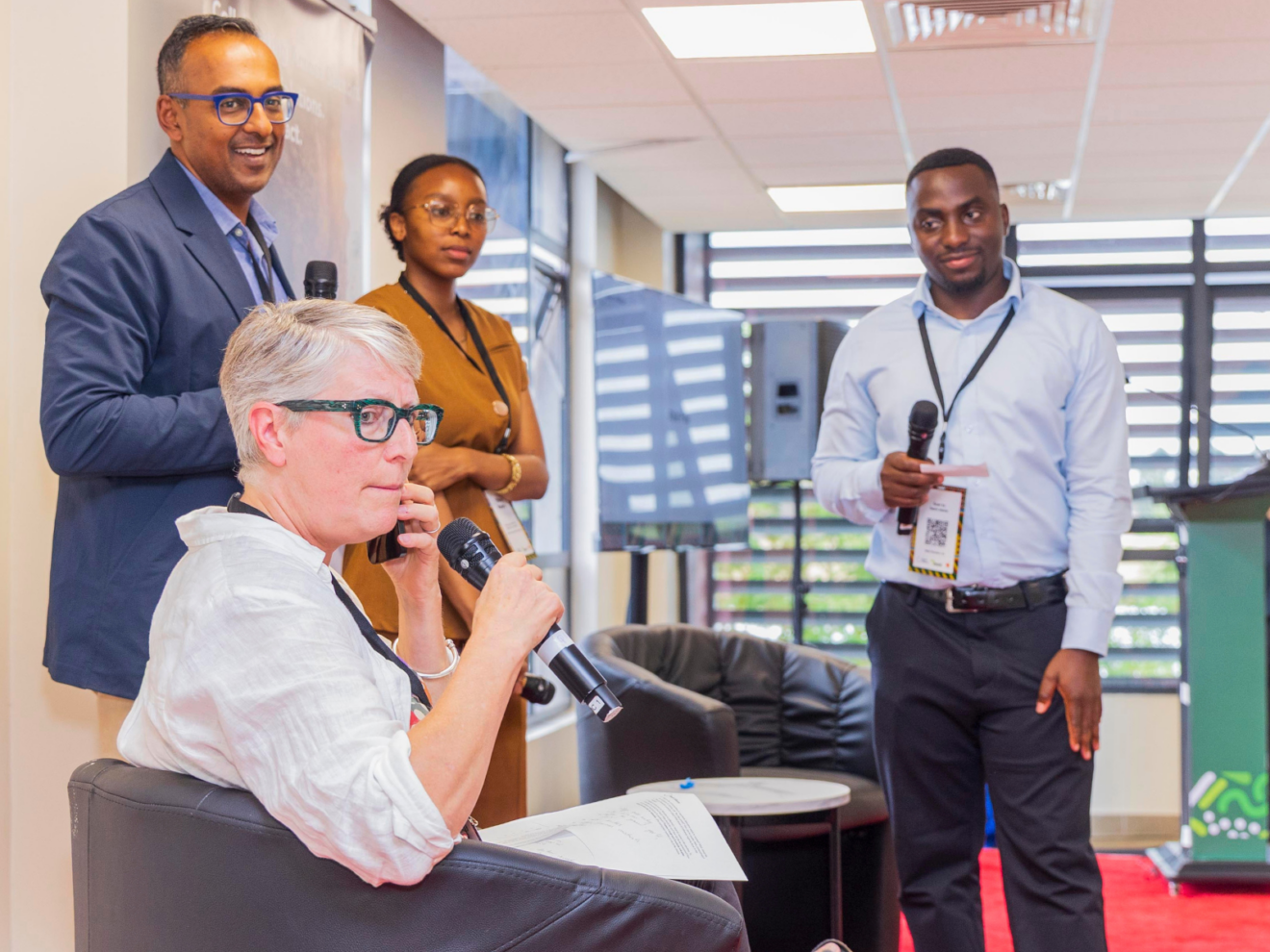
Through continued collaboration and shared learning, the Africa Health Collaborative and the Reach Alliance are creating opportunities for emerging leaders to connect research with practice, foster intergenerational collaboration, and engage meaningfully with decision-makers. This collaboration will equip participants with the knowledge, networks, and practical experience to translate their research into actionable insights, inform health policy and practice, and bring evidence-based solutions to the communities they serve.
More News & Events
Skip scroller content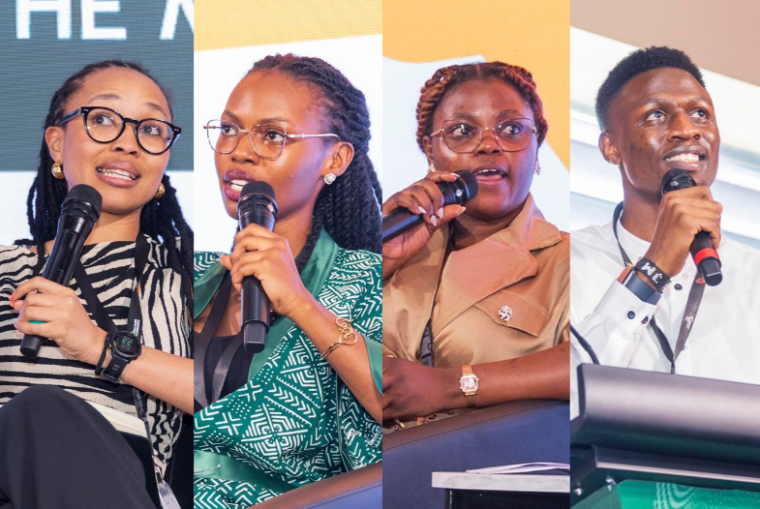
Beyond Stay or Go: Rethinking Africa’s Health Workforce Mobility
As Africa expands its health workforce, the challenge is no longer simply training more professionals. The real question is how to balance workforce retention, employment opportunities, ethical recruitment and professional mobility in ways that strengthen health systems while respecting individual career aspirations.
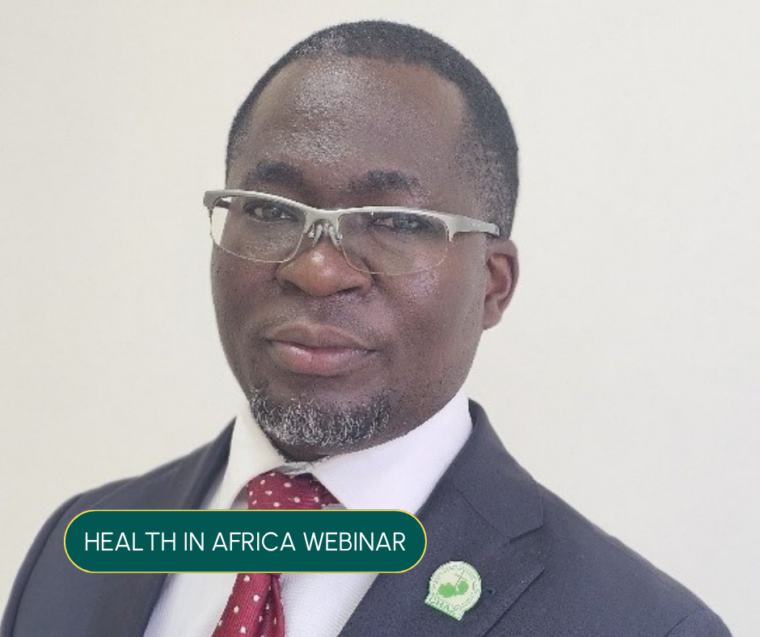
How Africa Can Take Leadership in its Health Outcomes
In our next Health in Africa Webinar Series, we will explore practical ways to optimize existing funding, technology and health workforce capacity, strengthen frontline service delivery, and increase African leadership in health outcomes.
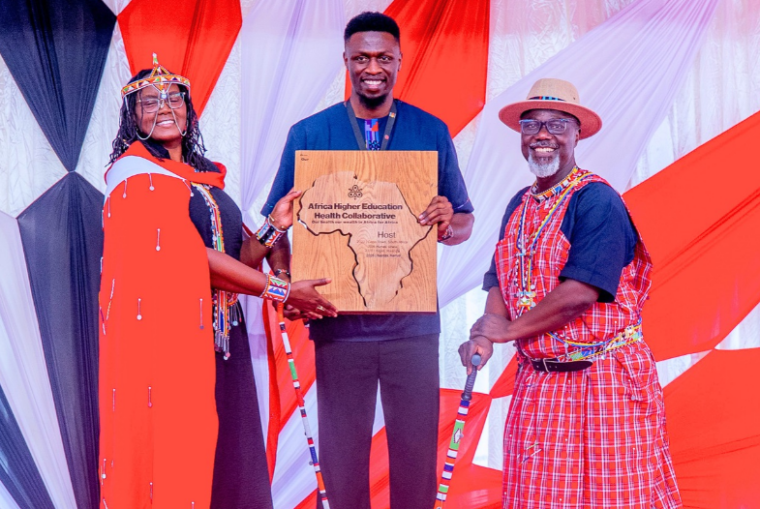
Nine Partner Institutions Endorse Nairobi Accord to Advance Youth Leadership and Evidence-Informed Health Action
The Nairobi Accord positions young people as co-creators of Africa’s health future. Endorsed by nine universities, the agreement advances youth leadership, evidence generation, and collaborative action to strengthen health systems while expanding employment and entrepreneurship opportunities for young Africans.
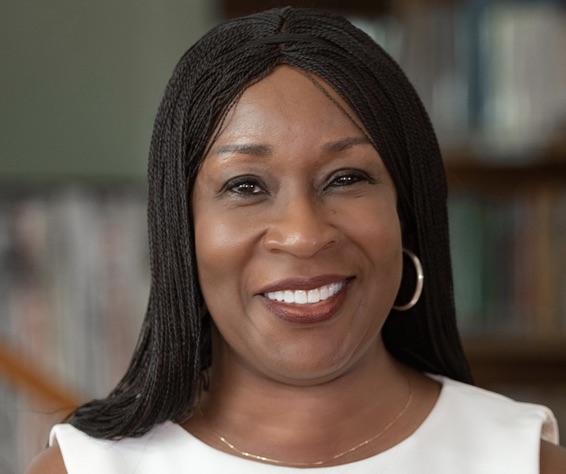
Prof. Angela Owusu-Ansah’s Call to Uncover Africa’s Health Successes and Contributions
Delivered by Prof. Angela Owusu-Ansah, Provost of Ashesi University, this closing address at the 2026 Africa Health Collaborative Annual Convening outlines her key priorities for 2027 in her new role as Chair of the Executive Steering Committee.

Meet the Speakers Scheduled for the 2026 AHC Annual Convening
Meet the distinguished speakers of the 2026 Africa Health Collaborative Annual Convening as they share insights on health workforce development, leadership, innovation and partnerships shaping the future of health systems across Africa and empowering the next generation of health leaders.

Beyond the Agenda: Bringing Mental Health and Well-being into the 2026 AHC Annual Convening
At the 2026 Africa Health Collaborative Annual Convening, mental health and well-being move beyond discussion into practice. Through quiet spaces, art therapy, movement, and youth-led innovation, AHC is creating a convening experience that supports meaningful participation, connection, leadership, and lasting impact.
Meet the Ventures Showcasing at the 2026 Africa Health Collaborative Annual Convening
These ventures advancing primary healthcare, entrepreneurship and health systems strengthening across Africa will showcase their innovations at the 2026 Annual AHC Convening.

From Clinic to Country: Building Ethiopia’s First Integrated Model for Older Adult Health
What began with one doctor questioning fragmented care for older adults has grown into a pioneering model for Ethiopia. With leadership skills strengthened through the IMIx Certificate, Dr. Asrat built an integrated clinic now informing the country’s healthy aging efforts.

Apply for the Fully-Funded Healthy Futures South Africa (HFSA) PhD Fellowship Programme
This four-year programme supports emerging African health researchers and leaders to conduct community-focused research, strengthen health systems, and translate evidence into meaningful policy impact.
Ubuntu Rising Centres Youth Leadership, Innovation and Employment in Africa’s Health Future
More than 80 young health professionals, innovators and leaders gathered at Ubuntu Rising to advance youth leadership, innovation and employment. Their nine recommendations will inform the Africa Health Collaborative’s Youth Agenda and strengthen pathways for young people across Africa’s health ecosystem.