How the Africa Health Collaborative’s Young Leaders Committee is turning personal journeys into health innovations
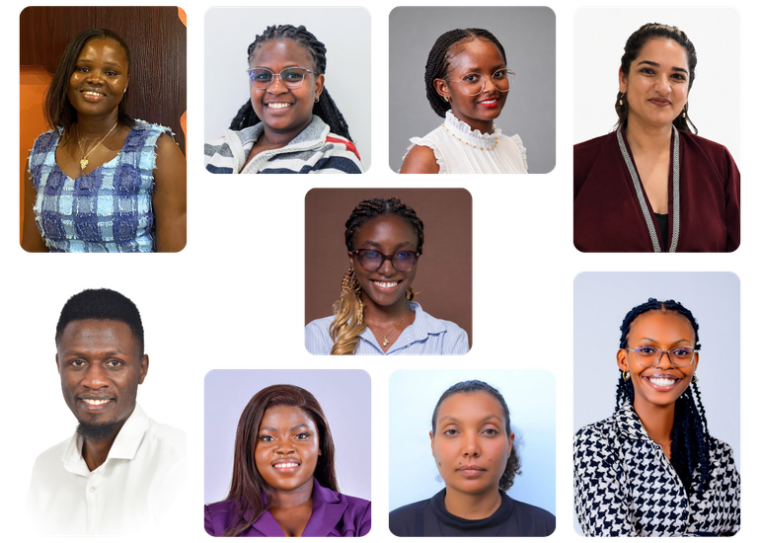
Every health leader’s journey is anchored in purpose. For members of the Africa Health Collaborative’s Young Leaders Committee (YLC), that purpose is rooted in lived experience. As patients, caregivers, daughters, sons, and community members, they understand firsthand how health systems succeed—and where they fail. In moments where systems fail, they see opportunities to innovate, design, and lead. Today, as researchers, software developers, entrepreneurs, and advocates, they are transforming personal experiences into solutions that strengthen health systems across Africa.
Rooted in Personal Journey
For John Nyagaka, Chairperson of the Africa Health Collaborative’s Young Leaders Committee and a Master of Health Informatics graduate from the University of Toronto, the journey began with the loss of his mother. Witnessing the consequences of fragmented care and weak health information systems inspired him to pursue digital health solutions that improve care coordination and equity.

During his Africa CDC practicum in Ethiopia, John helped build real-time dashboards supporting MPOX surveillance, non-communicable disease monitoring across ten countries, and emergency outbreak responses throughout East, West, and Southern Africa. He is also developing MamaTrack, an AI-supported maternal care platform, and Neuroma, a home-based stroke rehabilitation solution.
For Christiana Teiko Nargei is a Master of Health Entrepreneurship graduate of Kwame Nkrumah University of Science and Technology (KNUST), and an emerging health systems leader working to advance equitable access to care in Ghana.
Her path into health entrepreneurship began close to home. Watching her mother navigate limited access to timely, appropriate diagnostic care showed her that closing healthcare gaps takes more than clinical solutions, it takes innovative, sustainable, community-driven approaches.
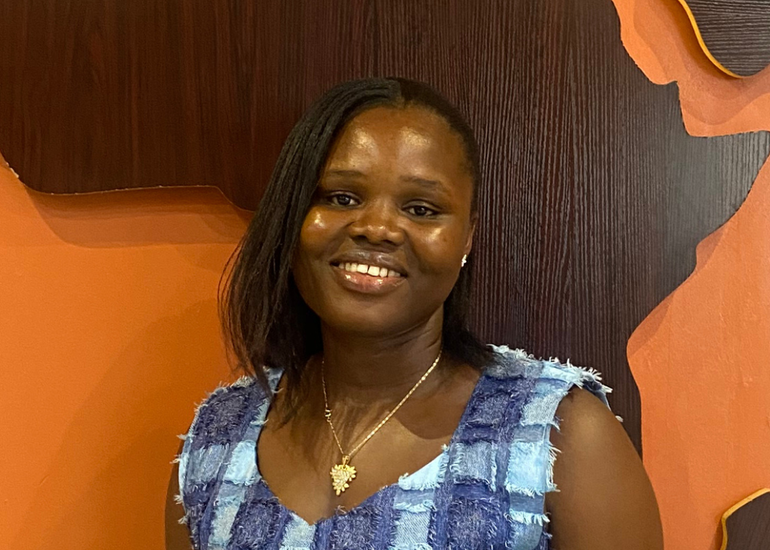
Today, she draws on her background in entrepreneurship, leadership, and community engagement to support early diagnosis, health literacy, and access to essential services. Through community outreaches across Ghana, she has organized health screenings, delivered health education, and helped residents of underserved communities enroll in the National Health Insurance Scheme (NHIS).
As a Young Leaders Table representative and cohort leader at KNUST, Christiana also champions youth leadership and mentorship, pushing for young people to have a real seat at the table in shaping Africa’s health future. For her, young people shouldn’t just benefit from health systems, they should help build them.
Her current focus is Ghana’s diagnostic gap: the idea that a person’s geography, income, or resources shouldn’t determine whether they get the right diagnosis at the right time. It’s a challenge she’s approaching with the same entrepreneurial mindset that’s guided her work so far turning lived experience into scalable solutions for healthier, more resilient communities across Ghana and beyond.
Mental health shaped Cynthia Umugwaneza’s leadership journey. As a software engineering graduate from African Leadership University, she experienced mental health challenges that were often misunderstood or left unspoken. She co-founded the U-Love Mental Health Club at ALU, creating a safe space for students to connect, share and support one another.
Cynthia is also developing EmoTrack, an ethics-aligned platform designed to allow students to anonymously log their emotions. Through de-identified, opt-in data, the platform aims to generate cohort-level insights that can help institutions identify emerging stress trends and respond before distress escalates into crisis. Through her work with Solid Minds Counselling Clinic, she is also contributing to mental health and psychosocial support programming through data, monitoring, and evaluation.
Through compassion and data, young Africans can turn silence into dialogue and isolation into connection.
-Cynthia Umugwaneza.

Carine’s journey illustrates another dimension of how lived experience can shape health leadership—one that brings mathematics and data into the heart of prevention.
For Carine Frieda Idani, a Beninese researcher from the African Institute for Mathematical Sciences (AIMS), the path into health has been deeply personal. Living with sickle cell disease, she has experienced firsthand how health systems can either support or fail the people who depend on them. That experience has strengthened her determination to help build systems that care for people more fully.
A Master of Mathematical Sciences graduate from AIMS Rwanda and now a PhD researcher at CIRAD, Carine works on the mathematical modelling of vector-borne diseases across Kenya, Cameroon, and Mozambique. By combining data and mathematical modelling, she is helping health systems anticipate disease risks and respond to some of Africa’s most pressing health challenges.

Her work extends beyond research. Carine co-develops MESO+ (Maternal Emotional Support Outreach), a youth-led initiative that combines a hospital-based screening tool with a companion app to help health systems detect and address postpartum depression.
For Carine, lived experience and technical expertise are complementary forces for change: “Mathematics and lived experience are not opposites; together they help us design health systems that reach people earlier.”
Inspired by Community and Equity
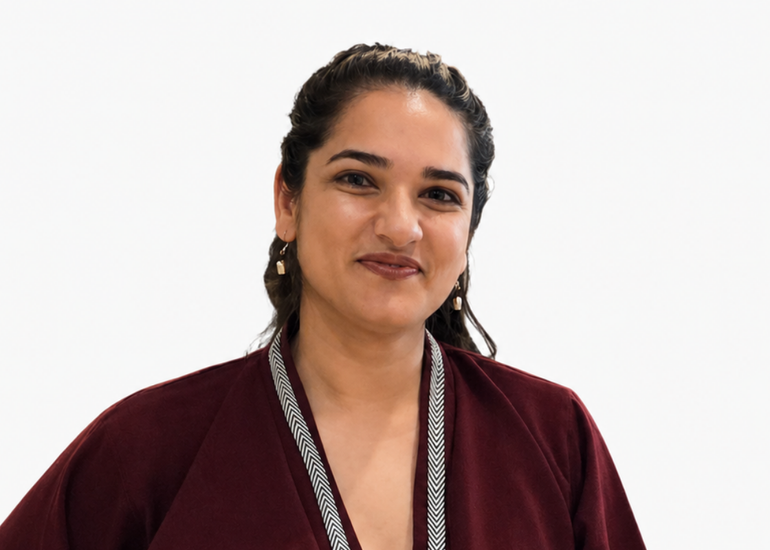
In South Africa, Kaneez Sayed, a postgraduate Public Health Medicine candidate at the University of Cape Town, witnessed how historical inequalities continue to shape healthcare access. Working with organizations in high HIV and TB burden communities, she has helped transform youth Antiretroviral Therapy (ART) clubs from brief clinical appointments into holistic peer-support spaces that address careers, sexuality, and psychosocial wellbeing.
“When young people design and lead support structures, engagement rises because the approach is safe, relatable, and centered on their lived realities,” said Kaneez Sayed.
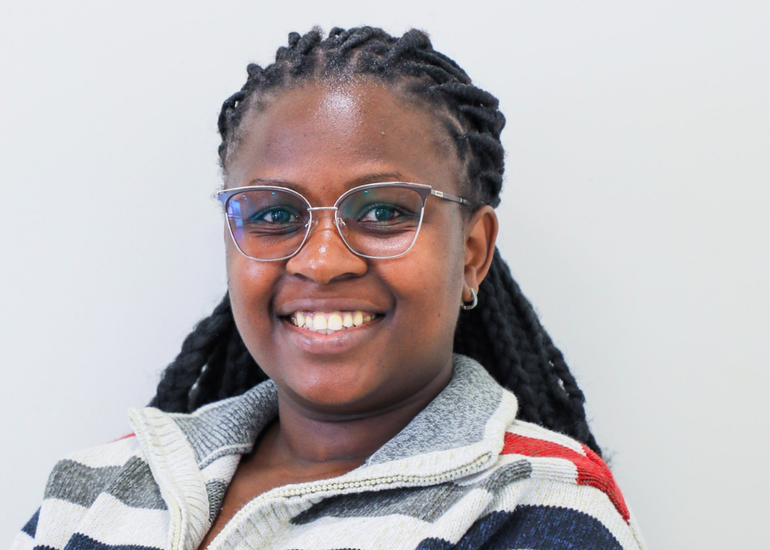
Similarly, Beryl Akinyi Oborah, a Master of Sexual and Reproductive Health Rights & Policy candidate at Amref International University, was inspired by her father’s prostate cancer diagnosis. The experience revealed how fear and limited health literacy delay care. Today, she combines sexual and reproductive health advocacy with youth mentorship, empowering young people to make informed health decisions.
Driven by Innovation and Sovereignty
Other YLC members are advancing health innovation through technology and locally led solutions.
At Ashesi University, Nicole Nhyira Nanka-Bruce combined her computer science training with a passion for healthcare to develop an AI‑powered cataract‑screening initiative that brings early detection services directly to underserved communities. Motivated by firsthand experiences of delays in care, she now pursues an MSc in Intelligent Computing Systems, envisioning a future where accessible technology ensures quality healthcare is not limited by geography or specialist availability.
At Moi University, entrepreneurship student Yvonne Ndanu is co-developing biodegradable smart bandages capable of detecting infection while reducing medical waste, demonstrating how African innovation can address African health challenges.
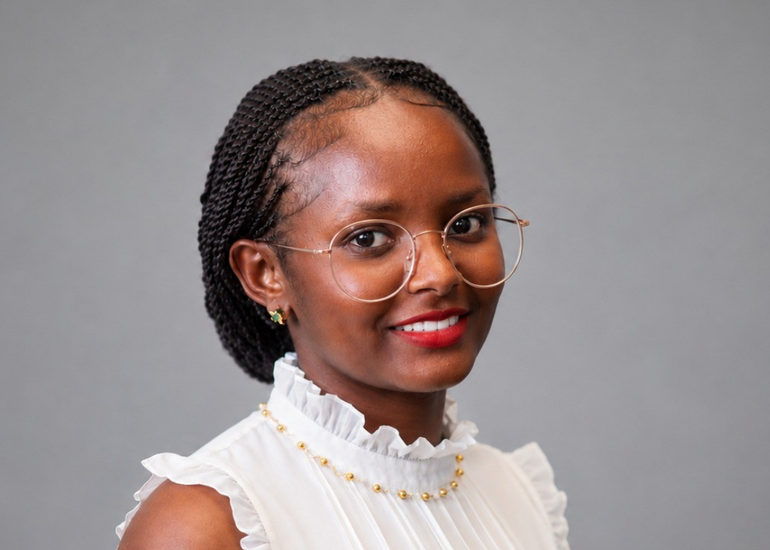
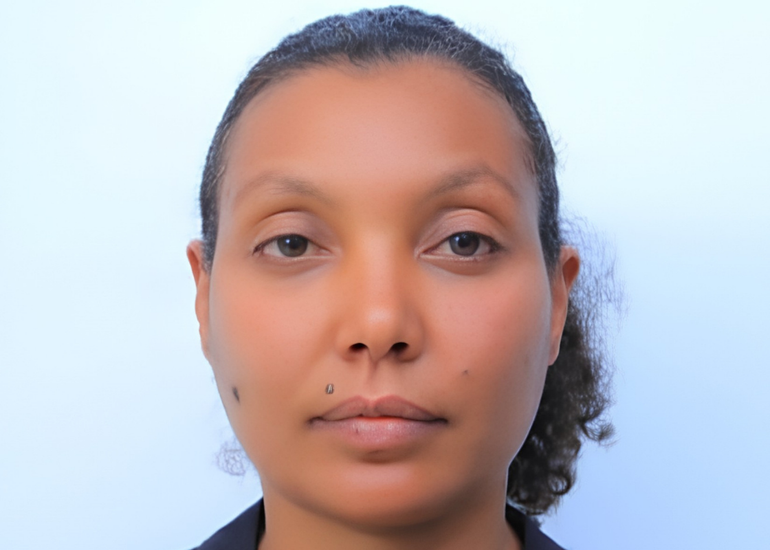
For Mihiret Alemayehu Gebretsadek, a Master of Science in Clinical Chemistry student at Addis Ababa University, resilient health systems depend on African health sovereignty. Alongside her clinical work, she mentors Ethiopia’s next generation of health extension workers in digital health tools while advocating for locally led research and evidence-based solutions tailored to community needs.

From Individual Initiative to System Change
Together, these stories demonstrate that youth are already transforming healthcare—but scaling this impact requires structural change.
Mihiret argues that sustainable progress depends on moving from aid dependency to health sovereignty by investing in local talent, home-grown innovation, and resilient health systems. Achieving this also requires dismantling traditional hierarchies and creating meaningful opportunities for youth leadership.
“If we want a stronger, youth-driven health future, we must move beyond symbolic inclusion and place young people in strategic positions of influence where their skills and perspectives can meaningfully shape decisions,” says Kaneez.
As Beryl adds, “Young people are not observers but decision-makers and co-creators of solutions. Investing in their leadership, innovation, and mentorship is essential for building resilient, future-ready health systems.”

The YLC Model: A Strategic Investment
The Africa Health Collaborative’s Young Leaders Committee demonstrates what meaningful youth engagement looks like. Rather than offering symbolic representation, the YLC embeds young leaders within the Collaborative’s governance, operations, and Executive Steering Committee, enabling them to shape strategy while delivering measurable initiatives.
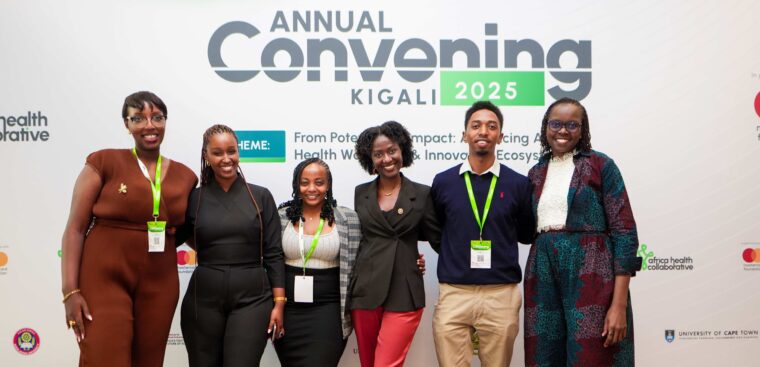
At the 2025 Annual Convening in Kigali, YLC members led the Youth Unemployment Breakfast, securing commitments from university leaders to expand mentorship, internships, and career pathways. Combined with campus-wide Mental Health for All initiatives, the YLC shows how investing in youth leadership translates into institutional accountability, practical action, and stronger health systems across Africa.
The conversations and collaborations fostered through the Young Leaders Committee will continue at Ubuntu Rising, a youth leadership summit taking place on 5 September 2026 ahead of the 18th World Congress on Public Health in South Africa. Bringing together young leaders from across Africa, the summit will create space to exchange ideas, build connections, and contribute to the development of an AHC Youth Agenda to advance youth leadership and influence in health systems transformation.
More News & Events
Skip scroller content
From Clinic to Country: Building Ethiopia’s First Integrated Model for Older Adult Health
What began with one doctor questioning fragmented care for older adults has grown into a pioneering model for Ethiopia. With leadership skills strengthened through the IMIx Certificate, Dr. Asrat built an integrated clinic now informing the country’s healthy aging efforts.

Apply for the Fully-Funded Healthy Futures South Africa (HFSA) PhD Fellowship Programme
This four-year programme supports emerging African health researchers and leaders to conduct community-focused research, strengthen health systems, and translate evidence into meaningful policy impact.
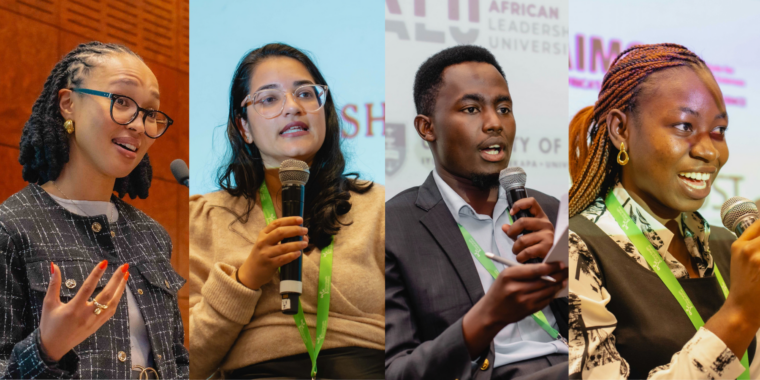
Ubuntu Rising Centres Youth Leadership, Innovation and Employment in Africa’s Health Future
More than 80 young health professionals, innovators and leaders gathered at Ubuntu Rising to advance youth leadership, innovation and employment. Their nine recommendations will inform the Africa Health Collaborative’s Youth Agenda and strengthen pathways for young people across Africa’s health ecosystem.
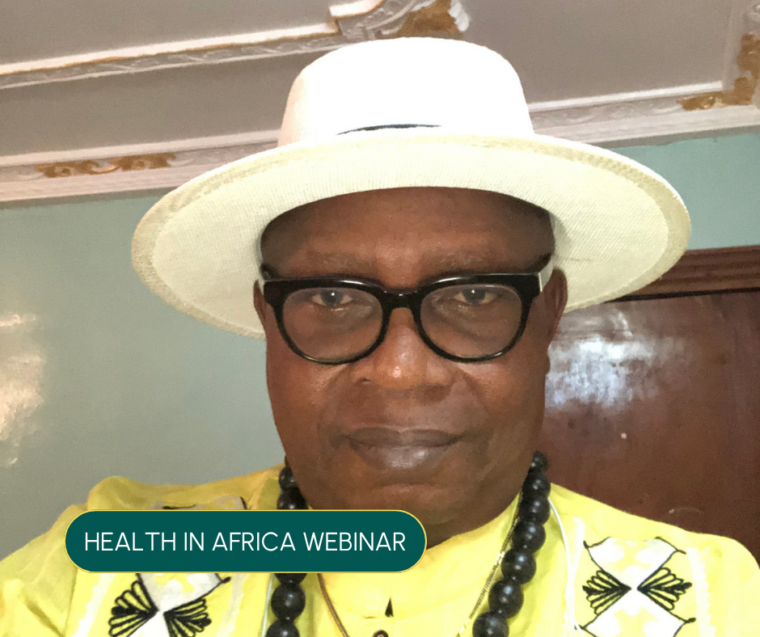
Advancing Health Equity in Africa: How Universities, Civil Society, and Communities Can Strengthen Primary Health Care
In the next HiAS, we explore how governments, universities, civil society and communities can work together to strengthen PHC and advance UHC in Africa, drawing on practical experiences, community engagement and lessons for building more equitable, resilient and people-centred health systems.
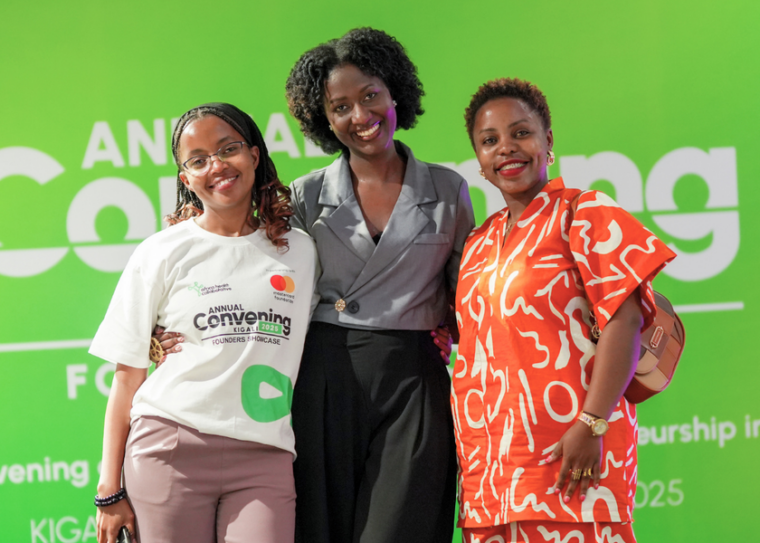
Emerging Leaders’ Day: From Youth Participation to Youth Influence
Emerging Leaders’ Day will bring together young health leaders from across Africa to build leadership skills, strengthen networks, and influence conversations shaping the future of health systems.
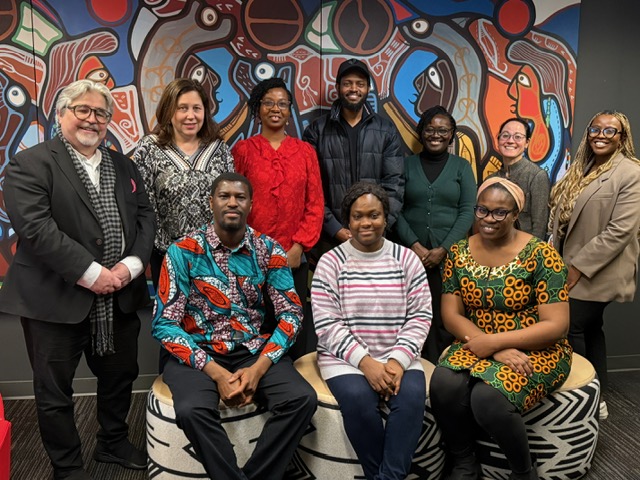
2027-2028 Doctor of Public Health Scholarships Open
We are pleased to announce the start of the 2027-2028 Mastercard Foundation graduate scholarship recruitment at the University of Toronto. This doctoral scholarship opportunity is open to recent alumni and graduating students at our Africa Health Collaborative partner universities. These graduate scholarships will be awarded to individuals who have demonstrated academic excellence in associated health-related disciplines […]
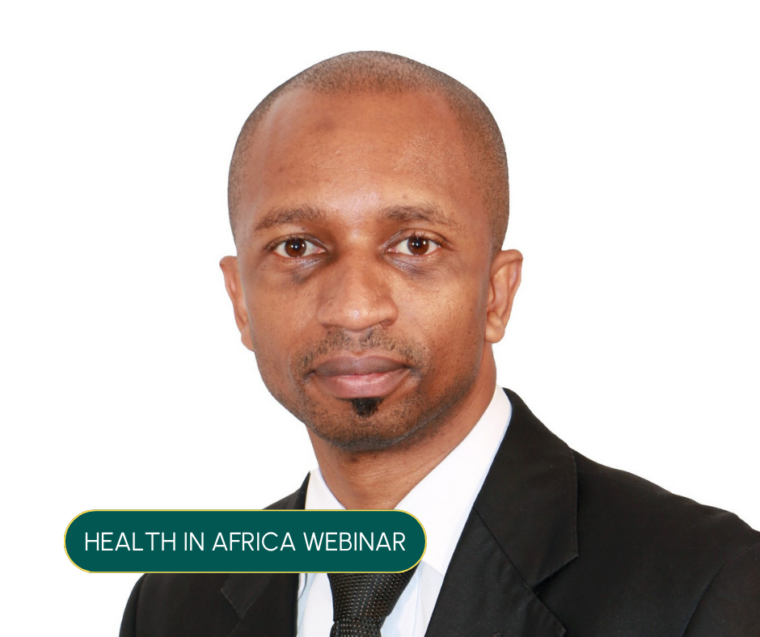
Health Innovation as a Pathway to Africa’s Health Sovereignty
Join the next HiAS as Dr. Robert Karanja explores how talent, research, investment, policy, and partnerships can unlock Africa’s potential in digital health, biotechnology, and deep-tech innovation.

Apply for Research Seed Grants from Moi University and the University of Toronto
Apply for the Research Seed Grants by Moi University and the University of Toronto. Eligible researchers can receive up to CAD $5,000 in seed funding to strengthen research capacity, generate new knowledge, and foster long-term institutional collaborations.
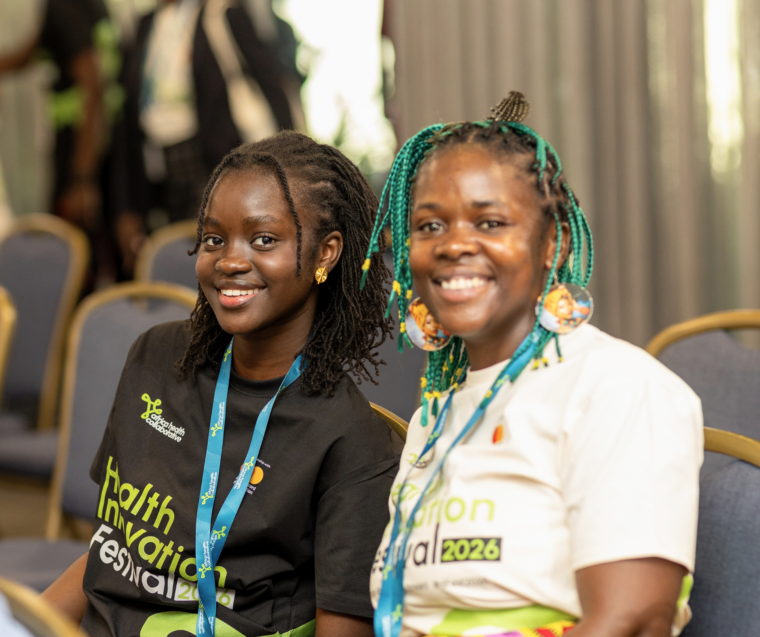
Ubuntu Rising: A Youth Leadership Summit for Africa’s Health Future
Ahead of the 18th World Congress on Public Health, Ubuntu Rising will bring together young African health leaders, innovators, and changemakers to co-create a shared agenda for youth leadership, employment, and innovation in health across the continent.
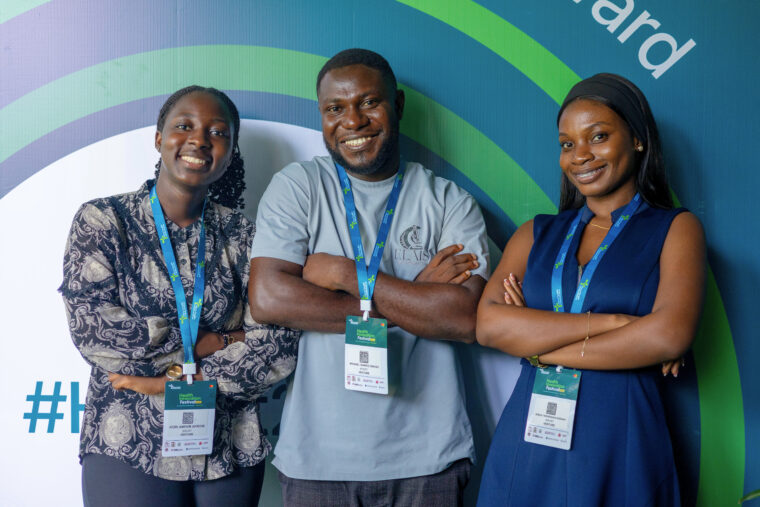
Young Leaders Redefining What Health Work in Africa Means
This International Youth Day, read about how the AHC’s young leaders are challenging traditional ideas and reimagining health work, strengthening health systems, and building the future of healthcare across Africa.