
- Nine recommendations across leadership, innovation and employment emerged from over 80 young people at the first ever Ubuntu Rising
Ahead of the 18th World Congress on Public Health in Cape Town, South Africa, the Africa Health Collaborative (AHC) and the University of Cape Town (UCT), in partnership with the Mastercard Foundation, convened over 80 young health professionals, researchers, innovators, entrepreneurs, higher education leaders and partners for Ubuntu Rising. The event created space for young people to directly shape youth leadership, employment, and innovation in health.
Recognizing young people as key drivers of Africa’s health systems, participants put forward nine actionable recommendations to expand youth leadership, innovation and employment opportunities.
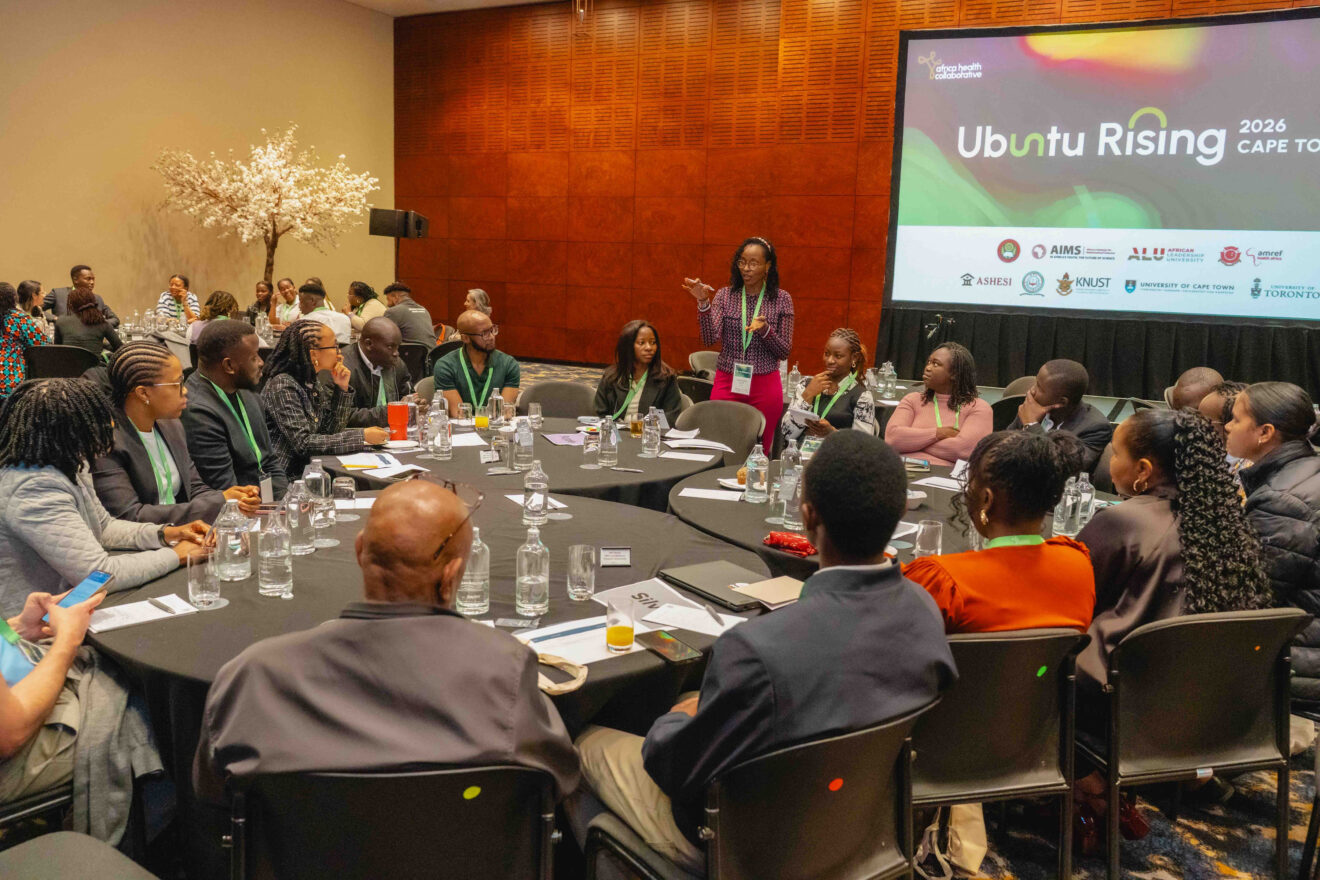
Leadership, Innovation and Employment at the Centre
The working sessions focused on three interconnected themes: leadership, innovation and employment in health.
The discussions took place against a striking employment and health workforce paradox. Figures from the Mastercard Foundation’s Africa Youth Employment Outlook 2026, cited by Prof. Brandon Collier-Reed during the event, show that 90% of employed young Africans work in the informal economy, while only 10% of youth jobs are formal. 34% of employed young Africans live in households below the $2.15-a-day poverty line, and just 9% have completed tertiary education.
In health, the gap is equally significant. According to the WHO Regional Office for Africa’s Health Workforce Reports 2024 and 2025, also cited during Ubuntu Rising, Africa faces a shortage of 5.5 million health workers, while nearly one million trained health professionals are without meaningful work.
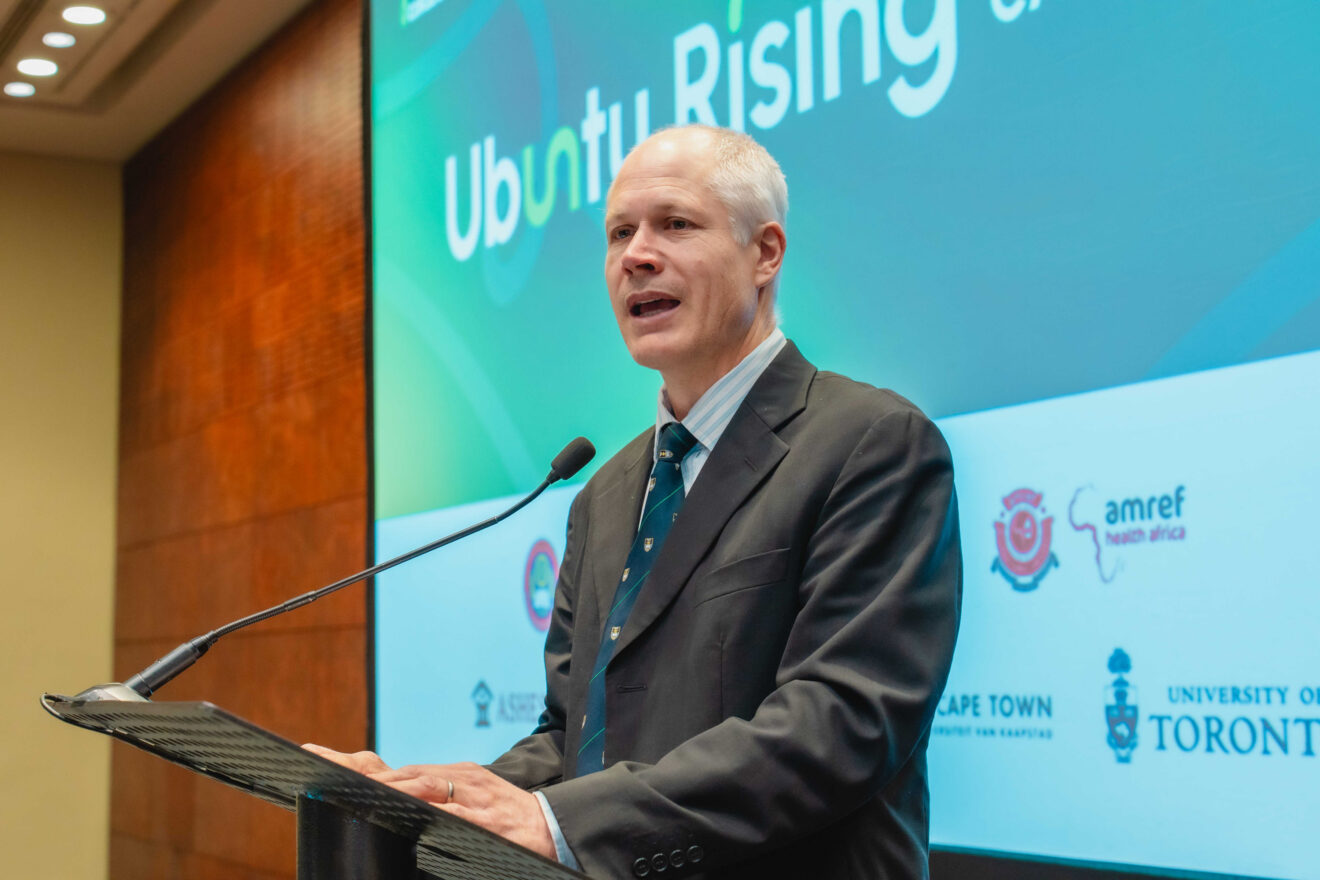
For Prof. Brandon Collier-Reed, Deputy Vice-Chancellor for Teaching and Learning at the University of Cape Town, this disconnect calls for a broader measure of progress:
Employment, on its own, is not the goal we should be measuring ourselves against. The question before us is not whether young Africans are working. It is whether the systems we have are working for them.
Prof. Brandon Collier-Reed
From Participation to Influence
In her keynote address, Dr. Nathina Pakade, Public Health Medicine Registrar at the University of Cape Town and the Western Cape Department of Health and Wellness, reflected on the importance of building pathways that help young people move from potential to influence. She highlighted that meaningful participation is not simply about being present in the room, but about shaping what happens within it and creating systems where young people can enter, contribute, progress and lead.
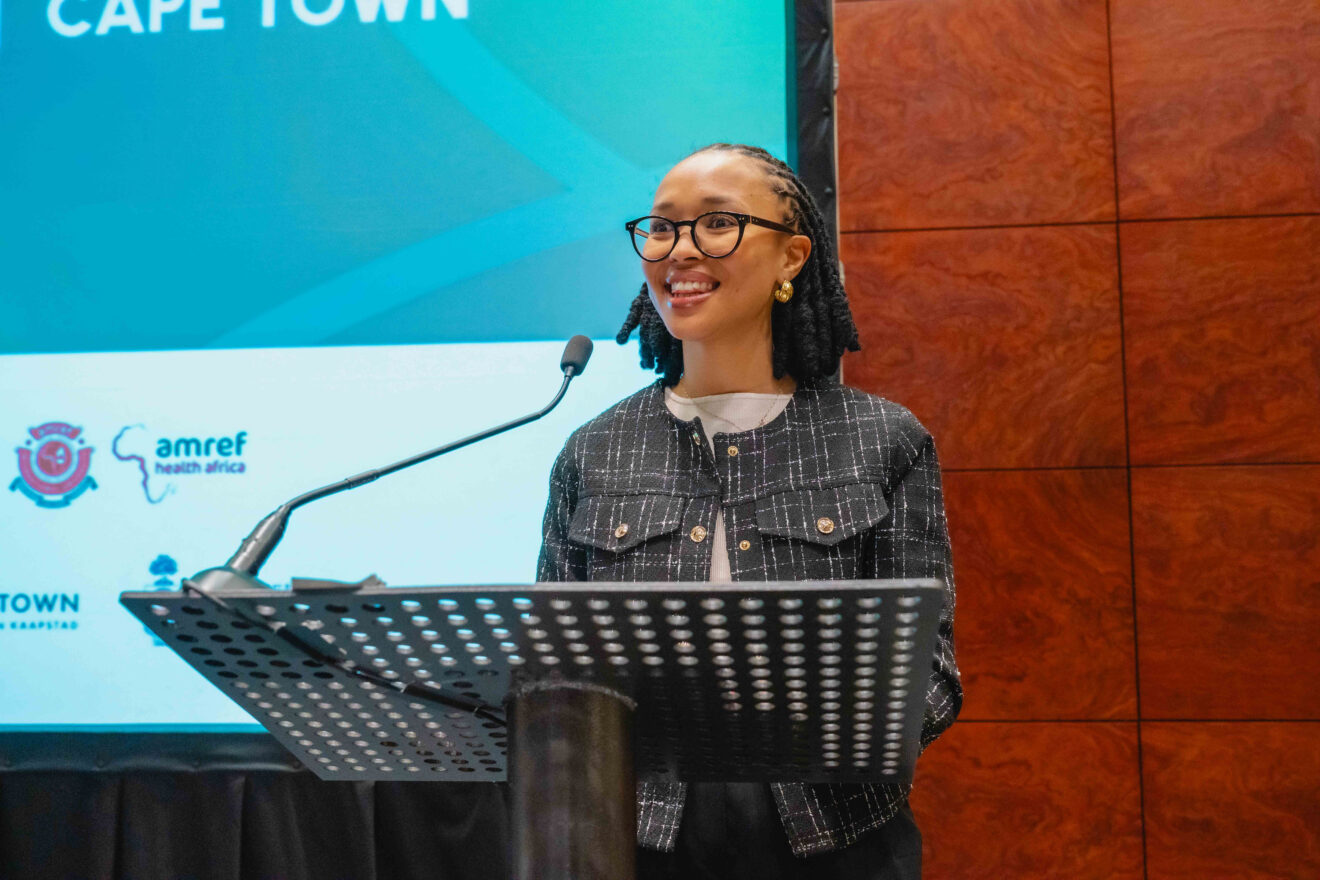
…the future of African youth in global health… is about creating systems where young people can enter, learn, contribute, progress and lead. It is about moving young people from holders of potential to instruments of influence.
Dr. Nathina Pakade
Nine Recommendations for AHC’s Youth Agenda
Through collaborative discussions, participants developed nine recommendations to inform AHC’s future work on youth leadership, innovation and employment in health. These are:
Leadership:
- Build stronger connections to health policy and systems: Create learning and networking spaces that enable young people with technical expertise to better understand health policy and how health systems operate.
- Measure influence, not only participation: Assess youth leadership through its influence and system-level outcomes, rather than simply counting the number of young people trained or involved.
- Create institutions where young people can lead: Build institutional environments that nurture young leadership and give young people meaningful opportunities to contribute to decision-making.
Innovation:
- Embed innovation and entrepreneurship in education: Integrate leadership, problem-solving and entrepreneurship capabilities into existing higher education and training programmes rather than treating entrepreneurship as a standalone intervention.
- Build young innovators’ capacity: Develop structured capacity-building frameworks that equip young people to turn ideas into viable health innovations and entrepreneurial solutions.
- Open access to expertise and existing infrastructure: Connect young innovators to cross-disciplinary expertise and existing innovation infrastructure instead of creating disconnected structures.
Employment:
- Make skills more transferable across Africa: Harmonize curricula across the continent to support employment opportunities that cross borders.
- Create stronger pathways into dignified health employment: Advance policies that expand employment pathways, including paid and dignified health workforce internships, while strengthening young people’s participation in health policy and decision-making.
- Connect training to entrepreneurship and community needs: Embed entrepreneurship and a stronger understanding of community needs into curricula and training systems.
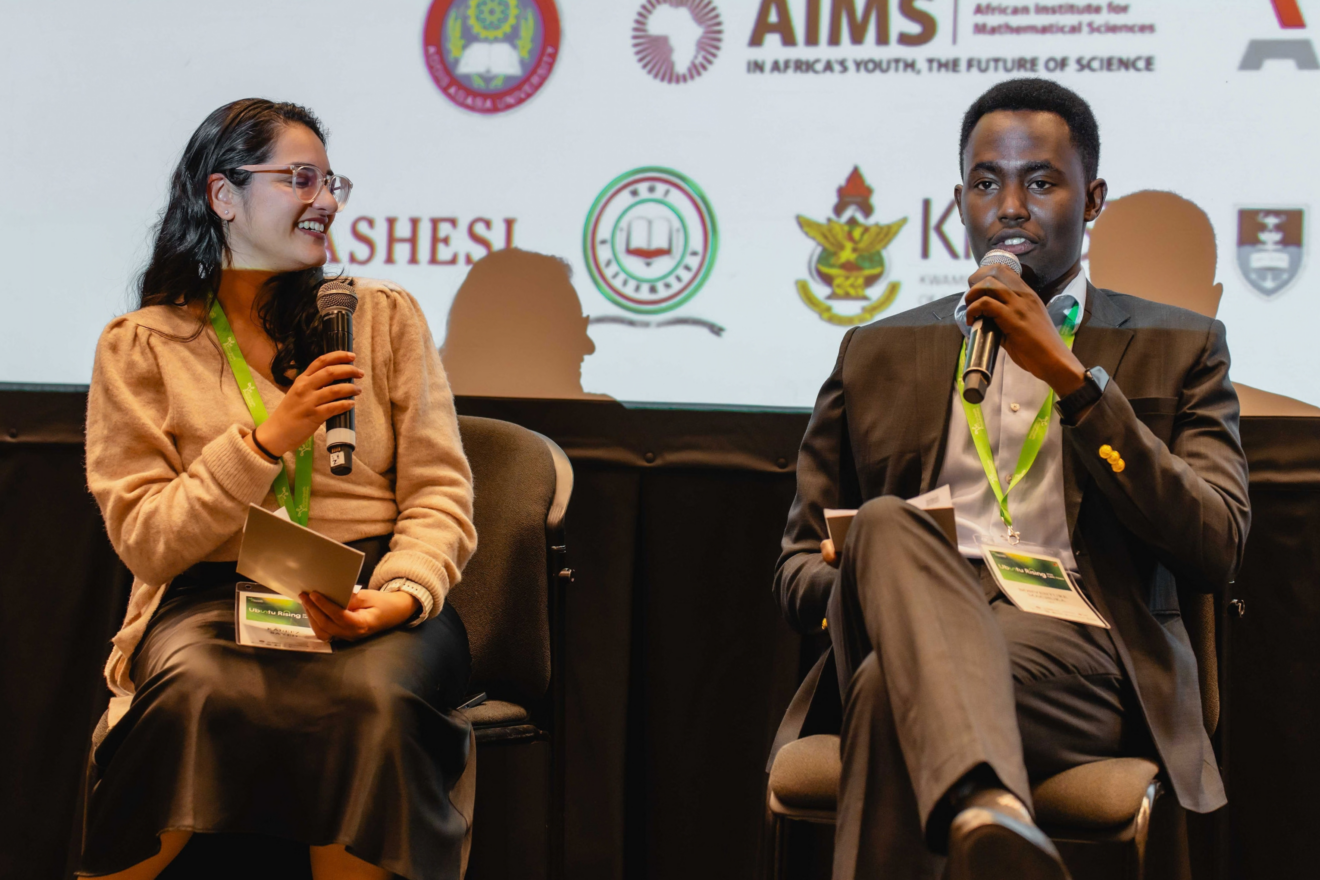
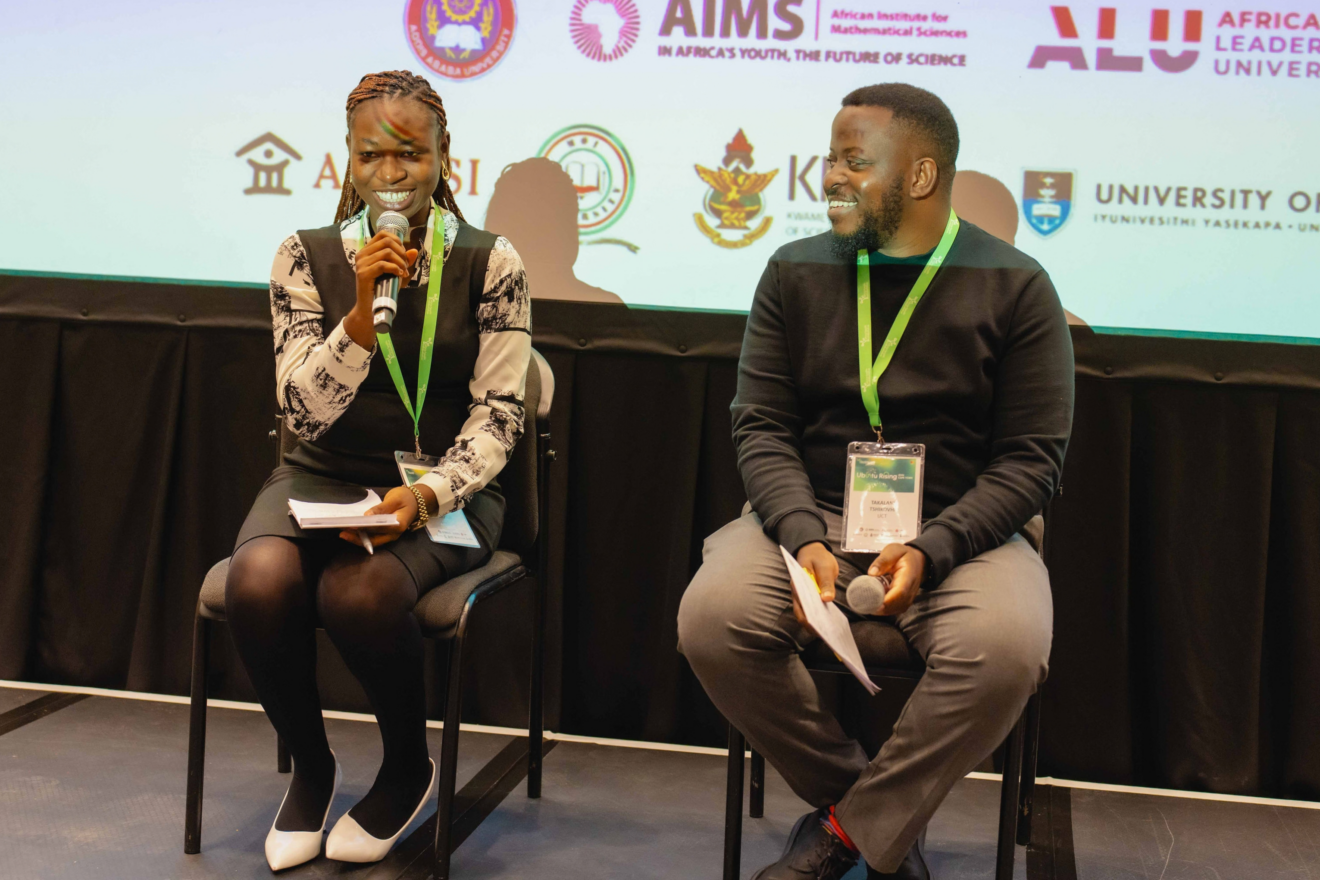
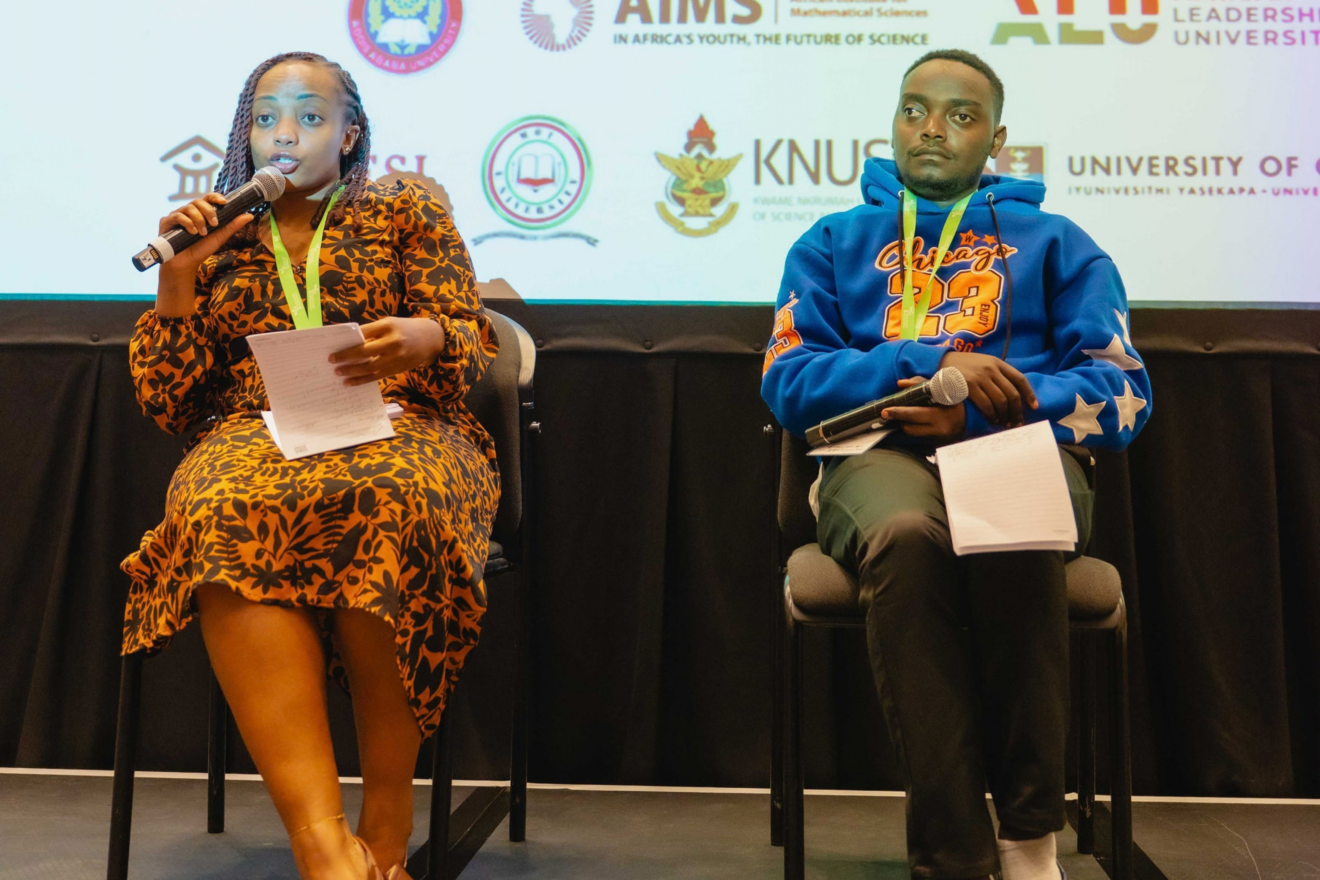
Participants also identified practical actions and opportunities for continued collaboration beyond Ubuntu Rising, providing a basis for translating the recommendations into action.
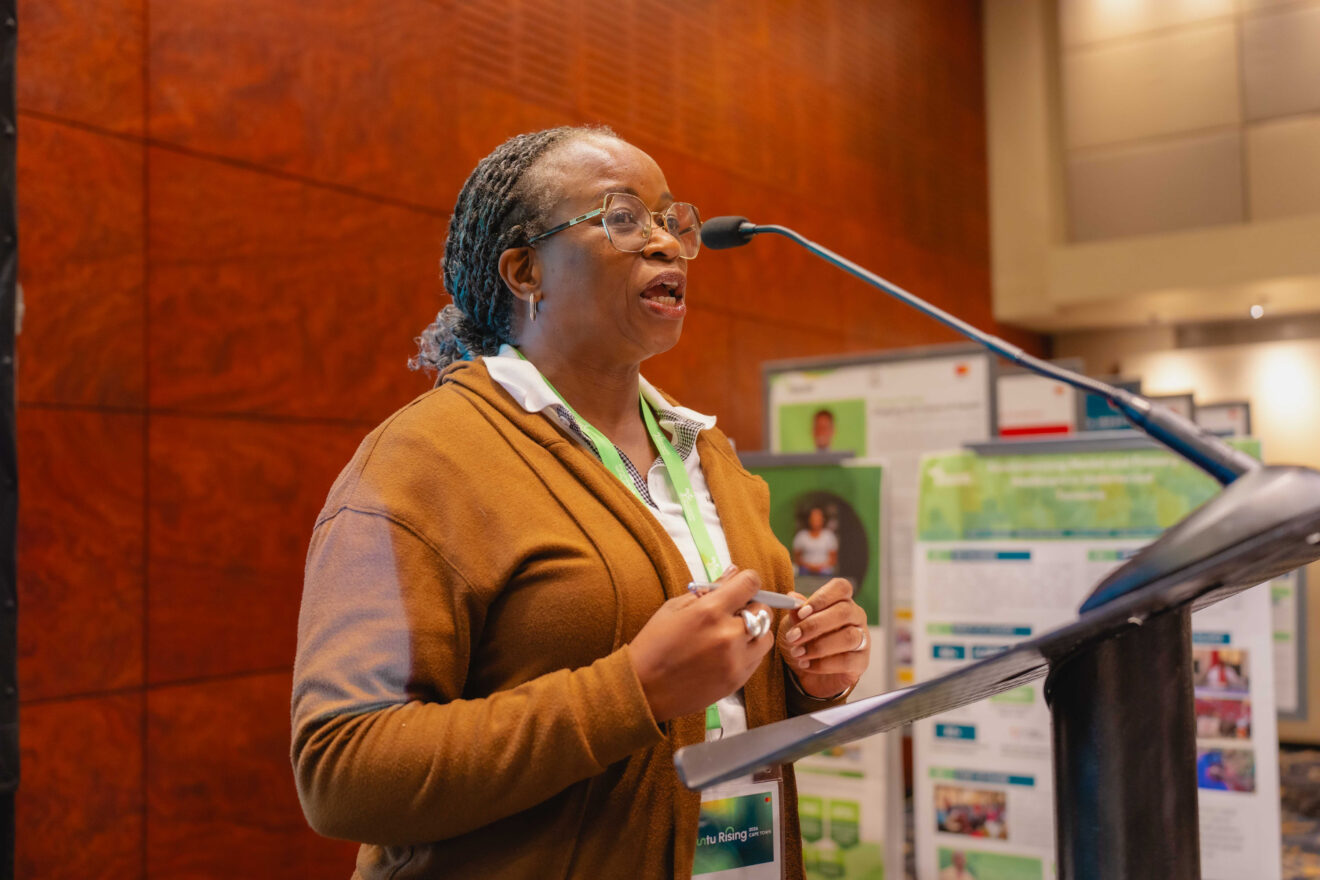
As host of the event, Prof. Tracey Naledi, Deputy Dean for Social Accountability and Health Systems at the University of Cape Town, reinforced AHC’s commitment to working with young people as co-creators in shaping Africa’s health future. She emphasized that the Collaborative seeks to move beyond consultation by creating opportunities for young people to increasingly take the lead in shaping solutions.
In the Africa Health Collaborative, we are committed to ensuring that everything that we do, we do with young people, informed by young people. It’s more than just participation, more than consultation; it’s about co-creation of the future that we all want to see.
What is next?
The nine recommendations developed at Ubuntu Rising will now feed into the Africa Health Collaborative’s Youth Agenda, helping to ensure that young people’s perspectives inform the Collaborative’s programmes, partnerships and engagement with the wider health ecosystem.
Elevating Youth Innovations at WCPH 2026
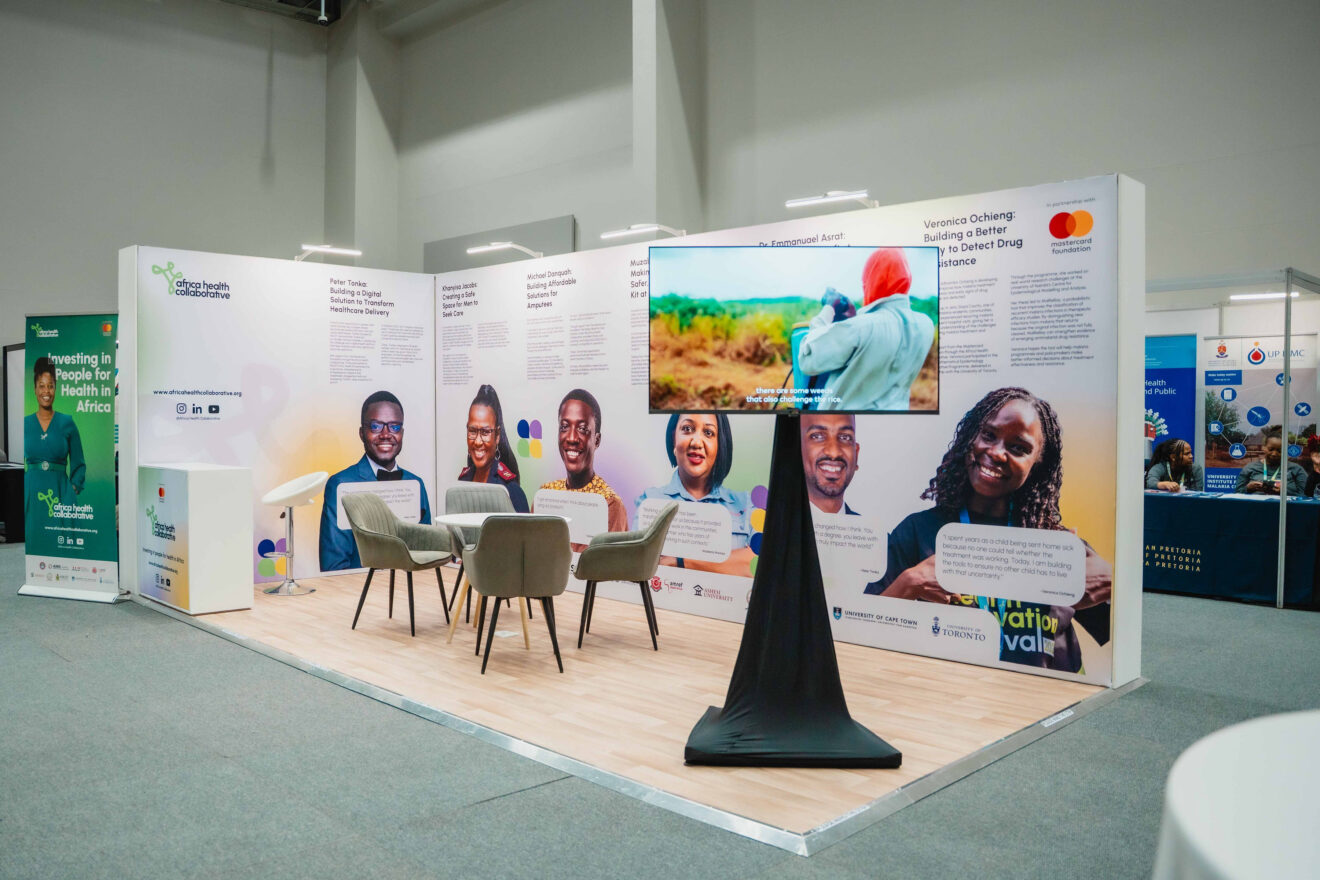
Carrying the energy of Ubuntu Rising into the 18th World Congress on Public Health, the Africa Health Collaborative’s exhibition brought that vision to life—offering a collaborative space for young Africans to connect, build solutions, and access networks that scale their impact in health.
Visitors to the AHC booth engaged with four innovators: Nomahlubi Nompunga, who showcased Foi Science‘s health and skincare products; Katlego Motlogelwa, whose Connctd platform offers digital mental health and wellness support; Zacharia Mashishi, founder of Chief Ralekhudu Ventures, which repairs, services and manufactures assistive devices while supporting economic opportunities for people with disabilities; and Chris Meunier of Vas MedTech, which is working to improve uterine health care for women.
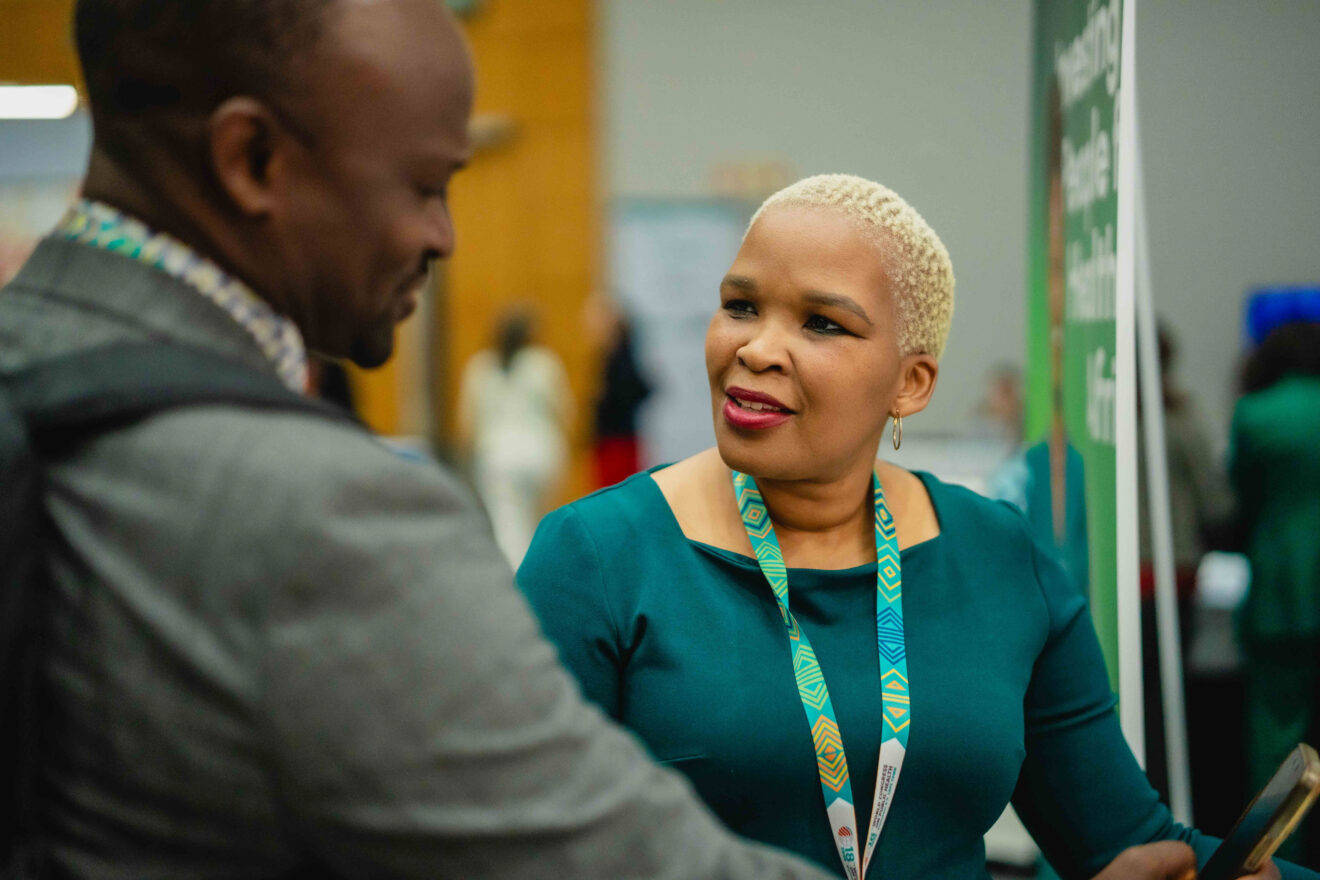
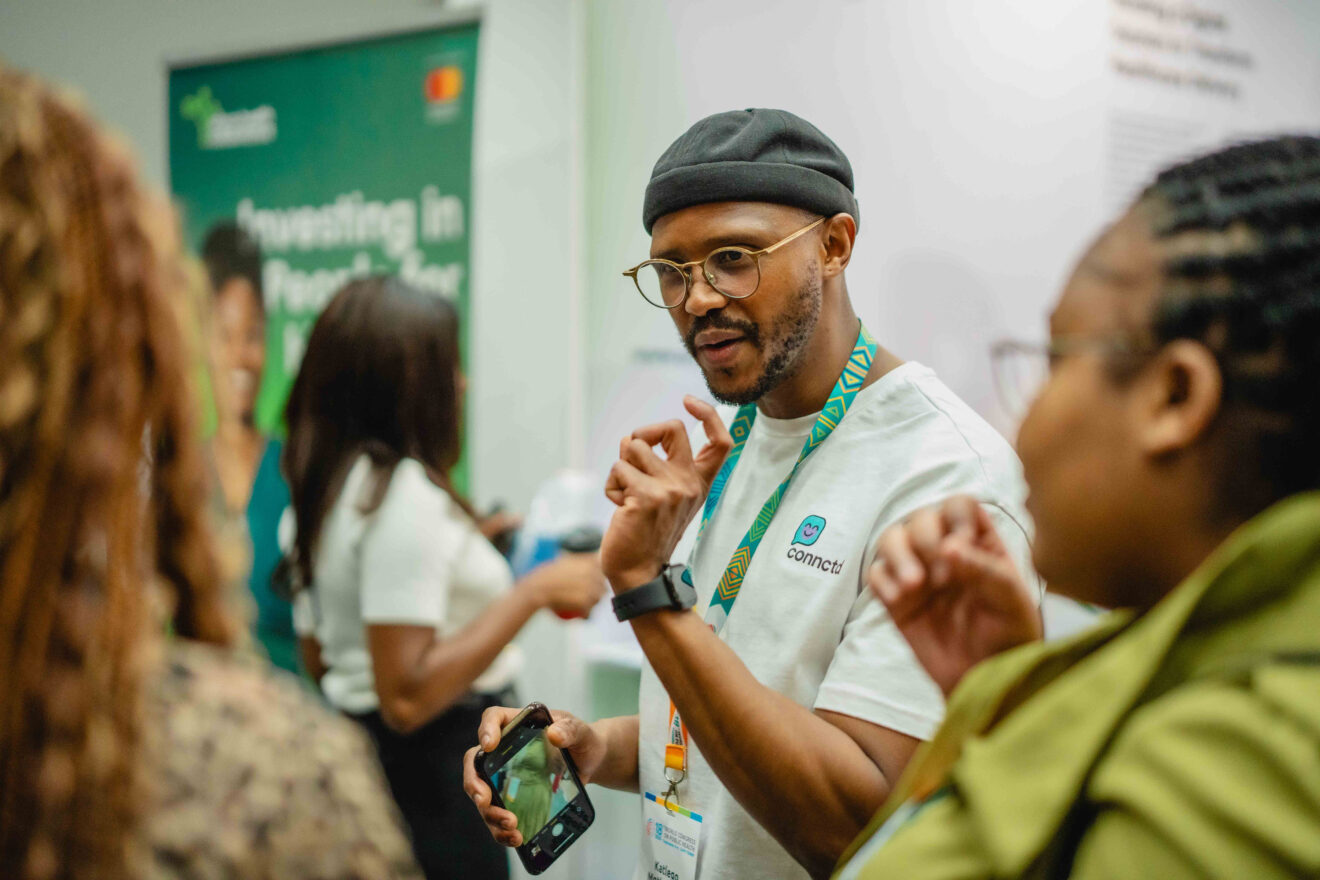
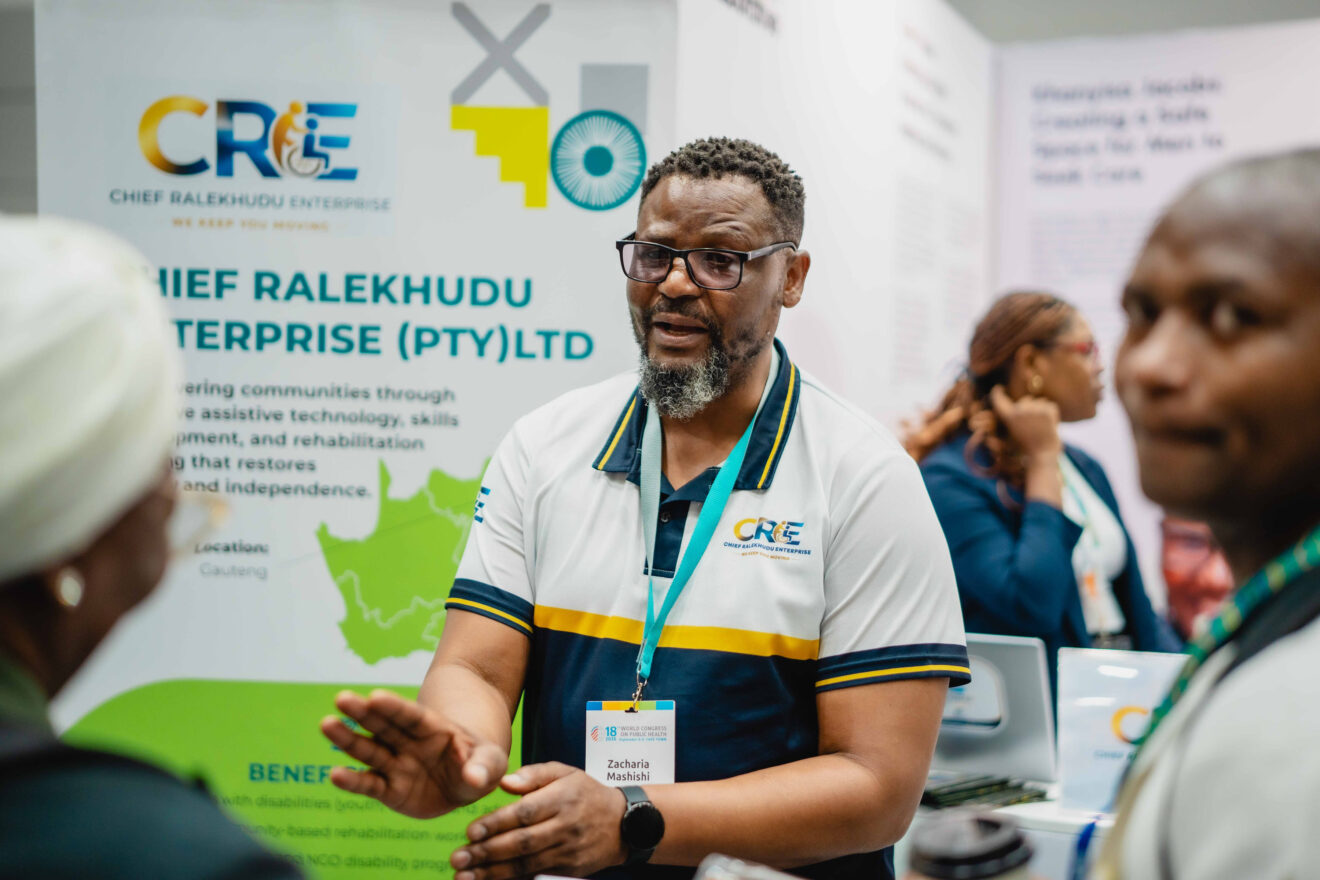
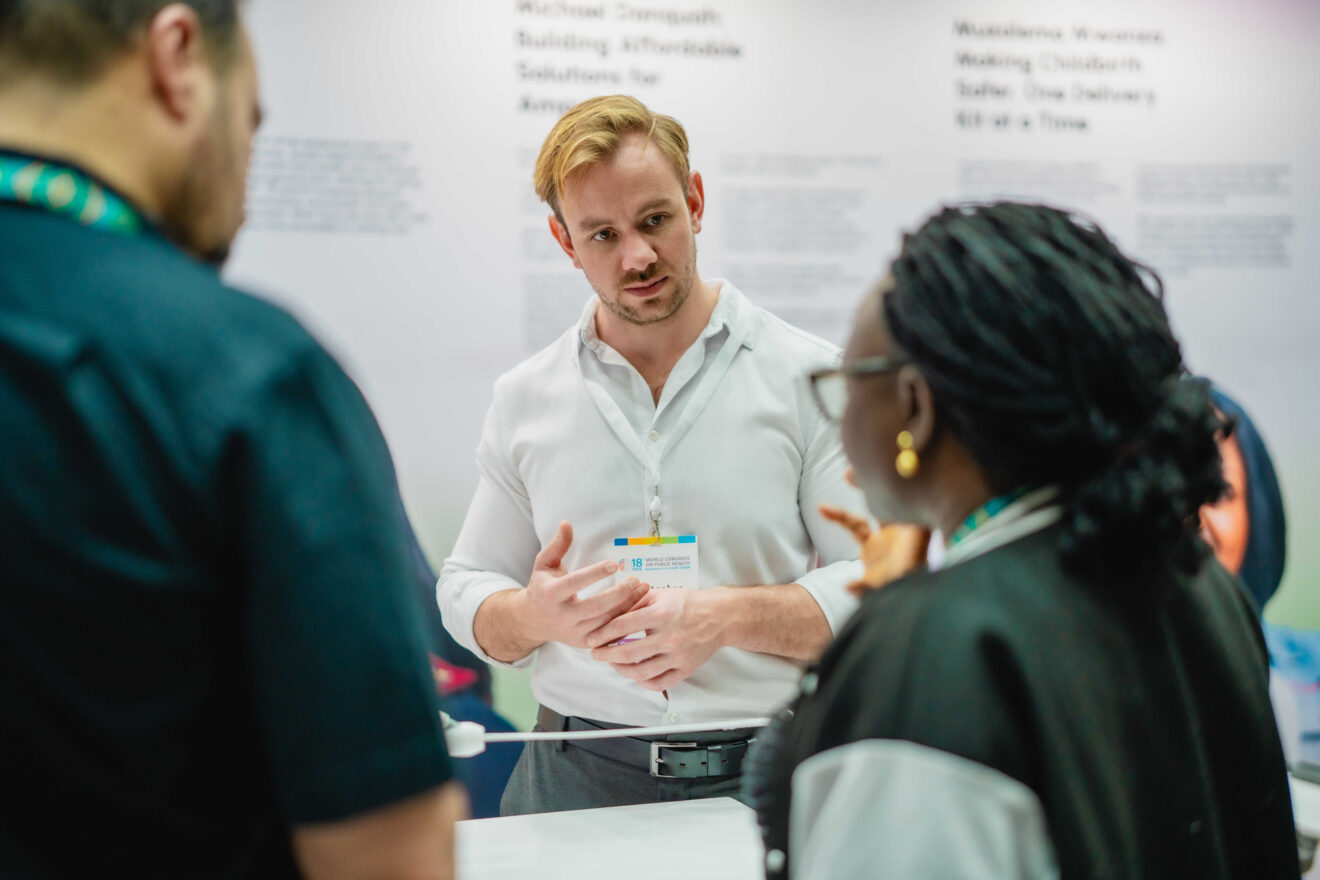
Alongside interactive demonstrations, the AHC booth featured a story wall highlighting six changemakers across the Collaborative’s network whose work addresses critical health and livelihood priorities:
- Veronica Ochieng: Developing MalReBay to strengthen the detection of antimalarial drug resistance.
- Michael Danquah: Building Ozone Prosthetics, leveraging 3D printing and robotics for low-cost prosthetic solutions.
- Peter Tonka: Building Tonitel, a digital health platform designed to streamline and digitize facility operations.
- Dr. Emmanuel Asrat Mekuria: Established Ethiopia’s first geriatric one-stop integrated clinic.
- Khanyisa Jacobs: Creating a safe space for men to seek health services early in South Africa
- Muzalema Mwanza: Advancing safe childbirth in Zambia with affordable birth kits.
Join us at the Africa Health Collaborative Annual Convening 2026 to continue the next phase of advancing young people’s role in Africa’s health future.
More News & Events
Skip scroller content
Beyond the Agenda: Bringing Mental Health and Well-being into the 2026 AHC Annual Convening
At the 2026 Africa Health Collaborative Annual Convening, mental health and well-being move beyond discussion into practice. Through quiet spaces, art therapy, movement, and youth-led innovation, AHC is creating a convening experience that supports meaningful participation, connection, leadership, and lasting impact.
Meet the Ventures Showcasing at the 2026 Africa Health Collaborative Annual Convening
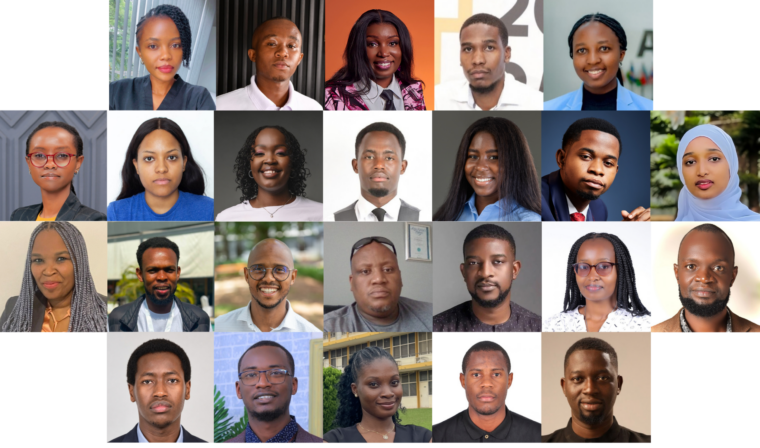
These ventures advancing primary healthcare, entrepreneurship and health systems strengthening across Africa will showcase their innovations at the 2026 Annual AHC Convening.

From Clinic to Country: Building Ethiopia’s First Integrated Model for Older Adult Health
What began with one doctor questioning fragmented care for older adults has grown into a pioneering model for Ethiopia. With leadership skills strengthened through the IMIx Certificate, Dr. Asrat built an integrated clinic now informing the country’s healthy aging efforts.

Apply for the Fully-Funded Healthy Futures South Africa (HFSA) PhD Fellowship Programme
This four-year programme supports emerging African health researchers and leaders to conduct community-focused research, strengthen health systems, and translate evidence into meaningful policy impact.
Advancing Health Equity in Africa: How Universities, Civil Society, and Communities Can Strengthen Primary Health Care
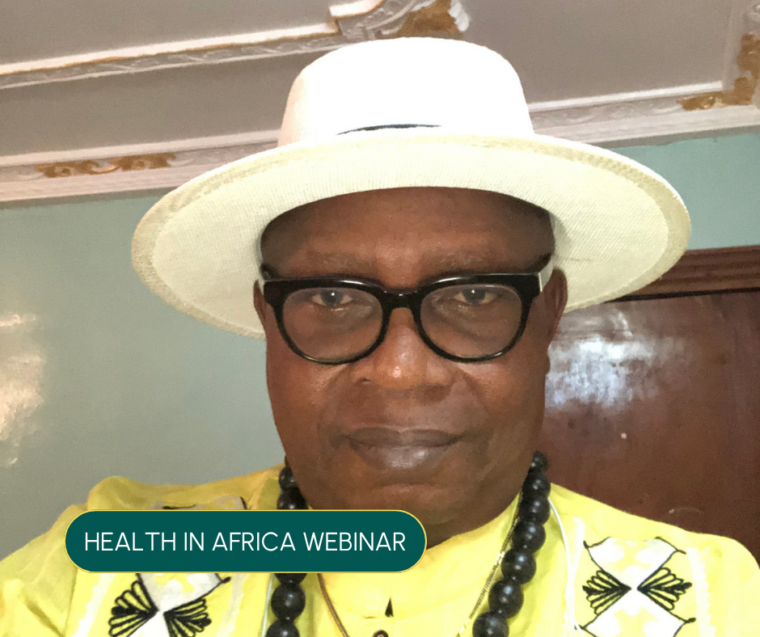
In the next HiAS, we explore how governments, universities, civil society and communities can work together to strengthen PHC and advance UHC in Africa, drawing on practical experiences, community engagement and lessons for building more equitable, resilient and people-centred health systems.

Emerging Leaders’ Day: From Youth Participation to Youth Influence
Emerging Leaders’ Day will bring together young health leaders from across Africa to build leadership skills, strengthen networks, and influence conversations shaping the future of health systems.
Leading Change Through Lived Experience
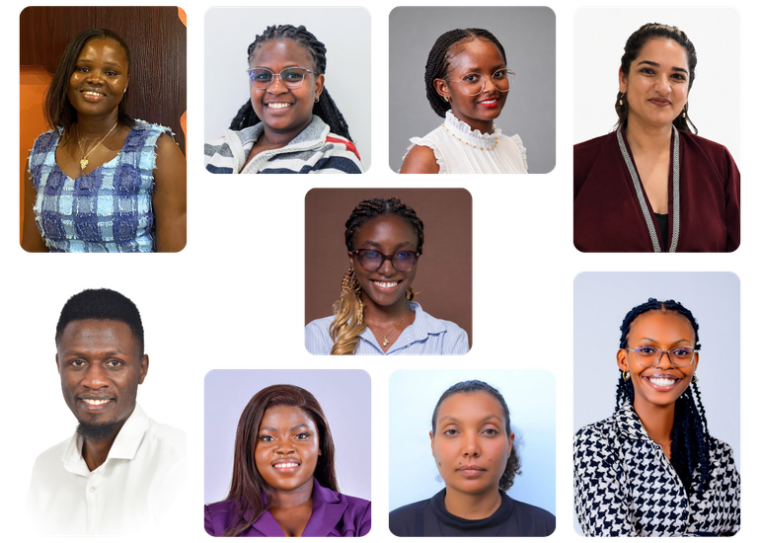
Across Africa, an emerging generation of health leaders is transforming personal challenges into powerful innovations. Through the AHC’s Young Leaders Committee, young researchers, entrepreneurs, technologists, and advocates are drawing on lived experiences with illness, caregiving, mental health, and healthcare inequities to design solutions that strengthen health systems and expand access to care.
2027-2028 Doctor of Public Health Scholarships Open
We are pleased to announce the start of the 2027-2028 Mastercard Foundation graduate scholarship recruitment at the University of Toronto. This doctoral scholarship opportunity is open to recent alumni and graduating students at our Africa Health Collaborative partner universities. These graduate scholarships will be awarded to individuals who have demonstrated academic excellence in associated health-related disciplines […]
Health Innovation as a Pathway to Africa’s Health Sovereignty
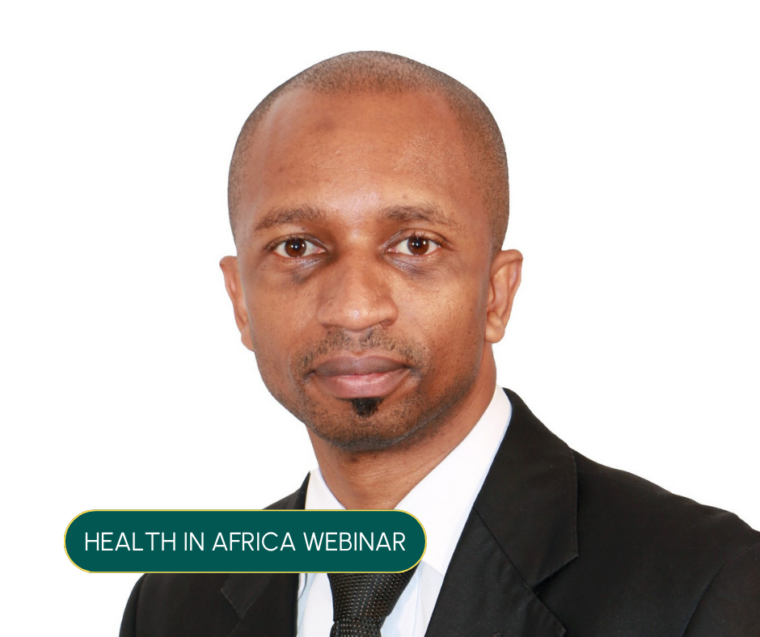
Join the next HiAS as Dr. Robert Karanja explores how talent, research, investment, policy, and partnerships can unlock Africa’s potential in digital health, biotechnology, and deep-tech innovation.

Apply for Research Seed Grants from Moi University and the University of Toronto
Apply for the Research Seed Grants by Moi University and the University of Toronto. Eligible researchers can receive up to CAD $5,000 in seed funding to strengthen research capacity, generate new knowledge, and foster long-term institutional collaborations.