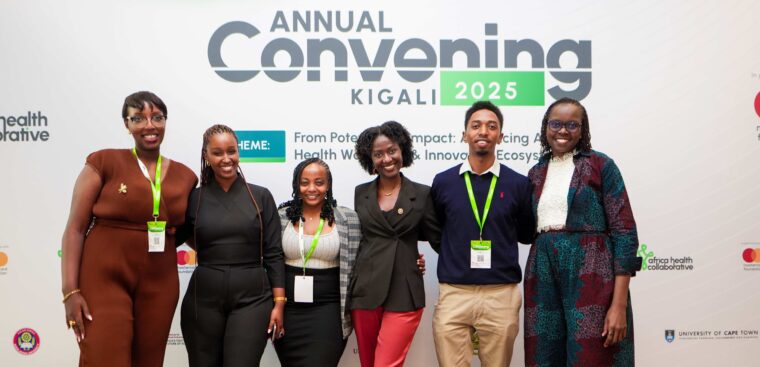
The Africa Health Collaborative’s Young Leaders Committee envisions a health system driven by prevention, data, collaboration, and community—not hospitals alone.
Doctors, nurses, pharmacists, laboratory scientists, among others, have long formed the essential backbone of Africa’s health systems. While these clinical roles remain indispensable, the visionary members of the Africa Health Collaborative’s Young Leaders Committee (YLC) argue that traditional clinical roles no longer capture the full scope of expertise needed today.
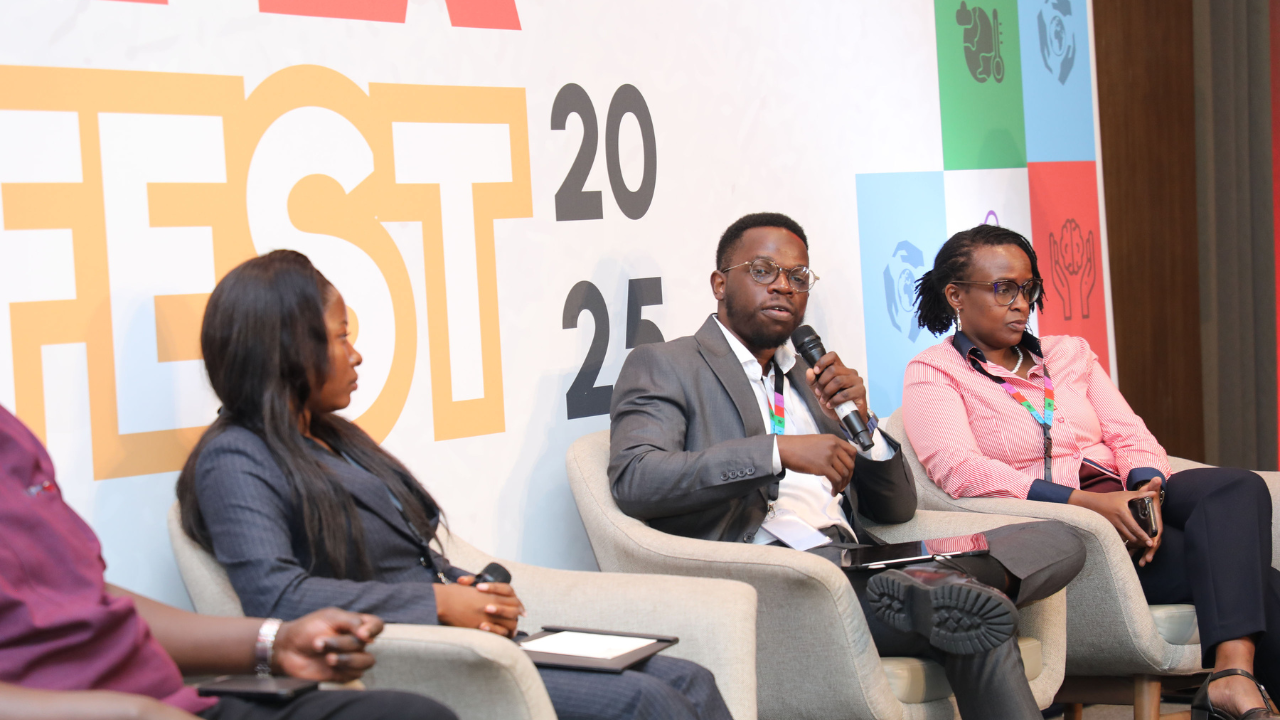
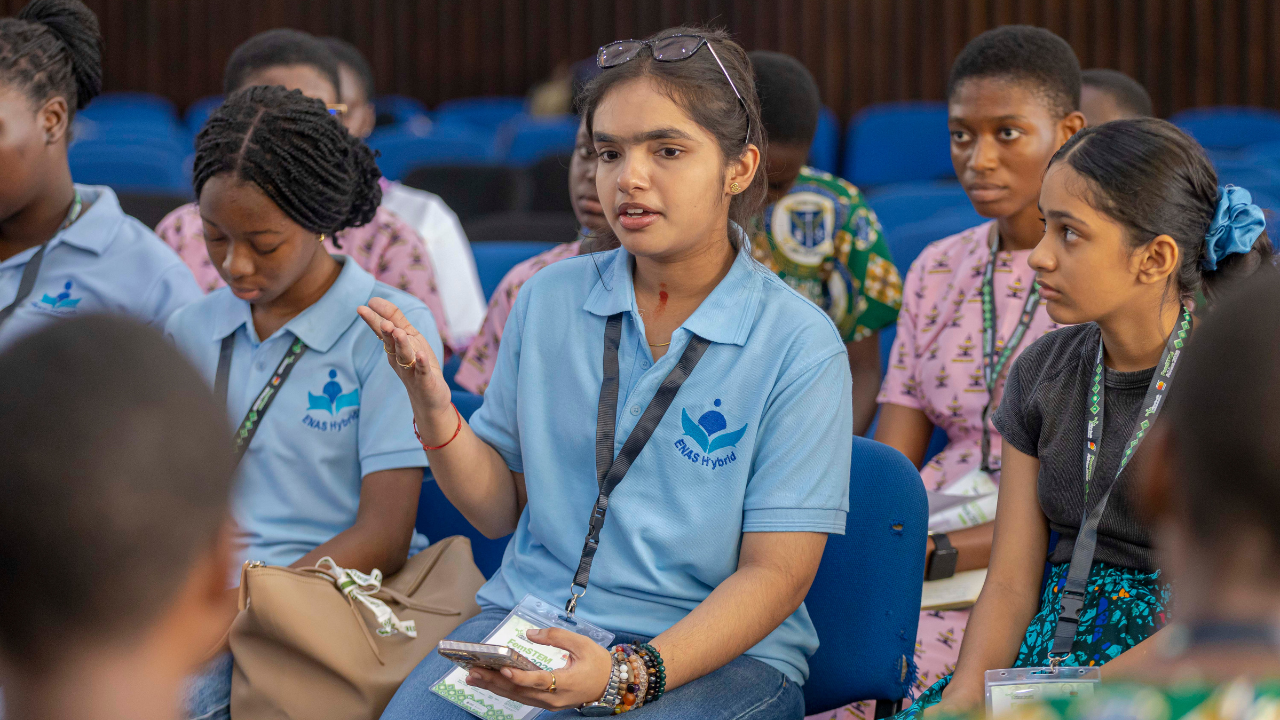
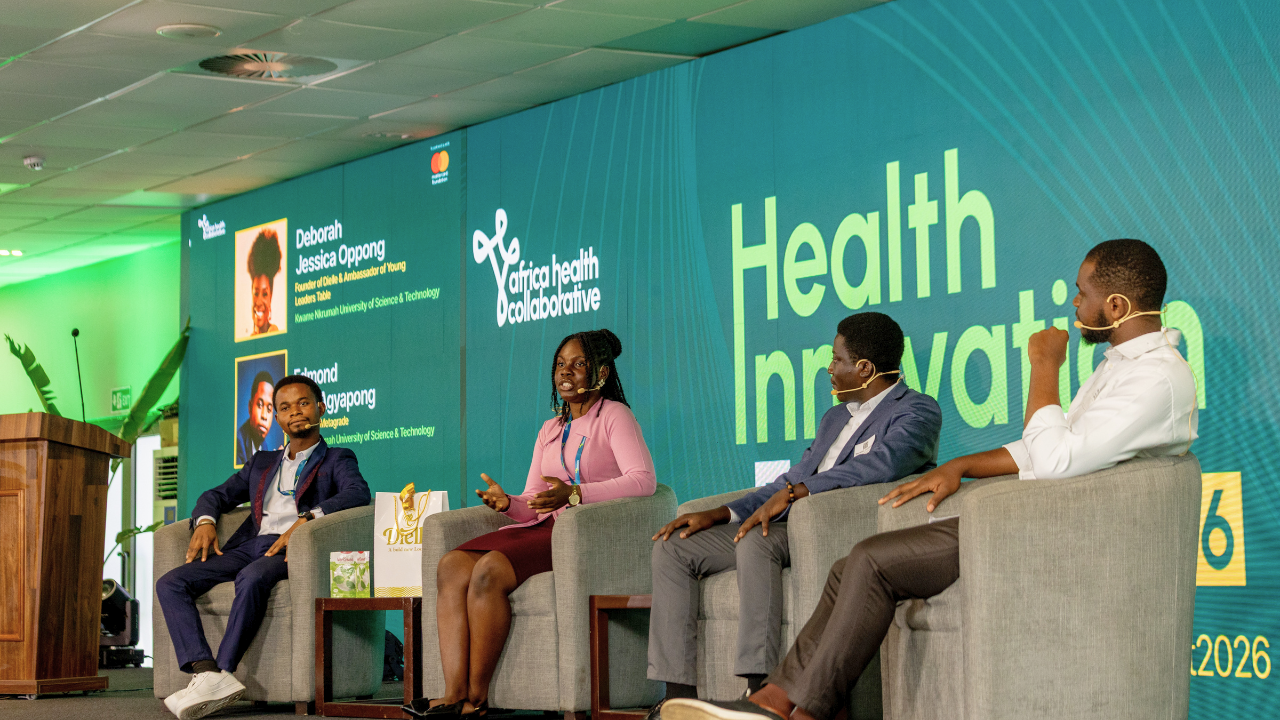
Rather than simply expanding the existing workforce, these young leaders are redefining what health work means, where it takes place, and who delivers it. At the core of their vision and message, the future of health in Africa must be preventive, community-centered, digitally connected, and deeply interdisciplinary. Supported by technology, data, entrepreneurship, and local trust, the health workforce must step up to prevent illness long before it reaches a clinic door.
Complementing the Human ‘Touch’ with Technology and Data
For Kaneez Sayed, a Master of Public Health candidate at the University of Cape Town, digital transformation is not about replacing people with technology. Instead, technology empowers health workers to serve people with greater accuracy, speed, and empathy. She envisions a shift in which digital tools “complement the human relationship at the heart of healthcare” while supporting a broader shift from “reactive treatment towards prevention, primary healthcare, and community wellbeing.” Achieving this, she argues, will require creative financing models and strong, cross-sector partnerships between governments, universities, and local businesses so that innovation expands equitable access for everyone.
Beyond Clinical Roles
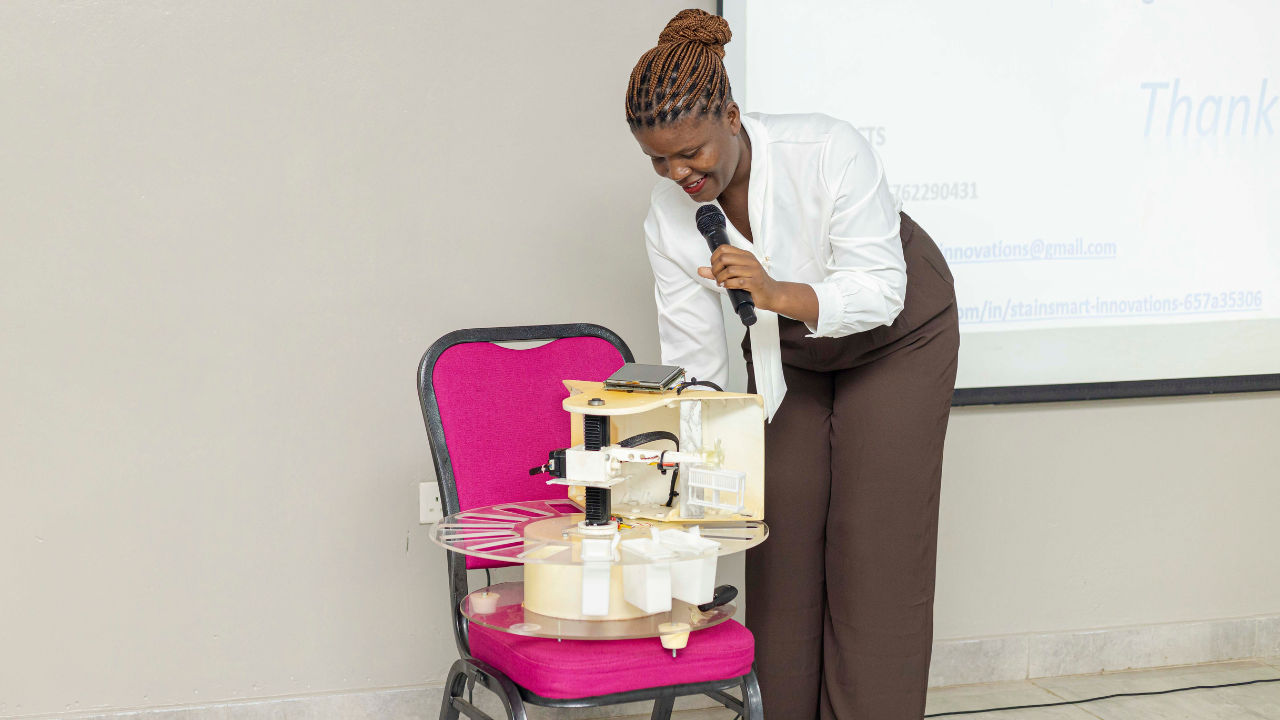
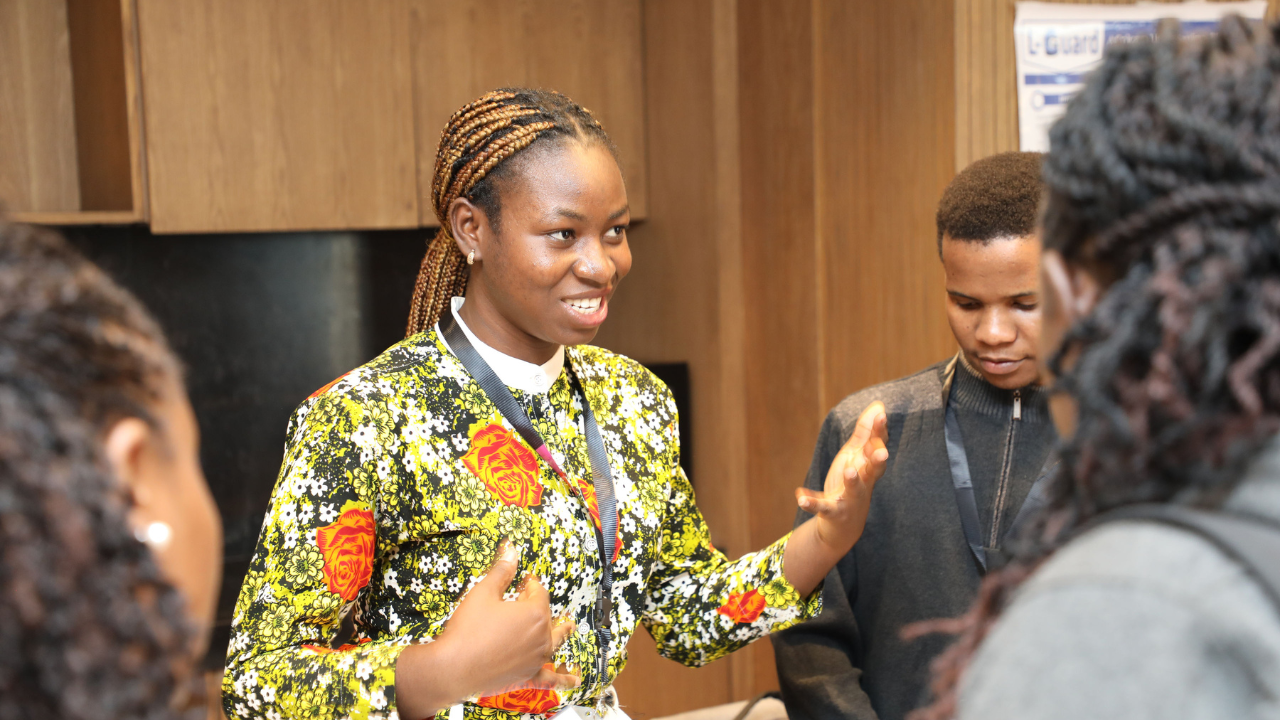
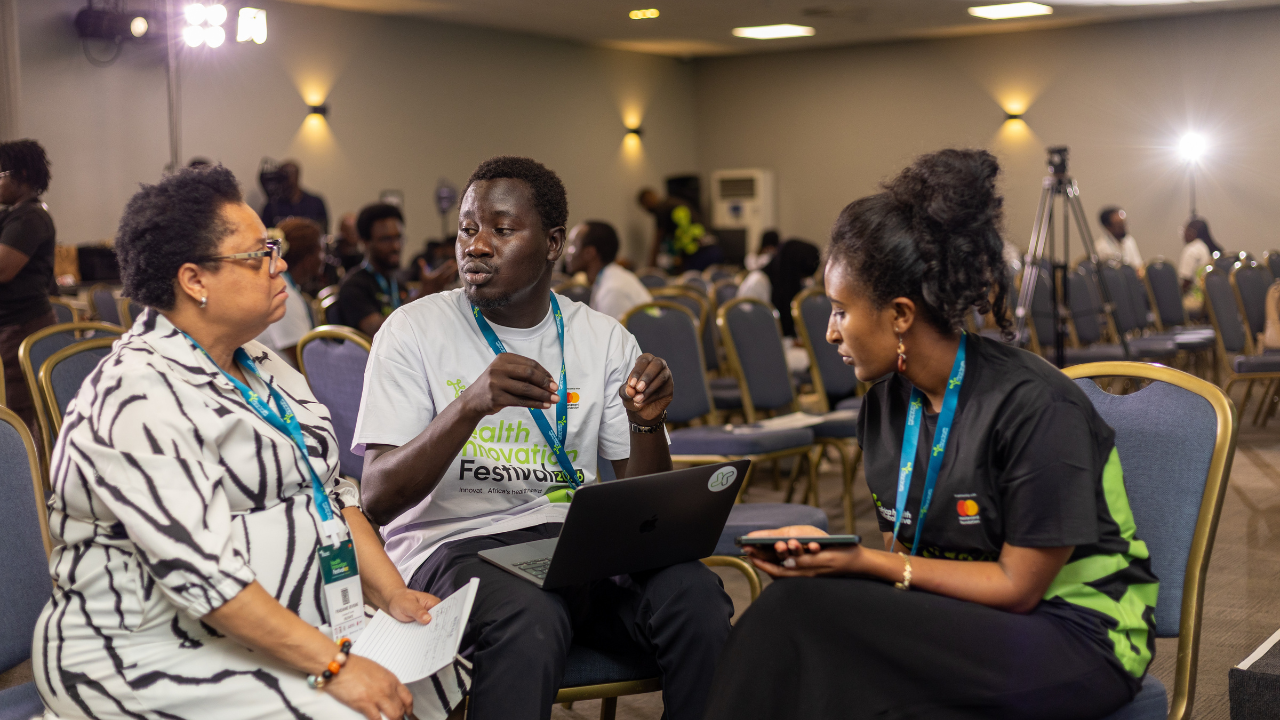
The YLC members consistently challenge the old idea that health work belongs solely inside hospital walls. Instead, they describe a vibrant, interconnected ecosystem where engineers design smart diagnostic tools, software developers launch telehealth platforms, data scientists track health trends, and mental health advocates build local support networks.
Yvonne Ndanu, an entrepreneurship student at Moi University working on biodegradable smart bandages, describes this shift as “tech-enabled, community-centred, and prevention-driven.” In her vision, health work extends beyond hospitals into households and rural communities through “digital technologies, youth-led enterprises, biotechnology, climate-health innovation, and community-based solutions.” The growing diversity of health careers reflects a broader recognition that improving health outcomes depends on much more than clinical care alone.
Connected, Interoperable Health Systems
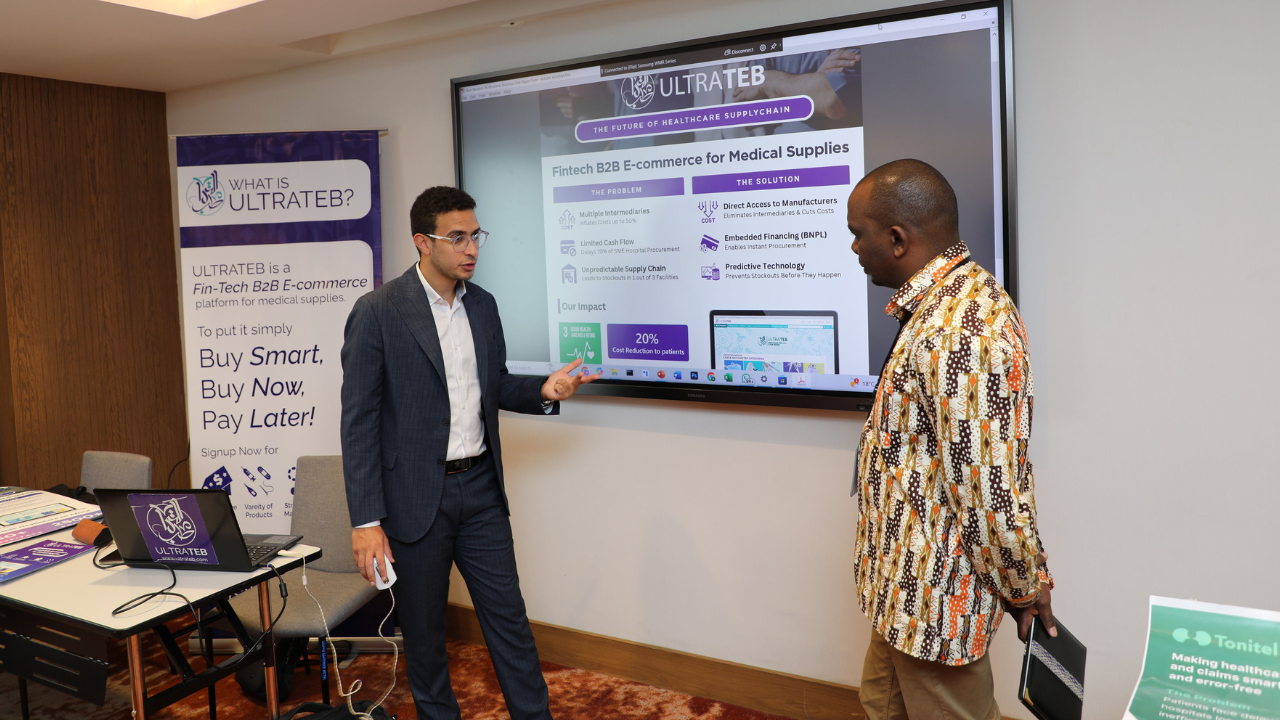
While digital innovation is a standout feature of this new approach, young leaders treat technology as a powerful bridge rather than an end in itself. John Nyagaka, Chairperson of the Young Leaders Committee and a Master of Health Informatics graduate from the University of Toronto, envisions seamlessly connected systems. John imagines a continent where “rural nurses in Kenya share real-time data with analysts in Addis Ababa, Lagos, and Cape Town.” This level of digital connectivity enables proactive disease tracking, rapid emergency responses, and improved management of non-communicable diseases across borders. In John’s vision, health data moves as freely as health challenges do, empowering countries to protect lives collaboratively.
Modelling for Prevention
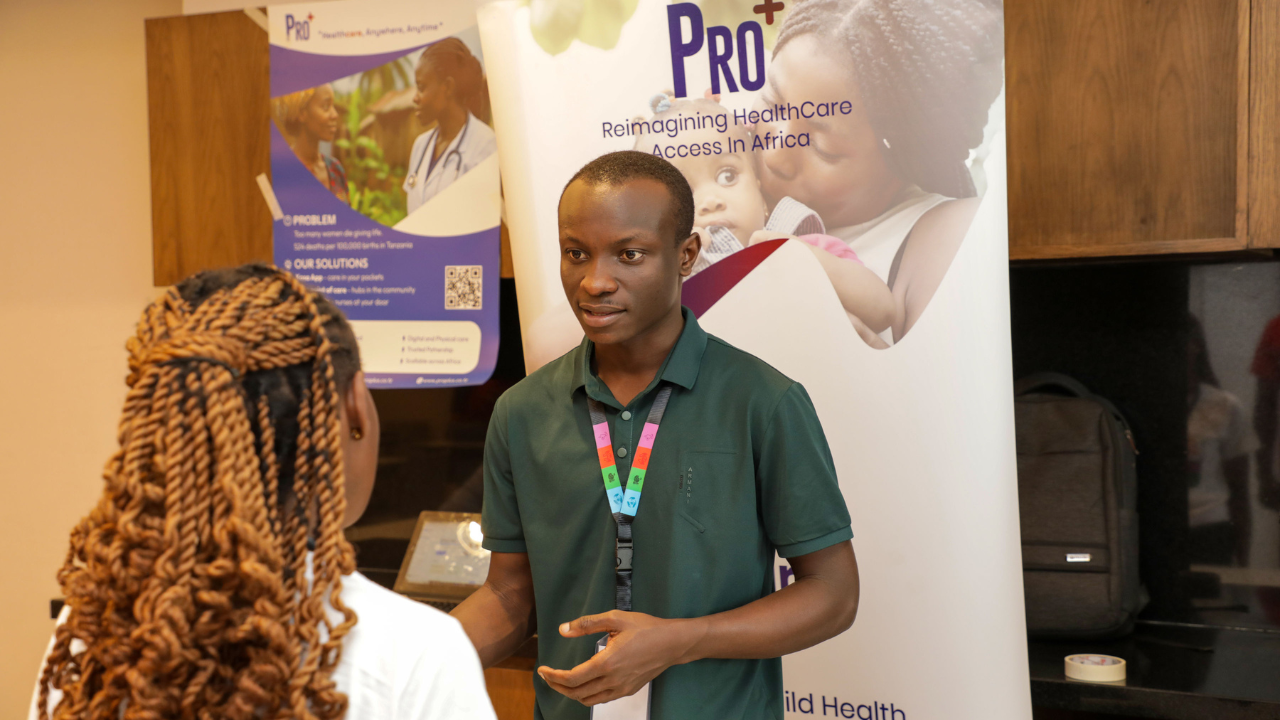
Preventing disease often begins far from the clinic—in the data that reveals where illness is likely to strike next. Carine Frieda Idani, a PhD researcher at CIRAD and a Master of Mathematical Sciences graduate from the African Institute for Mathematical Sciences (AIMS), sees mathematics itself as a form of health work. Studying vector-borne diseases in the context of global change, she models disease risk and maps species distributions across Kenya, Cameroon, and Mozambique to help health systems anticipate outbreaks and act earlier, turning data into prevention rather than reaction. Through MESO+ (Maternal Emotional Support Outreach), she applies the same prevention-focused approach to maternal mental health, bringing postpartum depression screening and support directly to mothers and hospitals. In her vision, the future health workforce includes modellers, builders, and entrepreneurs—not clinicians alone.
For Carine, health work means “using mathematics and data to prevent illness and reach people where they are.”
Normalizing Mental Wellbeing
Transforming health work also means recognizing that physical health and mental wellbeing are inseparable.
Cynthia Umugwaneza, a software engineering graduate from African Leadership University, co-founder of the U-Love Mental Health Club at ALU, and developer of the EmoTrack platform, is championing spaces where mental health is openly discussed, destigmatized, and supported. Cynthia envisions school and community environments where people can better understand and express their emotional wellbeing, while data can help identify emerging patterns of distress and inform earlier, more responsive support. Through EmoTrack and her wider work, she is exploring how technology, data, and human connection can come together to make mental health support more accessible, responsive, and inclusive.
Guaranteeing Accessible, Dignified Care
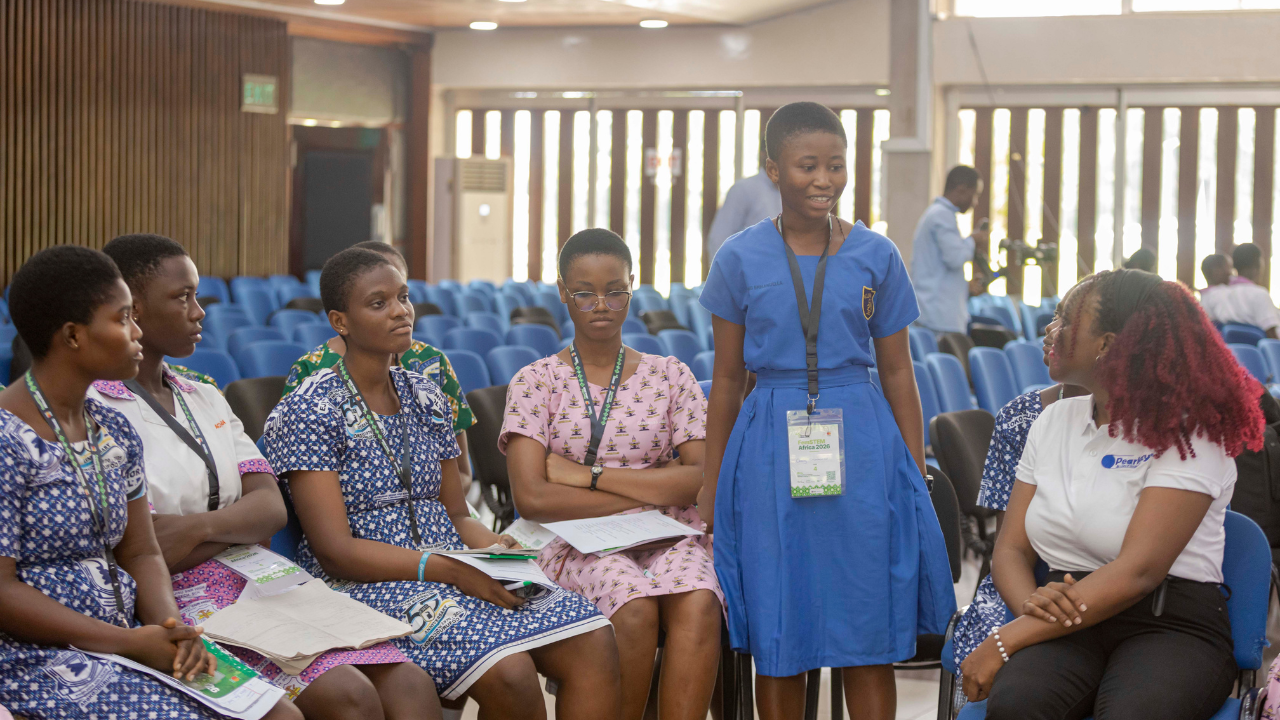
Accessibility serves as the vital heartbeat of this new health workforce. Nicole Nhyira Nanka-Bruce, an MSc in Intelligent Computing Systems at Ashesi University and developer of an AI-powered mobile cataract screening initiative, emphasizes that quality care must become reliable, affordable, and dignified by bringing services straight to underserved communities.
Christiana Teiko Nargei, an MSc Health Entrepreneurship student and cohort lead at Kwame Nkrumah University of Science and Technology (KNUST), pushes this principle further. Christiana visualizes an Africa where no patient’s health outcome depends on luck or geographical location.
Christiana believes that by distributing diagnostic equipment, specialized expertise, and early detection models to every community, Africa can eliminate long-standing healthcare inequalities.
Cultivating an Adaptable, Empowered Workforce
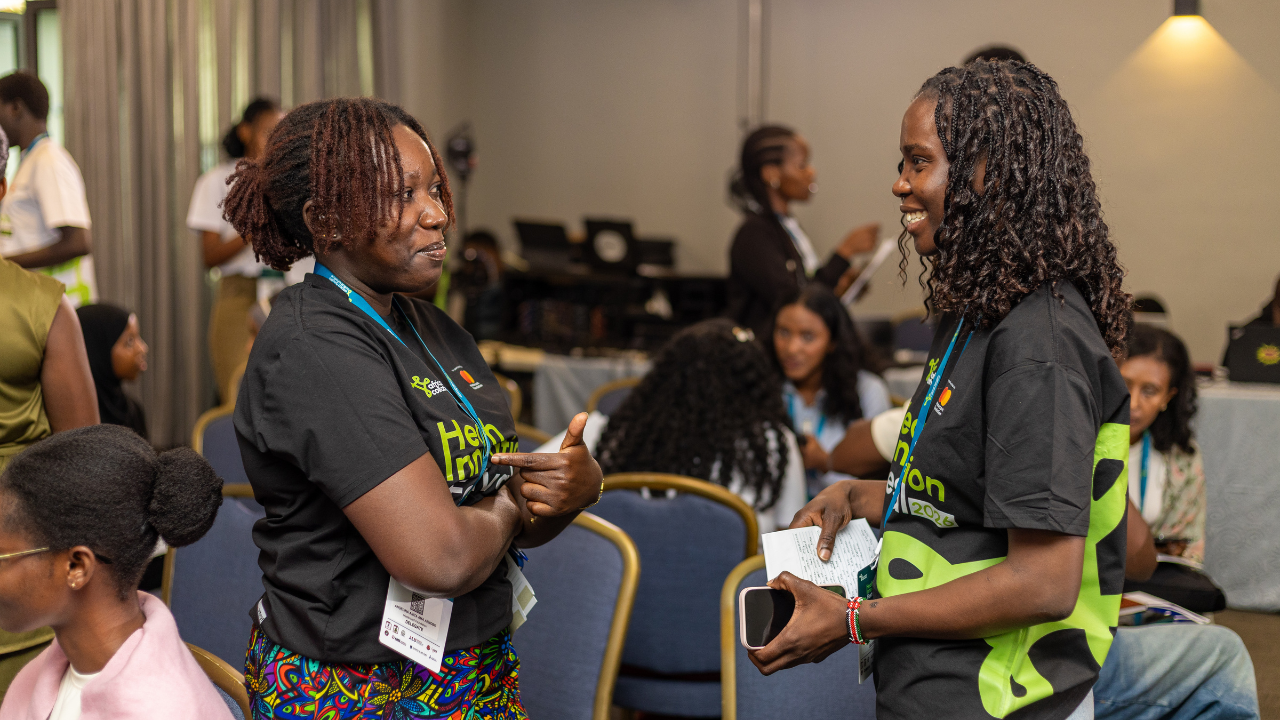
Realizing this transformation requires an adaptable workforce ready to navigate complex challenges—from climate change and pandemics to shifting demographics, urbanization, and changing disease patterns. It also demands professionals who understand that health is shaped by education, employment, food systems, gender equality, environmental sustainability, and social justice. Health leaders therefore need systems thinking, digital fluency, and entrepreneurial drive alongside deep empathy and cultural respect.
Beryl Akinyi Oborah, a Master’s student in Sexual and Reproductive Health Rights & Policy at Amref International University, notes that Africa is already laying these foundational stones. Beryl emphasizes that as more young people step into interdisciplinary health roles, they are building a resilient generation capable of driving change from household visits to national policy tables.
Perhaps most significantly, these young leaders reject narratives that define African health systems by scarcity or dependence. Instead, they describe a future built on African expertise, African innovation, and African collaboration. Mihret Alemayehu Gebretsadek, a Master of Science in Clinical Chemistry student at Addis Ababa University, argues that tomorrow’s health leaders will not be measured by the resources they lack, but by the “borderless, sustainable, and home-grown impact they create.” It is a vision of health work grounded not in deficit, but in possibility.
Taken together, these perspectives point to the fact that health work is no longer confined to treating illness after it occurs. It is about designing resilient systems, generating evidence, developing technology, strengthening communities, advancing mental wellbeing, shaping policy, creating sustainable enterprises, and ensuring that every person—regardless of geography or circumstance—has the opportunity to live a healthy life.
For Africa’s next generation of health leaders, this is not a distant aspiration. It is the future they are already building.
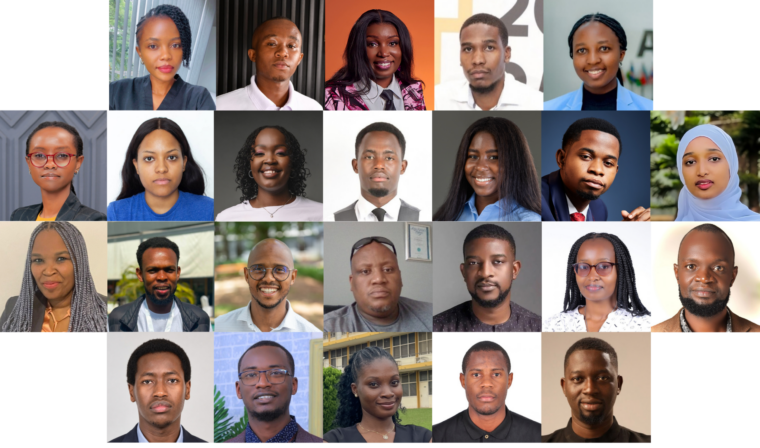
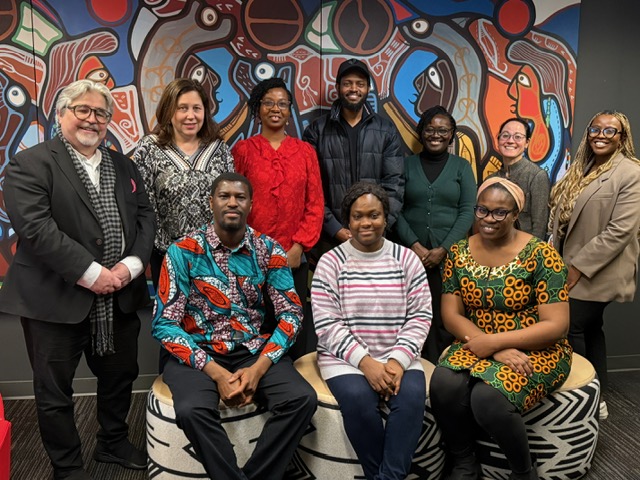
Meet the 2025-2026 Cohort of the AHC’s Young Leaders Committee
Africa Health Collaborative’s Young Leaders Committee (YLC), is the AHC’s official youth leadership body, which ensures that young people contribute directly to strategic decision-making while also leading initiatives of their own. Together, their stories reveal not only what inspires young Africans to pursue careers in health, but also the profound shifts they believe are necessary to build stronger, more equitable systems.





More News & Events
Skip scroller content
Beyond the Agenda: Bringing Mental Health and Well-being into the 2026 AHC Annual Convening
At the 2026 Africa Health Collaborative Annual Convening, mental health and well-being move beyond discussion into practice. Through quiet spaces, art therapy, movement, and youth-led innovation, AHC is creating a convening experience that supports meaningful participation, connection, leadership, and lasting impact.
Meet the Ventures Showcasing at the 2026 Africa Health Collaborative Annual Convening
These ventures advancing primary healthcare, entrepreneurship and health systems strengthening across Africa will showcase their innovations at the 2026 Annual AHC Convening.
From Clinic to Country: Building Ethiopia’s First Integrated Model for Older Adult Health
What began with one doctor questioning fragmented care for older adults has grown into a pioneering model for Ethiopia. With leadership skills strengthened through the IMIx Certificate, Dr. Asrat built an integrated clinic now informing the country’s healthy aging efforts.

Apply for the Fully-Funded Healthy Futures South Africa (HFSA) PhD Fellowship Programme
This four-year programme supports emerging African health researchers and leaders to conduct community-focused research, strengthen health systems, and translate evidence into meaningful policy impact.
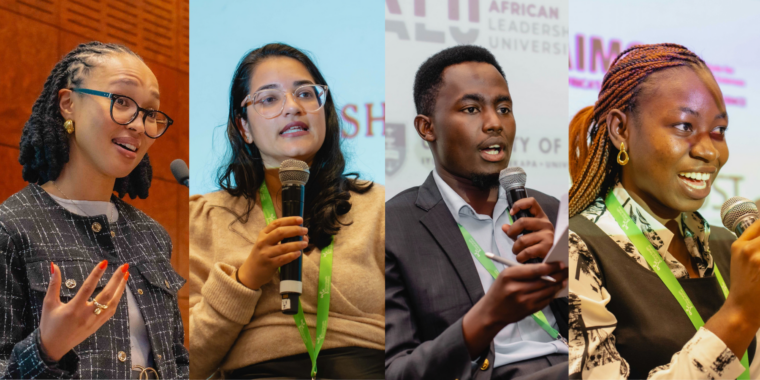
Ubuntu Rising Centres Youth Leadership, Innovation and Employment in Africa’s Health Future
More than 80 young health professionals, innovators and leaders gathered at Ubuntu Rising to advance youth leadership, innovation and employment. Their nine recommendations will inform the Africa Health Collaborative’s Youth Agenda and strengthen pathways for young people across Africa’s health ecosystem.
Advancing Health Equity in Africa: How Universities, Civil Society, and Communities Can Strengthen Primary Health Care
In the next HiAS, we explore how governments, universities, civil society and communities can work together to strengthen PHC and advance UHC in Africa, drawing on practical experiences, community engagement and lessons for building more equitable, resilient and people-centred health systems.
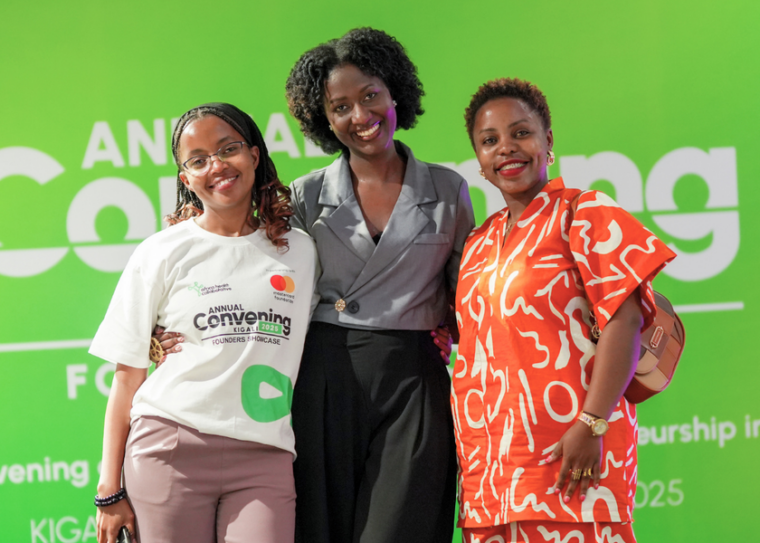
Emerging Leaders’ Day: From Youth Participation to Youth Influence
Emerging Leaders’ Day will bring together young health leaders from across Africa to build leadership skills, strengthen networks, and influence conversations shaping the future of health systems.
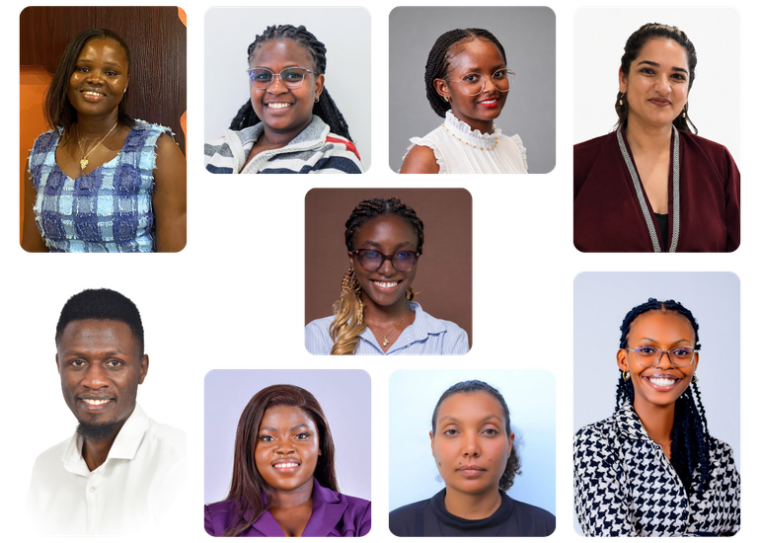
Leading Change Through Lived Experience
Across Africa, an emerging generation of health leaders is transforming personal challenges into powerful innovations. Through the AHC’s Young Leaders Committee, young researchers, entrepreneurs, technologists, and advocates are drawing on lived experiences with illness, caregiving, mental health, and healthcare inequities to design solutions that strengthen health systems and expand access to care.
2027-2028 Doctor of Public Health Scholarships Open
We are pleased to announce the start of the 2027-2028 Mastercard Foundation graduate scholarship recruitment at the University of Toronto. This doctoral scholarship opportunity is open to recent alumni and graduating students at our Africa Health Collaborative partner universities. These graduate scholarships will be awarded to individuals who have demonstrated academic excellence in associated health-related disciplines […]
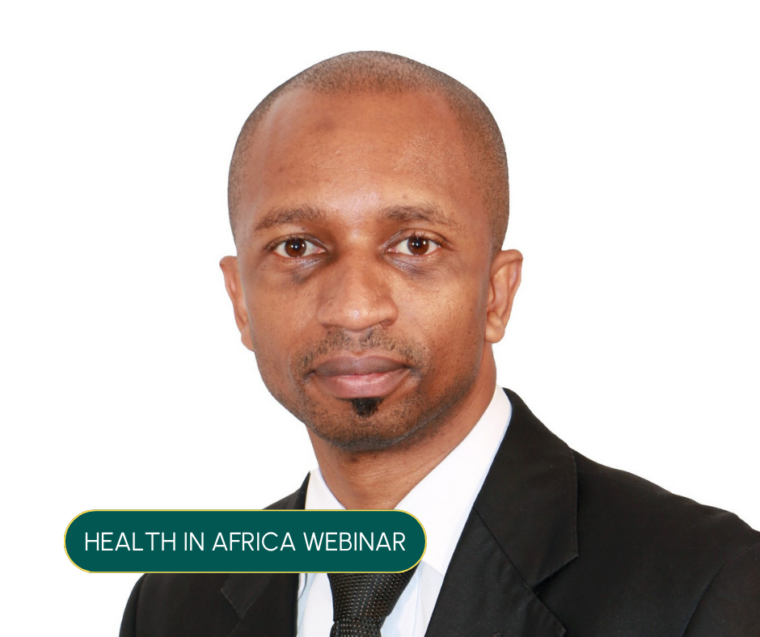
Health Innovation as a Pathway to Africa’s Health Sovereignty
Join the next HiAS as Dr. Robert Karanja explores how talent, research, investment, policy, and partnerships can unlock Africa’s potential in digital health, biotechnology, and deep-tech innovation.