
Building on a Year of Growth: Partners Set 2026 Priorities in Policy, Research, Visibility, and Joint Impact
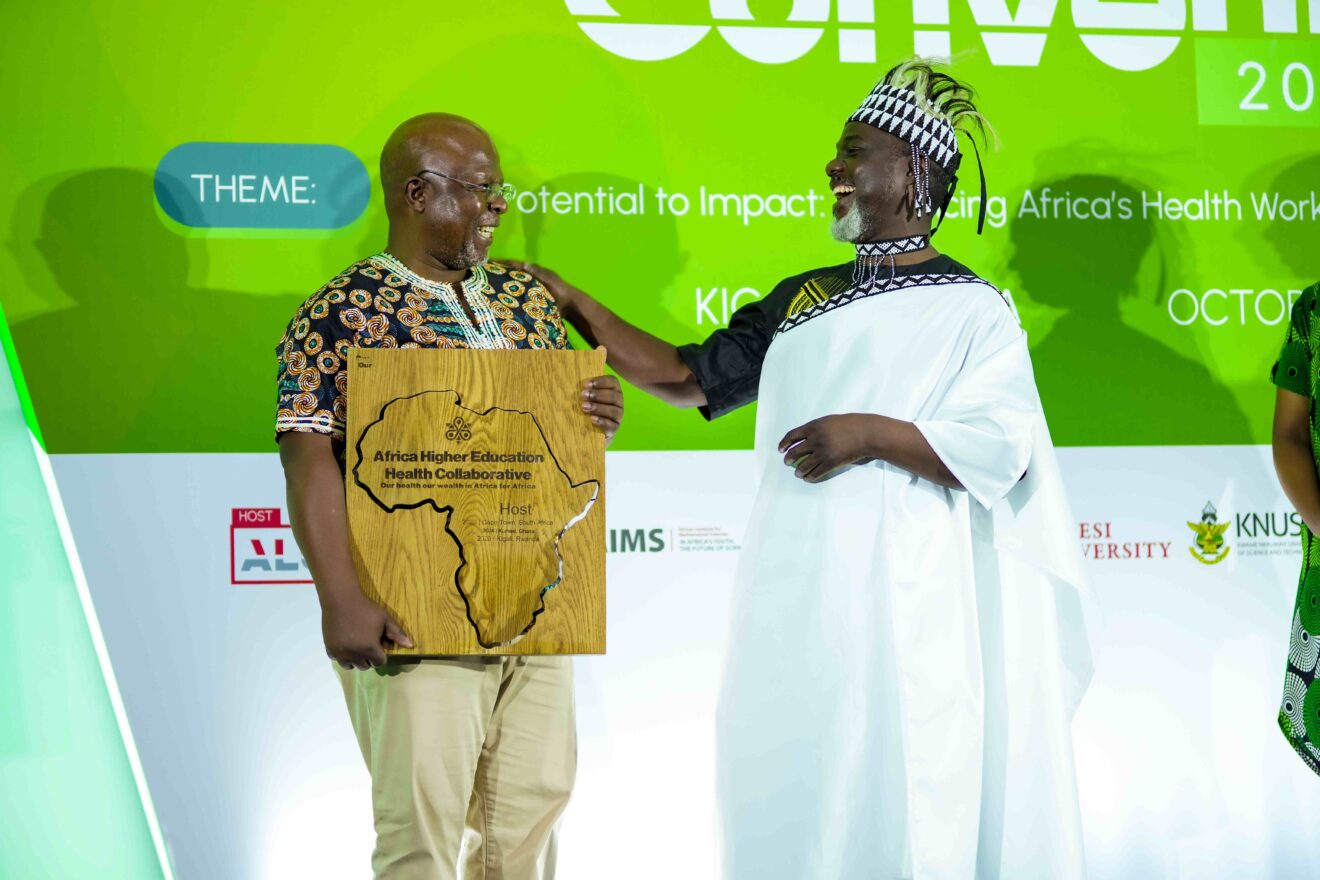
The Africa Health Collaborative (AHC) has announced Prof. Joachim Osur, Vice Chancellor of Amref International University, as the new Chair of the Executive Steering Committee (ESC). The symbolic handover took place during the closing ceremony of the 2025 AHC Convening in Rwanda, held in October 2025. This marks a significant leadership transition from Prof. Nhlanhla Thwala, Vice Chancellor of the African Leadership University (ALU), who served as the outgoing Chair and host of the third annual convening.
The ceremony, steeped in symbolism and African heritage, celebrated both continuity and renewal. Traditional Rwandan artifacts — the ‘umushanana’ attire, shield, spear, and a wood-carved map of Africa — were exchanged to signify dignity, protection, purpose, and unity in advancing health systems and youth development across the continent.


Reflecting on a Year of Growth
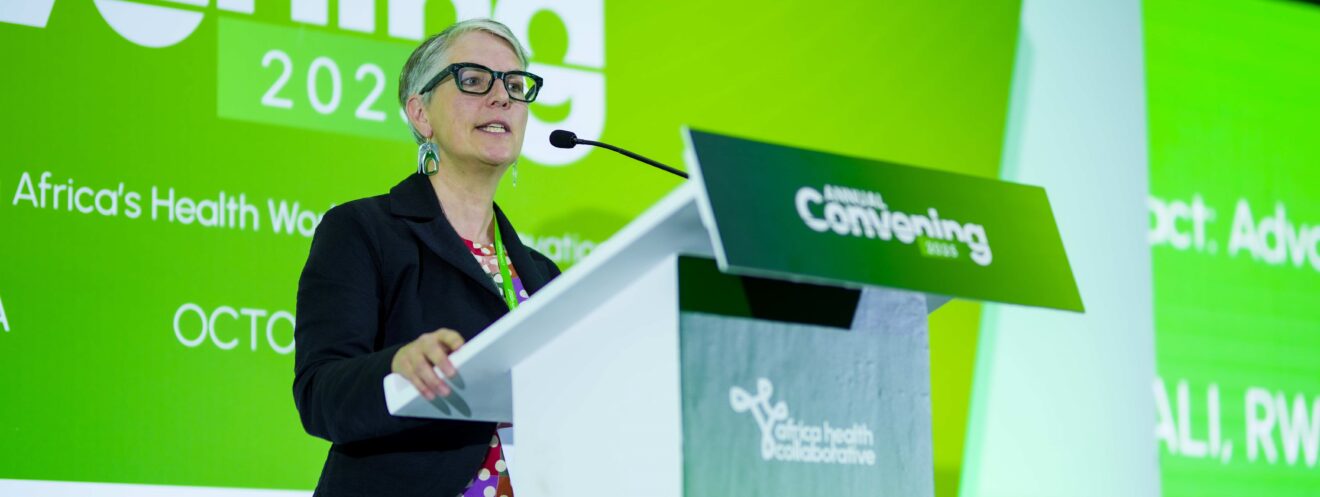
Reflecting on the Collaborative’s achievements, Gwen Burrows, Assistant Vice-President, International Engagement & Impact at the University of Toronto, noted during the commitments segment that the AHC’s journey is “a movement — not just a convening — that grows when we hold ourselves accountable not just to ideas, but to action.”
Burrows celebrated the Collaborative’s progress since its inception, noting that all nine partner universities are now fully funded, with over 400 programs and initiatives underway — a remarkable increase from just 54 in 2021. She attributed this success to seven defining factors: shared values and principles, distributed leadership, trust, learning and innovation, overarching ambition, and steadfast partnership with the Mastercard Foundation.
“We are leveraging the assets in our universities and communities to transform health sectors,” Burrows emphasized. “By engaging with one another, we become better agents of change.”
The year also saw the roll-out of a new brand identity for the Collaborative, strengthened cross-partner communications, the launch of a joint research fund supporting six multi-institutional projects, and a growing calendar of collaborative events — including the Leadership Week of the Women in Global Health Leadership Fellowship, the Africa Health Collaborative Joint Hackathon (AfyaFest), and a series of shared policy workshops across institutions.
Continuity, Stability, and the Power of Policy
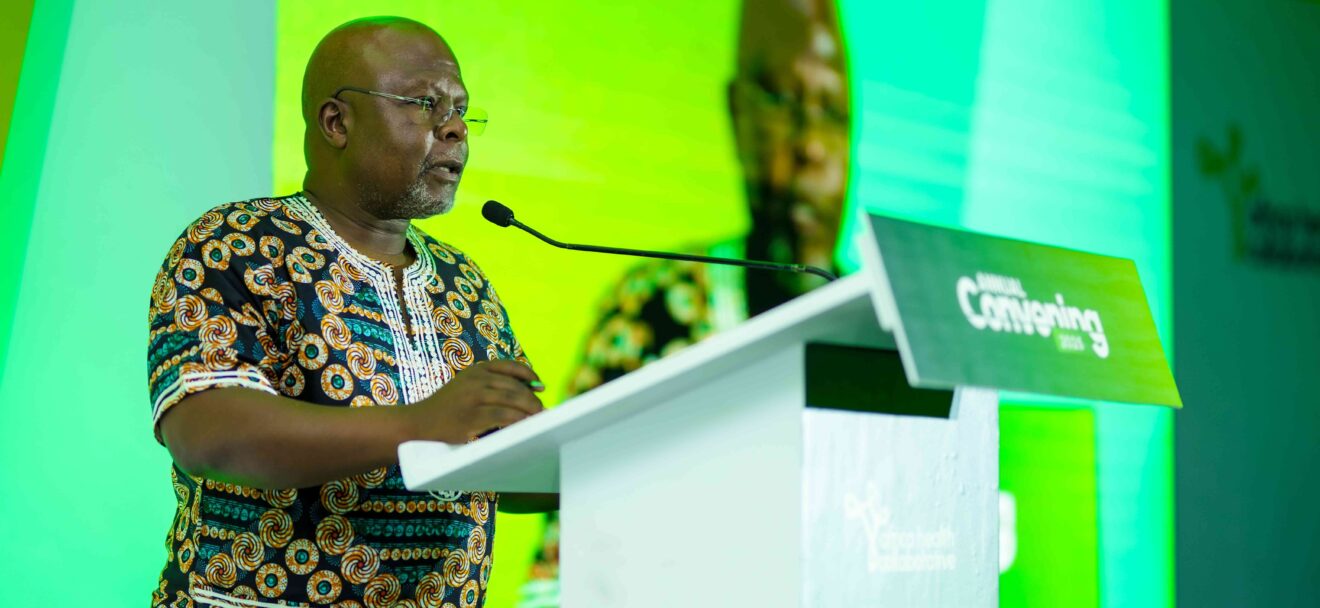
In his final remarks as Chair, Prof. Thwala expressed gratitude for the opportunity to lead during a year defined by renewed momentum and stability.
“This year started with a promise of continuity — to avoid the African disease where leadership changes bring new programs, and we forget the preceding ones,” he said. “We’ve maintained stability, strengthened South–South collaborations, and given youth a real voice at the table.”
He highlighted growing engagement within the ESC, stronger youth representation through the Young Leaders Table (a committee representing young people’s voices and vision for the health sector) and progress in influencing health policy.
“No matter what we do, if it doesn’t reach the larger public, we are only entertaining ourselves,” Prof. Thwala remarked. “Policy impact is absolutely critical.”
As he passed the baton to Prof. Osur, he added humorously, “In Zulu, we say, you dance and get off the stage for others to continue dancing.”
Looking Ahead: Collaboration for Greater Impact

Accepting the leadership mantle, Prof. Osur commended the Collaborative for its progress and unity, describing AHC as a “coalition of the willing.”
“If you want to go fast, go alone; if you want to go far, go together,” he said. “That’s the spirit of this Collaborative.”
Prof. Osur acknowledged the challenges of coordinating across diverse institutions and systems but emphasized the importance of patience, communication, and shared purpose.
“We must be intentional about working together — always asking how we make this work for all of us, not just for ourselves,” he stated. “Let’s do more together and less alone. That’s how we’ll go far.”
Looking ahead to 2026, Prof. Osur outlined key priorities under his leadership:
- Strengthening cross-partner collaboration and demonstrating consolidated impact results;
- Deepening policy engagement and ensuring youth lead meaningful change;
- Expanding collaborative research across institutions;
- Enhancing communication to amplify the Collaborative’s collective voice; and
- Encouraging pillar leads to design more cross-institutional activities that drive real collaboration.
“We’re creating meaningful employment and policy change through shared learning and innovation,” he concluded. “Our strong collective voice must be heard.”
A Shared Vision for Africa’s Health Future
With Amref International University set to host the 2026 Africa Health Collaborative Convening in Nairobi, partners departed Kigali with renewed commitment and clarity of purpose.
“The last principle that guides us is dream big,” Gwen Burrows reminded the audience. “There’s still a long way to go — but let’s keep dreaming, and keep doing, together.” Stay engaged by following our work at africahealthcollaborative.org and join us on LinkedIn to see what’s next as we prepare for AHC 2026 in Nairobi.
Watch the Closing Ceremony and Hand Over
More News & Events
Skip scroller content
Beyond the Agenda: Bringing Mental Health and Well-being into the 2026 AHC Annual Convening
At the 2026 Africa Health Collaborative Annual Convening, mental health and well-being move beyond discussion into practice. Through quiet spaces, art therapy, movement, and youth-led innovation, AHC is creating a convening experience that supports meaningful participation, connection, leadership, and lasting impact.
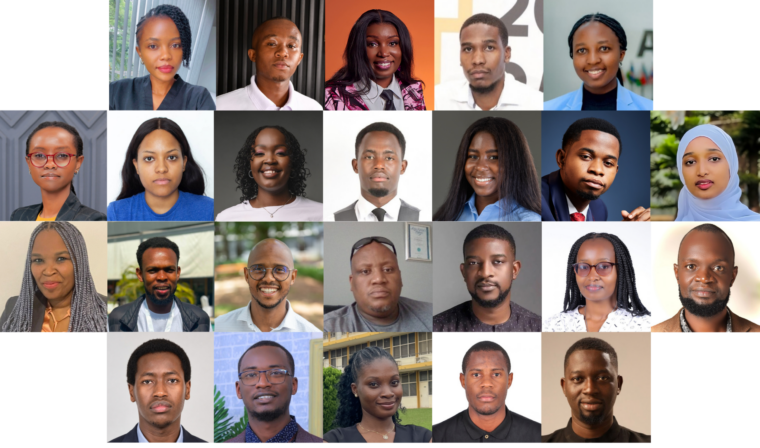
Meet the Ventures Showcasing at the 2026 Africa Health Collaborative Annual Convening
These ventures advancing primary healthcare, entrepreneurship and health systems strengthening across Africa will showcase their innovations at the 2026 Annual AHC Convening.

From Clinic to Country: Building Ethiopia’s First Integrated Model for Older Adult Health
What began with one doctor questioning fragmented care for older adults has grown into a pioneering model for Ethiopia. With leadership skills strengthened through the IMIx Certificate, Dr. Asrat built an integrated clinic now informing the country’s healthy aging efforts.

Apply for the Fully-Funded Healthy Futures South Africa (HFSA) PhD Fellowship Programme
This four-year programme supports emerging African health researchers and leaders to conduct community-focused research, strengthen health systems, and translate evidence into meaningful policy impact.

Ubuntu Rising Centres Youth Leadership, Innovation and Employment in Africa’s Health Future
More than 80 young health professionals, innovators and leaders gathered at Ubuntu Rising to advance youth leadership, innovation and employment. Their nine recommendations will inform the Africa Health Collaborative’s Youth Agenda and strengthen pathways for young people across Africa’s health ecosystem.
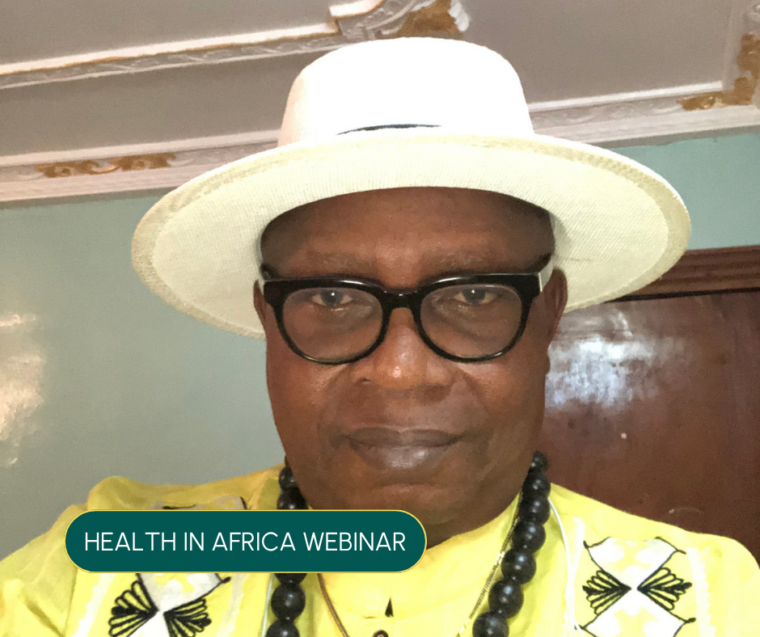
Advancing Health Equity in Africa: How Universities, Civil Society, and Communities Can Strengthen Primary Health Care
In the next HiAS, we explore how governments, universities, civil society and communities can work together to strengthen PHC and advance UHC in Africa, drawing on practical experiences, community engagement and lessons for building more equitable, resilient and people-centred health systems.

Emerging Leaders’ Day: From Youth Participation to Youth Influence
Emerging Leaders’ Day will bring together young health leaders from across Africa to build leadership skills, strengthen networks, and influence conversations shaping the future of health systems.
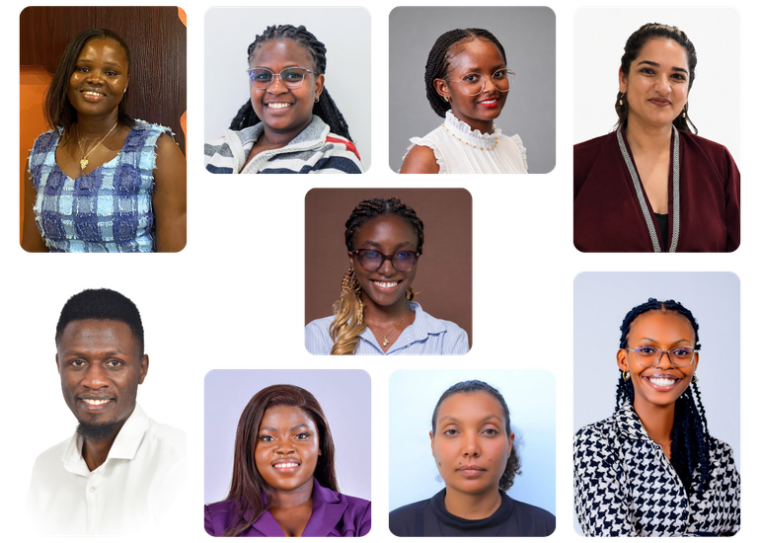
Leading Change Through Lived Experience
Across Africa, an emerging generation of health leaders is transforming personal challenges into powerful innovations. Through the AHC’s Young Leaders Committee, young researchers, entrepreneurs, technologists, and advocates are drawing on lived experiences with illness, caregiving, mental health, and healthcare inequities to design solutions that strengthen health systems and expand access to care.
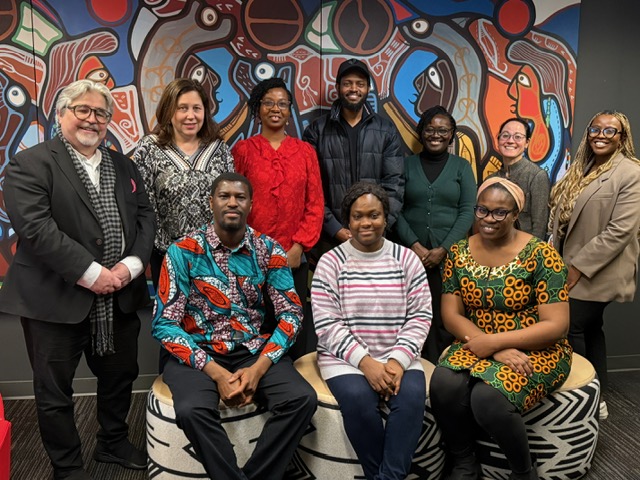
2027-2028 Doctor of Public Health Scholarships Open
We are pleased to announce the start of the 2027-2028 Mastercard Foundation graduate scholarship recruitment at the University of Toronto. This doctoral scholarship opportunity is open to recent alumni and graduating students at our Africa Health Collaborative partner universities. These graduate scholarships will be awarded to individuals who have demonstrated academic excellence in associated health-related disciplines […]
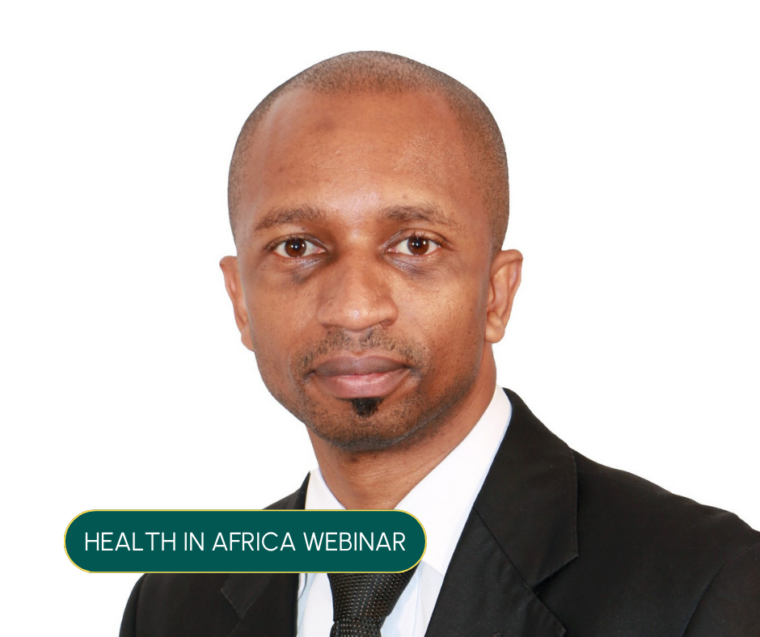
Health Innovation as a Pathway to Africa’s Health Sovereignty
Join the next HiAS as Dr. Robert Karanja explores how talent, research, investment, policy, and partnerships can unlock Africa’s potential in digital health, biotechnology, and deep-tech innovation.