- Read about how fellows from the Women in Global Health Leadership Fellowship are leading and strengthening health systems across Africa
This International Women’s Day 2026, we celebrate a powerful truth: when we invest in women, the returns extend far beyond individuals—they transform communities, systems, and future generations. This year’s theme, “Give To Gain,” highlights how mentorship and intentional investment in women accelerate gender equality and drive systems change.
Globally, women make up almost 70% of the health workforce, yet they hold only 25% of leadership positions. Bridging this leadership gap requires deliberate action. Through the Women in Global Health Leadership Fellowship (WGHLF), Moi University, University of Cape Town and the University of Toronto, as part of the Africa Health Collaborative, are working to change this reality.
The year-long fellowship is designed to advance the leadership skills of talented African women committed to gender equity in global health systems through mentorship, community initiatives, and applied learning. The program embodies the “Give To Gain” philosophy: by investing in women leaders, fellows go on to strengthen primary healthcare systems through leadership projects that address critical health challenges while mentoring the next generation of changemakers.
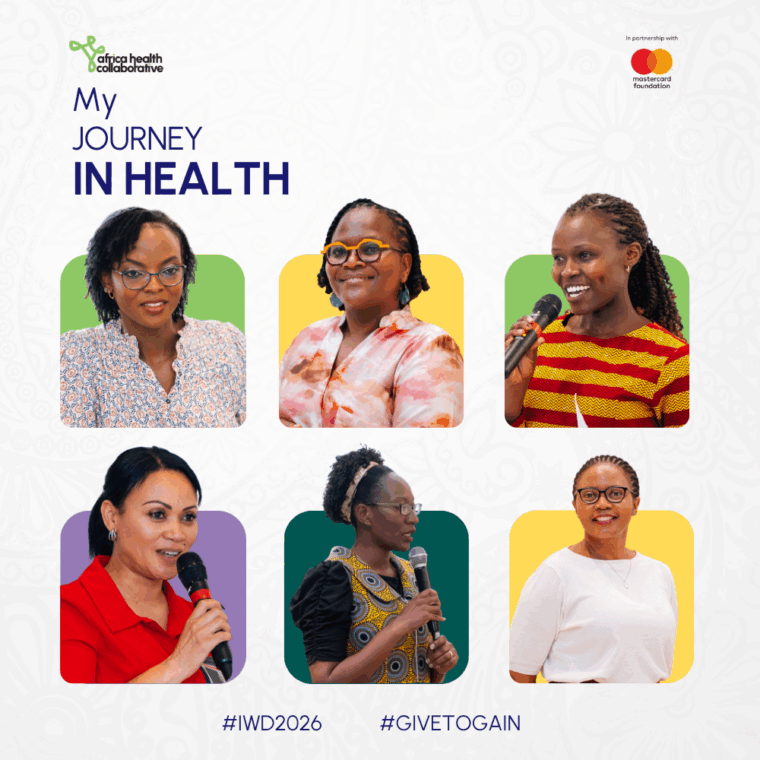
Here are the stories of six fellows whose journeys show that when one woman is empowered to lead, the ripple effects can transform entire communities.
1. Sue-Ellen Van Niekerk
Sue-Ellen’s journey began in Beaufort West, South Africa, where she witnessed how socio-economic status shaped access to care. Motivated to serve, she transitioned from nursing into strategic leadership to help “treat the system.” Today, as the Head of Comprehensive Health Services for the City of Cape Town, overseeing 86 health facilities, she has given back by implementing a digital appointment system that has significantly reduced patient waiting times from eight hours to under three hours, restoring trust and dignity to patients’ experiences.
Watch Sue-Ellen share her story
2. Dr. Khabiso Ramphoma
Growing up, Dr. Khabiso Ramphoma witnessed how inaccessible oral healthcare was for many communities. This inspired her shift from clinical dentistry to dental public health and community dentistry, where she focuses on addressing systemic gaps in care and researching the shortage of healthcare workers in her home country of Lesotho.
She has volunteered with organisations such as Transnet, helping bring healthcare services to remote communities in South Africa. Today, she is a Senior Lecturer at the University of the Western Cape and an active member of the Public Health Association of South Africa and the World Federation of Public Health Associations, where she advocates for equitable access to oral healthcare while mentoring emerging health leaders. Dr. Ramphoma hopes to return to Lesotho to help shape policies that strengthen oral health systems and ensure no community— and no future generation of women leaders—is left behind.
Watch Khabiso share her story
3. Dr. Diana Marion
Dr. Diana Marion’s mission to strengthen health systems is deeply personal. After surviving a postpartum hemorrhage complication following childbirth, she dedicated her career as a medical doctor to reproductive health and systemic change. She began by improving access to life-saving blood screening in her community and now serves as a national leader at the Kenya Medical Association. Through her leadership in the Kenya Medical Association, she advocates for the welfare of doctors and the improvement of health facilities, such as establishing regional blood transfusion centers. She also uses her seat at national policy tables to mentor young professionals, ensuring their voices are heard in the spaces where decisions are made.
Watch Diana share her story
4. Phylis Busienei
Phylis Busienei began her journey researching the water, sanitation, and menstrual hygiene challenges faced by women in low-income communities. Today, she is a Research Officer at the African Population and Health Research Center, where her work focuses on the critical intersection of public health and WASH (water, sanitation, and hygiene).
Driven by a commitment to improving lives in underserved communities, Phylis collaborates with partners such as Amref Health Africa to translate research into action. Her policy recommendations have supported implementing partners to expand access to clean water and sanitation facilities in Nairobi’s informal settlements, helping address some of the most pressing public health challenges in these communities.
For Phylis, leadership development is just as important as research impact. Through mentorship and guidance, she is committed to nurturing the next generation of researchers—ensuring that the knowledge and opportunities she has gained continue to create lasting change.
Watch Phylis share her story
5. Dr. Tumelo Assegaai
As an academic at the University of Cape Town, Dr Assegaai drew on lessons from the fellowship to challenge long-standing norms within the university’s 30-year-old health programme. Reflecting on her own identity and institutional context, she successfully advocated for the integration of a gender lens and intersectionality into the curriculum—changes that have now been formally adopted. As a result, health managers are better equipped to recognize and respond to the diverse identities of the people they serve, contributing to a more inclusive and responsive healthcare system.
Watch Tumelo share her story
6. Dr. Grace Ikahu-Muchangi
A member of the pioneering cohort of the Women in Global Health Leadership Fellowship (WGHLF), Dr. Ikahu-Muchangi transitioned from clinical practice to health policy to address systemic resource gaps in public hospitals. Today, she serves as Director for Public Health and Sanitation at the Kenya Ministry of Health, where she plays a key role in shaping policies that strengthen health systems.
Committed to advancing gender equity in leadership, Dr. Ikahu-Muchangi intentionally creates opportunities for other women within the health sector. Through her work, she ensures that health programs are gender-responsive while actively opening pathways for women to take on leadership roles. Her journey reflects a deep commitment not only to improving public health outcomes but also to empowering the next generation of women leaders in health.
Watch Grace share her story
Together, these stories show what happens when investment meets opportunity. When women are supported to lead, they do not advance alone—they strengthen institutions, redesign systems, and open doors for others to follow. As we mark International Women’s Day 2026, the message is clear: giving women the tools, mentorship, and platforms to lead is not only an act of equity—it is a strategic approach to building stronger health systems. The ripple effect is already underway across Africa, and with continued investment, the next generation of women leaders will carry it even further.
The WGHLF is co-designed and implemented by Moi University, University of Cape Town and University of Toronto under the Africa Health Collaborative, in partnership with the Mastercard Foundation.
More News & Events
Skip scroller content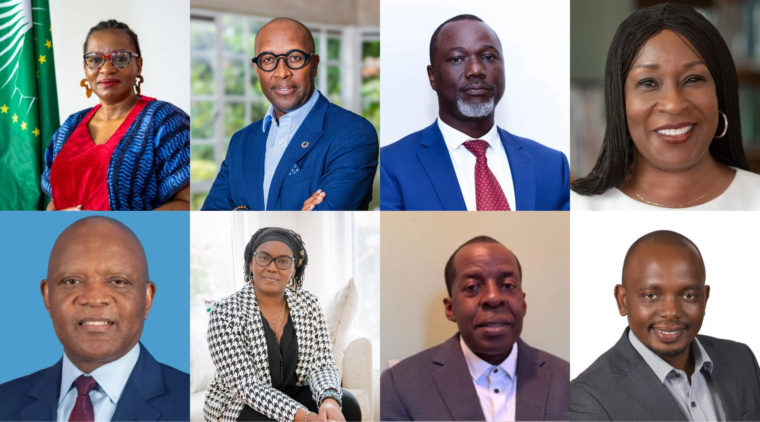
Meet the Speakers Scheduled for the 2026 AHC Annual Convening
Meet the distinguished speakers of the 2026 Africa Health Collaborative Annual Convening as they share insights on health workforce development, leadership, innovation and partnerships shaping the future of health systems across Africa and empowering the next generation of health leaders.
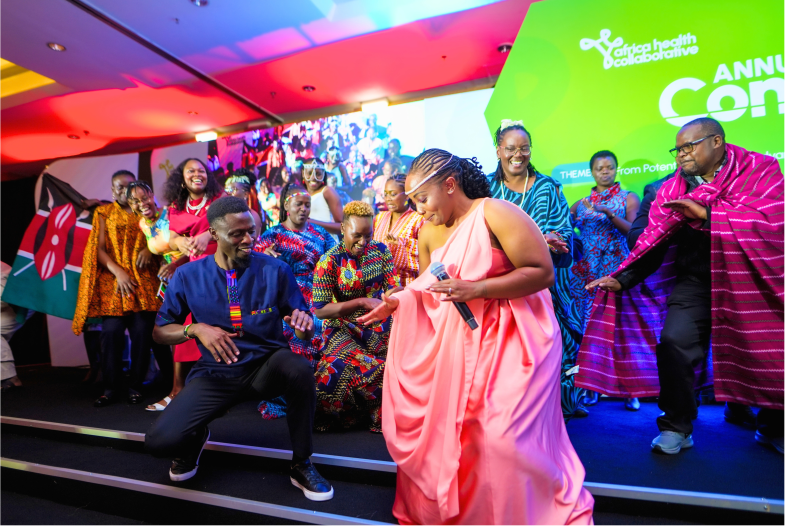
Beyond the Agenda: Bringing Mental Health and Well-being into the 2026 AHC Annual Convening
At the 2026 Africa Health Collaborative Annual Convening, mental health and well-being move beyond discussion into practice. Through quiet spaces, art therapy, movement, and youth-led innovation, AHC is creating a convening experience that supports meaningful participation, connection, leadership, and lasting impact.
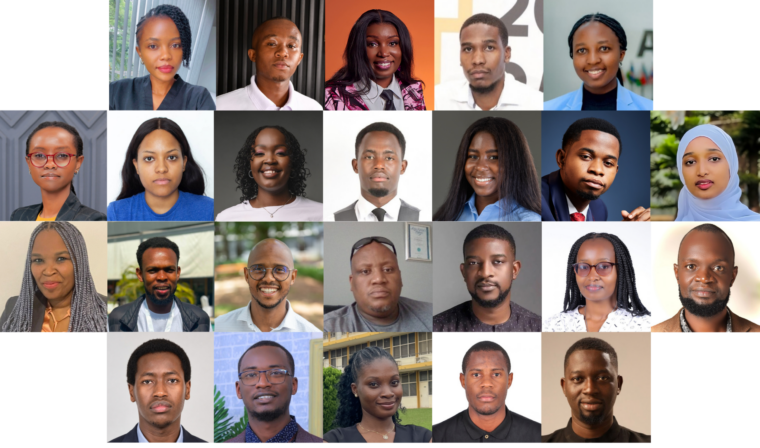
Meet the Ventures Showcasing at the 2026 Africa Health Collaborative Annual Convening
These ventures advancing primary healthcare, entrepreneurship and health systems strengthening across Africa will showcase their innovations at the 2026 Annual AHC Convening.
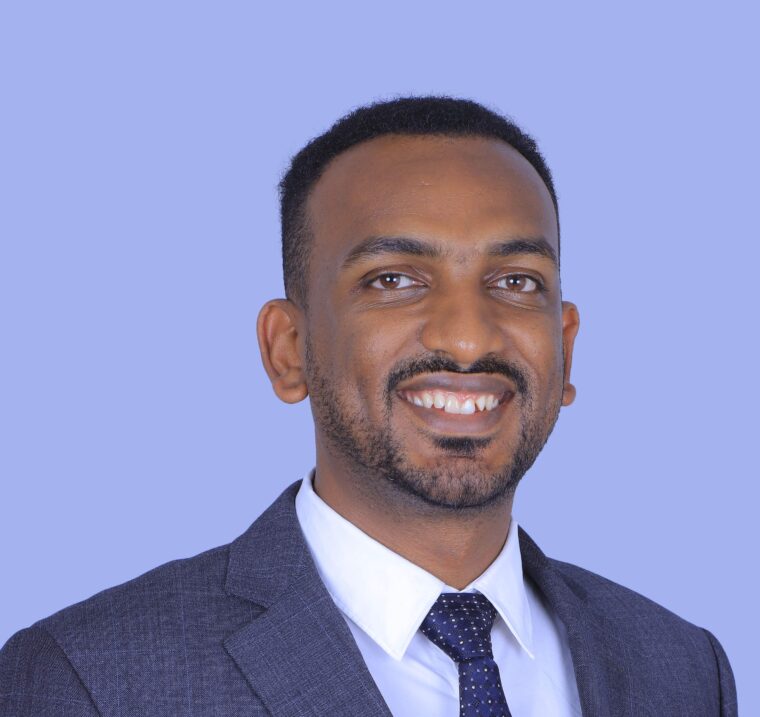
From Clinic to Country: Building Ethiopia’s First Integrated Model for Older Adult Health
What began with one doctor questioning fragmented care for older adults has grown into a pioneering model for Ethiopia. With leadership skills strengthened through the IMIx Certificate, Dr. Asrat built an integrated clinic now informing the country’s healthy aging efforts.
Apply for the Fully-Funded Healthy Futures South Africa (HFSA) PhD Fellowship Programme
This four-year programme supports emerging African health researchers and leaders to conduct community-focused research, strengthen health systems, and translate evidence into meaningful policy impact.
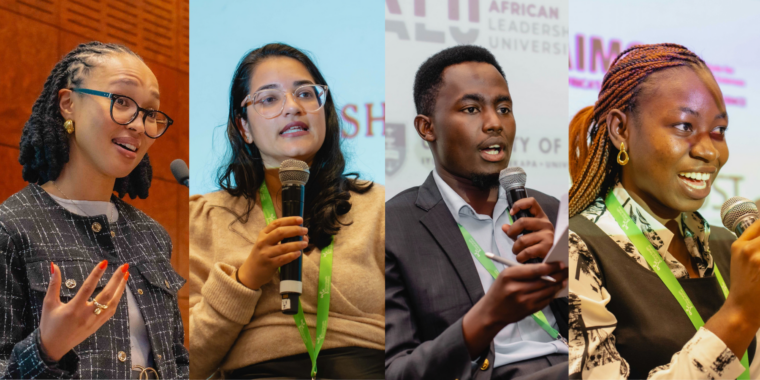
Ubuntu Rising Centres Youth Leadership, Innovation and Employment in Africa’s Health Future
More than 80 young health professionals, innovators and leaders gathered at Ubuntu Rising to advance youth leadership, innovation and employment. Their nine recommendations will inform the Africa Health Collaborative’s Youth Agenda and strengthen pathways for young people across Africa’s health ecosystem.
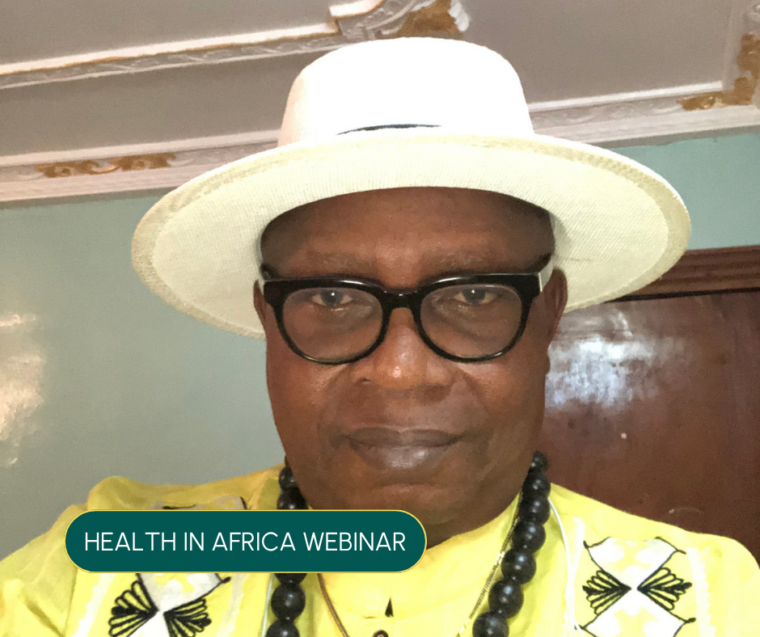
Advancing Health Equity in Africa: How Universities, Civil Society, and Communities Can Strengthen Primary Health Care
In the next HiAS, we explore how governments, universities, civil society and communities can work together to strengthen PHC and advance UHC in Africa, drawing on practical experiences, community engagement and lessons for building more equitable, resilient and people-centred health systems.
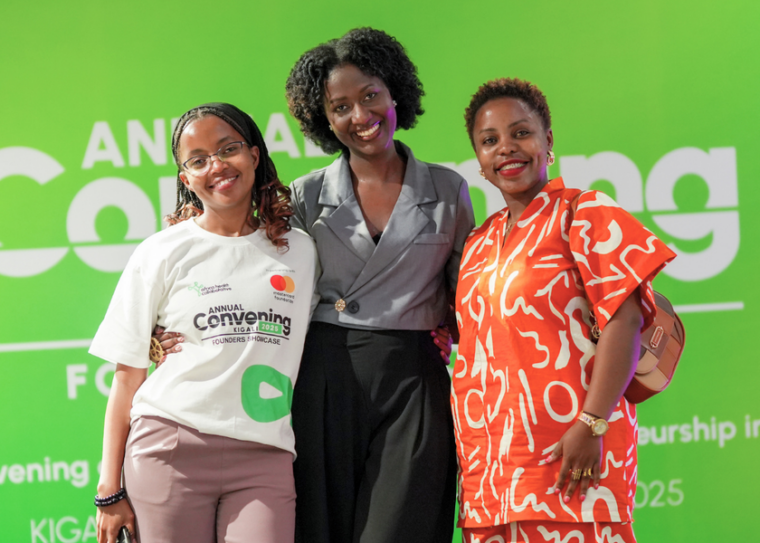
Emerging Leaders’ Day: From Youth Participation to Youth Influence
Emerging Leaders’ Day will bring together young health leaders from across Africa to build leadership skills, strengthen networks, and influence conversations shaping the future of health systems.
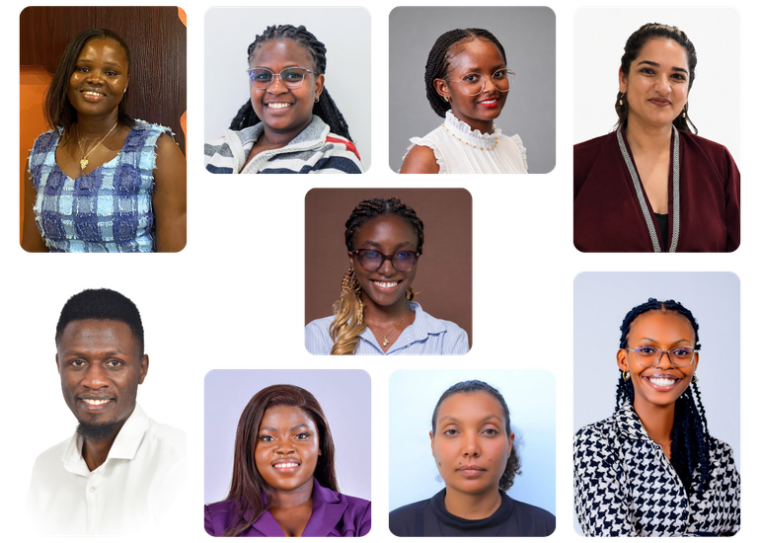
Leading Change Through Lived Experience
Across Africa, an emerging generation of health leaders is transforming personal challenges into powerful innovations. Through the AHC’s Young Leaders Committee, young researchers, entrepreneurs, technologists, and advocates are drawing on lived experiences with illness, caregiving, mental health, and healthcare inequities to design solutions that strengthen health systems and expand access to care.
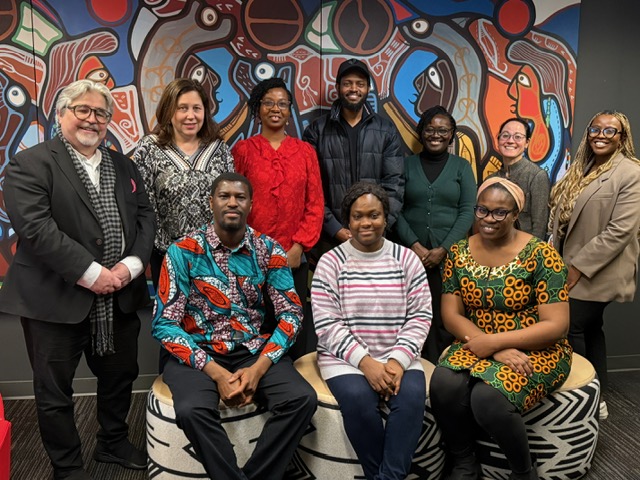
2027-2028 Doctor of Public Health Scholarships Open
We are pleased to announce the start of the 2027-2028 Mastercard Foundation graduate scholarship recruitment at the University of Toronto. This doctoral scholarship opportunity is open to recent alumni and graduating students at our Africa Health Collaborative partner universities. These graduate scholarships will be awarded to individuals who have demonstrated academic excellence in associated health-related disciplines […]