
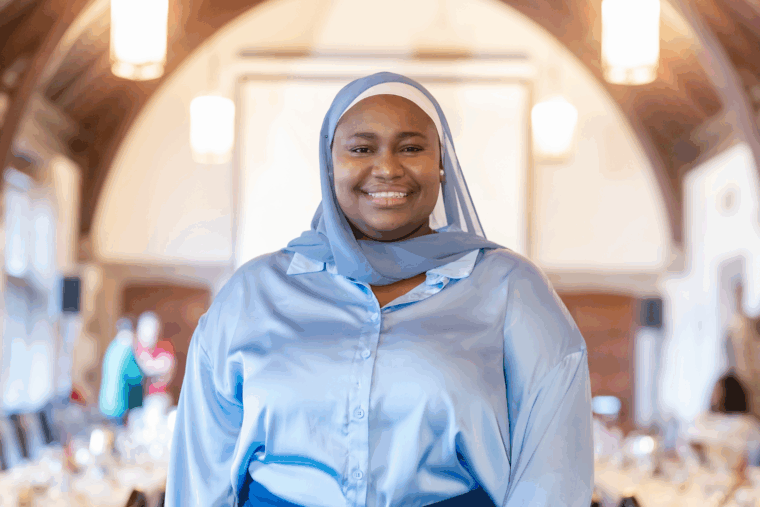
By Jemila Abdulai, MSc. Biomedical Engineering
Before landing in Cape Town, I had already travelled a long road from earning a degree in Biomedical Engineering at Ghana’s Kwame Nkrumah University of Science and Technology (KNUST) to completing my National Service in the Records Department of the Volta River Authority (VRA) Hospital in Accra. Growing up in a community with limited access to healthcare made the challenges of medical inequity deeply personal. That drove me to engineering: a desire to close the gap between need and access.
As a Mastercard Foundation Scholar at the University of Toronto (U of T), I was fortunate to intern at the University of Cape Town’s (UCT) MedTech Lab in May 2024 through the Africa Health Collaborative. What I found wasn’t just a lab—it was a launchpad for human-centered innovation and inclusive design. My primary focus was the Activity of Daily Living (ADL) Arm, a 3D-printed prosthetic designed for trans-radial amputees (amputation of the lower arm) in underserved communities. The project immediately resonated with me. It wasn’t just about building devices; it was about restoring dignity and independence. These prosthetic arms were engineered for real lives, not just clinical settings.
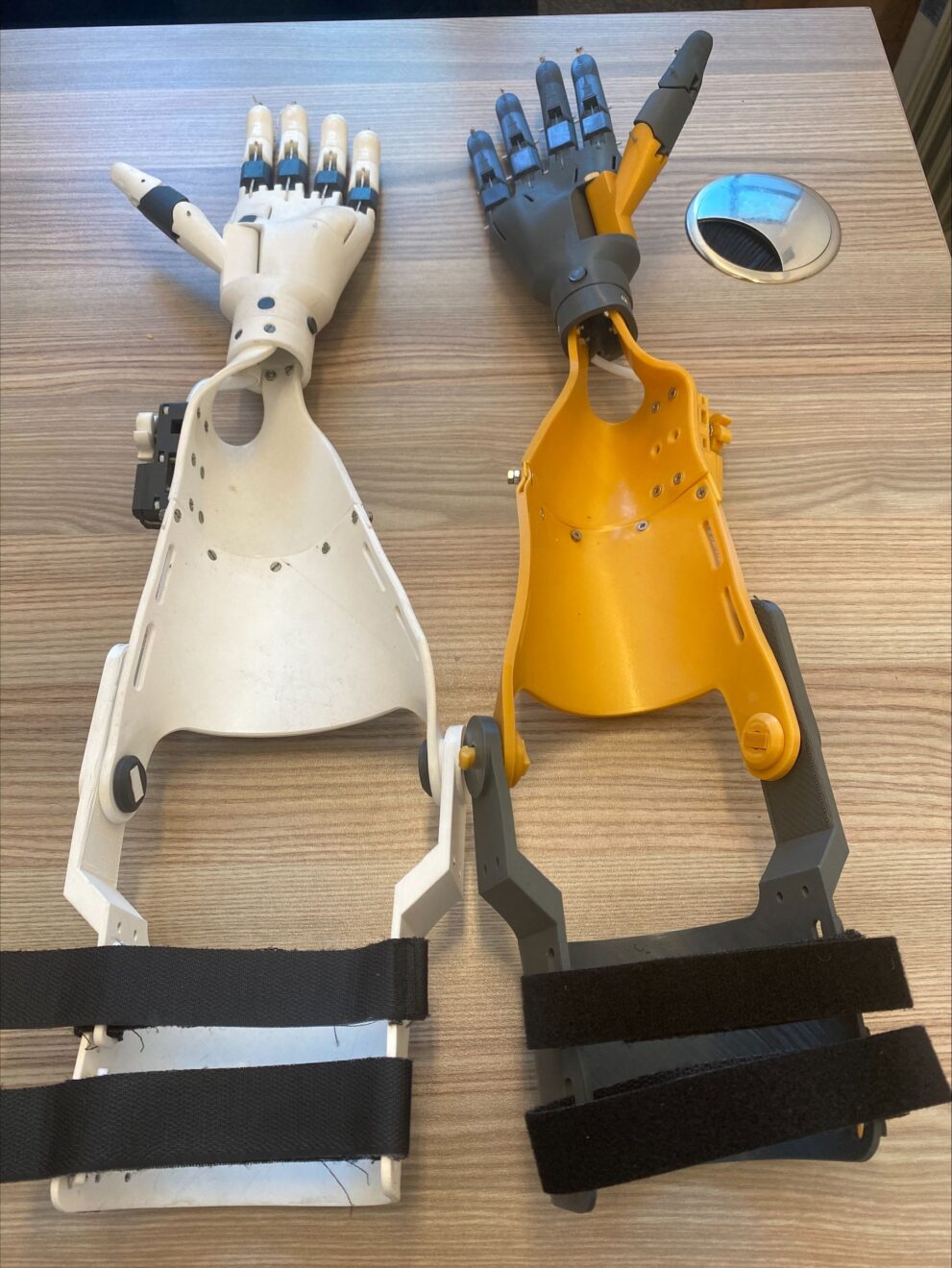
In a world where prosthetic limbs can cost thousands of dollars, the ADL Arm’s mission is simple but powerful: to make high-functioning, affordable prosthetics accessible to those who need them most. Its primary objectives are enhancing usability through intuitive design, ensuring durability for extended use, and promoting the widespread availability of prostheses. Ultimately, the project aspires to empower individuals with below-elbow amputation to regain independence and improve their quality of life, while advancing the field of affordable assistive technologies globally.
My first weeks at UCT were a crash course in cutting-edge tech and purpose-driven design. I trained intensively in 3D printing, learned to troubleshoot mechanical issues, and studied prior iterations of the ADL Arm to identify areas for improvement. Later, I took part in assembling prototypes, writing technical documentation, and exploring the ethical and regulatory dimensions of deploying assistive devices in low-resource settings. These experiences equipped me with the knowledge necessary for the commercialization and clinical application of the ADL Arm.
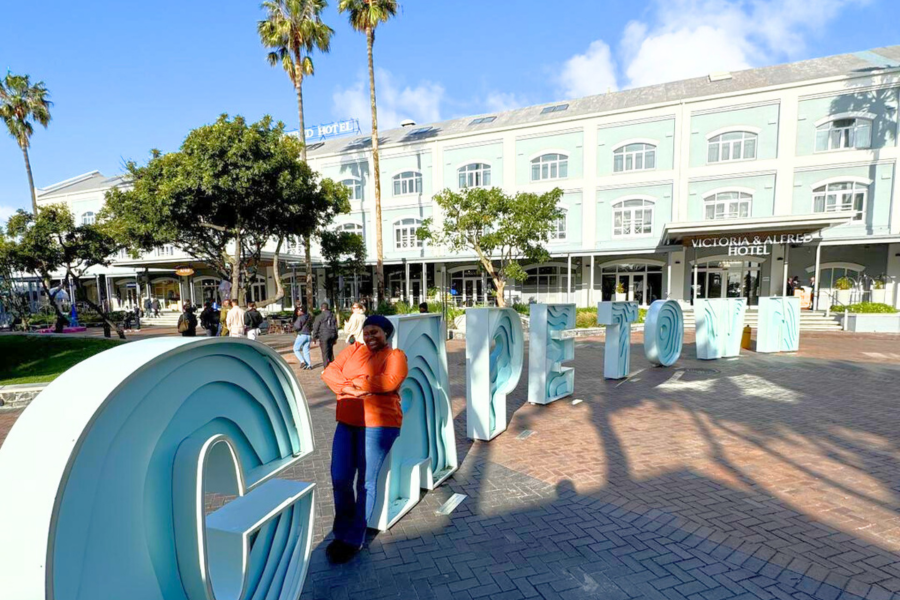
Each day at the lab sharpened not only my technical skills but also my sense of purpose. I began to understand innovation not just as an invention, but as “empathy in action”—engineering that listens before it builds. Cape Town itself added another layer of depth. From its vibrant streets to the Heart of Cape Town Museum—home of the world’s first heart transplant—the city reminded me that medical breakthroughs have always come from bold ideas and brave people. I left inspired, not just by technology, but by the belief that it should serve the most vulnerable first.

By the end of my internship, I felt more prepared—not just as an engineer, but as a future leader. I’d seen how collaboration, integrity, and inclusive design could shape solutions that truly change lives.
I’m deeply grateful to the UCT MedTech team—Prof. Sudesh Sivarasu, Head of UCT MedTech and the Division of Biomedical Engineering, and Mr. Michael Awood, Chief Technology Officer for Disability and Assistive Technologies—as well as the University of Toronto team—Paul Yoo, Associate Director, Professional Programs, and Teresa Adderley, Professional Programs Manager and Internship Coordinator at the Institute of Biomedical Engineering. My sincere appreciation also goes to the Africa Health Collaborative, especially Dr. Angel Motsamai of the Secretariat, for making this invaluable experience possible.
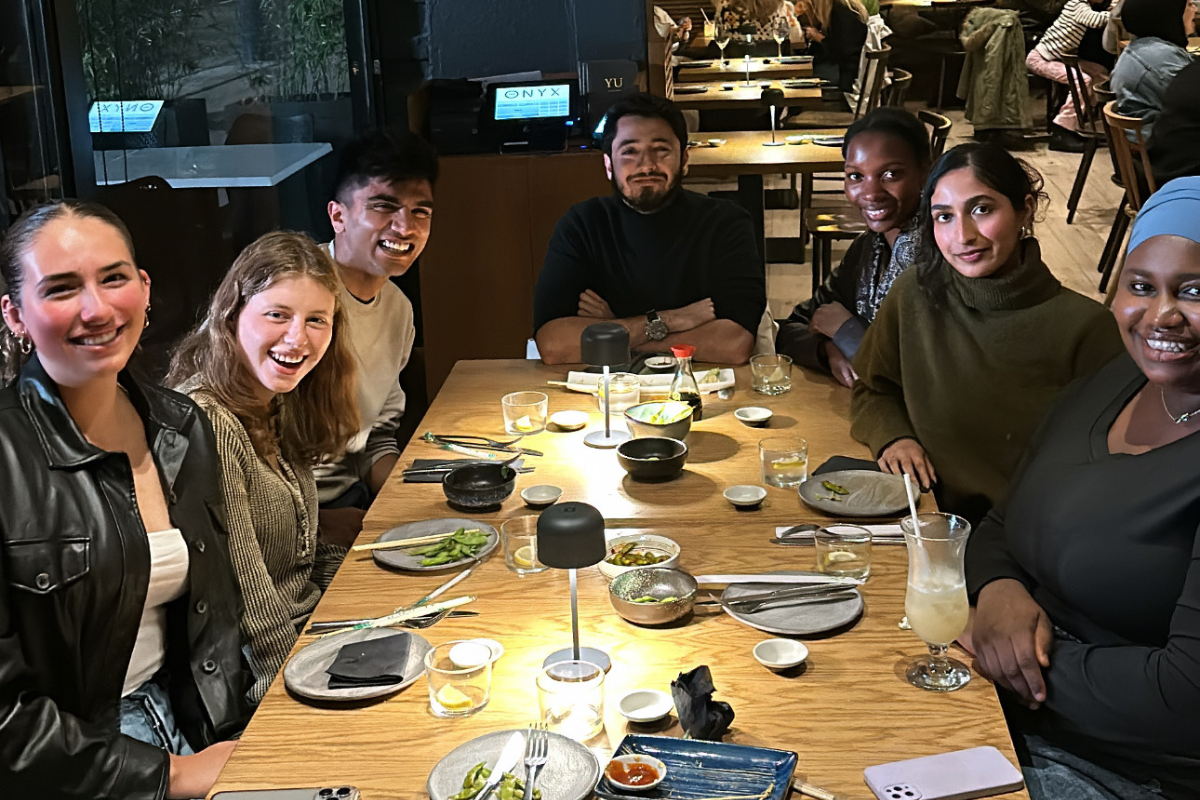
I came to Cape Town to learn, and I left more determined than ever to help humanize healthcare—one innovation at a time.
The Mastercard Foundation Scholarship program at the University of Toronto is implemented by the Center for International Experience, under the Africa Health Collaborative.
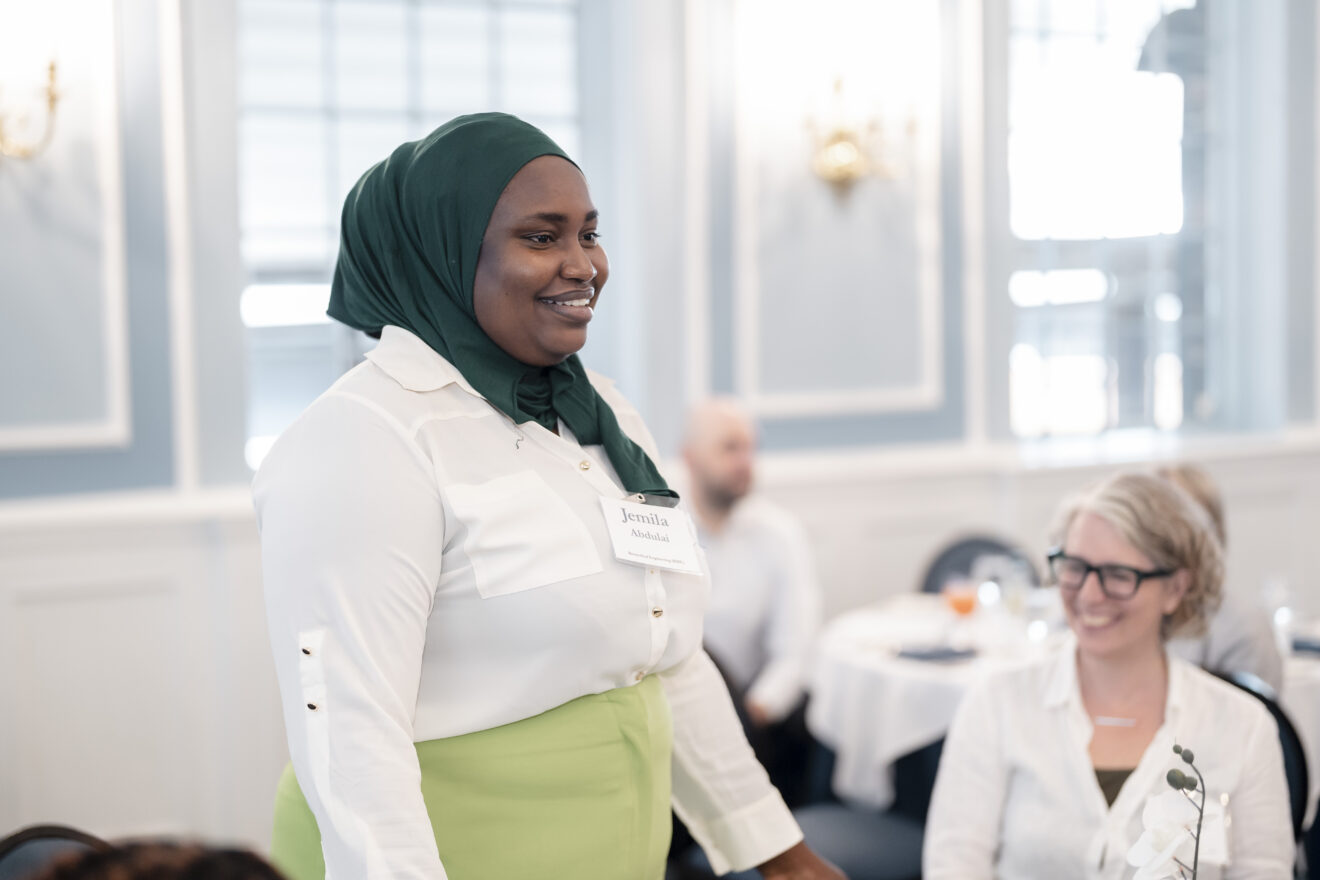
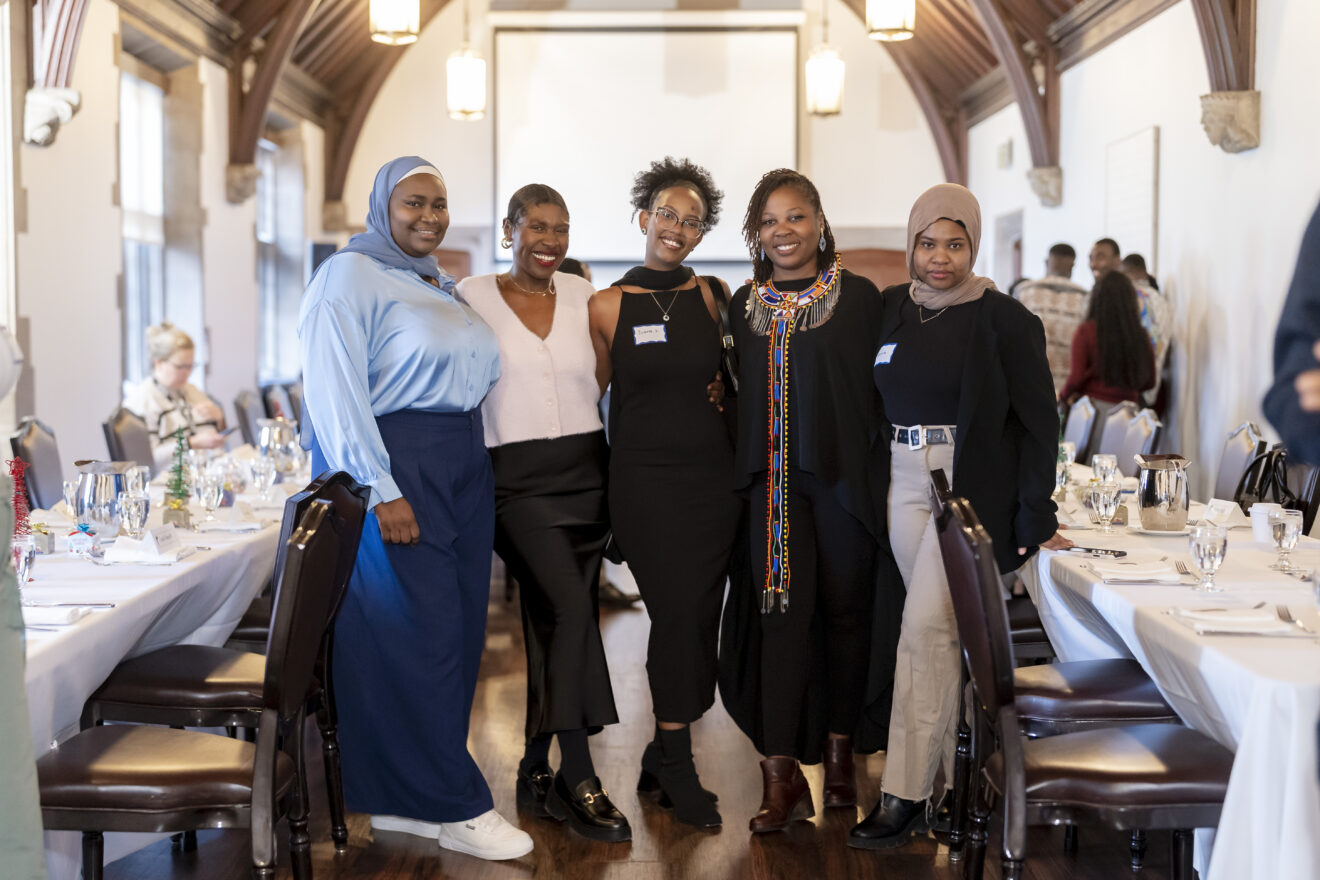
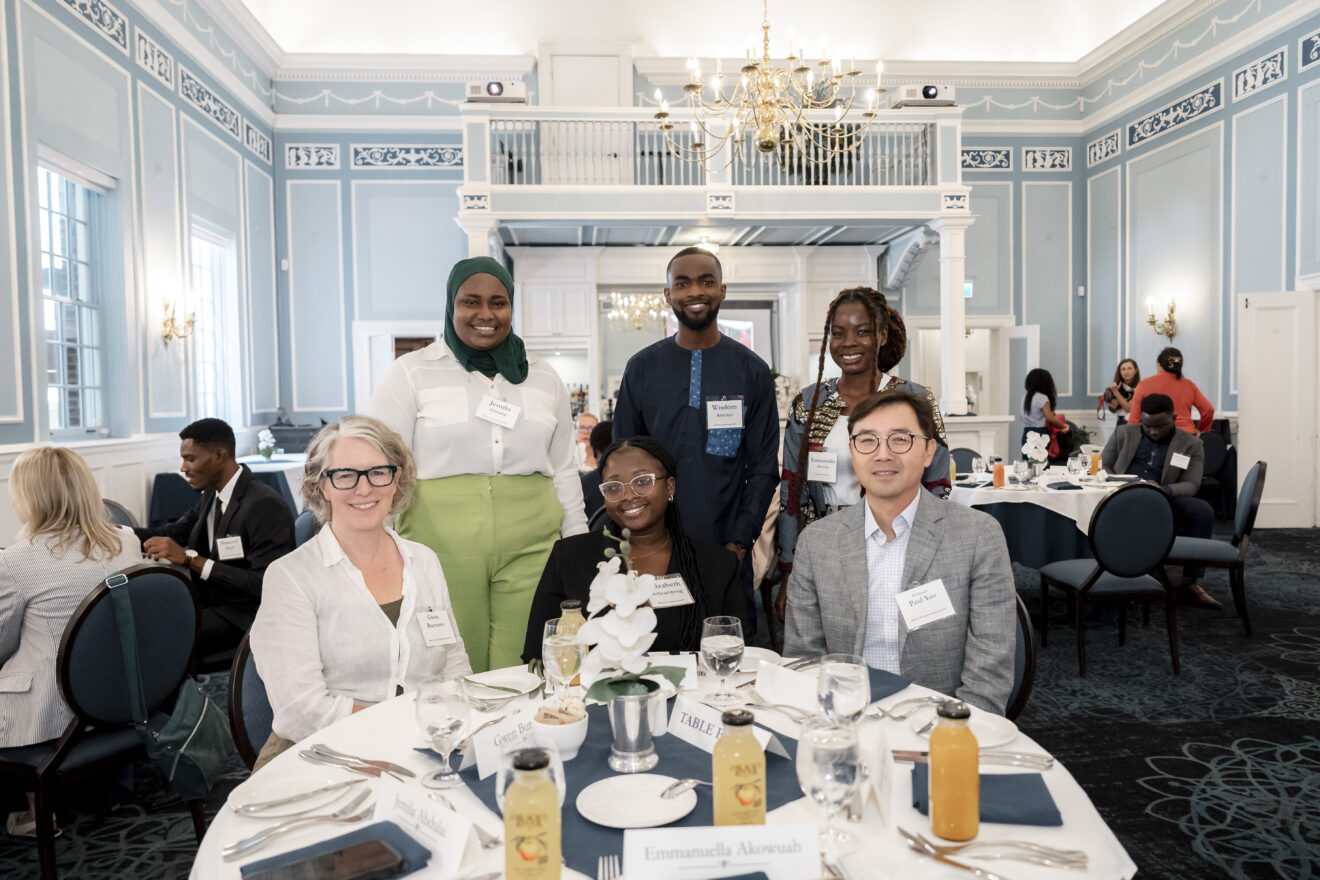
Listen to Jemila share her work on developing the ADL Arm on the Science to Society Podcast:
More News & Events
Skip scroller content
Remarks by Prof. Angela Owusu-Ansah at the Closing Ceremony of the 2026 Africa Health Collaborative Annual Convening
At the closing ceremony of the 2026 Africa Health Collaborative Annual Convening in Nairobi, Kenya, incoming Executive Steering Committee Chair Prof. Angela Owusu-Ansah shared her vision for empowering young Africans to document and amplify the continent’s health successes.

Meet the Speakers Scheduled for the 2026 AHC Annual Convening
Meet the distinguished speakers of the 2026 Africa Health Collaborative Annual Convening as they share insights on health workforce development, leadership, innovation and partnerships shaping the future of health systems across Africa and empowering the next generation of health leaders.
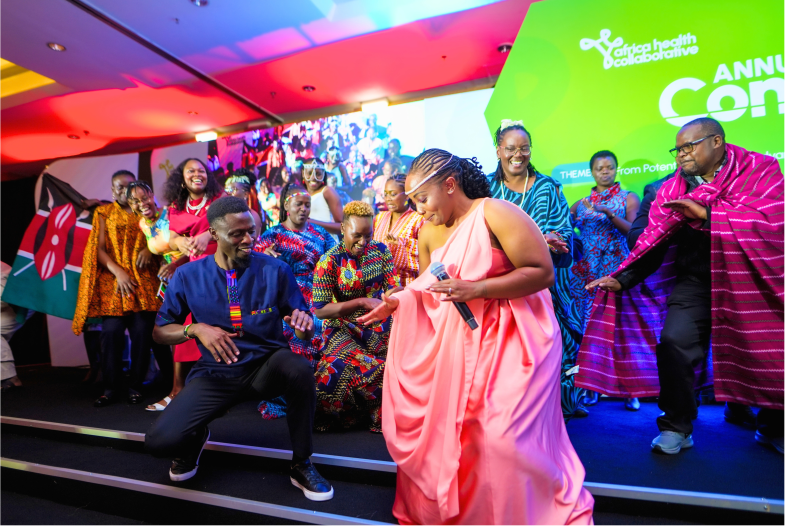
Beyond the Agenda: Bringing Mental Health and Well-being into the 2026 AHC Annual Convening
At the 2026 Africa Health Collaborative Annual Convening, mental health and well-being move beyond discussion into practice. Through quiet spaces, art therapy, movement, and youth-led innovation, AHC is creating a convening experience that supports meaningful participation, connection, leadership, and lasting impact.
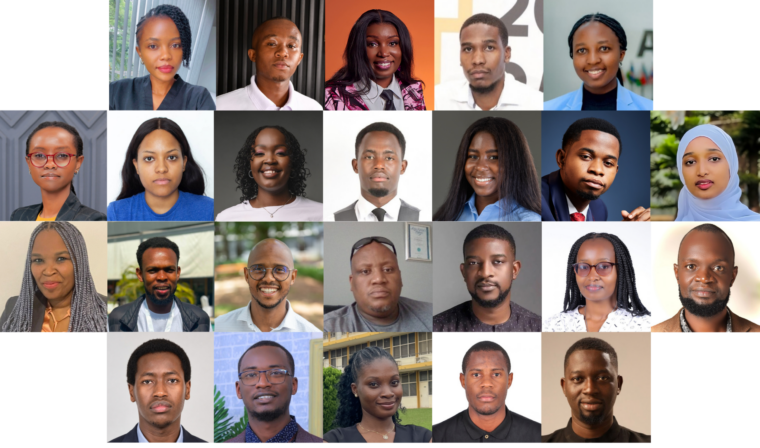
Meet the Ventures Showcasing at the 2026 Africa Health Collaborative Annual Convening
These ventures advancing primary healthcare, entrepreneurship and health systems strengthening across Africa will showcase their innovations at the 2026 Annual AHC Convening.
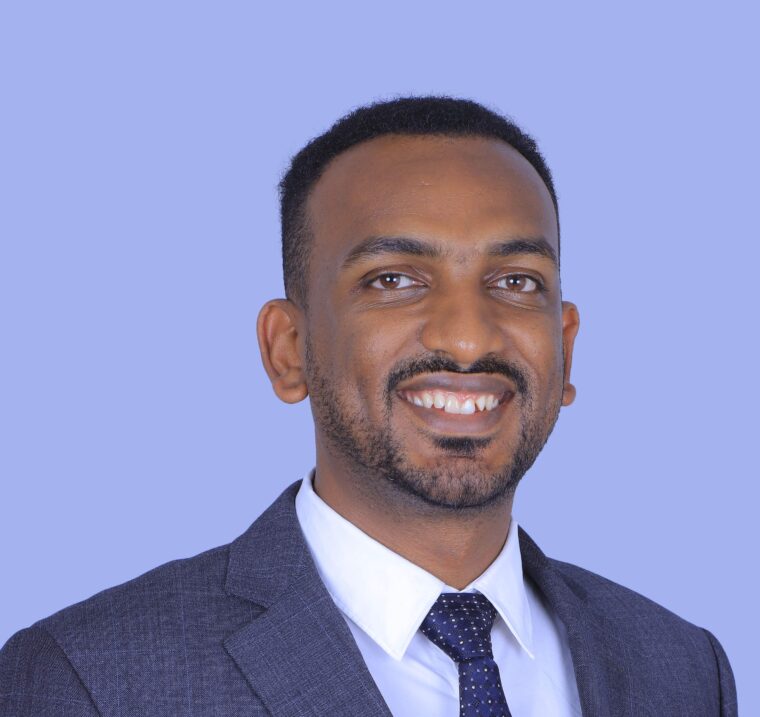
From Clinic to Country: Building Ethiopia’s First Integrated Model for Older Adult Health
What began with one doctor questioning fragmented care for older adults has grown into a pioneering model for Ethiopia. With leadership skills strengthened through the IMIx Certificate, Dr. Asrat built an integrated clinic now informing the country’s healthy aging efforts.
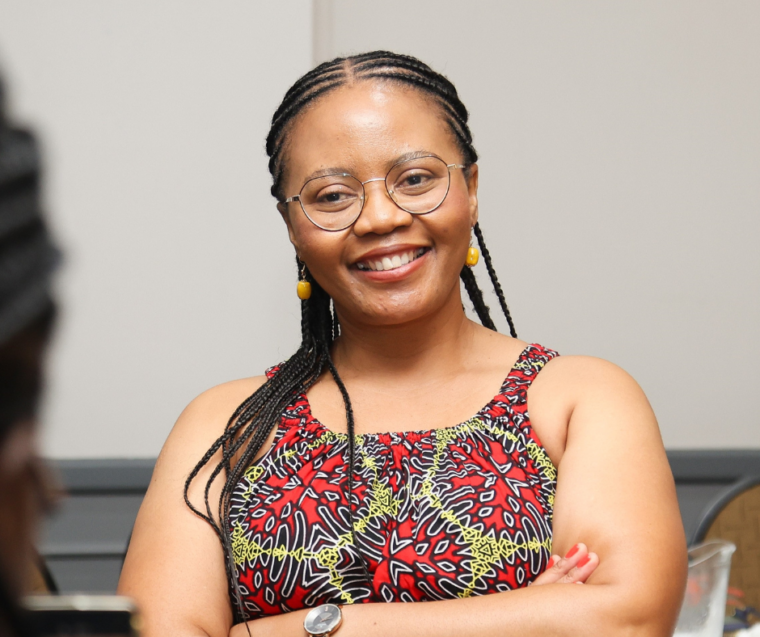
Apply for the Fully-Funded Healthy Futures South Africa (HFSA) PhD Fellowship Programme
This four-year programme supports emerging African health researchers and leaders to conduct community-focused research, strengthen health systems, and translate evidence into meaningful policy impact.
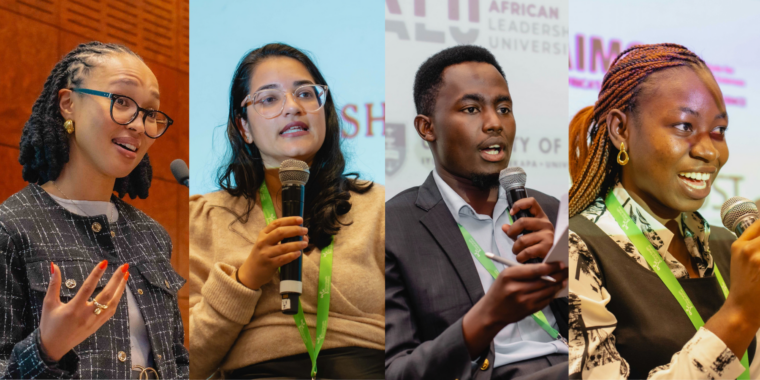
Ubuntu Rising Centres Youth Leadership, Innovation and Employment in Africa’s Health Future
More than 80 young health professionals, innovators and leaders gathered at Ubuntu Rising to advance youth leadership, innovation and employment. Their nine recommendations will inform the Africa Health Collaborative’s Youth Agenda and strengthen pathways for young people across Africa’s health ecosystem.
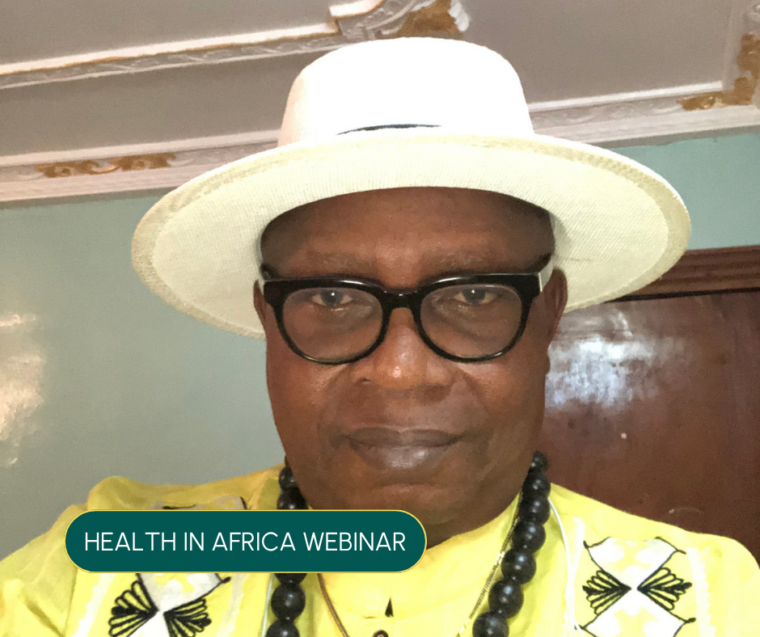
Advancing Health Equity in Africa: How Universities, Civil Society, and Communities Can Strengthen Primary Health Care
In the next HiAS, we explore how governments, universities, civil society and communities can work together to strengthen PHC and advance UHC in Africa, drawing on practical experiences, community engagement and lessons for building more equitable, resilient and people-centred health systems.
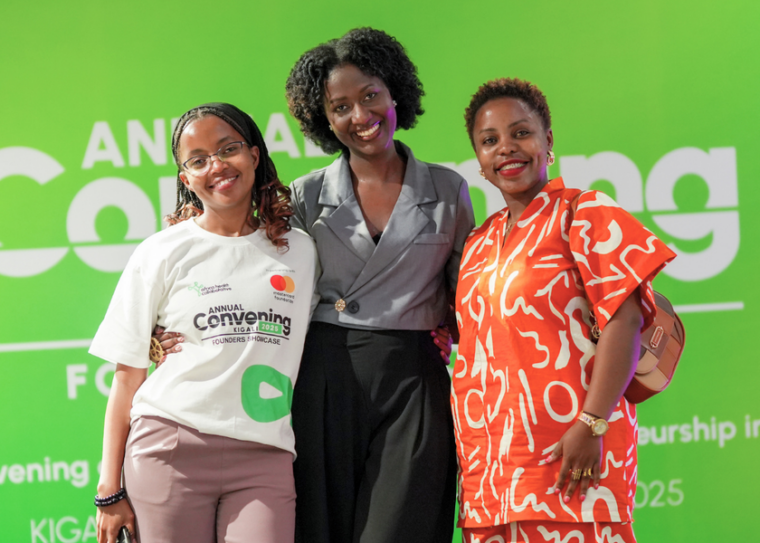
Emerging Leaders’ Day: From Youth Participation to Youth Influence
Emerging Leaders’ Day will bring together young health leaders from across Africa to build leadership skills, strengthen networks, and influence conversations shaping the future of health systems.
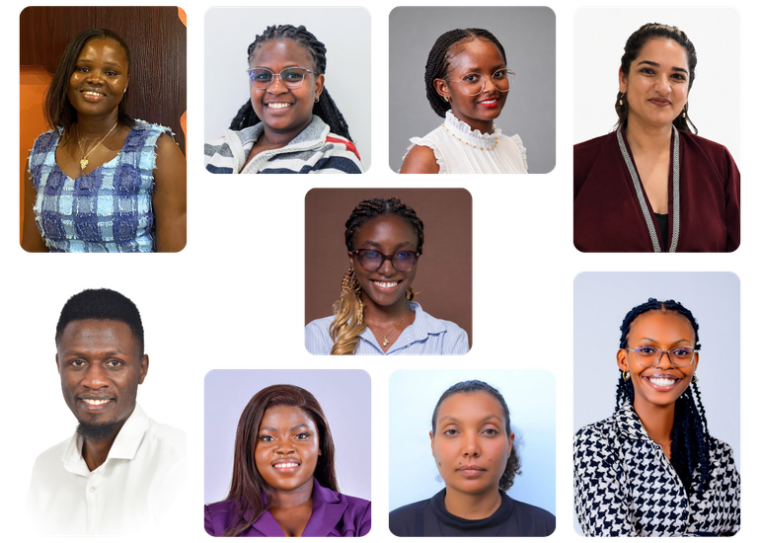
Leading Change Through Lived Experience
Across Africa, an emerging generation of health leaders is transforming personal challenges into powerful innovations. Through the AHC’s Young Leaders Committee, young researchers, entrepreneurs, technologists, and advocates are drawing on lived experiences with illness, caregiving, mental health, and healthcare inequities to design solutions that strengthen health systems and expand access to care.