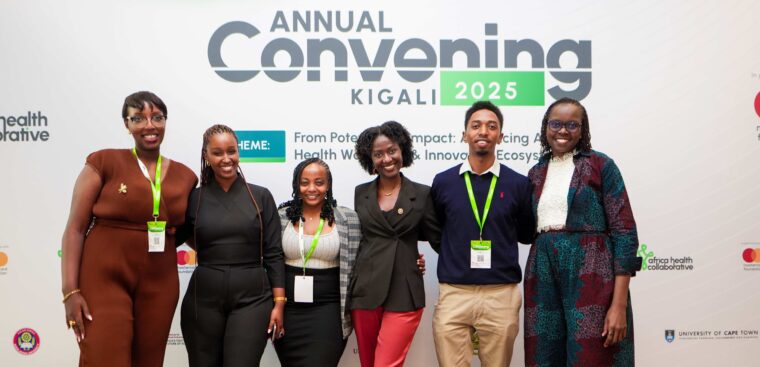
How can Africa’s next generation transform primary healthcare systems to better serve their communities? That question took center stage at the 2025 Africa Health Agenda International Conference (AHAIC), where a dynamic side session organized by the Africa Health Collaborative highlighted how youth-driven innovation is reshaping healthcare in impactful and sustainable ways.
The Urgent Need for Innovation in Healthcare
Professor Nhlanhla Thwala, Provost and Vice Chancellor of the African Leadership University (ALU) and Chair of the Executive Steering Committee of the Health Collaborative, emphasized Africa’s healthcare challenges: unreliable data, high mortality rates, and workforce shortages. However, he encouraged participants to view these issues as entrepreneurial opportunities. Professor Thwala stressed the need to strengthen healthcare ecosystems, foster entrepreneurship, and improve employment pathways for healthcare graduates.
Youth Entrepreneurship as a Solution
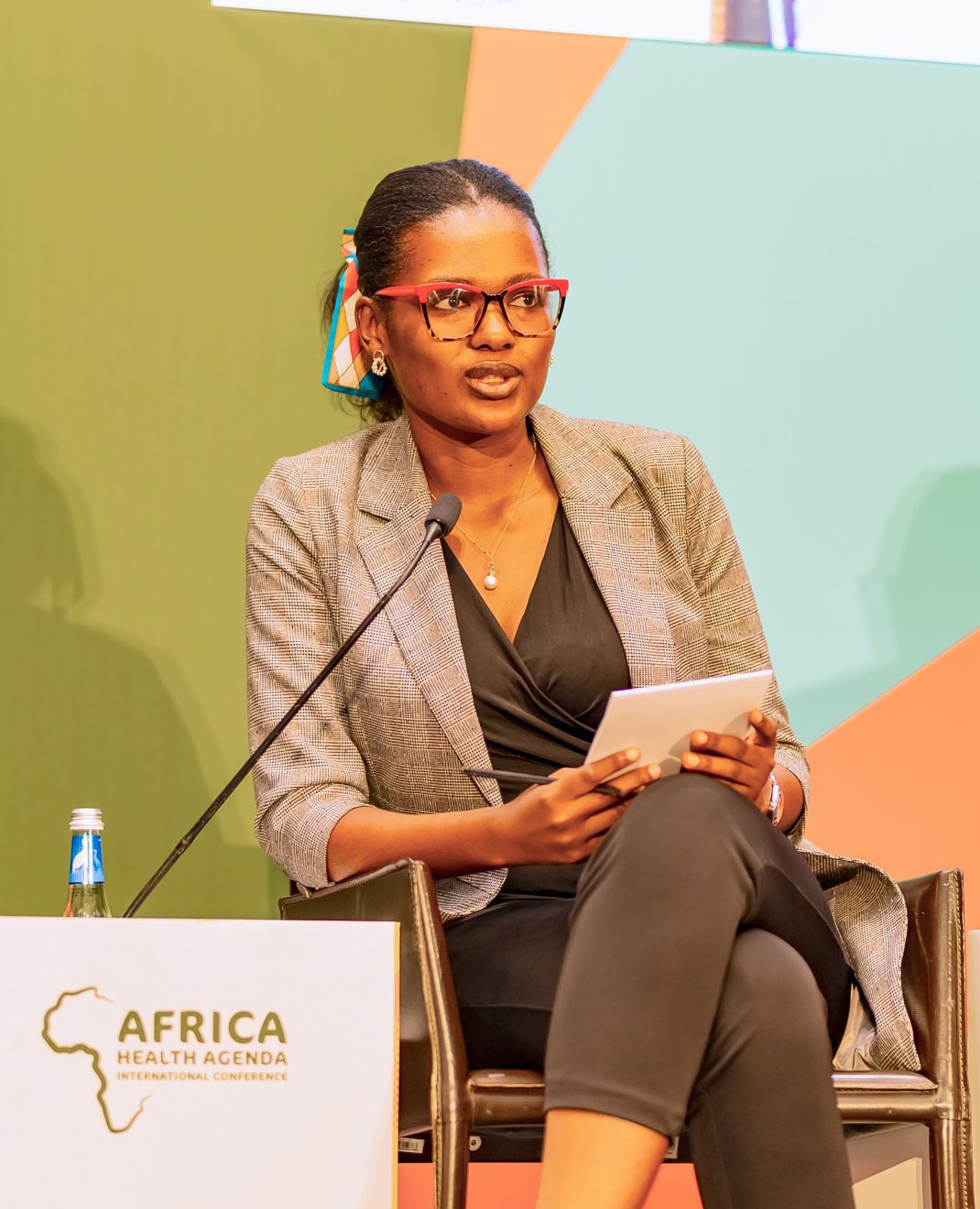
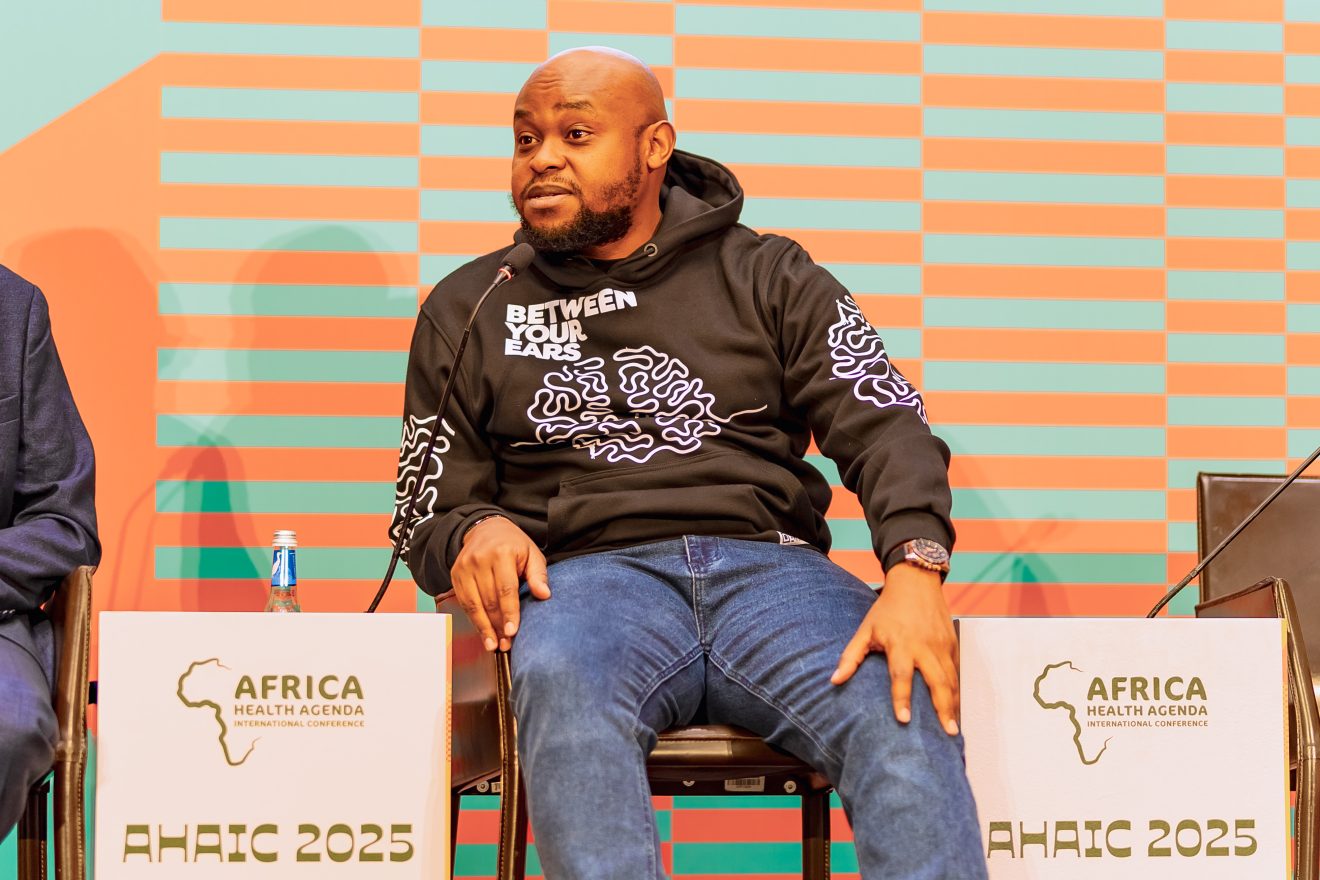
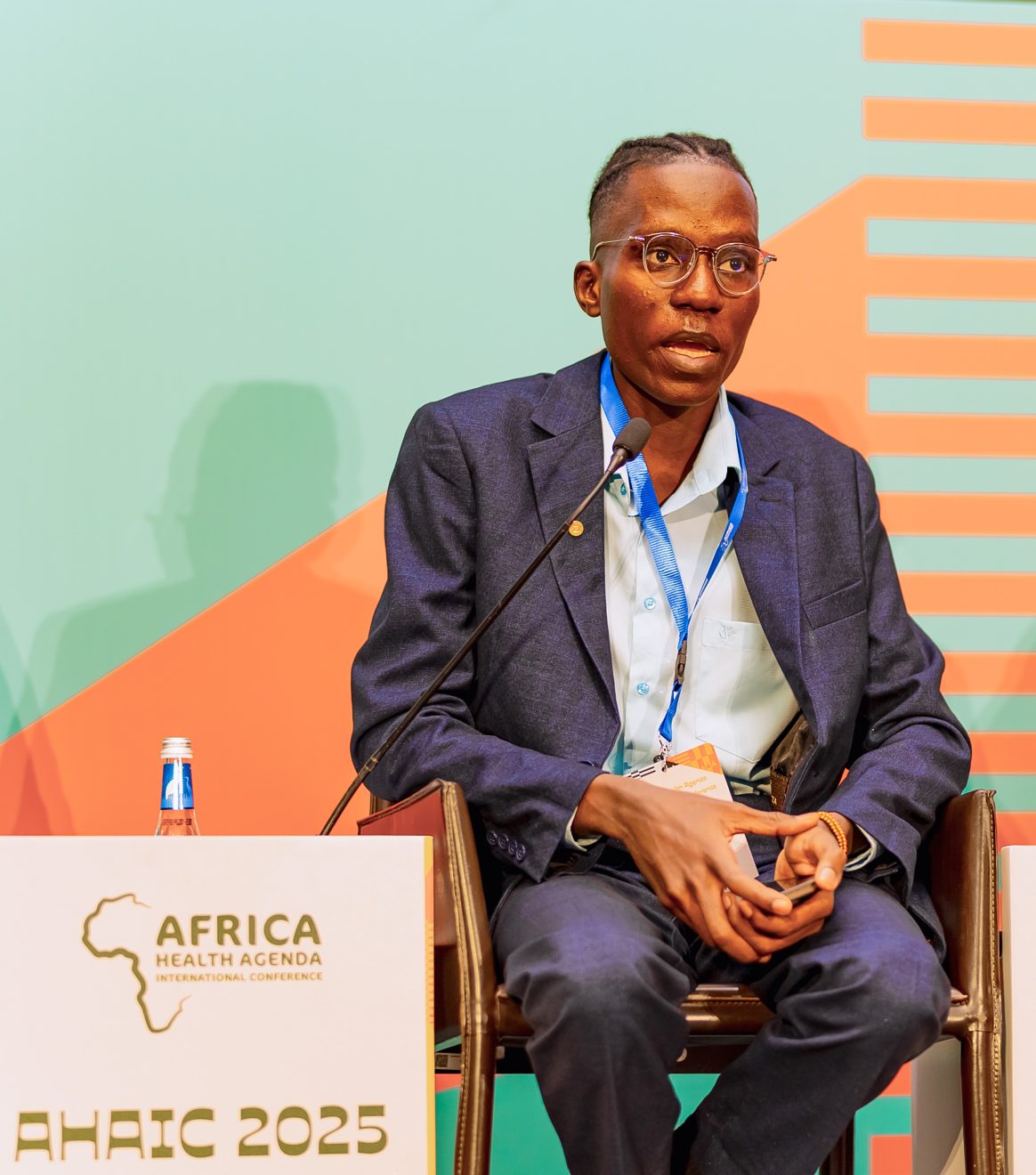
Young innovators presented impactful and sustainable healthcare solutions and business models:
- Sylvia Nyaga, co-founder of Syna Consultancy, developed a portable toilet designed to improve accessibility for people with disabilities. Initially focused on 100% local manufacturing, her design evolved to a 50% outsourcing, 50% local production model to improve affordability and reach. By partnering with local artisans, her team ensured cost efficiency and community involvement.
- Aaron Ogunde, co-founder of Damu Sasa Kenya, created an innovative blood services management platform. He emphasized the importance of building a viable business model that ensures hospitals and the healthcare ecosystem pay for services, moving away from reliance on grants.
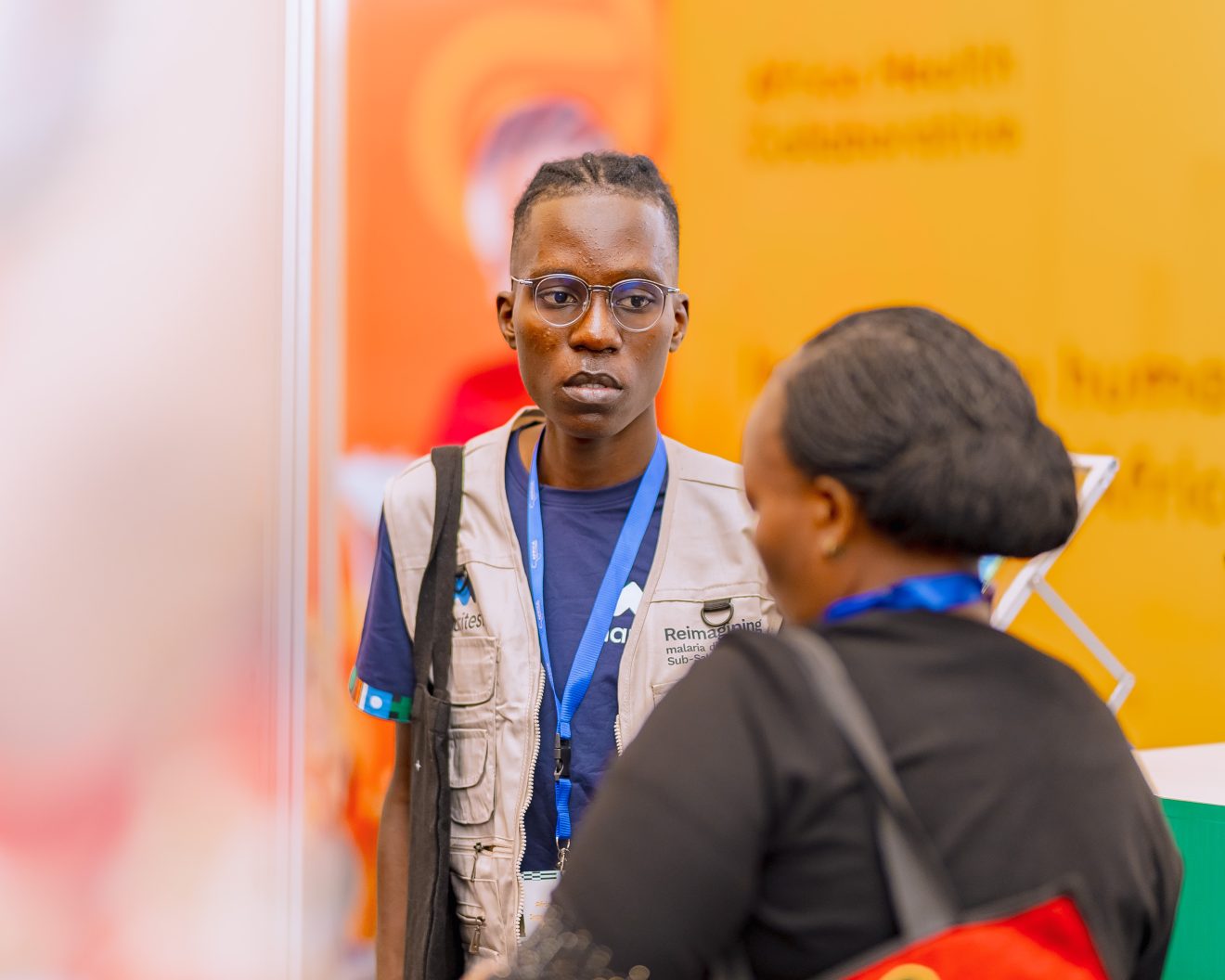
- Hakim Kakooza, founder of MariTest, is developing a reusable AI-powered malaria diagnostic device. His team collaborates with organizations like Rotarians Against Malaria and engages community health workers to ensure the device’s buy-in and suitability for last-mile healthcare delivery.
The Role of Higher Education
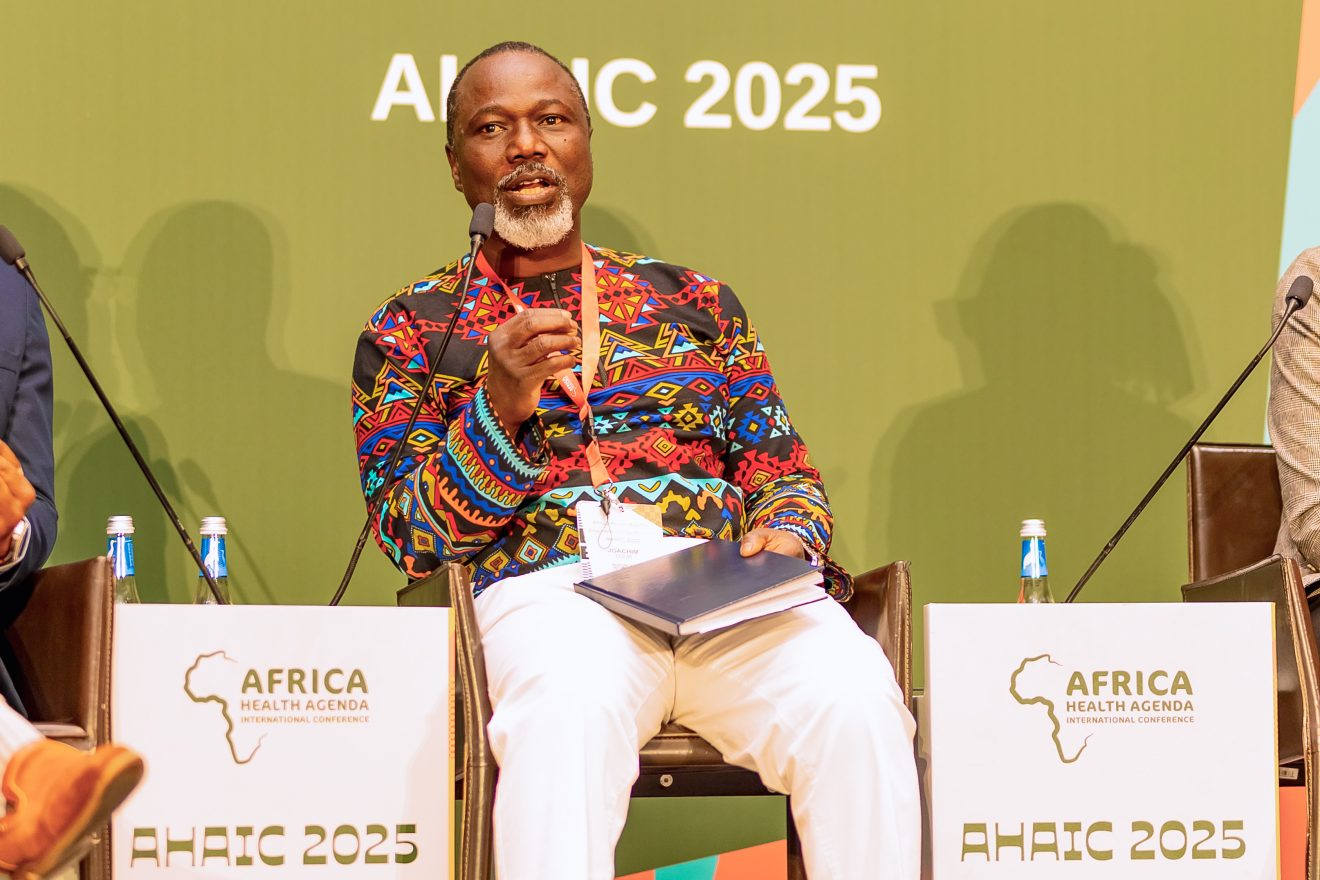
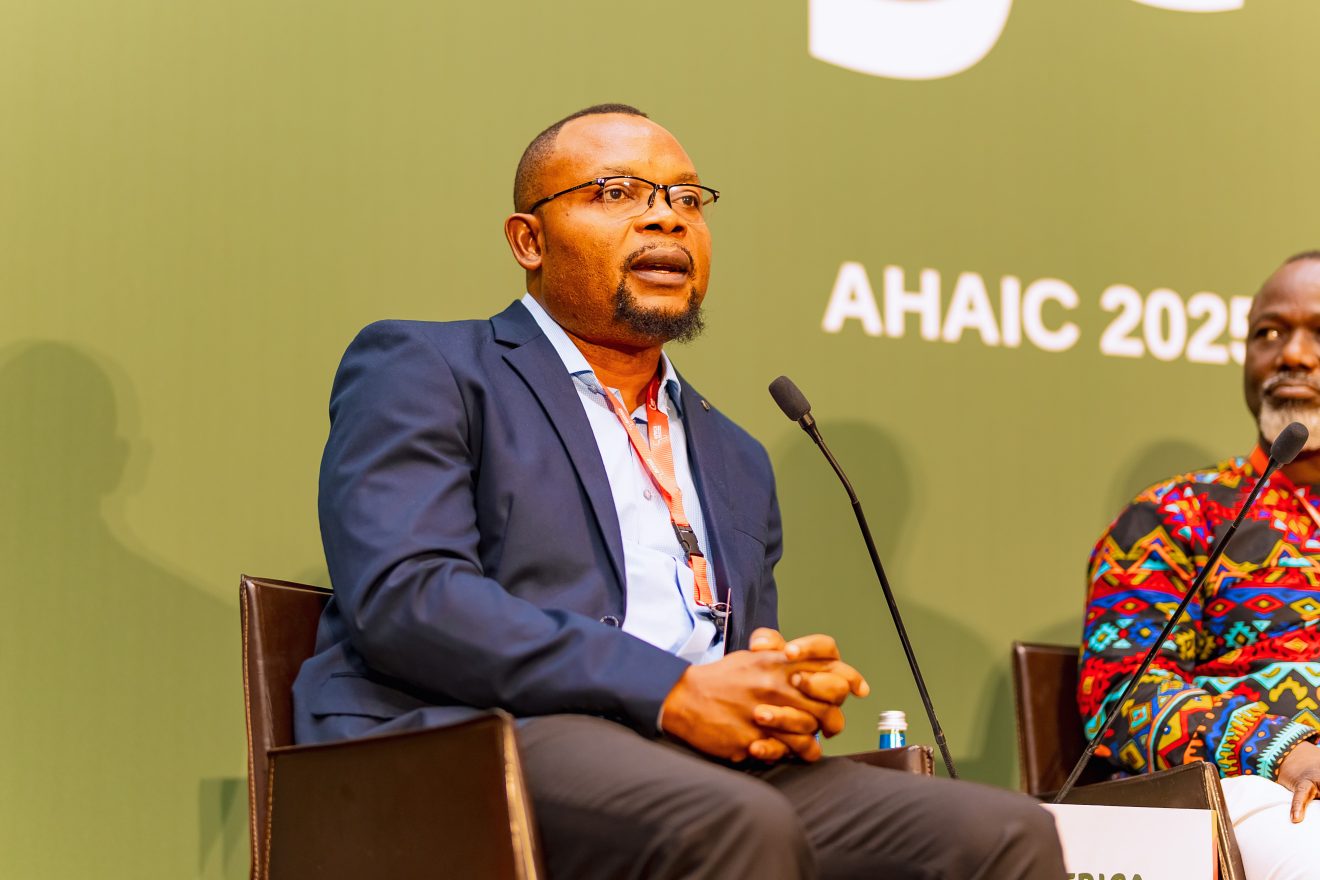
Institutions like Amref International University (AMIU) and the African Institute for Mathematical Sciences (AIMS) are adapting curricula to prepare students for evolving healthcare careers.
- Professor Wilfred Ndifon, Chief Scientific Officer at AIMS, highlighted the need to train students to adapt to technological changes while retaining social empathy. Developing problem-solving skills and gaining real-world exposure are key.
- Professor Joachim Osur, Vice Chancellor at AMIU, emphasized aligning education with career goals, entrepreneurship, and community impact. Universities should adopt flexible learning pathways that encourage innovation and sustainable business models.
Key Takeaways for Sustainable Change
- Innovate Within Constraints: African healthcare systems must develop creative solutions despite limited financial resources, leveraging local knowledge and partnerships.
- Build Sustainable Business Models: Entrepreneurs should prioritize revenue generation early to sustain their impact.
- Empower Young Innovators: Universities must promote micro-credentials, real-world learning, and entrepreneurship training to prepare students for changing healthcare demands.
- Adopt a Preventive Approach: Future healthcare models should prioritize prevention to improve outcomes efficiently.
Showcasing Youth Innovation in Healthcare
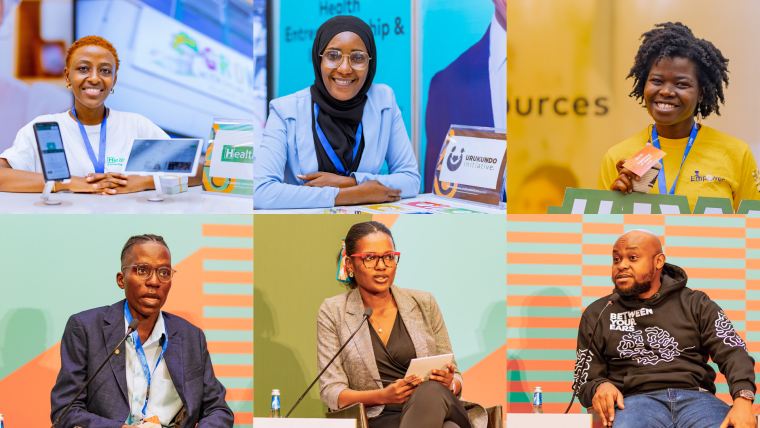
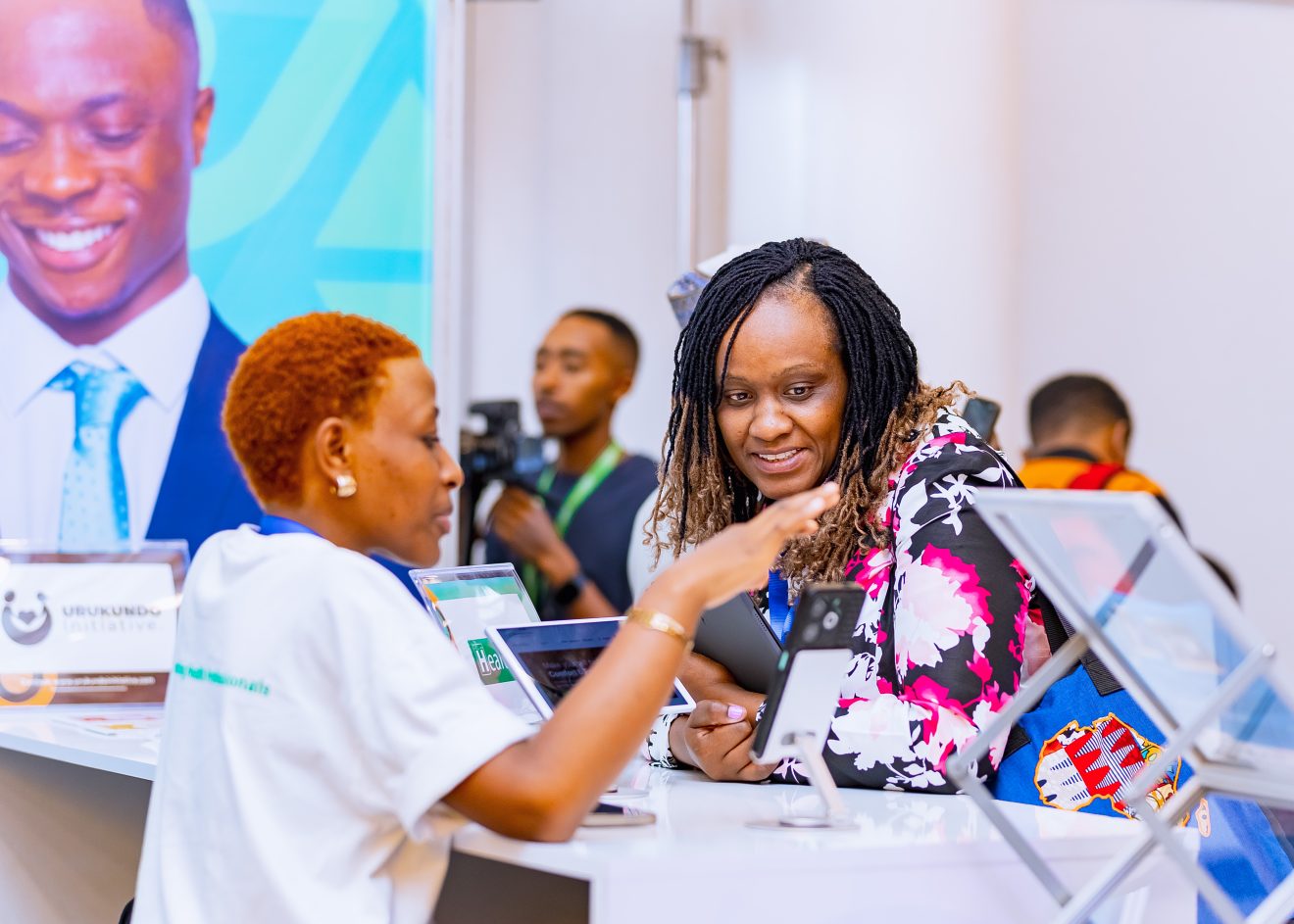
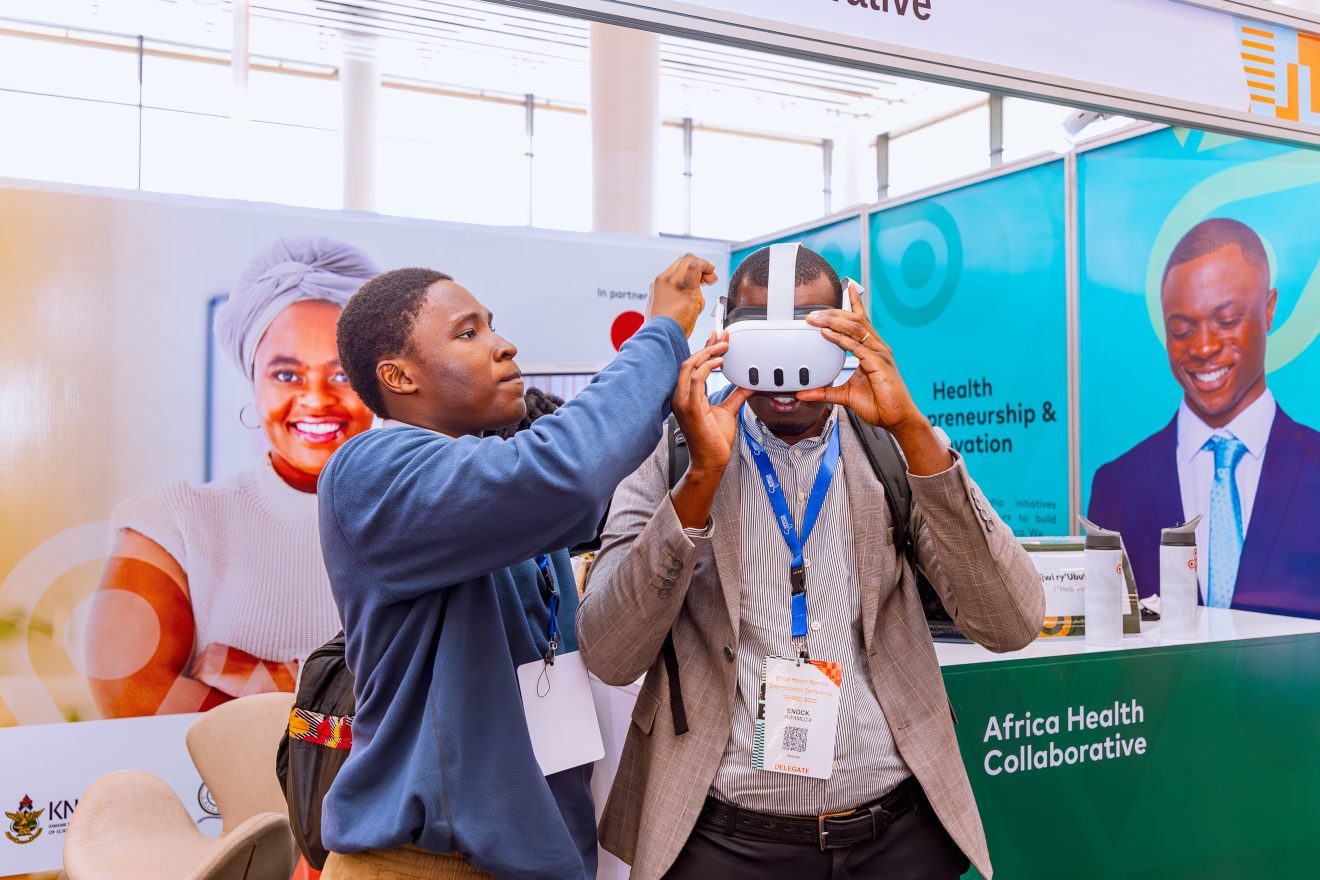
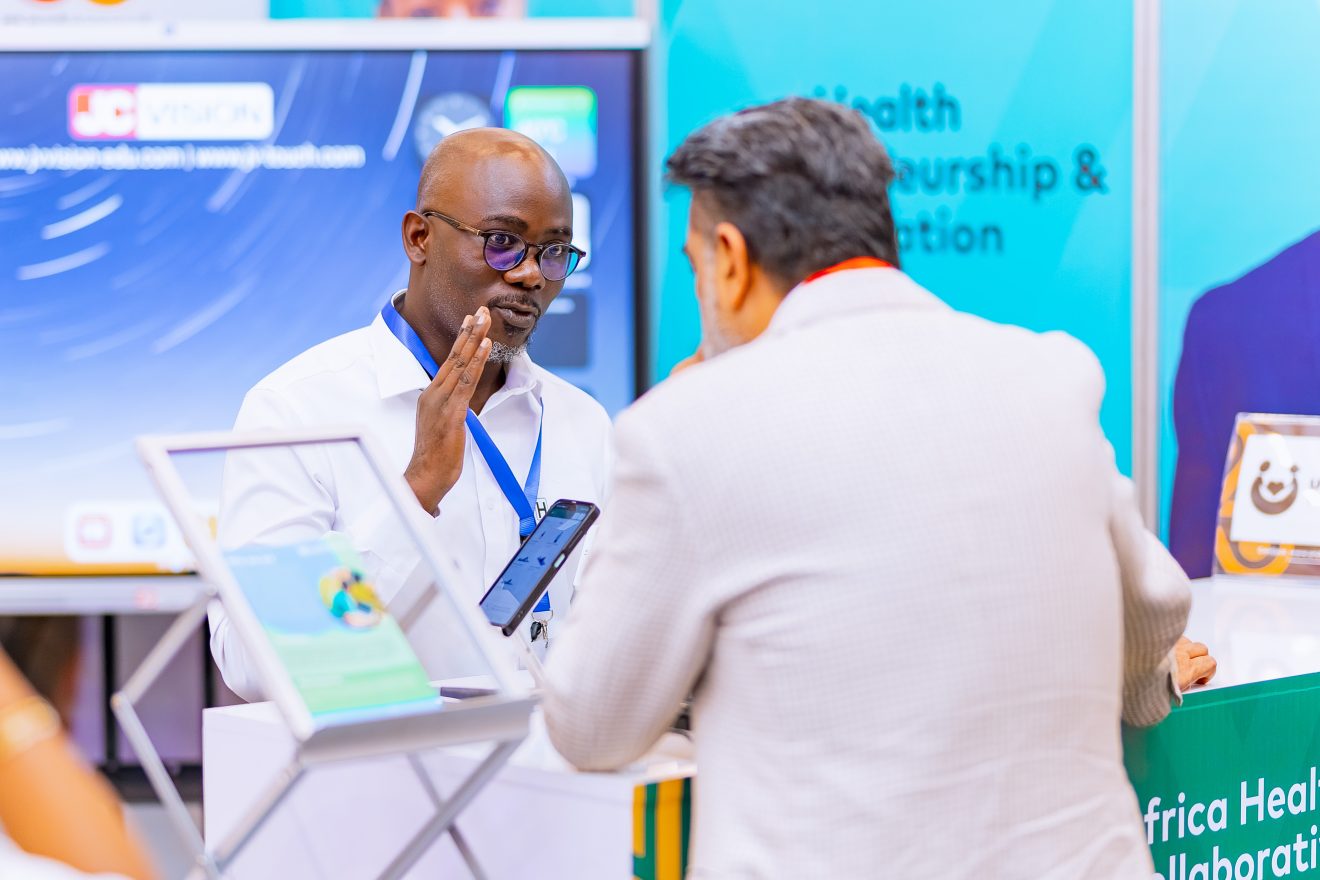
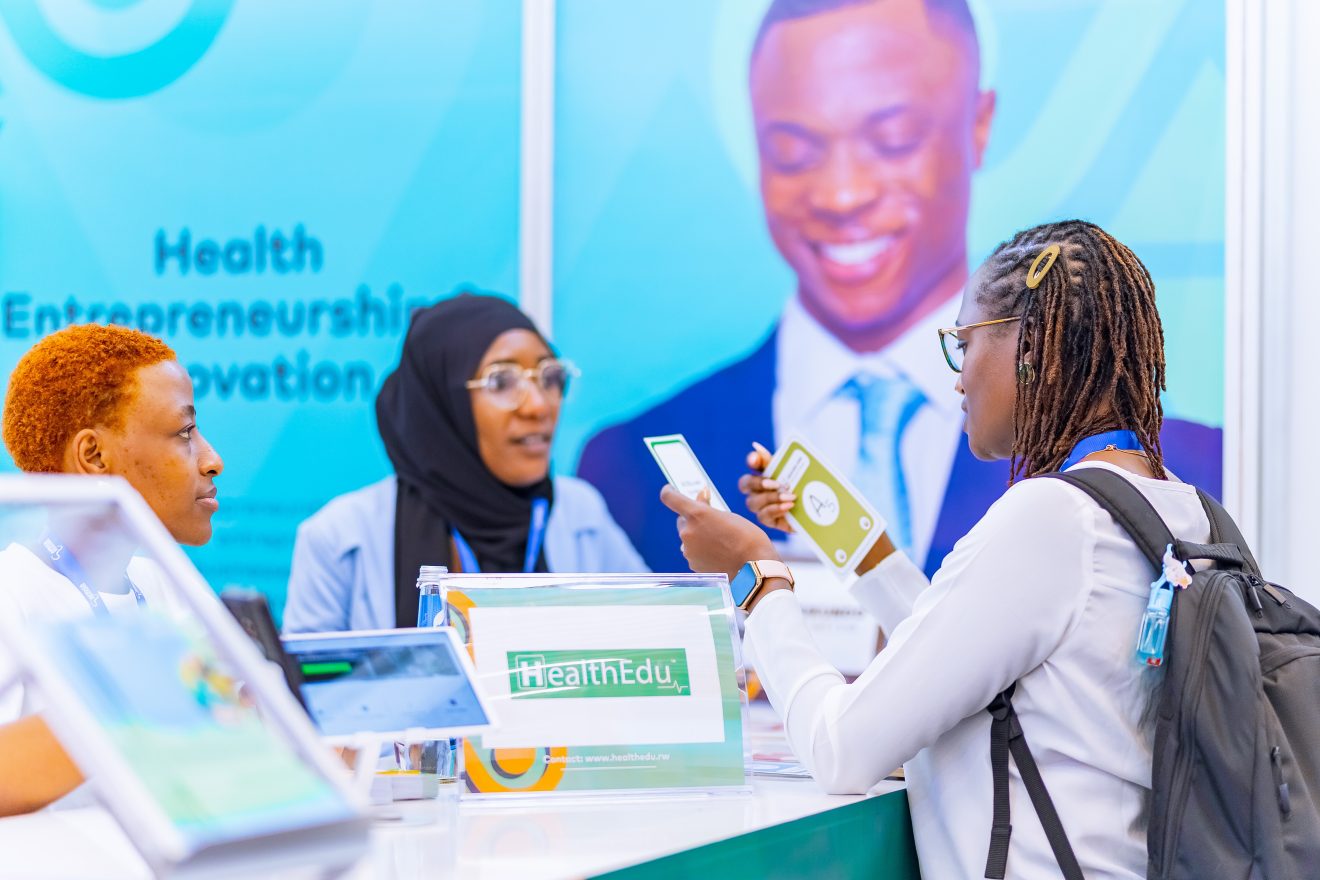
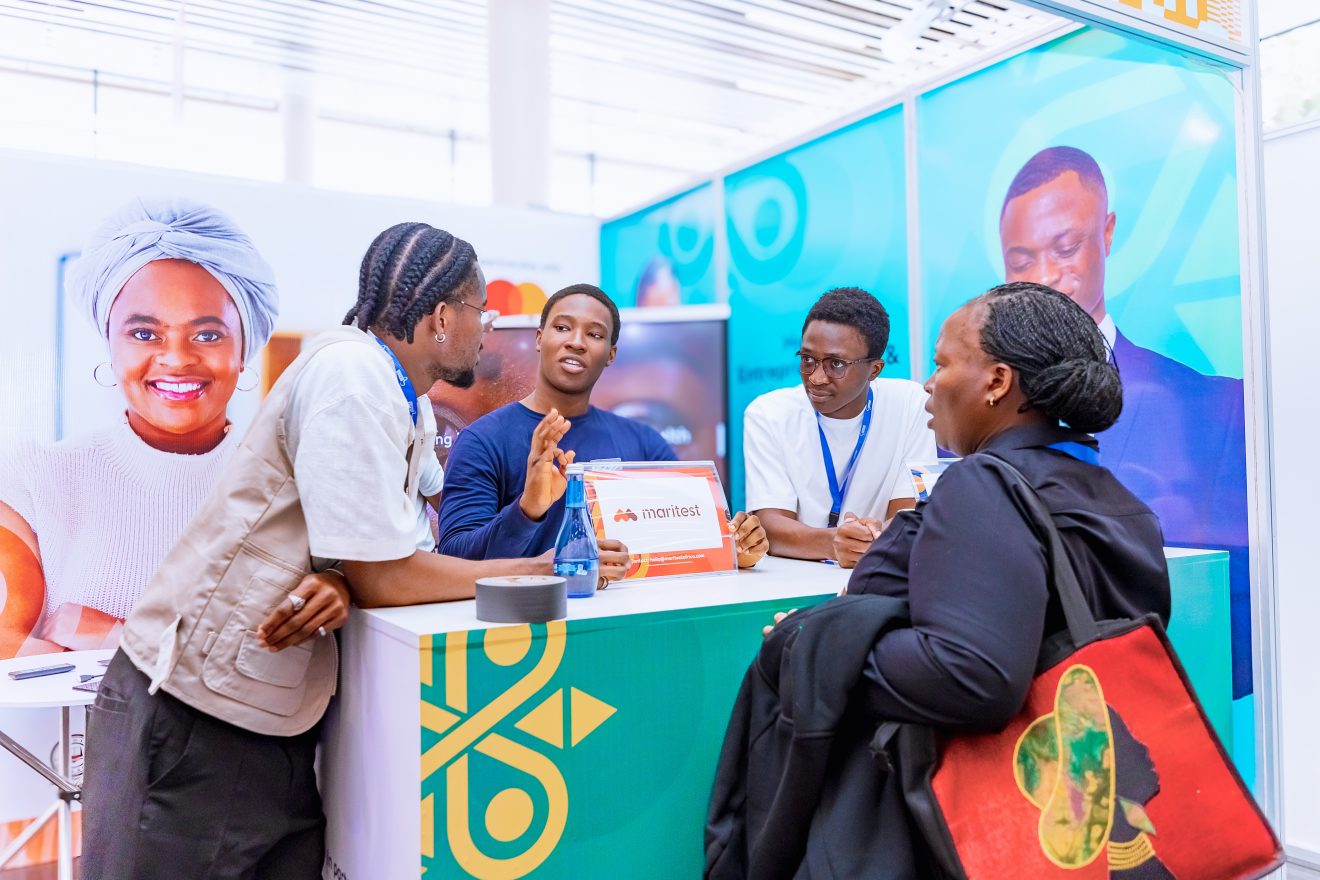
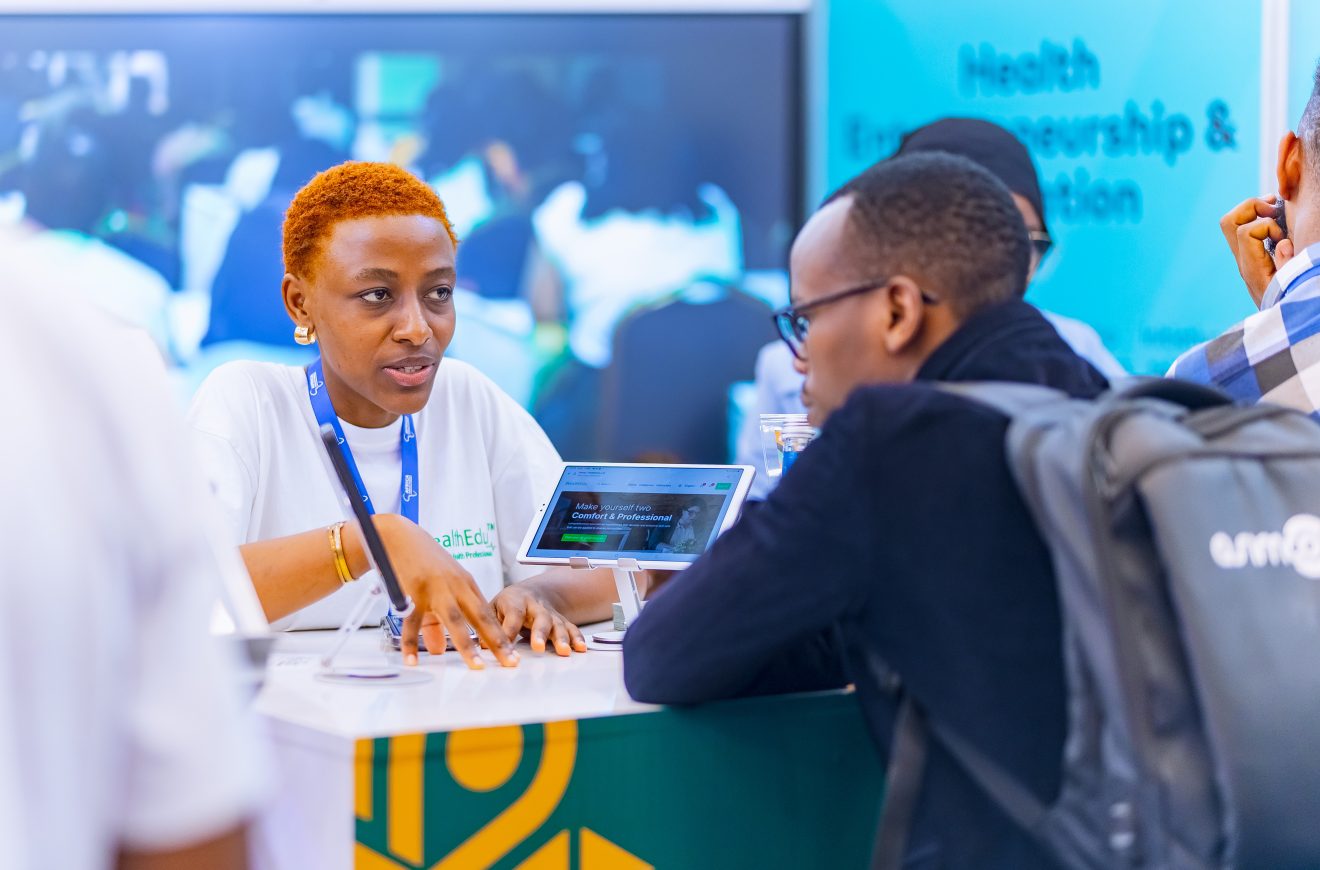
Beyond the discussions, the Africa Health Collaborative booth showcased six inspiring youth-led innovations:
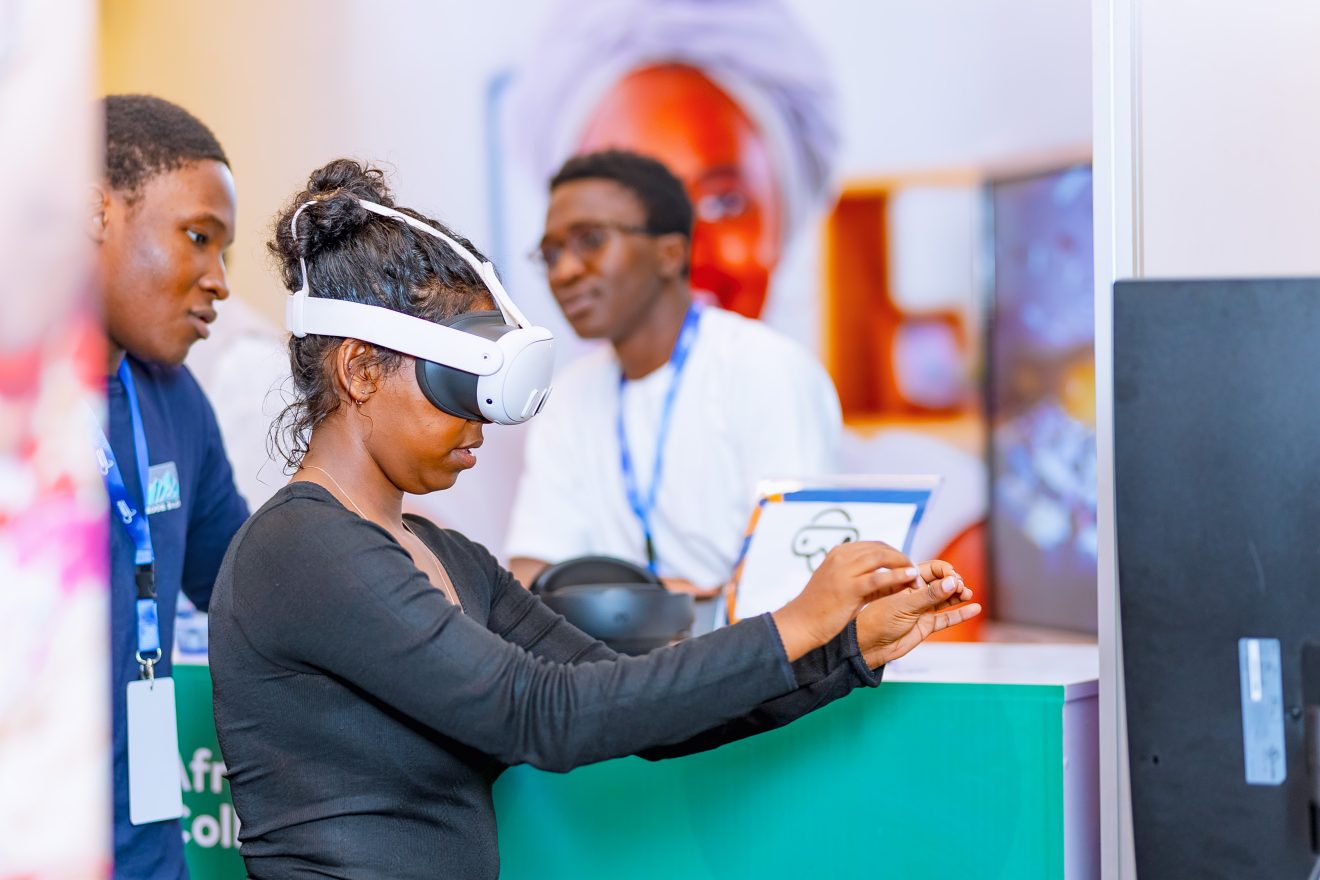
- MediXR: Uses Virtual Reality (VR) and 3D simulation to revolutionize medical training and patient education through immersive simulations that improve healthcare professionals’ skills and patient understanding of complex procedures.
- Ijwi ry’Ubufasha (translated as “Help Voice”): This project tackles gender-based violence (GBV) in Rwanda using an AI-powered voice-based system that offers confidential support, connects individuals to resources, and informs policymakers with real-time data.
- MariTest: An AI-powered, non-invasive malaria diagnostic device designed for remote and resource-limited areas. It addresses Malaria Rapid Diagnostic Test (mRDT) stockouts, blood testing risks, and inefficient reporting, improving detection, treatment, and outbreak prediction.
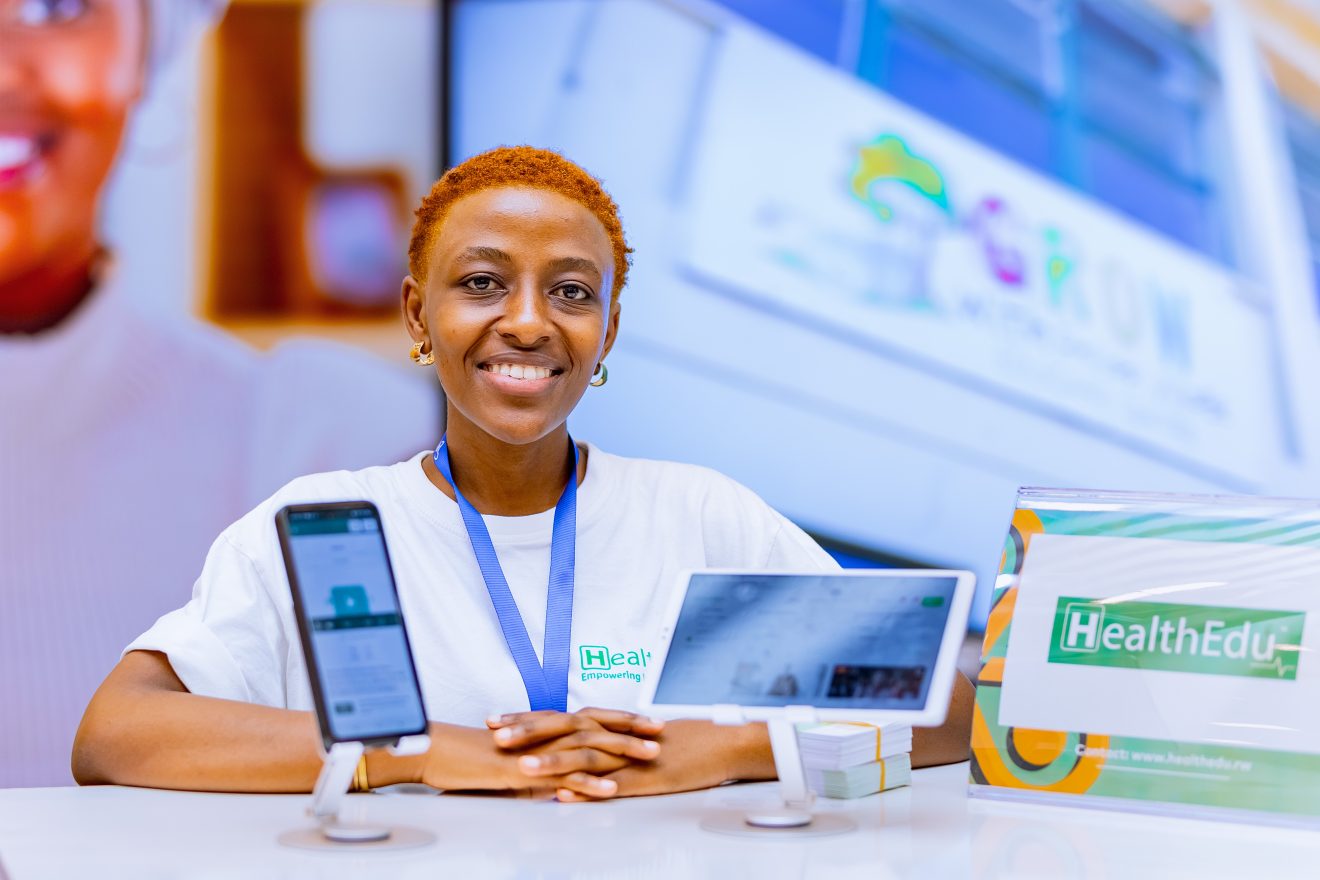
- HealthEdu Ltd: A capacity-building company that provides continuous education for healthcare professionals, improving care quality and reducing medical errors. It also offers rehabilitation services in remote areas through digital solutions.
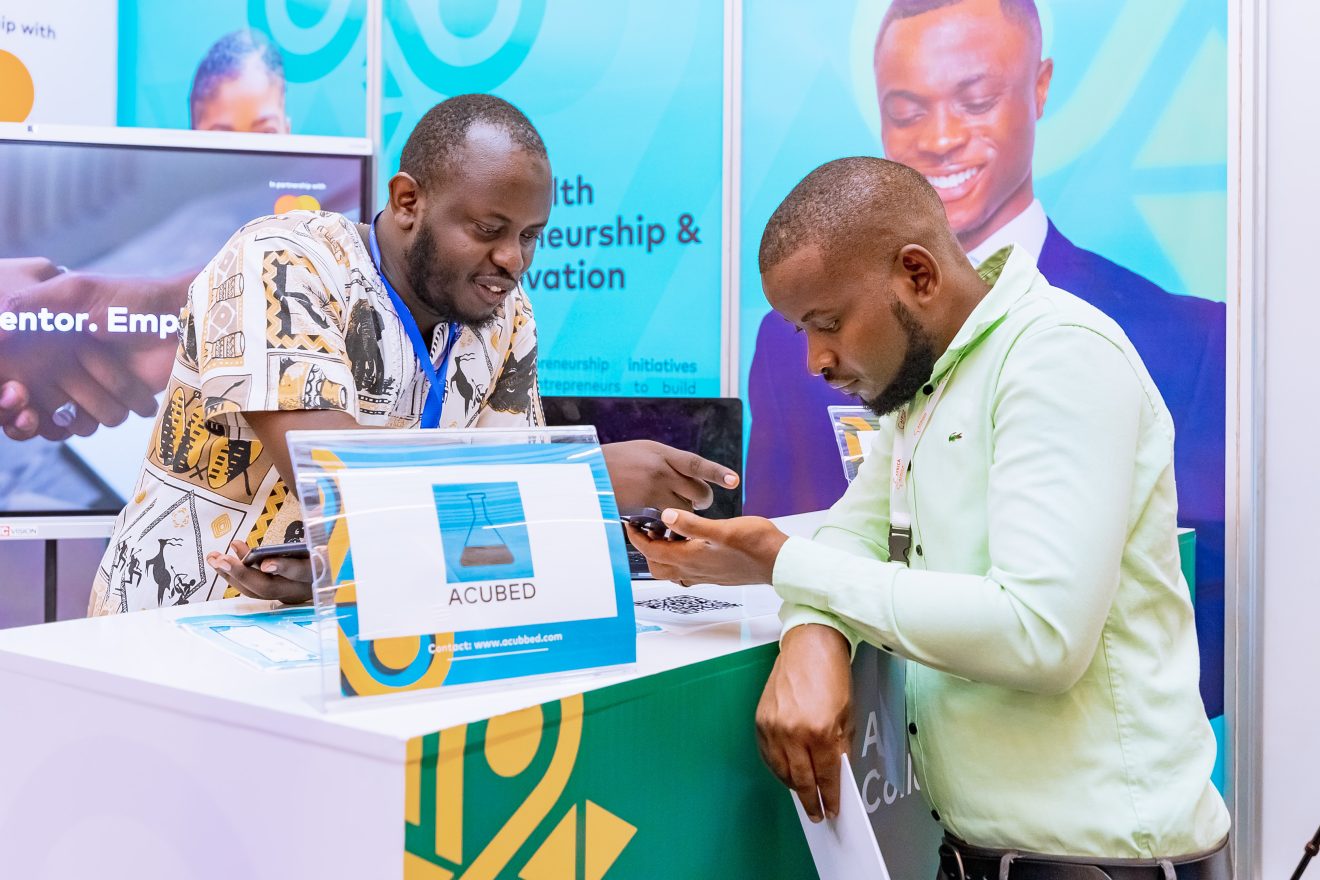
- ACUBED: Focuses on improving diagnostic test availability in Sub-Saharan Africa, developing accessible solutions to improve healthcare outcomes in underserved areas.
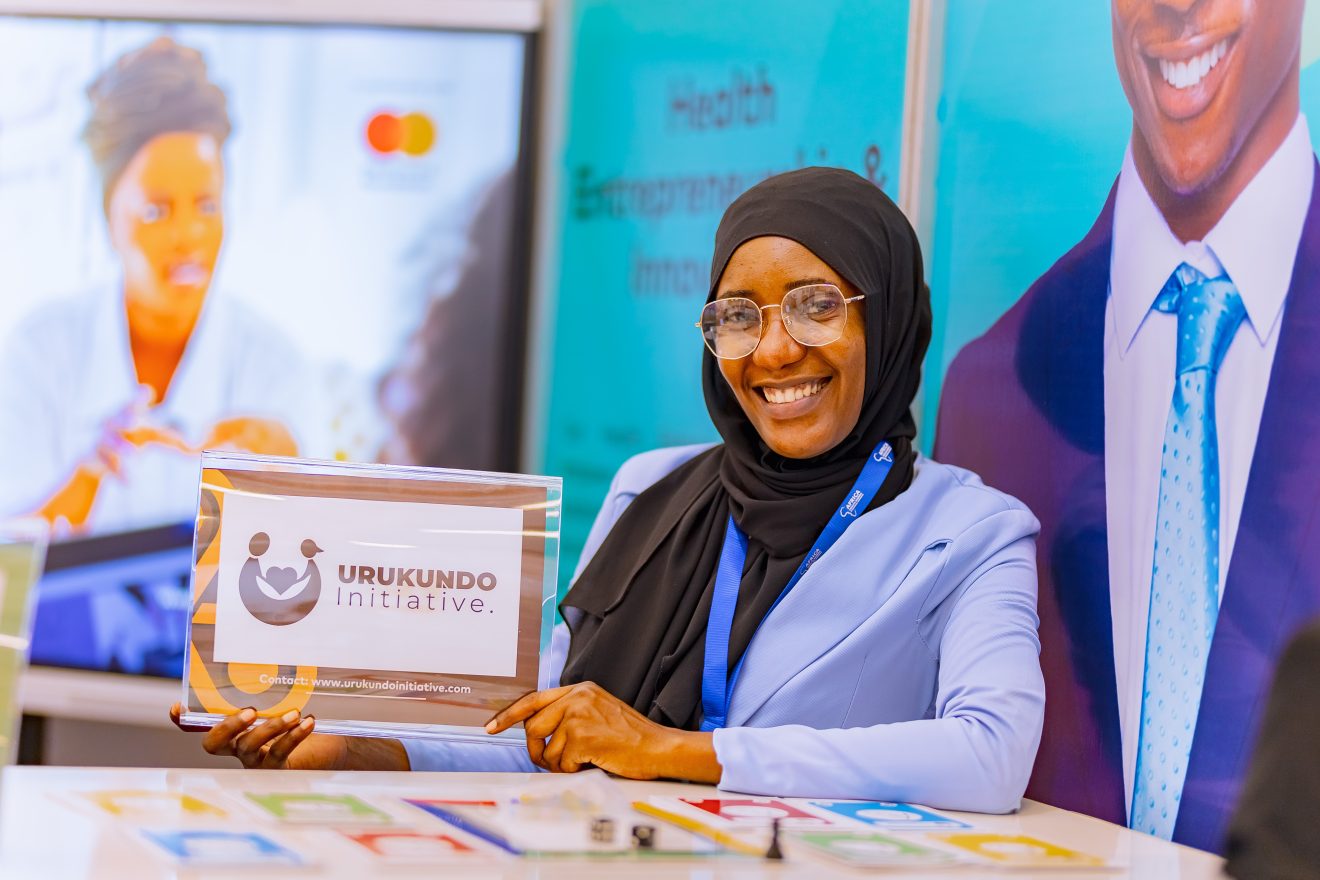
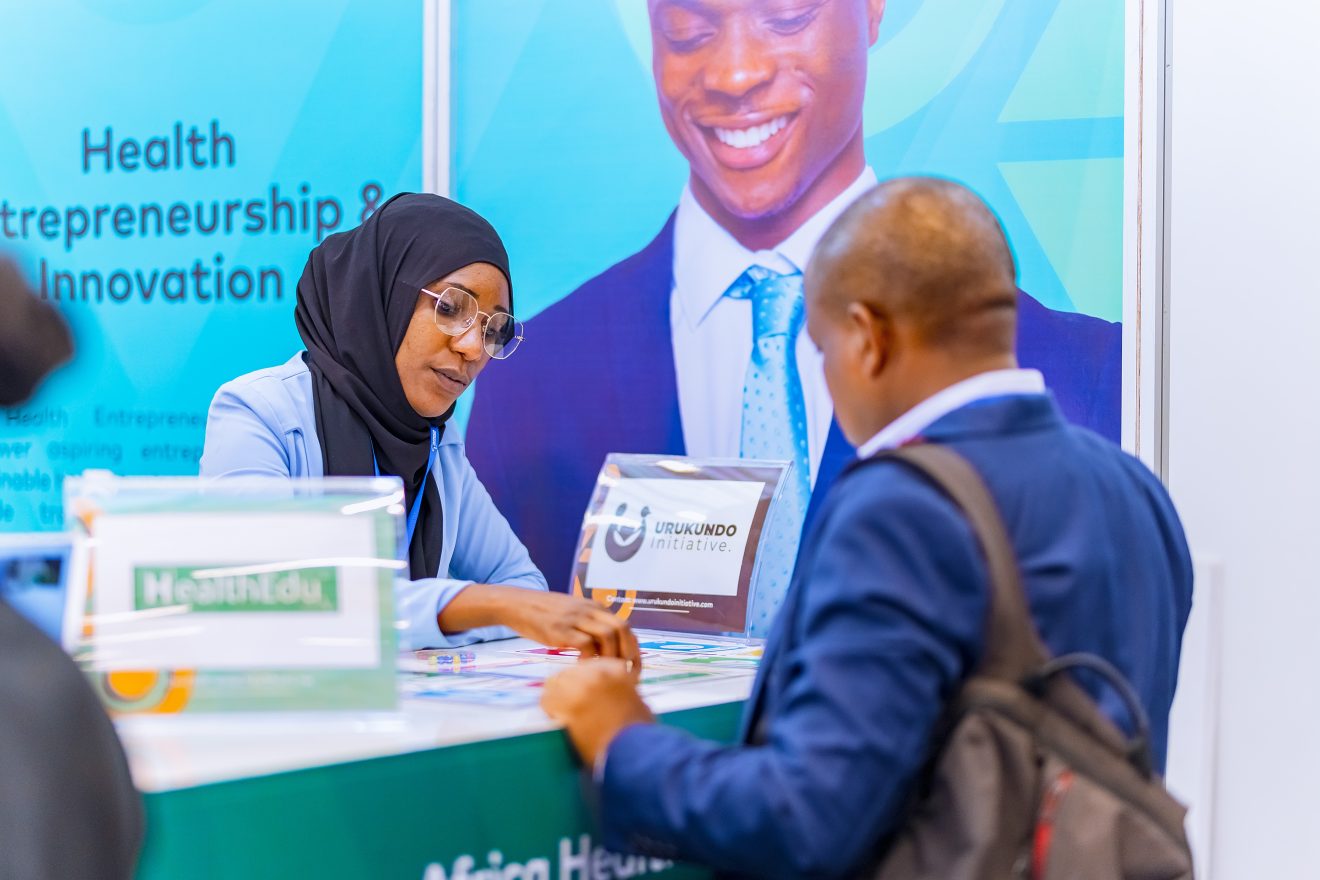
- URUKUNDO Initiative: A youth-led social enterprise transforming life skills education — particularly Sexual Reproductive Health and Mental Health — through innovative play-based solutions, including Rwanda’s first licensed health education board game.
Driving Impact Through Collaboration
Supported by the Mastercard Foundation, the Africa Health Collaborative’s focus on empowering young people with entrepreneurial skills and sustainable career pathways is driving transformative change in Africa’s healthcare landscape. By fostering innovation, encouraging collaboration, and supporting young leaders, the Health Collaborative is helping to build a healthcare system that is effective, sustainable, and capable of meeting Africa’s growing health needs.
More News & Events
Skip scroller content
Beyond the Agenda: Bringing Mental Health and Well-being into the 2026 AHC Annual Convening
At the 2026 Africa Health Collaborative Annual Convening, mental health and well-being move beyond discussion into practice. Through quiet spaces, art therapy, movement, and youth-led innovation, AHC is creating a convening experience that supports meaningful participation, connection, leadership, and lasting impact.
Meet the Ventures Showcasing at the 2026 Africa Health Collaborative Annual Convening
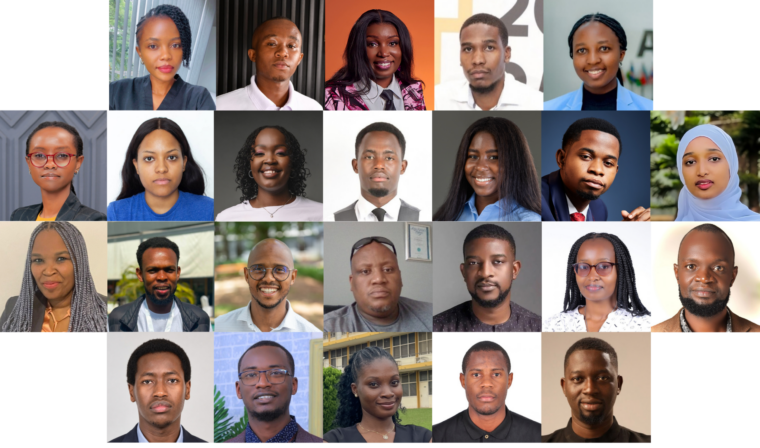
These ventures advancing primary healthcare, entrepreneurship and health systems strengthening across Africa will showcase their innovations at the 2026 Annual AHC Convening.

From Clinic to Country: Building Ethiopia’s First Integrated Model for Older Adult Health
What began with one doctor questioning fragmented care for older adults has grown into a pioneering model for Ethiopia. With leadership skills strengthened through the IMIx Certificate, Dr. Asrat built an integrated clinic now informing the country’s healthy aging efforts.

Apply for the Fully-Funded Healthy Futures South Africa (HFSA) PhD Fellowship Programme
This four-year programme supports emerging African health researchers and leaders to conduct community-focused research, strengthen health systems, and translate evidence into meaningful policy impact.
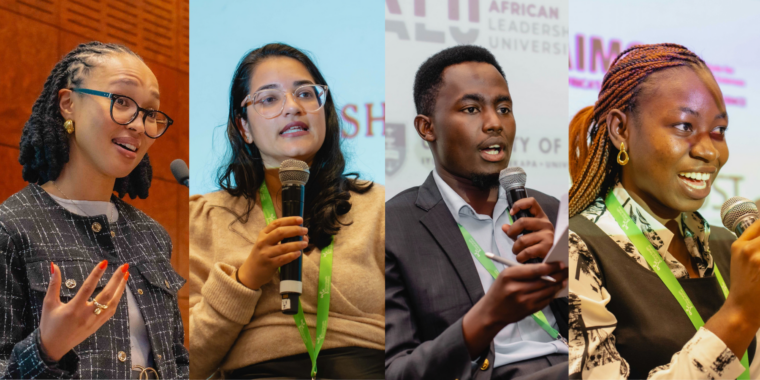
Ubuntu Rising Centres Youth Leadership, Innovation and Employment in Africa’s Health Future
More than 80 young health professionals, innovators and leaders gathered at Ubuntu Rising to advance youth leadership, innovation and employment. Their nine recommendations will inform the Africa Health Collaborative’s Youth Agenda and strengthen pathways for young people across Africa’s health ecosystem.
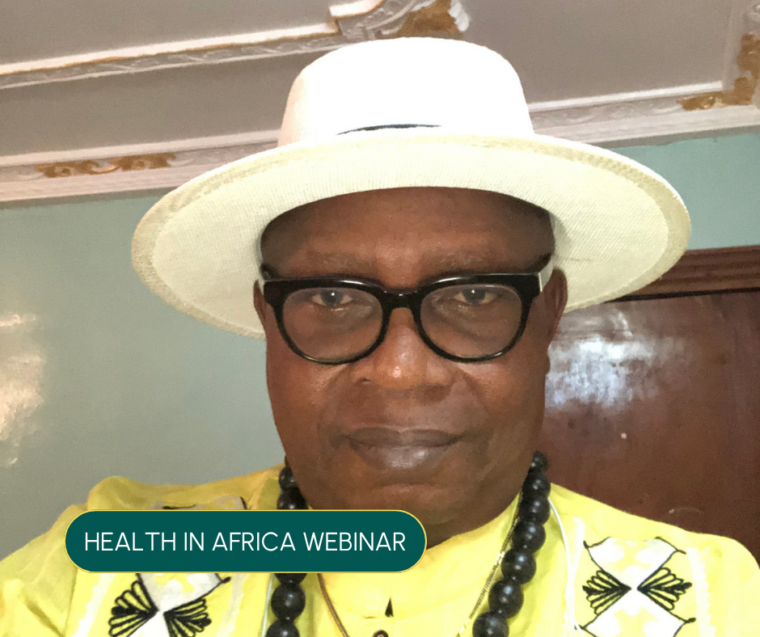
Advancing Health Equity in Africa: How Universities, Civil Society, and Communities Can Strengthen Primary Health Care
In the next HiAS, we explore how governments, universities, civil society and communities can work together to strengthen PHC and advance UHC in Africa, drawing on practical experiences, community engagement and lessons for building more equitable, resilient and people-centred health systems.

Emerging Leaders’ Day: From Youth Participation to Youth Influence
Emerging Leaders’ Day will bring together young health leaders from across Africa to build leadership skills, strengthen networks, and influence conversations shaping the future of health systems.
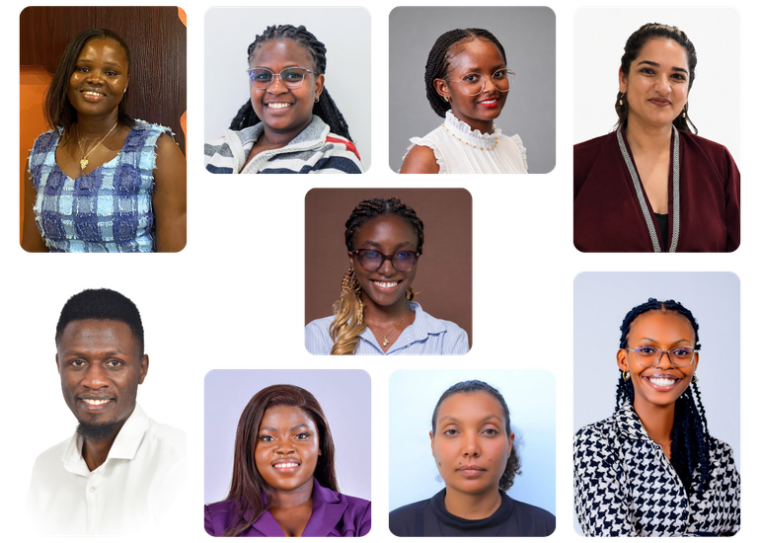
Leading Change Through Lived Experience
Across Africa, an emerging generation of health leaders is transforming personal challenges into powerful innovations. Through the AHC’s Young Leaders Committee, young researchers, entrepreneurs, technologists, and advocates are drawing on lived experiences with illness, caregiving, mental health, and healthcare inequities to design solutions that strengthen health systems and expand access to care.
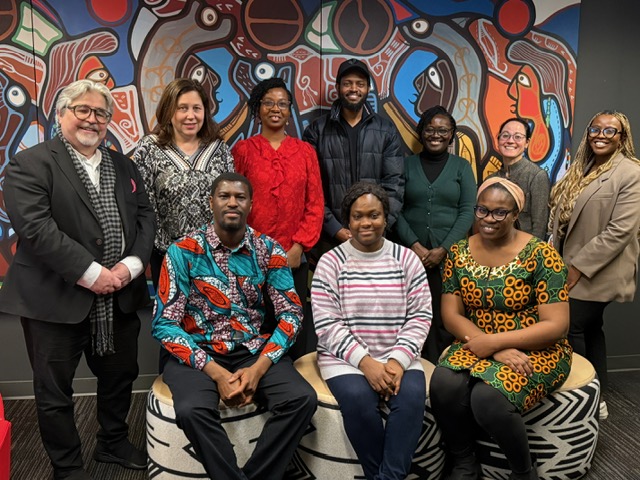
2027-2028 Doctor of Public Health Scholarships Open
We are pleased to announce the start of the 2027-2028 Mastercard Foundation graduate scholarship recruitment at the University of Toronto. This doctoral scholarship opportunity is open to recent alumni and graduating students at our Africa Health Collaborative partner universities. These graduate scholarships will be awarded to individuals who have demonstrated academic excellence in associated health-related disciplines […]
Health Innovation as a Pathway to Africa’s Health Sovereignty
Join the next HiAS as Dr. Robert Karanja explores how talent, research, investment, policy, and partnerships can unlock Africa’s potential in digital health, biotechnology, and deep-tech innovation.