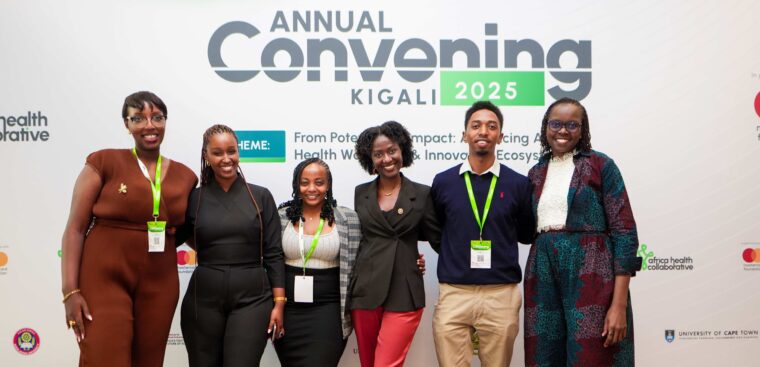

Under the leadership of Prof. Ellis Owusu-Dabo as the 2023/2024 Chair of the Executive Steering Committee (ESC) for the Africa Health Collaborative (the Health Collaborative), significant strides have been made in strengthening resilience, research, and partnerships in Africa’s healthcare system. His recent address at the Health Collaborative’s second annual convening highlighted key achievements and outlined a vision for enhanced collaboration.
Pioneering Collaborative Research
Prof. Owusu-Dabo has consistently underscored the importance of integrating research into the consortium’s core initiatives to foster evidence-based healthcare interventions.
“As a Collaborative, we generate a lot of data. We need to support our healthcare interventions with evidence from data that we generate,” he affirmed, highlighting the necessity for post-pandemic resilience.
To this end, he announced that the Mastercard Foundation and the ESC have endorsed the incorporation of research as a pivotal element within the Health Collaborative’s three pillars: health employment, health ecosystem, and health entrepreneurship.
This strategic move was further bolstered by the establishment of a dedicated 5-member Research and Publications Committee.
“The Research and Publications Committee… has worked very hard behind the scenes to ensure that we implement the ideals of research within the collaborative,” Prof. Owusu-Dabo shared.
This milestone sets the stage for the first call for collaborative research proposals, encouraging institutions across five countries to engage in initiatives that will fortify healthcare systems and support young African researchers. “This will provide direction and focus, enabling researchers to channel their efforts in areas that will yield meaningful results,” he added.
Deepening South-to-South Collaborations and Engagements
One of Prof. Owusu-Dabo’s hallmark achievements has been enhancing south-south collaborations, which strengthen ties between African higher education institutions and reinforce the continent’s collective capability to address health challenges.
“We have deepened south-south collaboration whilst not ignoring our partners from the North, such as the University of Toronto and the Mastercard Foundation,” he emphasized.
This approach leverages regional expertise and shared experiences, fostering solutions that are uniquely suited to local contexts.
The focus on south-to-south collaboration has also propelled partnerships that encourage shared learning and joint projects, ensuring that resources and knowledge are effectively utilized. This inclusivity extends to young people’s representation, as seen in the Health Collaborative’s initiatives that empower young people and ensure their voices are included in decision-making.
“We have included a youth representative to the highest governing body, the Executive Steering Committee. This is to give the young people a voice in decisions that concern them,” noted Prof. Owusu-Dabo.
Building Community-Centric Programs & Ensuring Inclusivity
Prof. Owusu-Dabo’s leadership has not only focused on strategic partnerships but has also translated into community-based initiatives. One standout example is the refurbishment of a health center that serves the university student community in Ayeduase, Kumasi. This effort was aimed at reducing wait times and improving students’ access to healthcare at the Kwame Nkrumah University of Science and Technology. “As you may know, there’s a huge student population… this project directly impacts their access to university health services,” he said.
Additionally, activities by the health employment and health entrepreneurship pillars have focused on strengthening the capacity of primary health care workers in hard-to-reach communities in Ghana.
Such projects underscore the collaborative’s commitment to addressing local health needs while nurturing sustainable practices. Importantly, Prof. Owusu-Dabo highlighted the introduction of a comprehensive monitoring, evaluation, learning, and adaptation (MELA) framework, which integrates feedback from past efforts into future plans.
“The lessons that are learned from previous years are put into the futuristic plan that ensures that we are both on track and that we can do things new,” he remarked.
Prof. Ellis Owusu-Dabo has advocated greatly for the inclusion of persons with disabilities in various scholarships to further their education at the Kwame Nkrumah University of Science and Technology (KNUST). This has given hope to several persons with disabilities who never thought they could further their education. The Medicine Counter Assistantship program is one such intervention.
Cultivating a Unified Vision for Health
At the heart of Prof. Owusu-Dabo’s leadership is a strong belief in shared vision and collective purpose. He expressed, “No one institution is successful alone… clarity of purpose is essential when we align our goals and establish a shared vision.” The Health Collaborative’s approach is marked by respect, equity, and ethics—principles that guide every discussion and decision.
As Prof. Owusu-Dabo concluded, he called for continued dedication to these ideals, emphasizing, “Let us break down silos, engage with one another, and work together to create a brighter future.”
More News & Events
Skip scroller content
Beyond the Agenda: Bringing Mental Health and Well-being into the 2026 AHC Annual Convening
At the 2026 Africa Health Collaborative Annual Convening, mental health and well-being move beyond discussion into practice. Through quiet spaces, art therapy, movement, and youth-led innovation, AHC is creating a convening experience that supports meaningful participation, connection, leadership, and lasting impact.
Meet the Ventures Showcasing at the 2026 Africa Health Collaborative Annual Convening
These ventures advancing primary healthcare, entrepreneurship and health systems strengthening across Africa will showcase their innovations at the 2026 Annual AHC Convening.
From Clinic to Country: Building Ethiopia’s First Integrated Model for Older Adult Health
What began with one doctor questioning fragmented care for older adults has grown into a pioneering model for Ethiopia. With leadership skills strengthened through the IMIx Certificate, Dr. Asrat built an integrated clinic now informing the country’s healthy aging efforts.

Apply for the Fully-Funded Healthy Futures South Africa (HFSA) PhD Fellowship Programme
This four-year programme supports emerging African health researchers and leaders to conduct community-focused research, strengthen health systems, and translate evidence into meaningful policy impact.
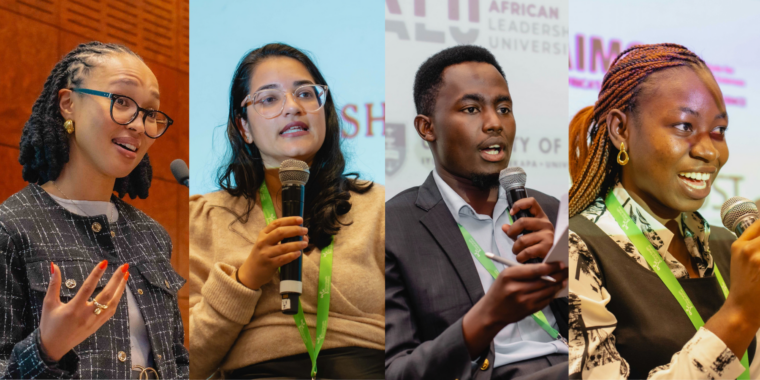
Ubuntu Rising Centres Youth Leadership, Innovation and Employment in Africa’s Health Future
More than 80 young health professionals, innovators and leaders gathered at Ubuntu Rising to advance youth leadership, innovation and employment. Their nine recommendations will inform the Africa Health Collaborative’s Youth Agenda and strengthen pathways for young people across Africa’s health ecosystem.
Advancing Health Equity in Africa: How Universities, Civil Society, and Communities Can Strengthen Primary Health Care
In the next HiAS, we explore how governments, universities, civil society and communities can work together to strengthen PHC and advance UHC in Africa, drawing on practical experiences, community engagement and lessons for building more equitable, resilient and people-centred health systems.

Emerging Leaders’ Day: From Youth Participation to Youth Influence
Emerging Leaders’ Day will bring together young health leaders from across Africa to build leadership skills, strengthen networks, and influence conversations shaping the future of health systems.
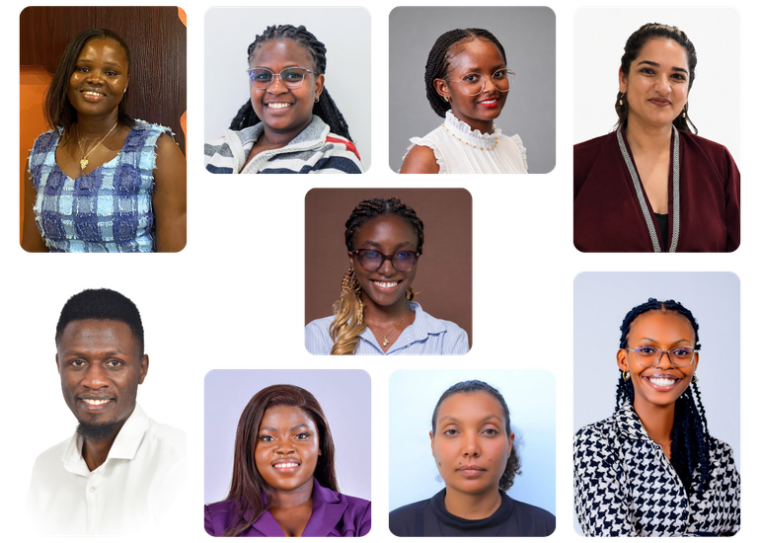
Leading Change Through Lived Experience
Across Africa, an emerging generation of health leaders is transforming personal challenges into powerful innovations. Through the AHC’s Young Leaders Committee, young researchers, entrepreneurs, technologists, and advocates are drawing on lived experiences with illness, caregiving, mental health, and healthcare inequities to design solutions that strengthen health systems and expand access to care.
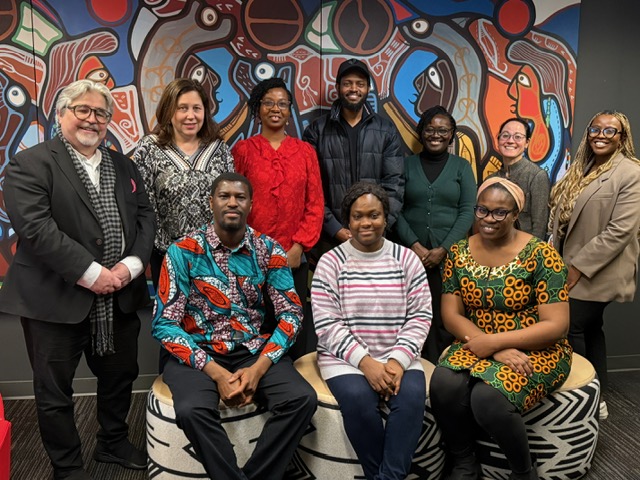
2027-2028 Doctor of Public Health Scholarships Open
We are pleased to announce the start of the 2027-2028 Mastercard Foundation graduate scholarship recruitment at the University of Toronto. This doctoral scholarship opportunity is open to recent alumni and graduating students at our Africa Health Collaborative partner universities. These graduate scholarships will be awarded to individuals who have demonstrated academic excellence in associated health-related disciplines […]
Health Innovation as a Pathway to Africa’s Health Sovereignty
Join the next HiAS as Dr. Robert Karanja explores how talent, research, investment, policy, and partnerships can unlock Africa’s potential in digital health, biotechnology, and deep-tech innovation.