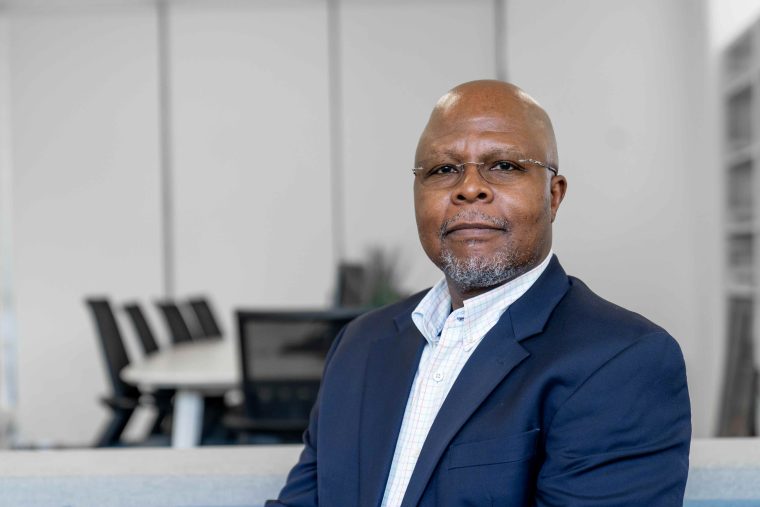
The Africa Health Collaborative (the Health Collaborative) is pleased to announce that Prof. Nhlanhla Thwala, Provost and Vice Chancellor of African Leadership University (ALU) and African Leadership College of Higher Education, has been appointed the new Chair of the Executive Steering Committee (ESC).

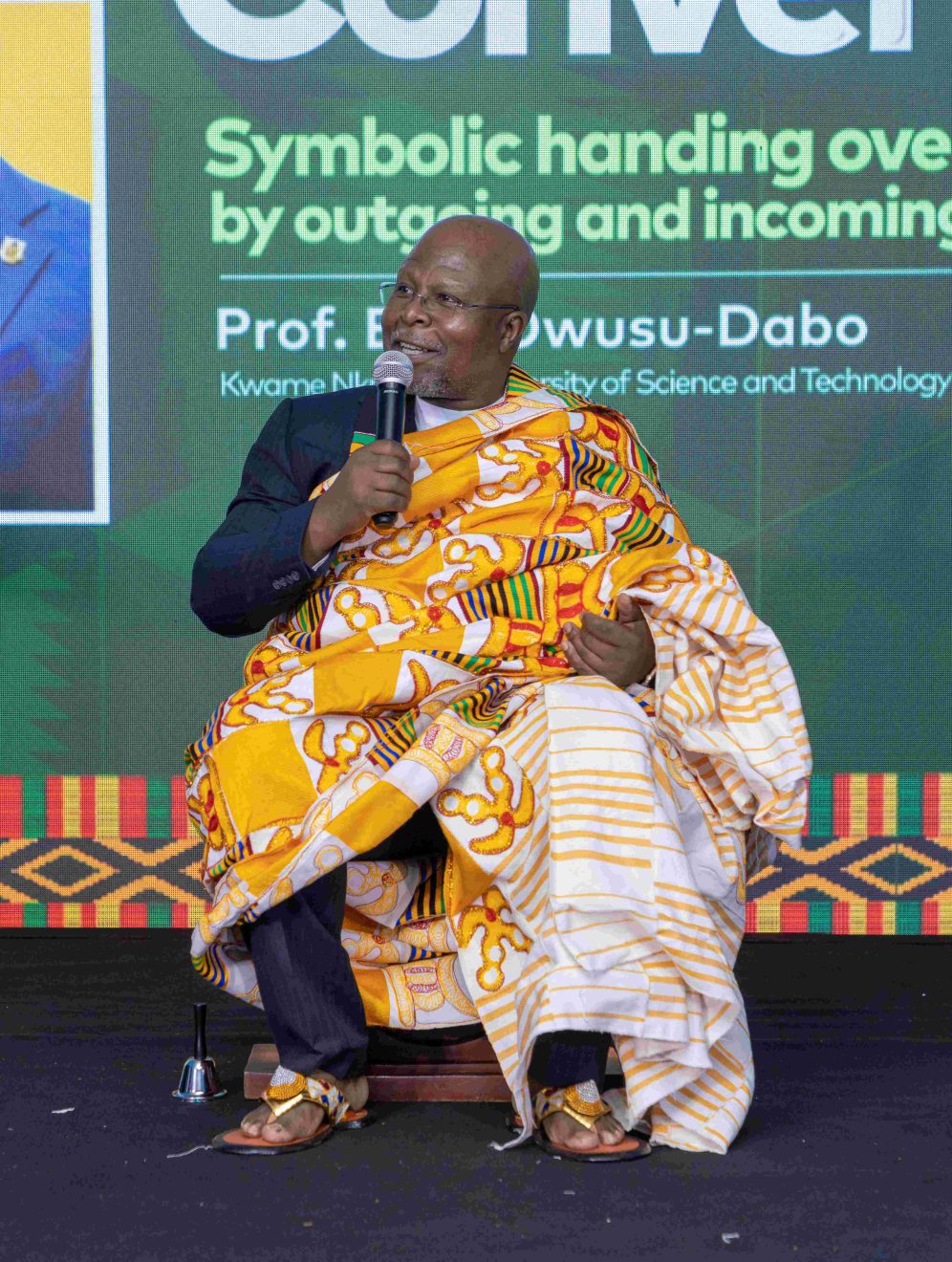
Prof. Thwala succeeds Prof. Ellis Owusu-Dabo, former Pro-Vice-Chancellor of KNUST, whose leadership focused on fostering South-South collaborations and embedding research within the Health Collaborative.
Prof. Thwala brings a wealth of experience in academia and leadership to his new role. His vision for the Health Collaborative will build on the priorities set by the Executive Steering Committee (ESC), focusing on empowering young people and strengthening the organization’s commitment to research and evidence-based decision-making.
As chair of the ESC, Prof. Thwala will ensure the Health Collaborative continues to focus on:
- Fostering South-South collaborations: Continue the work of building partnerships across the African continent to address shared health challenges and learn from different approaches.
- Strengthen Research: Launch the call for proposals developed this year, to develop the evidence –base for policies and interventions.
- Center and Empower Young People: Position and empower young people as crucial partners of the Health Collaborative. Support the next generation of African health leaders through initiatives like hackathons and venture funding.
- Engage Policymakers: Engage policymakers, particularly within the African Union and other spheres of government, to align health and education policies.
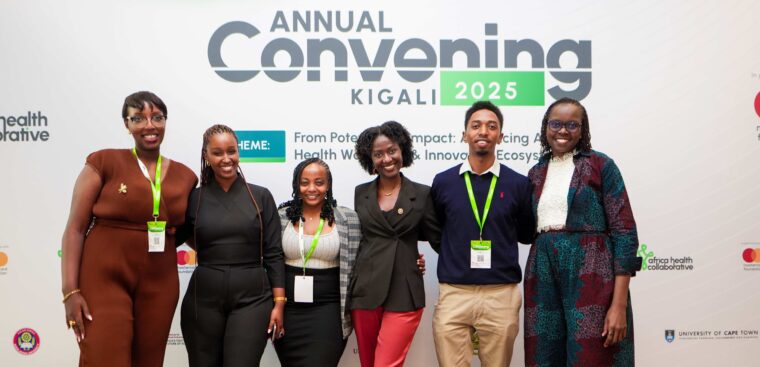
Scenes from the Handing-over Ceremony














- Read more about Prof. Thwala’s vision for the Africa Health Collaborative here.
Profile of Prof. Nhlanhla Thwala
Prof. Nhlanhla Thwala has a distinguished 34-year career in academia and leadership. He began his career as a high school teacher in Eswatini in 1986 and holds an MA in Linguistics from Syracuse University and a PhD in Formal Linguistics from UCLA. His academic journey includes serving as a Visiting Scholar at Indiana University and holding senior positions at Wits University, where he was the founding Head of the School of Literature, Language, and Media.
Prof. Thwala has also served as Managing Director of CTI Education Group and Academic Director at Pearson Institute. He currently holds the position of Provost and Vice Chancellor at the African Leadership University (Rwanda) and the African Leadership College of Higher Education (Mauritius). His extensive leadership experience continues to shape higher education across Africa. He represents ALU on the Africa Health Collaborative’s Executive Steering Committee as a Member and Chair designate.
More News & Events
Skip scroller content
Meet the Speakers Scheduled for the 2026 AHC Annual Convening
Meet the distinguished speakers of the 2026 Africa Health Collaborative Annual Convening as they share insights on health workforce development, leadership, innovation and partnerships shaping the future of health systems across Africa and empowering the next generation of health leaders.

Beyond the Agenda: Bringing Mental Health and Well-being into the 2026 AHC Annual Convening
At the 2026 Africa Health Collaborative Annual Convening, mental health and well-being move beyond discussion into practice. Through quiet spaces, art therapy, movement, and youth-led innovation, AHC is creating a convening experience that supports meaningful participation, connection, leadership, and lasting impact.
Meet the Ventures Showcasing at the 2026 Africa Health Collaborative Annual Convening
These ventures advancing primary healthcare, entrepreneurship and health systems strengthening across Africa will showcase their innovations at the 2026 Annual AHC Convening.
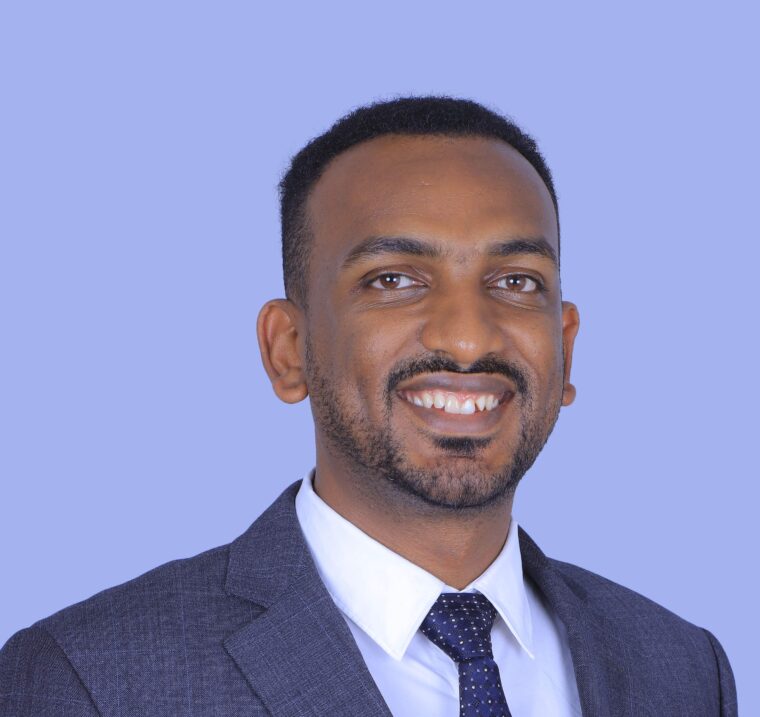
From Clinic to Country: Building Ethiopia’s First Integrated Model for Older Adult Health
What began with one doctor questioning fragmented care for older adults has grown into a pioneering model for Ethiopia. With leadership skills strengthened through the IMIx Certificate, Dr. Asrat built an integrated clinic now informing the country’s healthy aging efforts.

Apply for the Fully-Funded Healthy Futures South Africa (HFSA) PhD Fellowship Programme
This four-year programme supports emerging African health researchers and leaders to conduct community-focused research, strengthen health systems, and translate evidence into meaningful policy impact.

Ubuntu Rising Centres Youth Leadership, Innovation and Employment in Africa’s Health Future
More than 80 young health professionals, innovators and leaders gathered at Ubuntu Rising to advance youth leadership, innovation and employment. Their nine recommendations will inform the Africa Health Collaborative’s Youth Agenda and strengthen pathways for young people across Africa’s health ecosystem.
Advancing Health Equity in Africa: How Universities, Civil Society, and Communities Can Strengthen Primary Health Care
In the next HiAS, we explore how governments, universities, civil society and communities can work together to strengthen PHC and advance UHC in Africa, drawing on practical experiences, community engagement and lessons for building more equitable, resilient and people-centred health systems.

Emerging Leaders’ Day: From Youth Participation to Youth Influence
Emerging Leaders’ Day will bring together young health leaders from across Africa to build leadership skills, strengthen networks, and influence conversations shaping the future of health systems.

Leading Change Through Lived Experience
Across Africa, an emerging generation of health leaders is transforming personal challenges into powerful innovations. Through the AHC’s Young Leaders Committee, young researchers, entrepreneurs, technologists, and advocates are drawing on lived experiences with illness, caregiving, mental health, and healthcare inequities to design solutions that strengthen health systems and expand access to care.
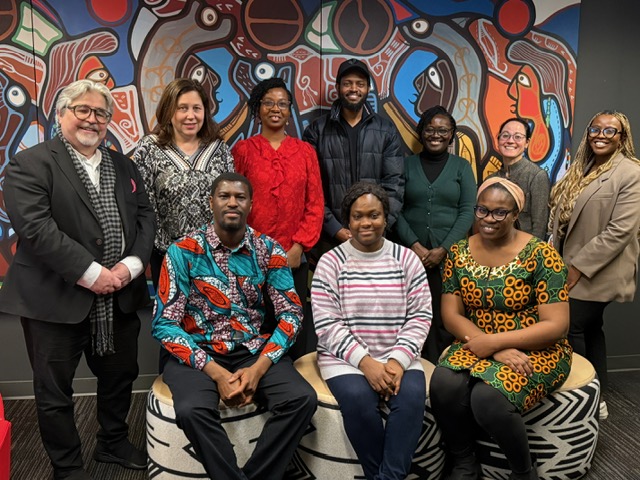
2027-2028 Doctor of Public Health Scholarships Open
We are pleased to announce the start of the 2027-2028 Mastercard Foundation graduate scholarship recruitment at the University of Toronto. This doctoral scholarship opportunity is open to recent alumni and graduating students at our Africa Health Collaborative partner universities. These graduate scholarships will be awarded to individuals who have demonstrated academic excellence in associated health-related disciplines […]