Why do some groundbreaking health studies change national policy while others never leave the pages of a journal?
Every year, researchers generate evidence with the potential to transform health systems and improve lives. Yet too often, high-quality research fails to influence policy—not because the science is weak, but because it is not translated into forms that decision-makers can act on.
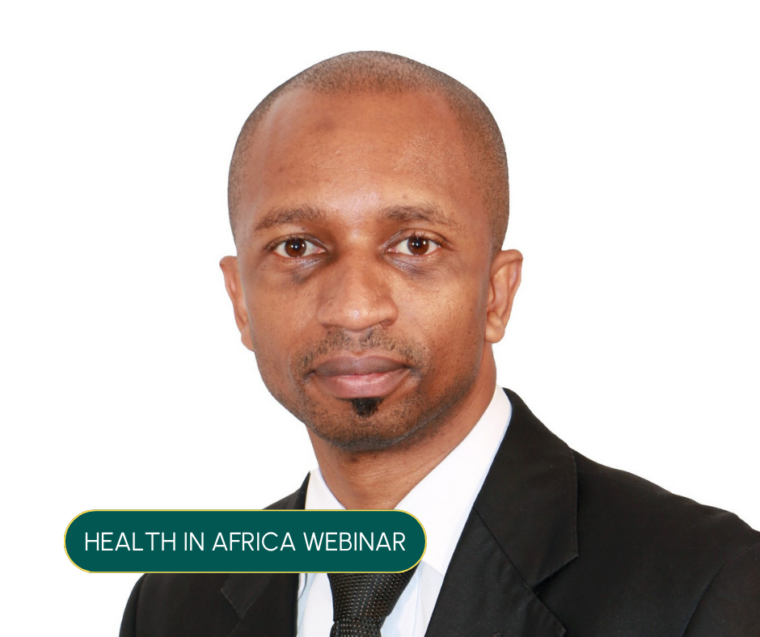
In the next Health in Africa webinar, join Dr. Collins Okoyo—a Principal Statistician at the Kenya Medical Research Institute (KEMRI) and a globally recognized expert in health data science, epidemiology, and mathematical modelling—as he draws on more than a decade of experience generating evidence that informs disease control programs and public health decision-making across Africa.
In this practical session, you’ll learn:
- The key factors that shape whether research influences policy decisions.
- The common barriers that prevent evidence from reaching policymakers.
- Practical strategies for communicating and translating research into policy and practice.
- Real-world examples of successful research-to-policy translation that have improved health outcomes.
Drawing from his extensive work on neglected tropical diseases, digital health information systems, and advanced statistical modelling, Dr. Okoyo will share practical lessons on bridging the gap between research and policy to achieve lasting impact.
Join us to discover practical strategies for translating evidence into policies that strengthen health systems and improve health outcomes.
Speaker
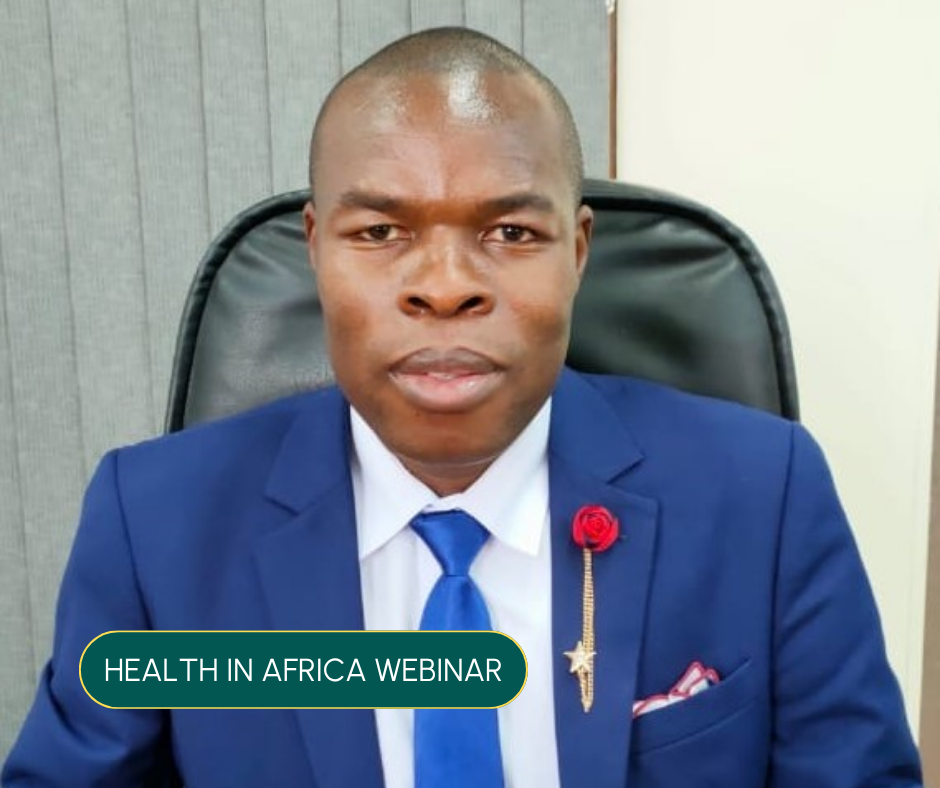
Collins Okoyo, BSc, MSc, PGP, PhD is a Principal Statistician and Acting Deputy Director in the Department of Epidemiology, Statistics, and Informatics (DESI) at the Kenya Medical Research Institute (KEMRI). He also serves as Director of the WHO Collaborating Centre on Monitoring and Evaluation of Neglected Tropical Diseases and Program Director of the KEMRI/AIMS Program.
With over 12 years of experience in data science, statistical analysis, mathematical modelling, and data management, Dr. Okoyo specializes in analysing complex health datasets, including randomized controlled trials, longitudinal studies, and geostatistical data. His research focuses on the transmission, control, and risk patterns of neglected tropical diseases, while also applying modelling approaches to communicable and noncommunicable diseases. He has authored more than 80 peer-reviewed publications and actively contributes to international scientific committees and technical working groups.
More News & Events
Skip scroller content
Beyond the Agenda: Bringing Mental Health and Well-being into the 2026 AHC Annual Convening
At the 2026 Africa Health Collaborative Annual Convening, mental health and well-being move beyond discussion into practice. Through quiet spaces, art therapy, movement, and youth-led innovation, AHC is creating a convening experience that supports meaningful participation, connection, leadership, and lasting impact.
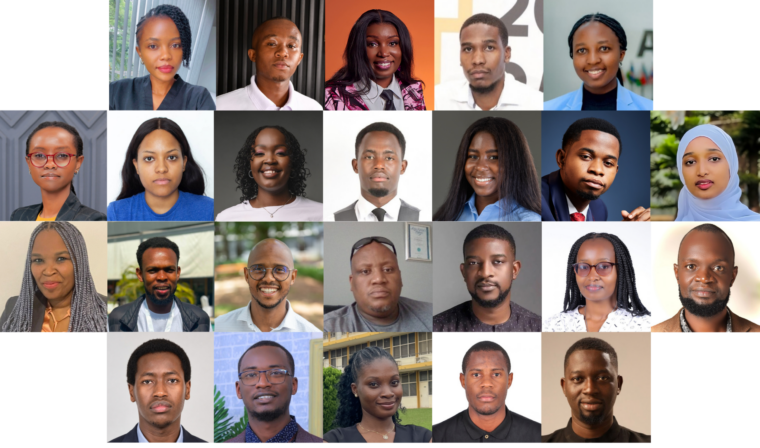
Meet the Ventures Showcasing at the 2026 Africa Health Collaborative Annual Convening
These ventures advancing primary healthcare, entrepreneurship and health systems strengthening across Africa will showcase their innovations at the 2026 Annual AHC Convening.
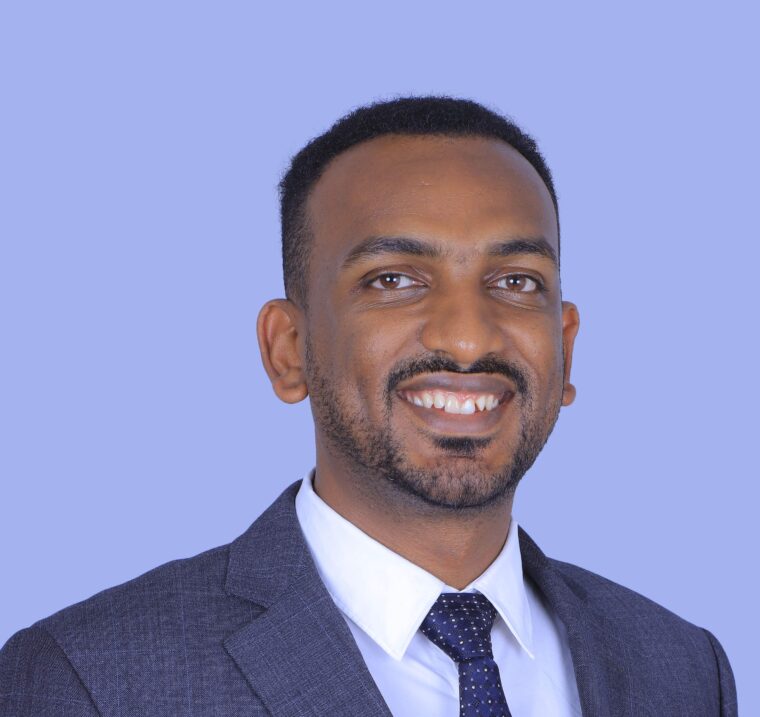
From Clinic to Country: Building Ethiopia’s First Integrated Model for Older Adult Health
What began with one doctor questioning fragmented care for older adults has grown into a pioneering model for Ethiopia. With leadership skills strengthened through the IMIx Certificate, Dr. Asrat built an integrated clinic now informing the country’s healthy aging efforts.

Apply for the Fully-Funded Healthy Futures South Africa (HFSA) PhD Fellowship Programme
This four-year programme supports emerging African health researchers and leaders to conduct community-focused research, strengthen health systems, and translate evidence into meaningful policy impact.
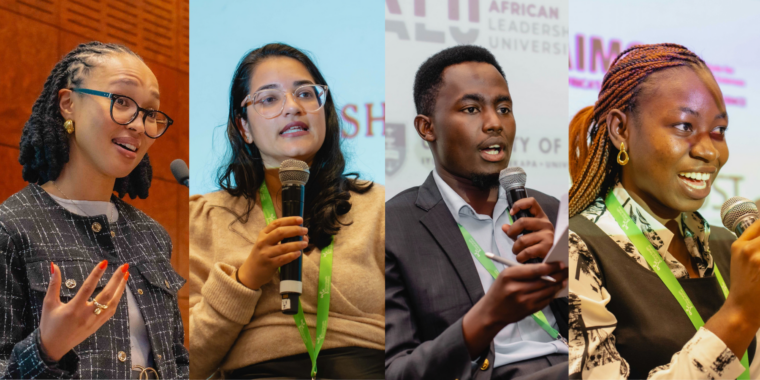
Ubuntu Rising Centres Youth Leadership, Innovation and Employment in Africa’s Health Future
More than 80 young health professionals, innovators and leaders gathered at Ubuntu Rising to advance youth leadership, innovation and employment. Their nine recommendations will inform the Africa Health Collaborative’s Youth Agenda and strengthen pathways for young people across Africa’s health ecosystem.
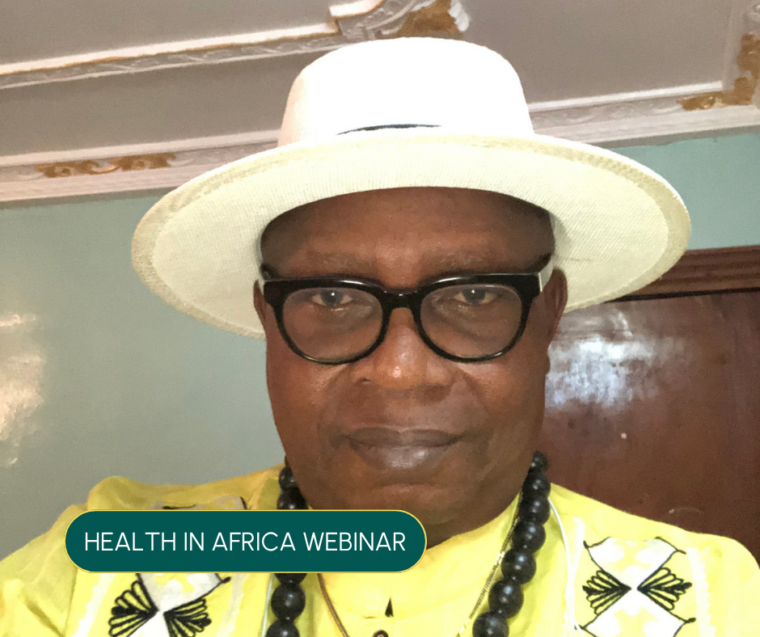
Advancing Health Equity in Africa: How Universities, Civil Society, and Communities Can Strengthen Primary Health Care
In the next HiAS, we explore how governments, universities, civil society and communities can work together to strengthen PHC and advance UHC in Africa, drawing on practical experiences, community engagement and lessons for building more equitable, resilient and people-centred health systems.

Emerging Leaders’ Day: From Youth Participation to Youth Influence
Emerging Leaders’ Day will bring together young health leaders from across Africa to build leadership skills, strengthen networks, and influence conversations shaping the future of health systems.
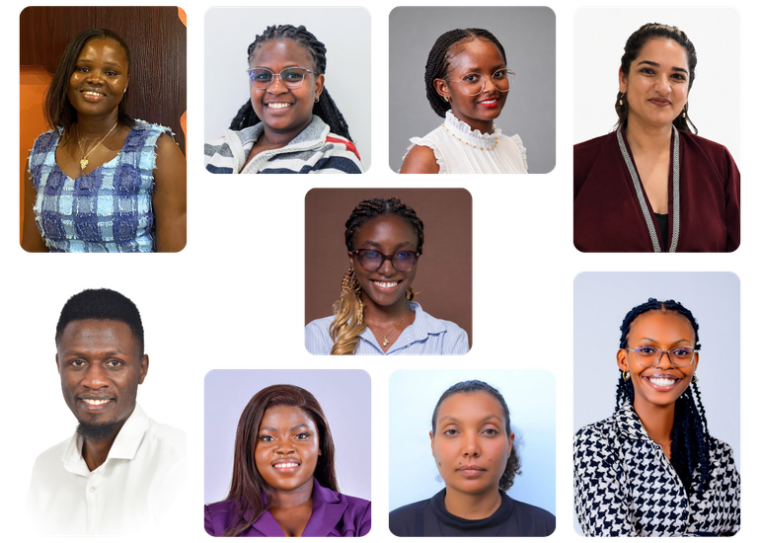
Leading Change Through Lived Experience
Across Africa, an emerging generation of health leaders is transforming personal challenges into powerful innovations. Through the AHC’s Young Leaders Committee, young researchers, entrepreneurs, technologists, and advocates are drawing on lived experiences with illness, caregiving, mental health, and healthcare inequities to design solutions that strengthen health systems and expand access to care.
2027-2028 Doctor of Public Health Scholarships Open
We are pleased to announce the start of the 2027-2028 Mastercard Foundation graduate scholarship recruitment at the University of Toronto. This doctoral scholarship opportunity is open to recent alumni and graduating students at our Africa Health Collaborative partner universities. These graduate scholarships will be awarded to individuals who have demonstrated academic excellence in associated health-related disciplines […]
Health Innovation as a Pathway to Africa’s Health Sovereignty
Join the next HiAS as Dr. Robert Karanja explores how talent, research, investment, policy, and partnerships can unlock Africa’s potential in digital health, biotechnology, and deep-tech innovation.