My commitment to strengthening health systems began long before I entered the field of health informatics. Growing up in rural Kisii, Kenya, I witnessed the realities of care through the quiet resilience of my late mother, who served as a nurse. Even as a child, I sensed that her work required not only skill but also deep courage to navigate constraints no health worker should face. Combined with limited opportunities for young people around me, those early experiences planted a conviction: that dignity in healthcare and dignity in opportunity must go hand in hand.
My work, whether in digital health, leadership, or youth advocacy, remains rooted in where I come from and the people who shaped me.
This grounding has shaped my journey as a Mastercard Foundation Scholar and a Master of Health Informatics candidate at the University of Toronto. My graduate studies have offered new ways of understanding the systems I once only observed. Through coursework in interoperability, leadership, artificial intelligence governance, and process innovation, I have learned how breakdowns in data quality, policy, infrastructure, and governance often undermine the best intentions of frontline workers. This systems perspective has been reinforced by Kenya’s rollout of the electronic Community Health Information System (eCHIS), where frontline Community Health Volunteers demonstrated strong commitment to data collection, yet persistent gaps in interoperability, infrastructure, and data governance limited the translation of their efforts into system‑level decision‑making.1,2 Additionally, the leadership course, Leadership for Digital Health Transformation, challenged me to approach change through Clayton Christensen’s disruptive innovation lens and Govindarajan’s “create and destroy” framework, understanding that transformation requires both questioning outdated systems and deliberately building new ones.3,4
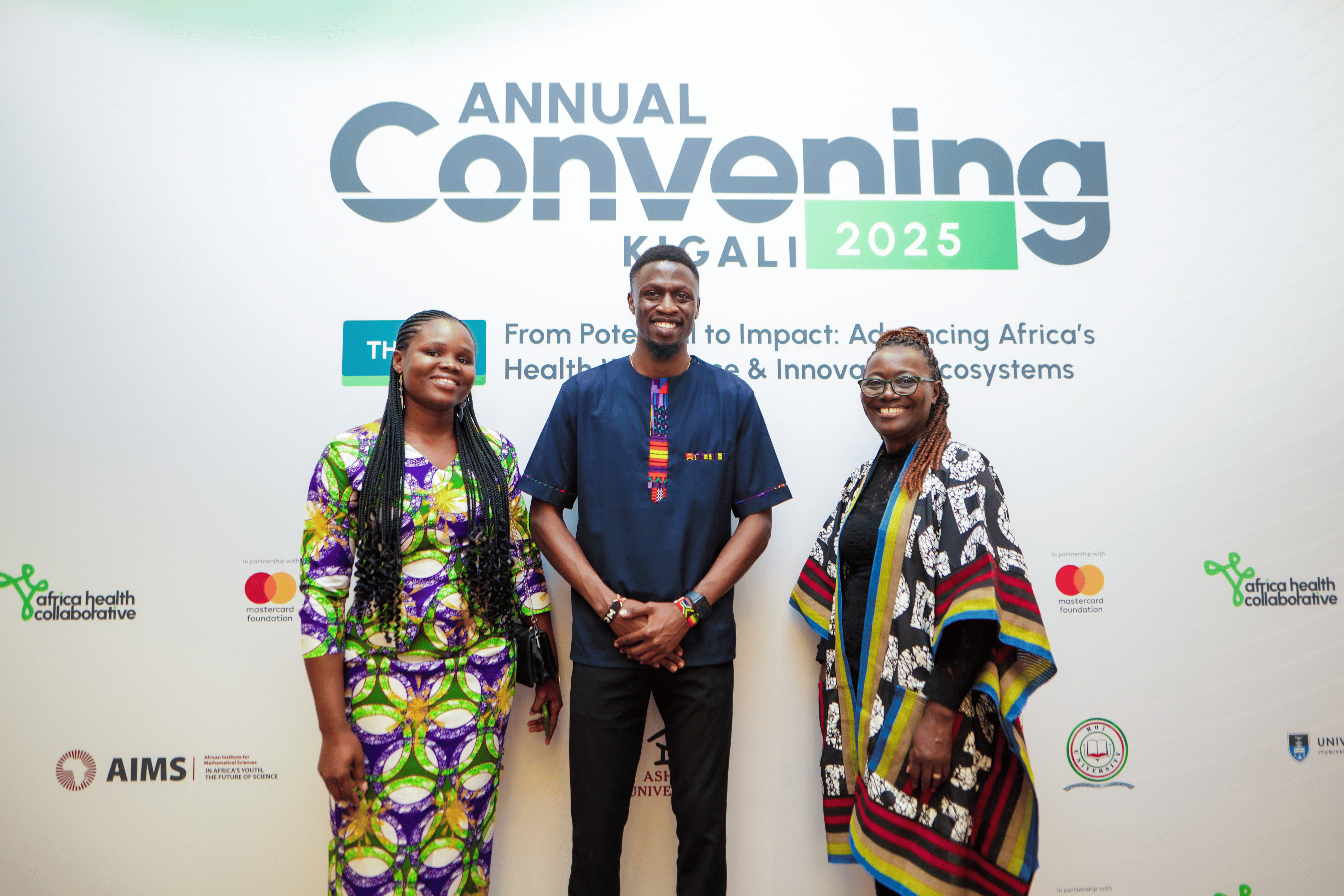

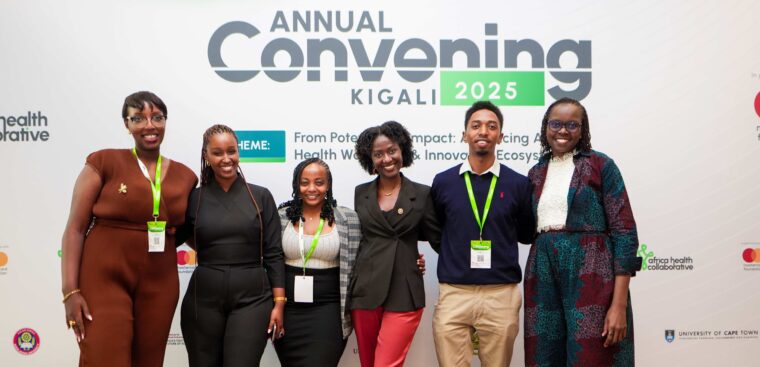
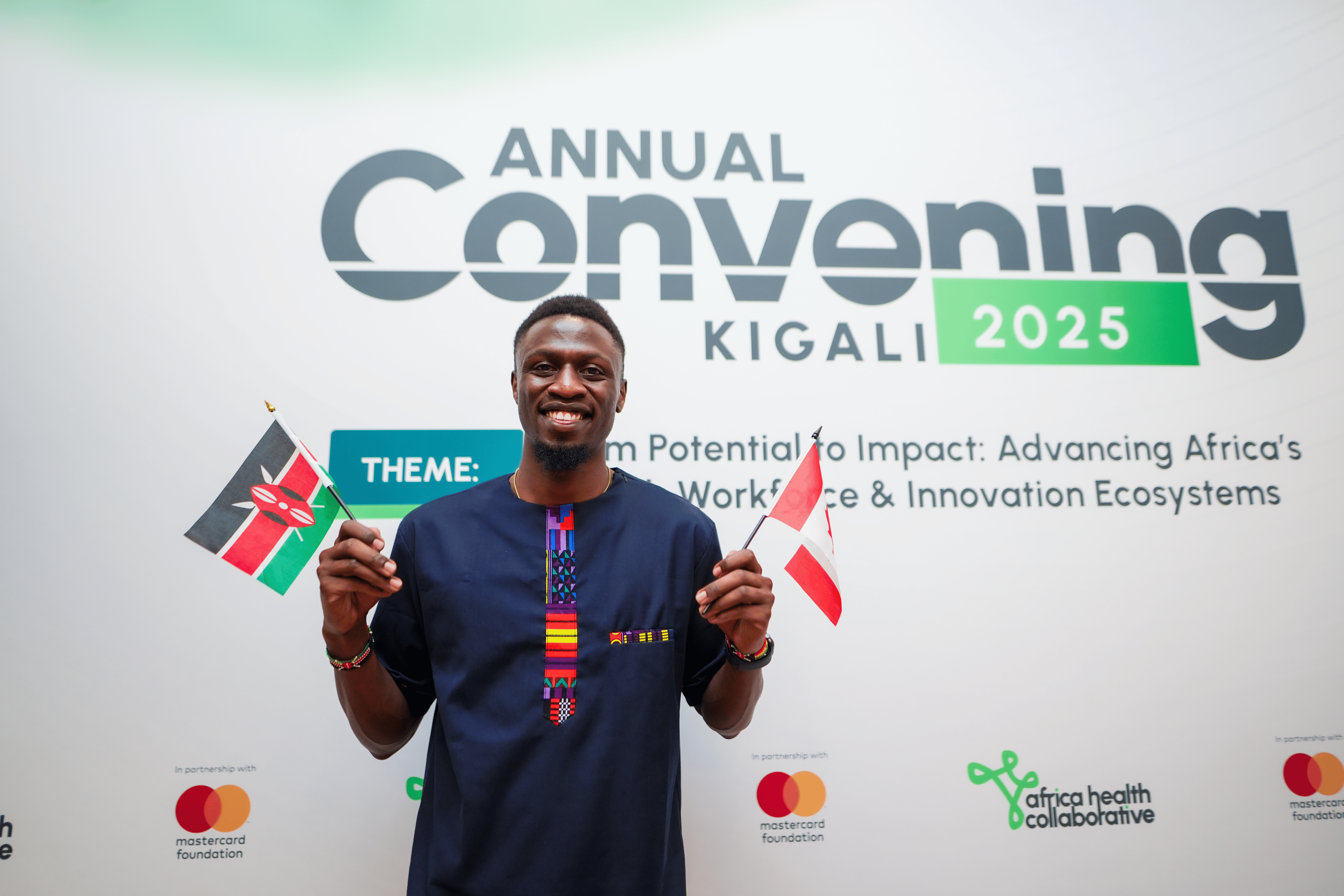
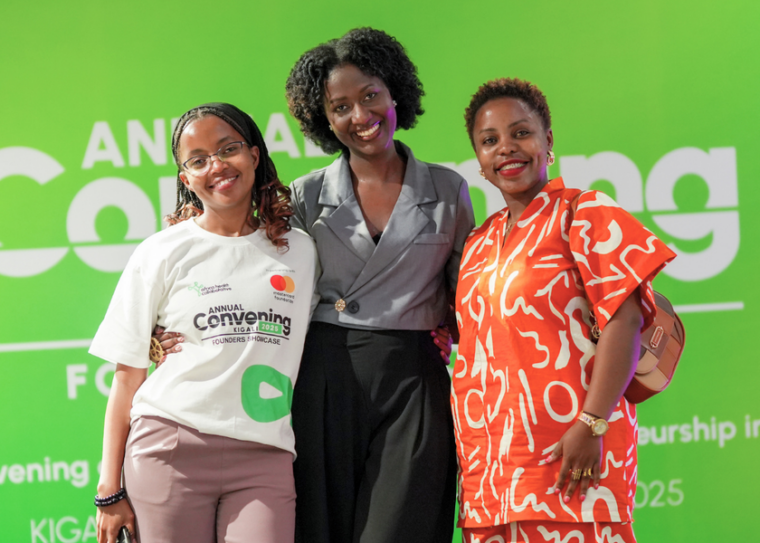
These ideas came alive for me this past October during the 2025 Africa Health Collaborative (AHC) Annual Convening in Kigali, Rwanda, where I served as Chairperson of the Young Leaders Table and as a youth representative on the Executive Steering Committee. In this role, I help advocate for youth voices across three essential pillars of Africa’s health future: Health Employment, strengthening primary healthcare workforce pathways; Health Entrepreneurship, nurturing youth-led innovation; and Health Ecosystems, building the collaborations needed for system-wide transformation.
One of the most meaningful moments at the Convening was co-leading the Youth Employment Breakfast Session, a candid, solutions-driven exchange between young professionals and institutional leaders. Young people spoke openly about the barriers they face— unstructured internships, inconsistent mentorship, and unclear pathways into meaningful employment. Yet what emerged from this dialogue was collective energy, a recognition that youth are not just seeking seats at the table but are actively shaping new ways of imagining Africa’s health workforce.
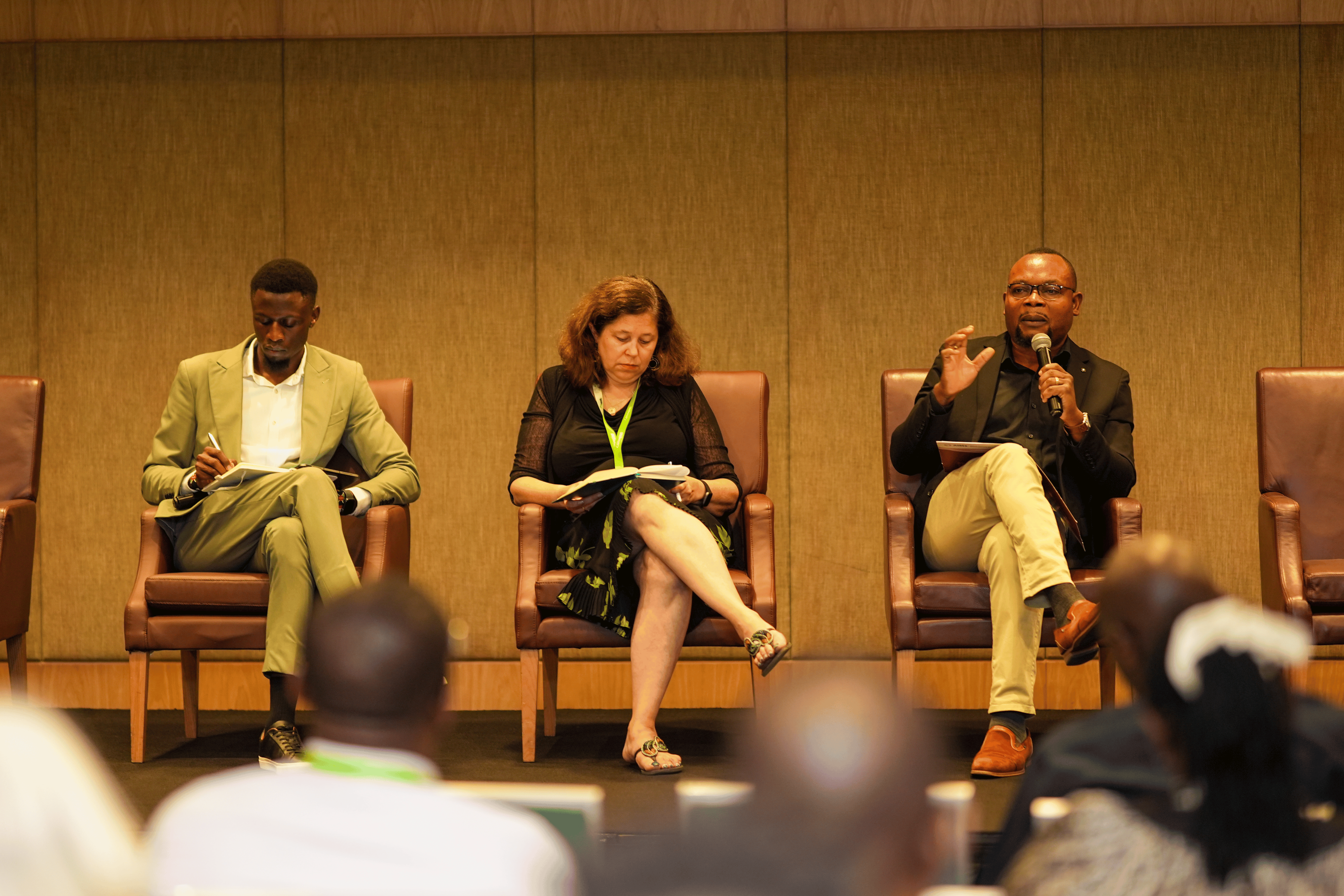
Later that day, I moderated a session on AI-driven metrics for health delivery and decision-making alongside Professor Wilfred Ndifon and Professor Erica Di Ruggiero, two leaders whose perspectives deeply shaped the conversation. Prof. Ndifon highlighted the power of predictive analytics to shift the continent from reactive health responses to proactive planning. Prof. Di Ruggiero emphasized the importance of ethically grounded metrics that expose, rather than reproduce, inequities in health systems.
Africa’s health future will be defined by the systems we build together, systems that are ethical, equitable, resilient, and worthy of the communities they serve.
I was also invited to share my own reflections during the discussion. I spoke about the foundational principle in informatics: “garbage in, garbage out.” Without accurate, high-quality, ethically collected data, even the most sophisticated AI systems cannot produce meaningful insights. I emphasized that Africa’s digital transformation requires more than tools; it requires strong data governance, privacy protections, and AI infrastructure built intentionally for African health systems, not retrofitted from contexts that do not reflect our realities. AI can only advance equity when the systems underpinning it are trustworthy, context-aware, and anchored in local ownership.
Leaving Kigali, I felt a renewed sense of purpose. My work, whether in digital health, leadership, or youth advocacy, remains rooted in where I come from and the people who shaped me. As I continue to grow as an emerging global and digital health leader, I hold tightly to one belief: that Africa’s health future will be defined by the systems we build together, systems that are ethical, equitable, resilient, and worthy of the communities they serve.
John Nyagaka is a Master of Health Informatics Candidate at the University of Toronto, a Mastercard Foundation Scholar, and the Chairperson of the Young Leaders Table with the Africa Health Collaborative.
References:
- National Community Health Digitization Strategy 2020-2025. (2021). https://www.eahealth.org/sites/www.eahealth.org/files/content/attachments/2021-08-02/eCHIS-Strategy-2020-2025.pdf
- Kenya’s eCHIS: revolutionizing community health with digital innovation. (2024, December 19). Exemplars.health. https://www.exemplars.health/stories/kenyas-echis
- Christensen, C.M., McDonald, R., Altman, E.J. and Palmer, J.E. (2018). Disruptive Innovation: An Intellectual History and Directions for Future Research. Journal of Management Studies, 55(7), pp.1043–1078.
- Ramdorai, A., & Herstatt, C. (2015). Disruptive Innovations Theory. India Studies in Business and Economics, 27–38. https://doi.org/10.1007/978-3-319-16336-9_3
More News & Events
Skip scroller content
Meet the Speakers Scheduled for the 2026 AHC Annual Convening
Meet the distinguished speakers of the 2026 Africa Health Collaborative Annual Convening as they share insights on health workforce development, leadership, innovation and partnerships shaping the future of health systems across Africa and empowering the next generation of health leaders.

Beyond the Agenda: Bringing Mental Health and Well-being into the 2026 AHC Annual Convening
At the 2026 Africa Health Collaborative Annual Convening, mental health and well-being move beyond discussion into practice. Through quiet spaces, art therapy, movement, and youth-led innovation, AHC is creating a convening experience that supports meaningful participation, connection, leadership, and lasting impact.
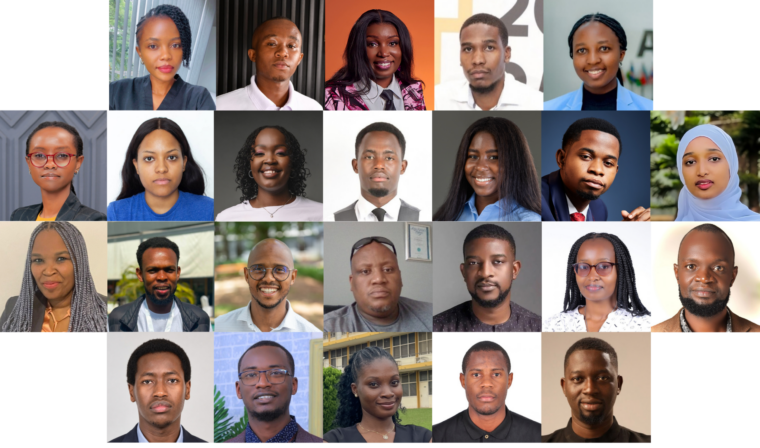
Meet the Ventures Showcasing at the 2026 Africa Health Collaborative Annual Convening
These ventures advancing primary healthcare, entrepreneurship and health systems strengthening across Africa will showcase their innovations at the 2026 Annual AHC Convening.
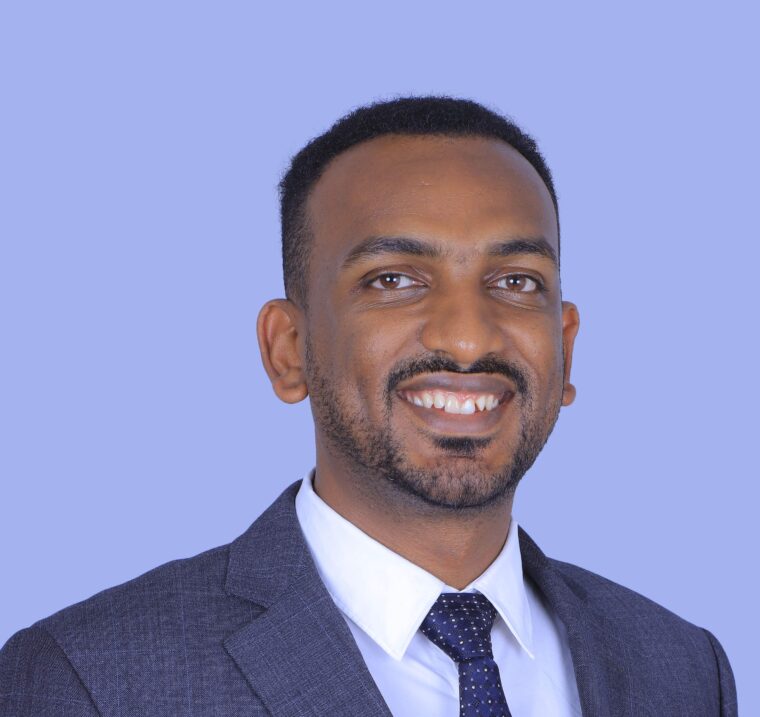
From Clinic to Country: Building Ethiopia’s First Integrated Model for Older Adult Health
What began with one doctor questioning fragmented care for older adults has grown into a pioneering model for Ethiopia. With leadership skills strengthened through the IMIx Certificate, Dr. Asrat built an integrated clinic now informing the country’s healthy aging efforts.

Apply for the Fully-Funded Healthy Futures South Africa (HFSA) PhD Fellowship Programme
This four-year programme supports emerging African health researchers and leaders to conduct community-focused research, strengthen health systems, and translate evidence into meaningful policy impact.
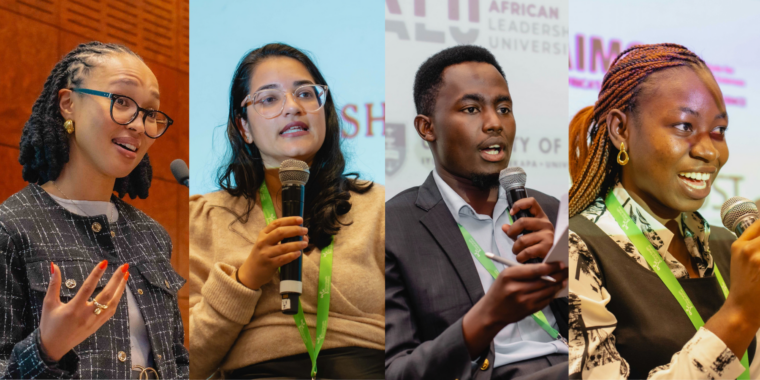
Ubuntu Rising Centres Youth Leadership, Innovation and Employment in Africa’s Health Future
More than 80 young health professionals, innovators and leaders gathered at Ubuntu Rising to advance youth leadership, innovation and employment. Their nine recommendations will inform the Africa Health Collaborative’s Youth Agenda and strengthen pathways for young people across Africa’s health ecosystem.
Advancing Health Equity in Africa: How Universities, Civil Society, and Communities Can Strengthen Primary Health Care
In the next HiAS, we explore how governments, universities, civil society and communities can work together to strengthen PHC and advance UHC in Africa, drawing on practical experiences, community engagement and lessons for building more equitable, resilient and people-centred health systems.
Emerging Leaders’ Day: From Youth Participation to Youth Influence
Emerging Leaders’ Day will bring together young health leaders from across Africa to build leadership skills, strengthen networks, and influence conversations shaping the future of health systems.
Leading Change Through Lived Experience
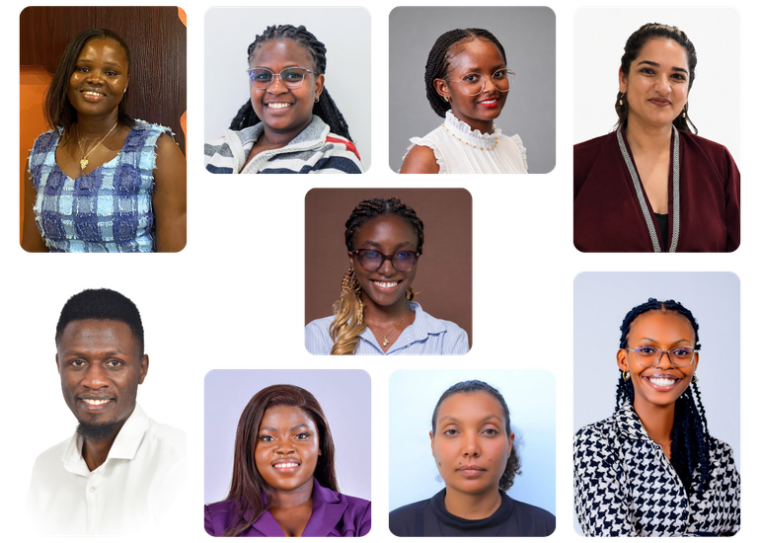
Across Africa, an emerging generation of health leaders is transforming personal challenges into powerful innovations. Through the AHC’s Young Leaders Committee, young researchers, entrepreneurs, technologists, and advocates are drawing on lived experiences with illness, caregiving, mental health, and healthcare inequities to design solutions that strengthen health systems and expand access to care.
2027-2028 Doctor of Public Health Scholarships Open
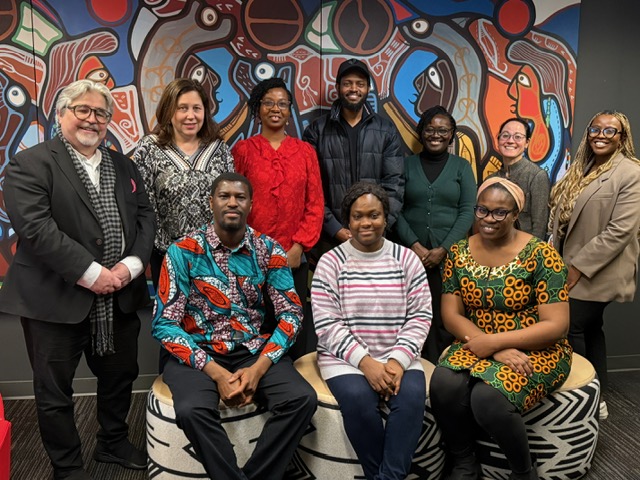
We are pleased to announce the start of the 2027-2028 Mastercard Foundation graduate scholarship recruitment at the University of Toronto. This doctoral scholarship opportunity is open to recent alumni and graduating students at our Africa Health Collaborative partner universities. These graduate scholarships will be awarded to individuals who have demonstrated academic excellence in associated health-related disciplines […]