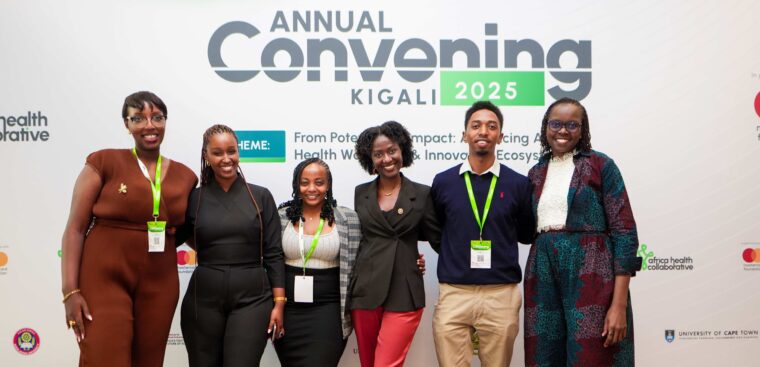
Last October, over 170 policymakers, health experts, academics, and youth innovators from 14 countries came together for the Africa Health Collaborative’s (AHC) 2025 Annual Convening, hosted by the African Leadership University (ALU) in Kigali, Rwanda.
The gathering set a bold plan to contribute towards transforming Africa’s health systems through scaling youth-led innovation, advancing workforce development, strengthening policy, and deepening regional and international collaboration. The impactful convening, held under the theme, ‘From Potential to Impact: Advancing Africa’s Health Workforce and Innovation Ecosystems,’ featured in-depth peer learning, expert dialogues, and showcases focused on workforce resilience, entrepreneurship, and applied health innovation.
Distinguished guests included Veda Sunassee, CEO of ALU; Ivan Ntwali, Rwanda Country Director at the Mastercard Foundation; Ashley Collier, Director, Special Programs at the Mastercard Foundation; Dr. John Nkengasong, Executive Director, Higher Education, Collaboratives, & Strategic Initiatives at the Mastercard Foundation; and Jeanne Umuhire, Deputy Director of the Rwanda Biomedical Centre, among many other influential healthcare leaders from across the continent and beyond.
In his opening address, Veda Sunassee, CEO of the ALU, highlighted the enduring relationship between his institution and other AHC partners:
“This convening sits squarely within the framework of ALU – health is a social good, and an economic engine. It creates jobs, it drives innovation and demands leaders who blend empathy with execution. Universities, like ours and all of our partners in the collaborative, must be catalysts for training young people for digital fluency, entrepreneurial problem solving, and systems thinking.”
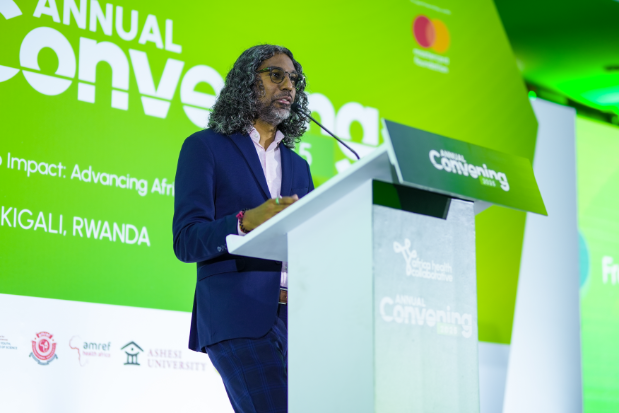
CEO of ALU
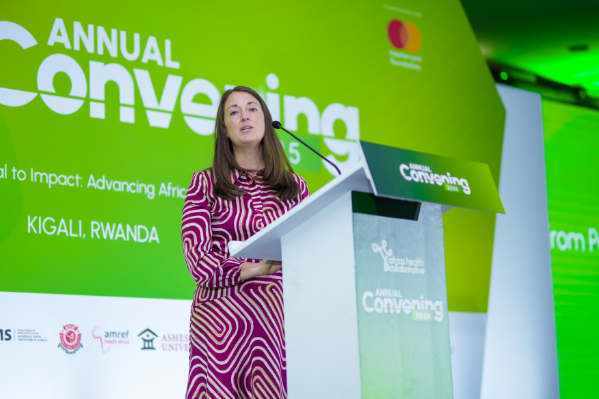

Delivering the keynote address, Jeanne Umuhire, Deputy Director of the Rwanda Biomedical Centre, reaffirmed Rwanda’s national commitment to innovation and workforce growth, with a plan to quadruple the national health workforce by 2028. She highlighted successful local innovations, such as the Zipline drone delivery system for medical supplies, as proof of what African-led ingenuity can achieve. However, she warned, ‘Without long-term investment in local innovation, we risk building health systems that are unsustainable without foreign aid’. Her speech urged stakeholders to align initiatives with national health priorities and invest in homegrown solutions that ensure long-term impact and ownership.

Key Outcomes
Advancing Policy and Health Workforce Reform
A standout outcome from the convening was the launch of bold continental policy proposals to address systemic barriers to health workforce employment and mobility. Participants called for the creation of an African Health Workforce Mobility Framework. This integrated system enables health talent to work across borders by leveraging existing regional agreements, such as the African Continental Free Trade Area, and collaborating with regulators and networks like the AHC to harmonize accreditation and support cross-border deployment. Delegates also championed a “whole-of-government” approach that aligns the health, education, and labour ministries to close workforce gaps and ensure that training leads to meaningful employment.
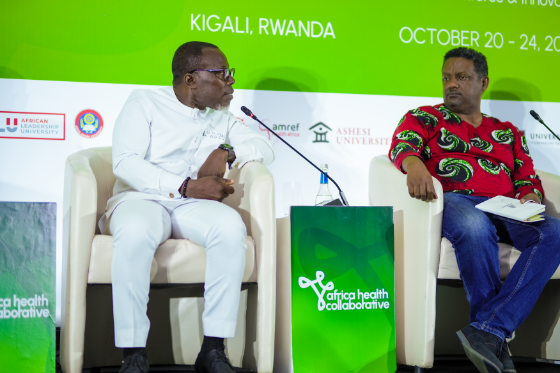

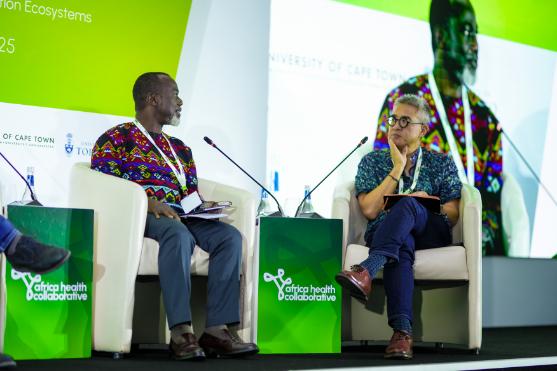
Panellists, including Prof. Ellis Owusu-Dabo, former Pro-Vice-Chancellor of the Kwame Nkrumah University of Science and Technology, emphasized that Africa’s health workforce challenge is one of surplus and scarcity existing simultaneously, and requiring better coordination. In Ghana alone, more than 45,000 trained nurses remain unemployed, highlighting a clear mismatch between training outputs and the needs of the health system.
Empowering Faculty and Reforming Curriculum
Sessions on faculty development and curriculum reform highlighted the need to align Africa’s health education systems with modern workforce realities. Key recommendations included:
- Strengthening regional collaboration under AHC to promote mentorship, co-teaching, and knowledge-sharing;
- Revolutionizing curricula to prepare graduates not just for jobs, but for job creation – including by integrating digital health, AI, and systems thinking, and renewed focus on leadership training;
- Institutionalize continuous faculty development through clear policy frameworks, funding, and incentive structures.




Community Health and Rural Innovation
Discussions also underscored the importance of inclusive healthcare models for rural and underserved populations. Recommendations included:
- Strengthening task-sharing and telemedicine to close workforce gaps;
- Formalizing community health worker pathways to professionalize and fairly compensate these essential roles;
- Integrating local and indigenous knowledge into healthcare curricula;
- Investing in digital infrastructure and blended learning for rural practitioners.
Investing in Youth Entrepreneurship
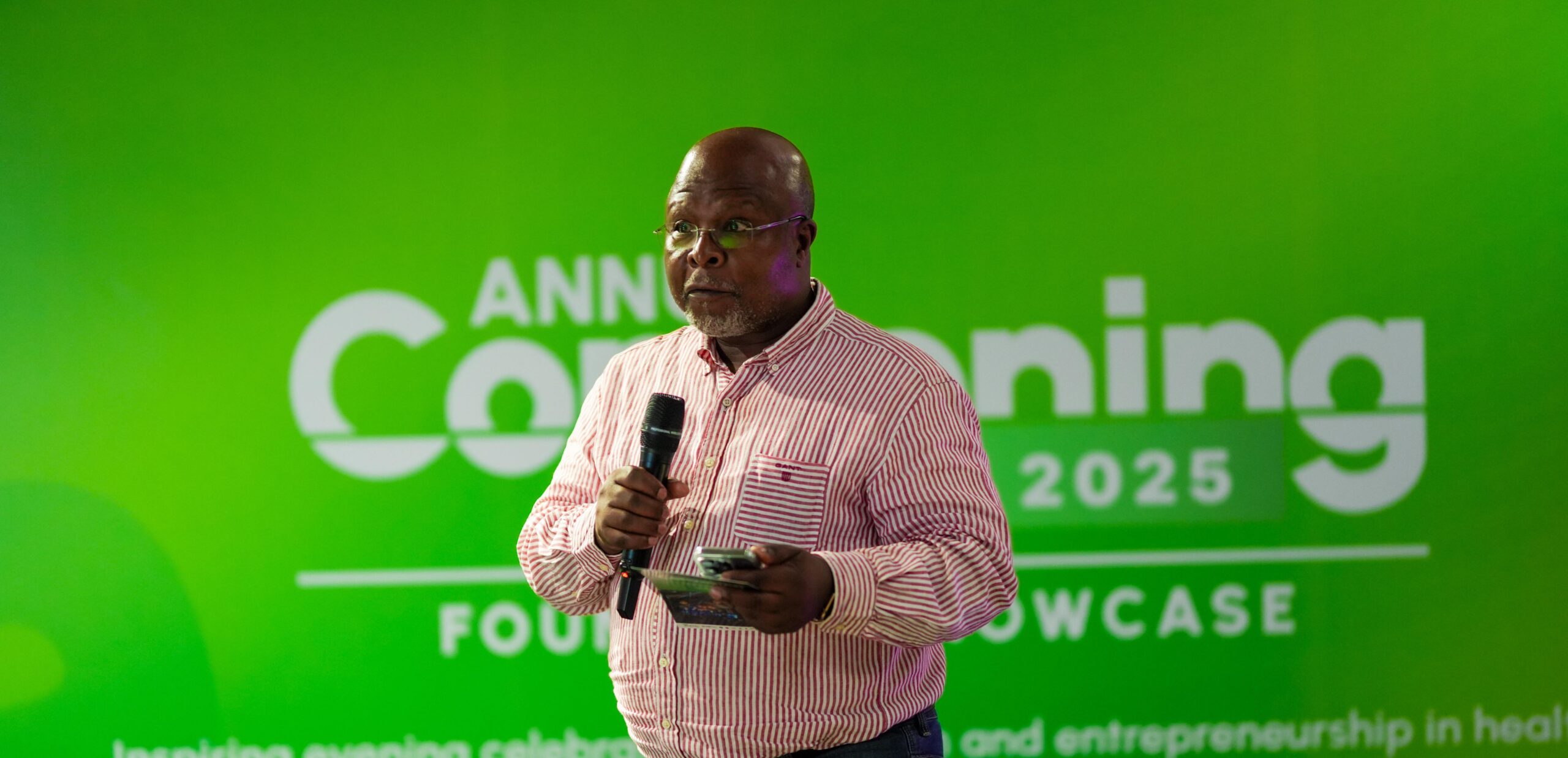
The convening also featured a transformative Founders’ Showcase. Philanthropists, founders, funders and healthcare experts were introduced to burgeoning enterprises that covered healthcare innovations ranging from menstrual care to digital healthcare systems and healthcare supply chain optimization.
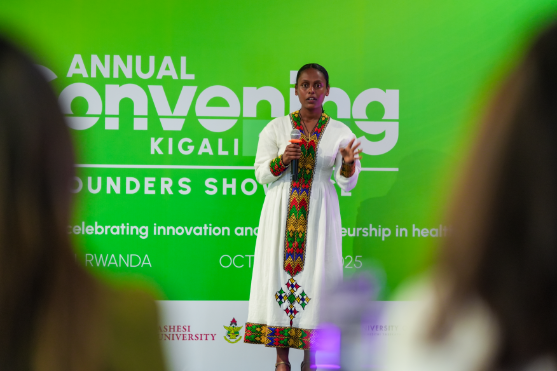


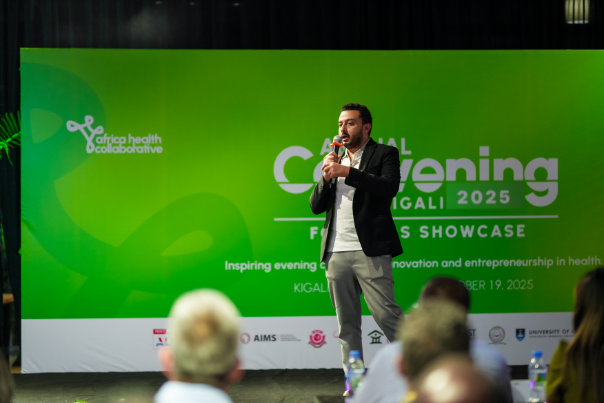

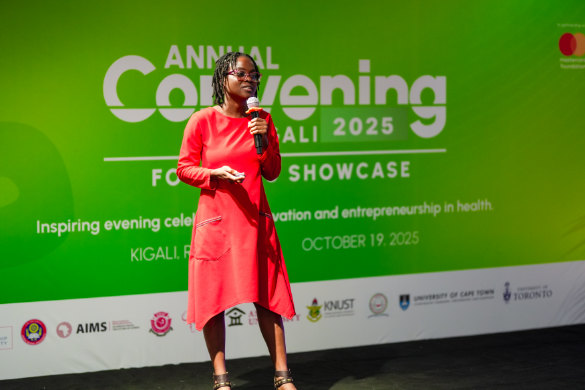
Dr Nhlanhla Thwala, outgoing AHC Executive Steering Committee Chair and Vice-President of ALU, emphasized the importance of the AHC’s mission to create 20,000 jobs and “expand access to quality care to communities across the continent.”
Looking Ahead
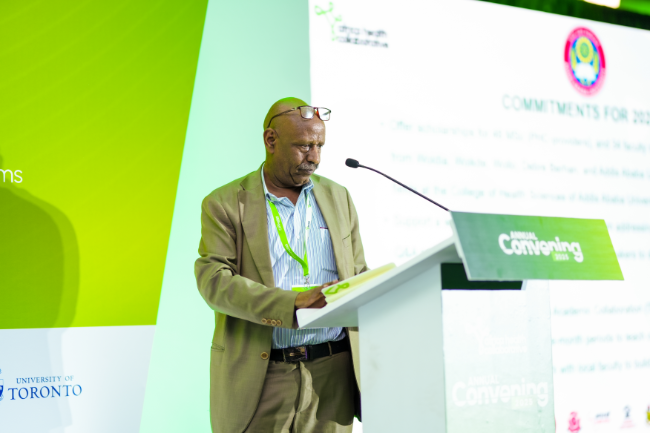
Commitments and Key Outcomes
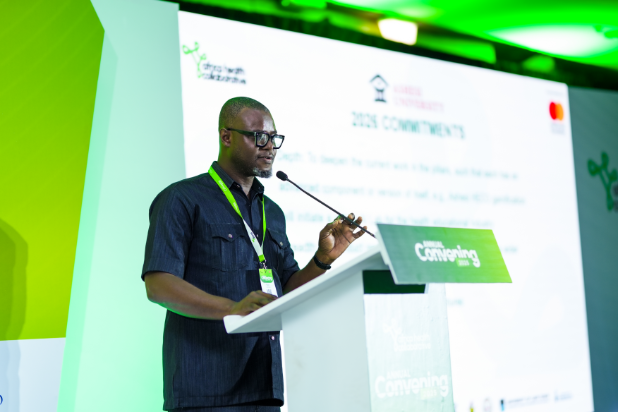
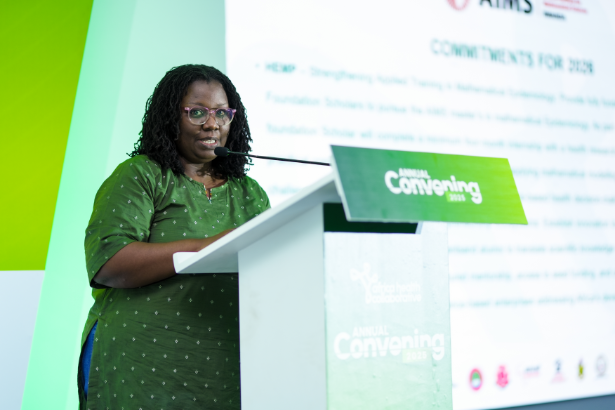
Building on progress from previous years, the convening produced tangible institutional and policy commitments for 2026. These include new scholarships, research collaborations, policy dialogues, internships, and innovation investments to strengthen primary healthcare (PHC) systems across Africa.
Innovation, Technology & Digital Health
- African Leadership University (ALU): Partner with an African health sandbox to test and scale innovative health ventures; expand internship opportunities.
- Amref Health Africa & Amref International University (AMIU): Establish an Innovation Centre focused on digital, cost-effective health solutions.
- Ashesi University: Create an AI virtual lab to strengthen health education and boost investment in health ventures.
- Kwame Nkrumah University of Science and Technology (KNUST): Launch an AI in Health program and a founders’ mentoring academy.
- University of Toronto (U of T): Champion a venture fund to support health ventures across the AHC and deepen collaboration.
Capacity Building, Training & Scholarships
- Addis Ababa University (AAU): Provide 80 graduate scholarships; launch a national primary healthcare (PHC) radio program.
- African Institute for Mathematical Sciences (AIMS): Fund 57 Mastercard Foundation Scholars for MSc programs in Mathematical Epidemiology.
- University of Cape Town (UCT): Introduce internship and work-readiness programs targeting at-risk youth; establish youth advisory committees.
Community Health, Indigenous Knowledge & Entrepreneurship
- Moi University: Complete a botanical garden to collaborate with traditional healers and advance indigenous medicine and entrepreneurship; partner with students and county governments on innovative livelihood-improving programs.
Passing the Mantle: A Symbolic Transition to Kenya
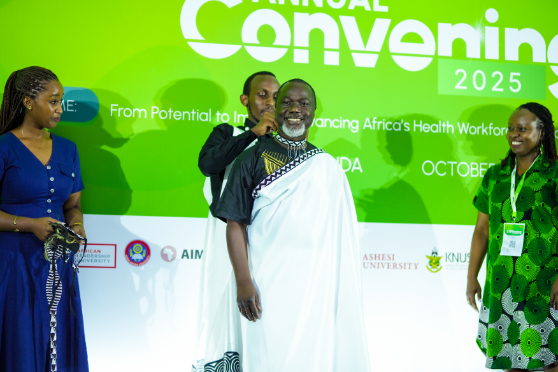
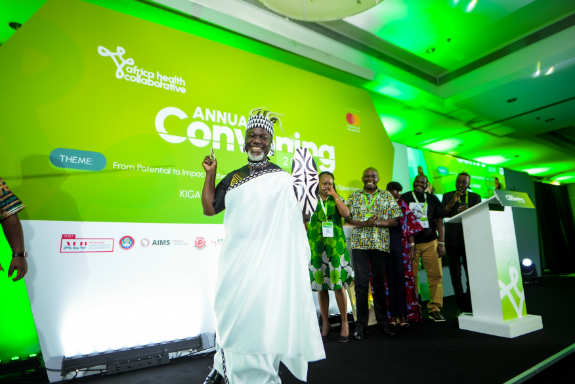
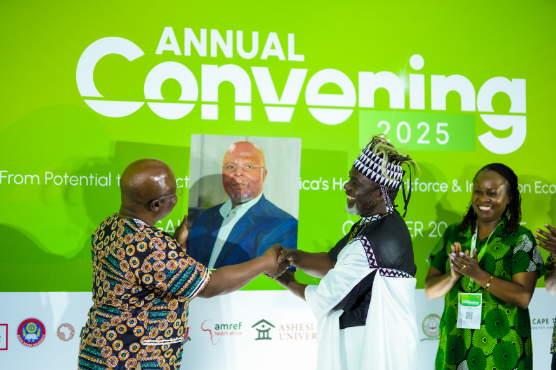
To close, in a ceremony led by Professor Thwala, the Collaborative presented traditional Rwandan attire, a shield and spear, and a carved map of Africa – symbols of leadership, guardianship, and continental stewardship – to Professor Joachim Osur, Vice Chancellor of AMREF International University, signifying the 2026 hosting transition to Kenya. Professor Osur was confirmed as the new Steering Committee Chair and Amref Health Africa as the next host of the AHC annual convening.






Watch the recap
Opening Ceremony and Policy Dialogue
Founders Showcase Highlights
More News & Events
Skip scroller content
Meet the Speakers Scheduled for the 2026 AHC Annual Convening
Meet the distinguished speakers of the 2026 Africa Health Collaborative Annual Convening as they share insights on health workforce development, leadership, innovation and partnerships shaping the future of health systems across Africa and empowering the next generation of health leaders.

Beyond the Agenda: Bringing Mental Health and Well-being into the 2026 AHC Annual Convening
At the 2026 Africa Health Collaborative Annual Convening, mental health and well-being move beyond discussion into practice. Through quiet spaces, art therapy, movement, and youth-led innovation, AHC is creating a convening experience that supports meaningful participation, connection, leadership, and lasting impact.
Meet the Ventures Showcasing at the 2026 Africa Health Collaborative Annual Convening
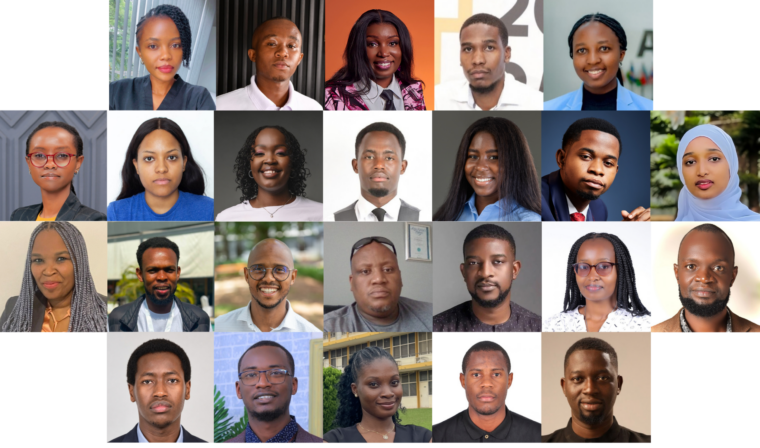
These ventures advancing primary healthcare, entrepreneurship and health systems strengthening across Africa will showcase their innovations at the 2026 Annual AHC Convening.

From Clinic to Country: Building Ethiopia’s First Integrated Model for Older Adult Health
What began with one doctor questioning fragmented care for older adults has grown into a pioneering model for Ethiopia. With leadership skills strengthened through the IMIx Certificate, Dr. Asrat built an integrated clinic now informing the country’s healthy aging efforts.

Apply for the Fully-Funded Healthy Futures South Africa (HFSA) PhD Fellowship Programme
This four-year programme supports emerging African health researchers and leaders to conduct community-focused research, strengthen health systems, and translate evidence into meaningful policy impact.

Ubuntu Rising Centres Youth Leadership, Innovation and Employment in Africa’s Health Future
More than 80 young health professionals, innovators and leaders gathered at Ubuntu Rising to advance youth leadership, innovation and employment. Their nine recommendations will inform the Africa Health Collaborative’s Youth Agenda and strengthen pathways for young people across Africa’s health ecosystem.
Advancing Health Equity in Africa: How Universities, Civil Society, and Communities Can Strengthen Primary Health Care
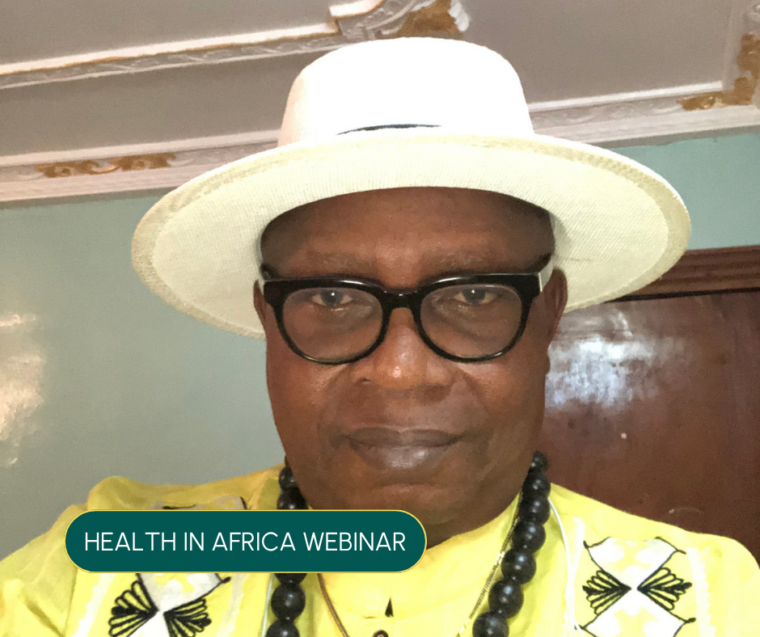
In the next HiAS, we explore how governments, universities, civil society and communities can work together to strengthen PHC and advance UHC in Africa, drawing on practical experiences, community engagement and lessons for building more equitable, resilient and people-centred health systems.

Emerging Leaders’ Day: From Youth Participation to Youth Influence
Emerging Leaders’ Day will bring together young health leaders from across Africa to build leadership skills, strengthen networks, and influence conversations shaping the future of health systems.

Leading Change Through Lived Experience
Across Africa, an emerging generation of health leaders is transforming personal challenges into powerful innovations. Through the AHC’s Young Leaders Committee, young researchers, entrepreneurs, technologists, and advocates are drawing on lived experiences with illness, caregiving, mental health, and healthcare inequities to design solutions that strengthen health systems and expand access to care.
2027-2028 Doctor of Public Health Scholarships Open
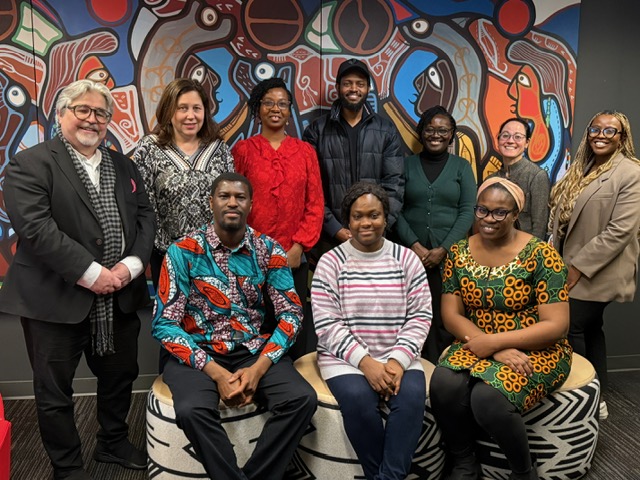
We are pleased to announce the start of the 2027-2028 Mastercard Foundation graduate scholarship recruitment at the University of Toronto. This doctoral scholarship opportunity is open to recent alumni and graduating students at our Africa Health Collaborative partner universities. These graduate scholarships will be awarded to individuals who have demonstrated academic excellence in associated health-related disciplines […]