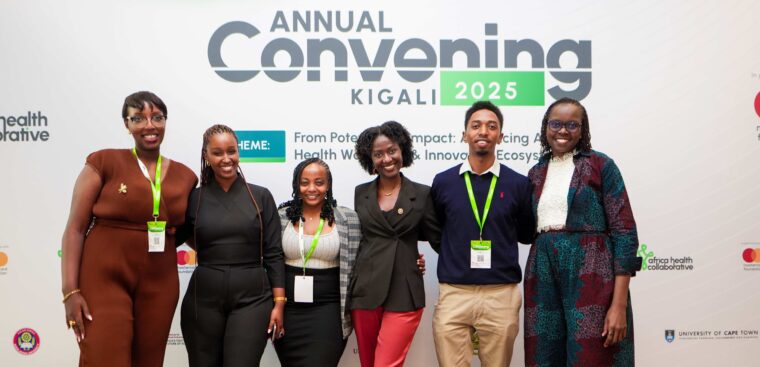
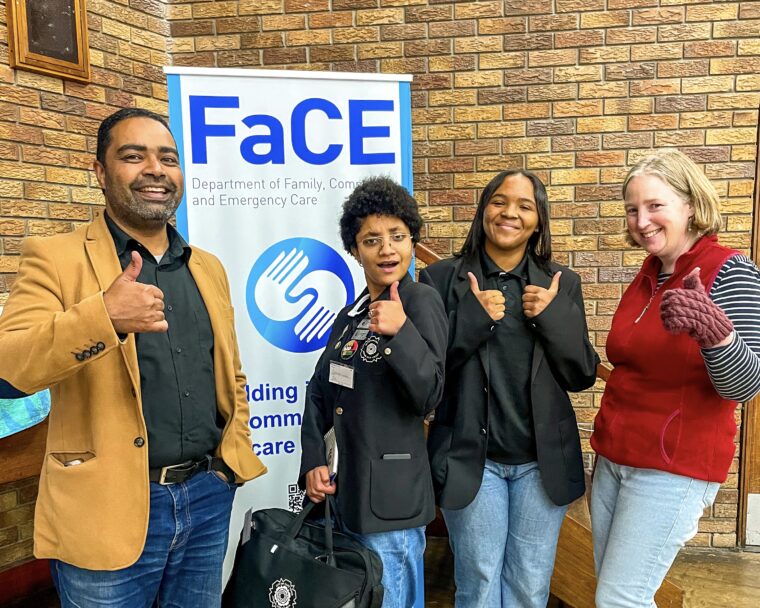
Learn about how the University of Cape Town is partnering with communities in South Africa to co-create health solutions for better health outcomes
In Cape Town’s Klipfontein region, young people and their families continue to face complex and interlinked health challenges, including mental health concerns, substance abuse, and teenage pregnancies. Determined to be part of the solution, community members are stepping forward to shape programmes and policies that reflect their lived realities. As part of the Africa Health Collaborative (AHC), the University of Cape Town (UCT) is supporting this movement by creating inclusive spaces where local knowledge and evidence come together to drive practical change and inform health policies.
Over the past months, two initiatives have demonstrated the power of that commitment in action.
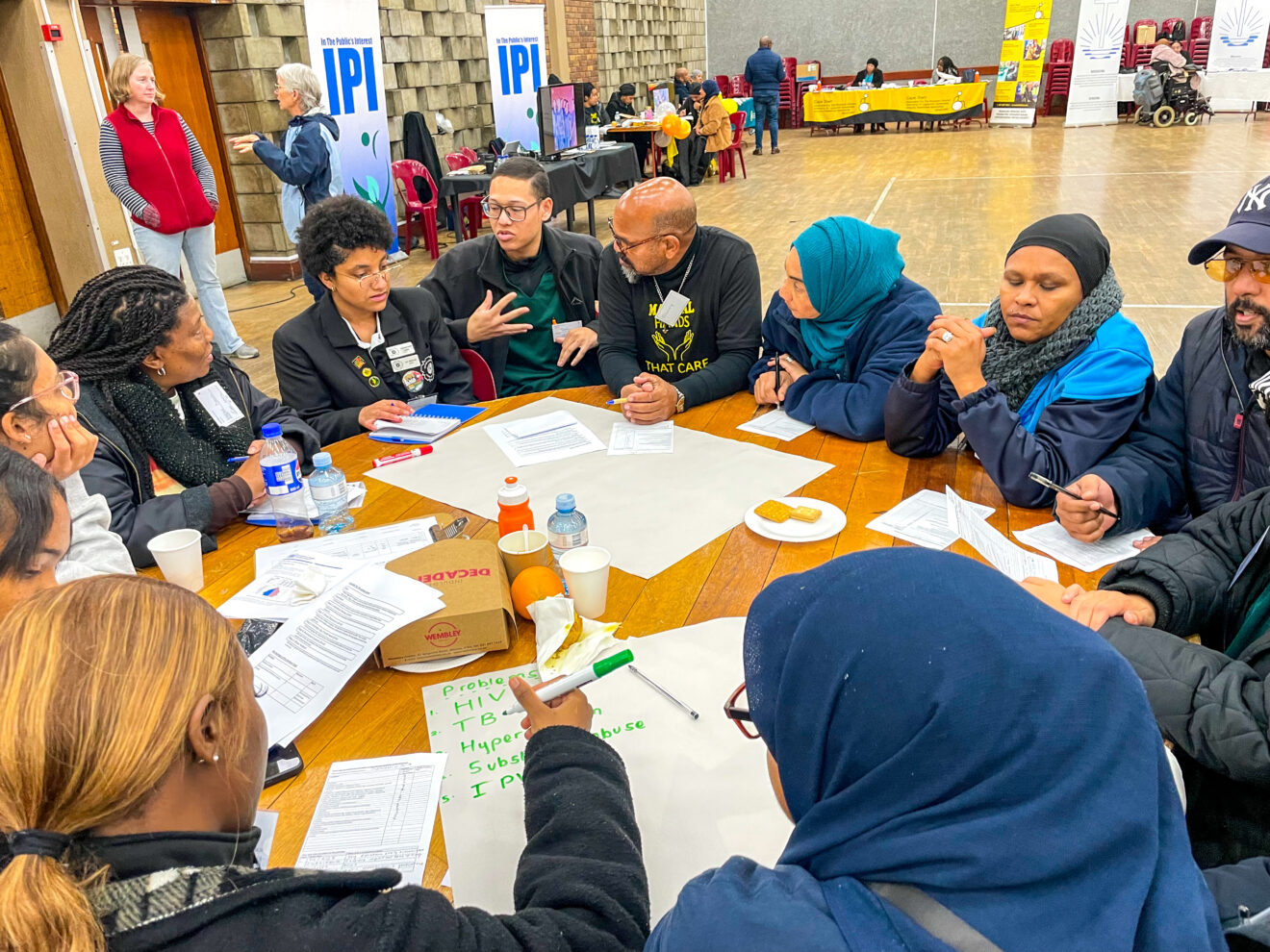
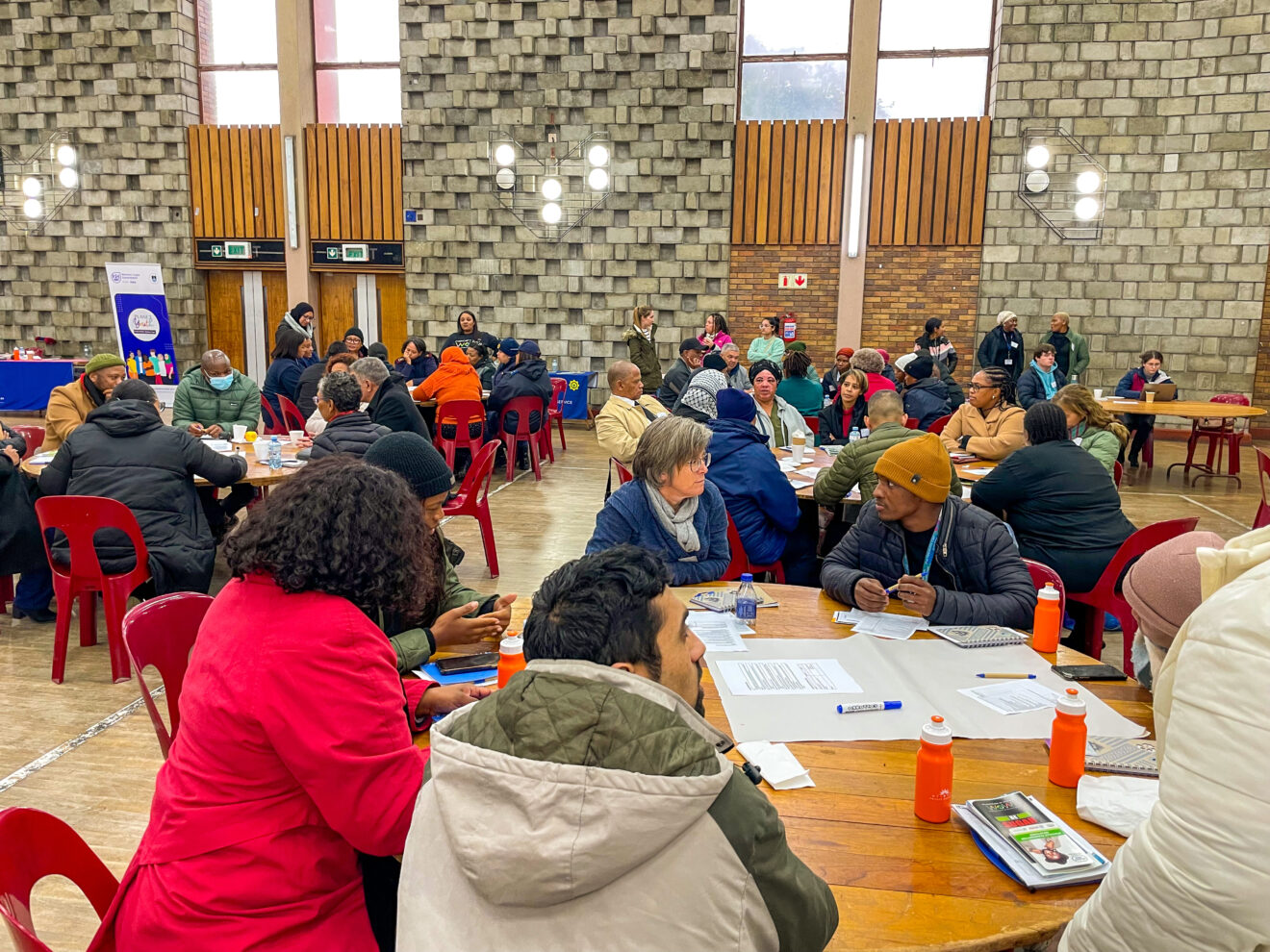
In Bridgetown/Silvertown, Klipfontein, over 100 youth, parents, educators, healthcare workers, and NGOs braved stormy weather to participate in UCT’s community-driven health dialogue. Together, they spoke honestly about mental health and sexual and reproductive health challenges, co-designed solutions, forged new partnerships between health facilities, local schools, NGOs, and local youth groups. This dialogue reinforced a collective commitment to provide youth-centred support on these issues — showing that meaningful change happens when those closest to the challenges lead the way.
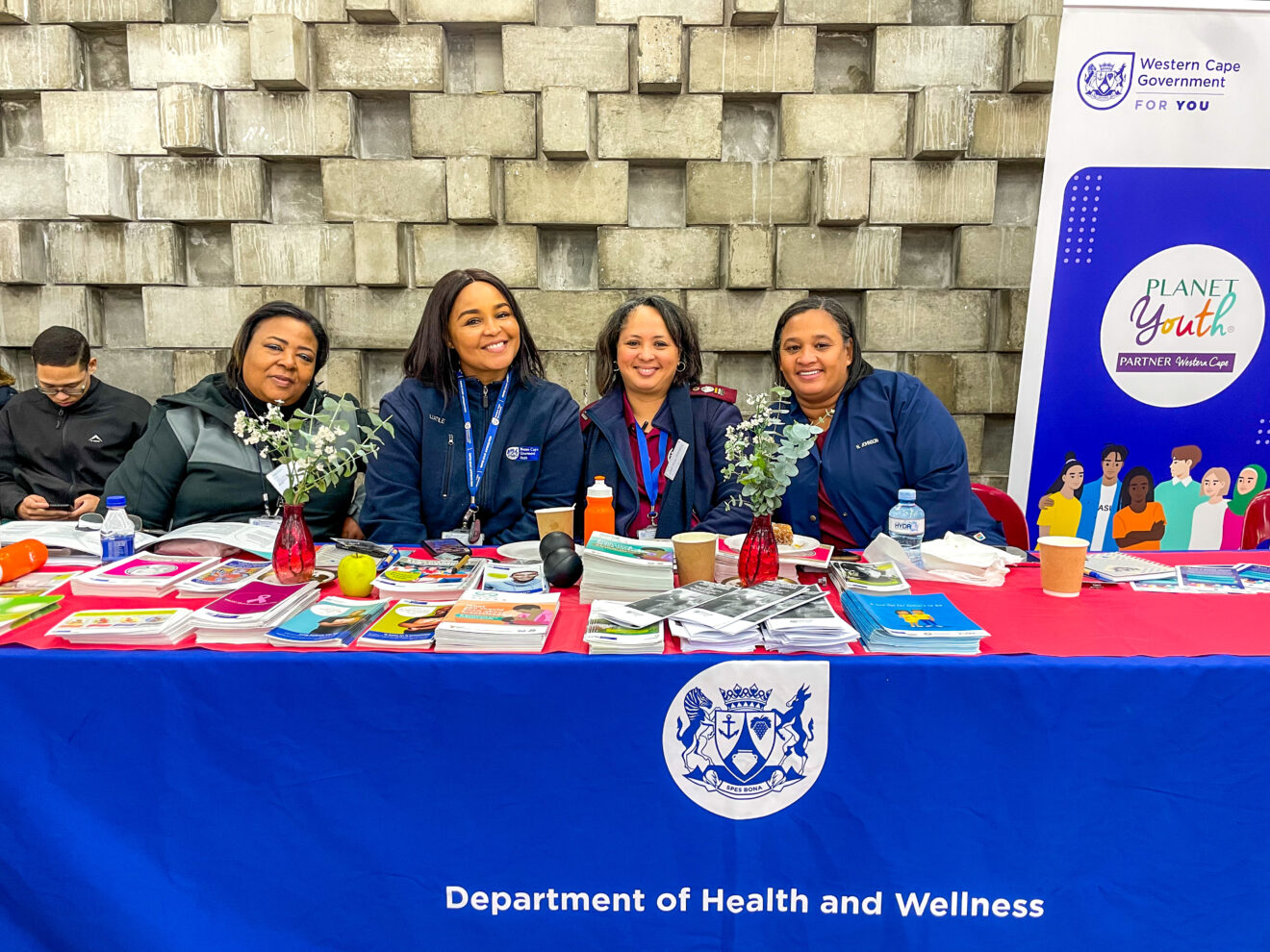
At the same time, a Youth Wellbeing Survey — conducted by UCT across 15 schools in Klipfontein and Langa in partnership with Planet Youth, the Western Cape Department of Health & Wellness and the Western Cape Education Department — captured the voices of 85% of Grade 8-9 learners in the selected schools. These youth shared insight into their experiences of substance use, family dynamics, leisure time, peer influence, community safety, violence, and general well-being. The data revealed both urgent risk factors and protective factors. For instance, learners whose parents clearly disapproved of substance use were up to three times less likely to drink, vape, or use dagga — highlighting the importance of strong parental engagement. At the same time, the widespread and early uptake of vaping, now affecting more than a third of adolescents, emerged as a critical public health concern.
Their perspectives are now being used to guide community-driven interventions and inform policy discussions with decision-makers to create safer, more supportive environments for young people.


Together, these initiatives offer a compelling model for building responsive primary health care systems and local policy solutions — one that starts by listening deeply, involving communities from day one, elevating youth voices, and grounding actions in lived experience and data. Led by UCT as part of the Africa Health Collaborative’s mission to champion locally led solutions, this approach shows the commitment of communities and young people to be co-creators of health solutions and dialogues. It demonstrates that working with communities — not for them — can be a catalyst for healthier, more resilient futures for young people.
More News & Events
Skip scroller content
Beyond the Agenda: Bringing Mental Health and Well-being into the 2026 AHC Annual Convening
At the 2026 Africa Health Collaborative Annual Convening, mental health and well-being move beyond discussion into practice. Through quiet spaces, art therapy, movement, and youth-led innovation, AHC is creating a convening experience that supports meaningful participation, connection, leadership, and lasting impact.
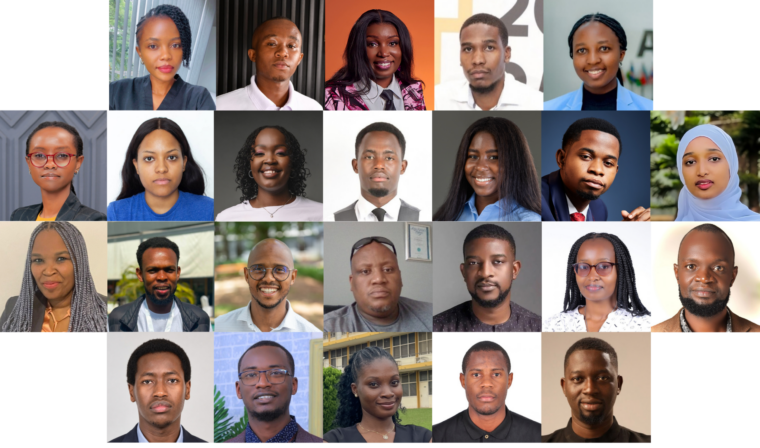
Meet the Ventures Showcasing at the 2026 Africa Health Collaborative Annual Convening
These ventures advancing primary healthcare, entrepreneurship and health systems strengthening across Africa will showcase their innovations at the 2026 Annual AHC Convening.

From Clinic to Country: Building Ethiopia’s First Integrated Model for Older Adult Health
What began with one doctor questioning fragmented care for older adults has grown into a pioneering model for Ethiopia. With leadership skills strengthened through the IMIx Certificate, Dr. Asrat built an integrated clinic now informing the country’s healthy aging efforts.

Apply for the Fully-Funded Healthy Futures South Africa (HFSA) PhD Fellowship Programme
This four-year programme supports emerging African health researchers and leaders to conduct community-focused research, strengthen health systems, and translate evidence into meaningful policy impact.

Ubuntu Rising Centres Youth Leadership, Innovation and Employment in Africa’s Health Future
More than 80 young health professionals, innovators and leaders gathered at Ubuntu Rising to advance youth leadership, innovation and employment. Their nine recommendations will inform the Africa Health Collaborative’s Youth Agenda and strengthen pathways for young people across Africa’s health ecosystem.
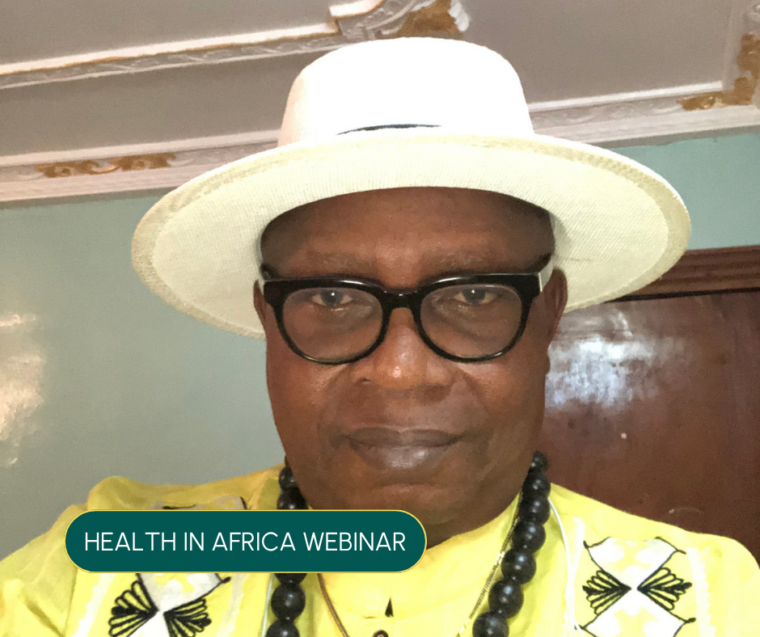
Advancing Health Equity in Africa: How Universities, Civil Society, and Communities Can Strengthen Primary Health Care
In the next HiAS, we explore how governments, universities, civil society and communities can work together to strengthen PHC and advance UHC in Africa, drawing on practical experiences, community engagement and lessons for building more equitable, resilient and people-centred health systems.

Emerging Leaders’ Day: From Youth Participation to Youth Influence
Emerging Leaders’ Day will bring together young health leaders from across Africa to build leadership skills, strengthen networks, and influence conversations shaping the future of health systems.
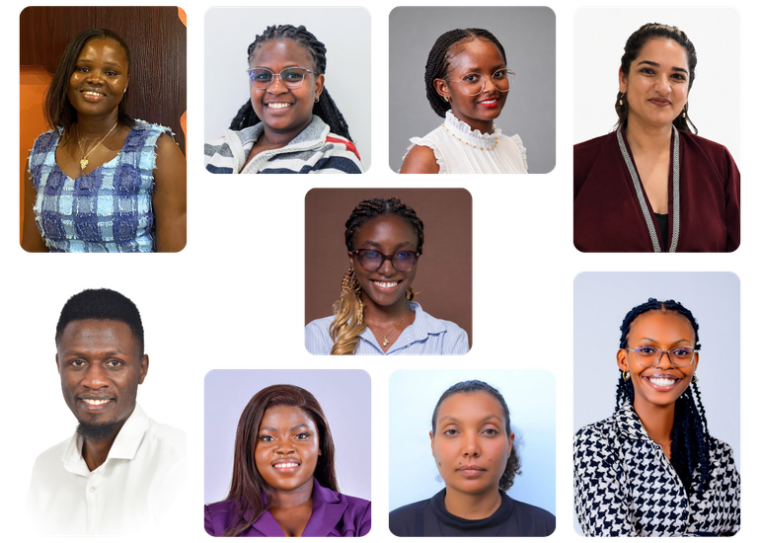
Leading Change Through Lived Experience
Across Africa, an emerging generation of health leaders is transforming personal challenges into powerful innovations. Through the AHC’s Young Leaders Committee, young researchers, entrepreneurs, technologists, and advocates are drawing on lived experiences with illness, caregiving, mental health, and healthcare inequities to design solutions that strengthen health systems and expand access to care.
2027-2028 Doctor of Public Health Scholarships Open
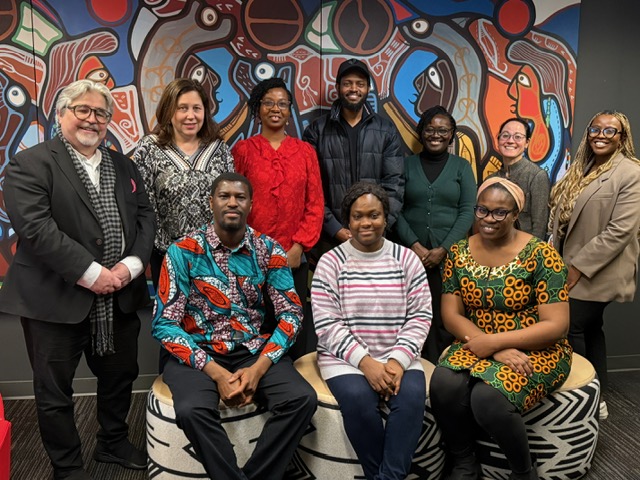
We are pleased to announce the start of the 2027-2028 Mastercard Foundation graduate scholarship recruitment at the University of Toronto. This doctoral scholarship opportunity is open to recent alumni and graduating students at our Africa Health Collaborative partner universities. These graduate scholarships will be awarded to individuals who have demonstrated academic excellence in associated health-related disciplines […]
Health Innovation as a Pathway to Africa’s Health Sovereignty
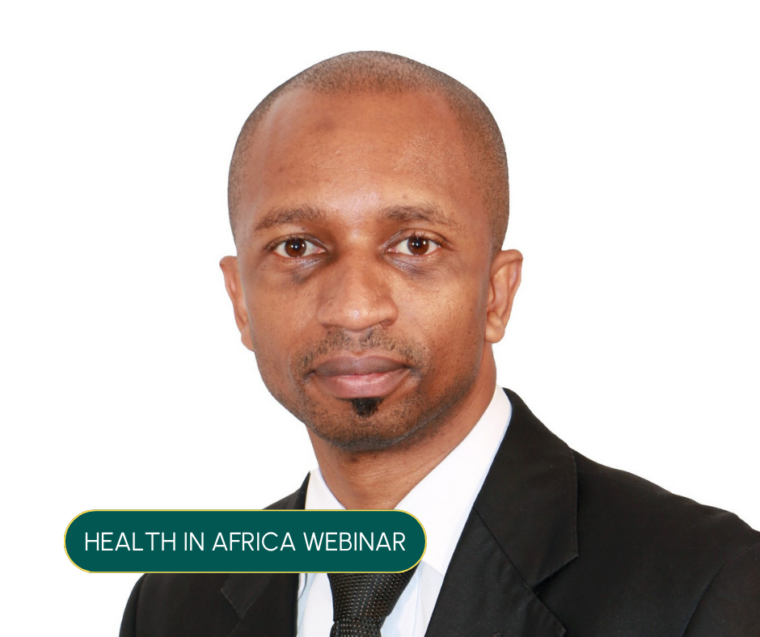
Join the next HiAS as Dr. Robert Karanja explores how talent, research, investment, policy, and partnerships can unlock Africa’s potential in digital health, biotechnology, and deep-tech innovation.