
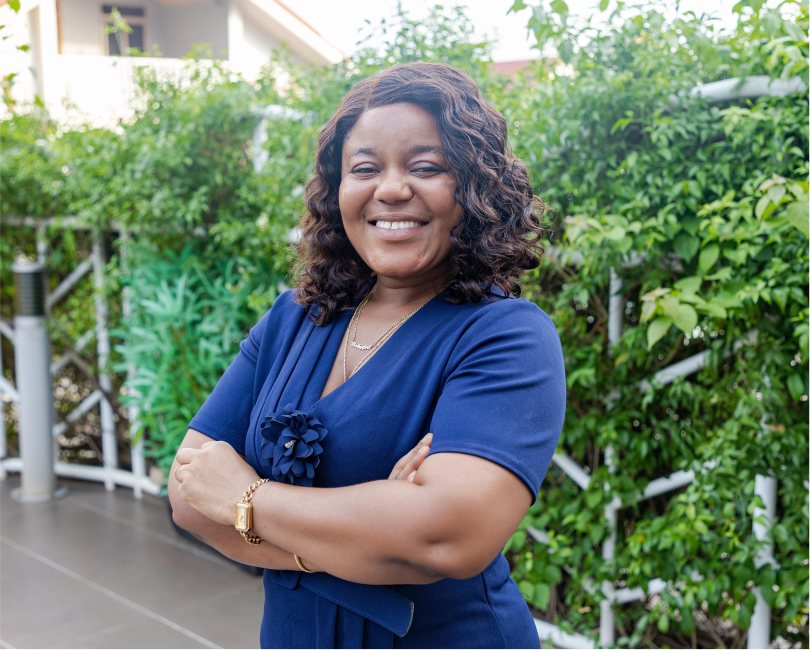
When Betty Etornam Yibor met a 12-year-old girl who had become pregnant, she could not stop thinking about what had gone wrong.
As a public health nurse working at the Mfantseman Municipal Health Directorate in Ghana’s Central Region, Betty has seen the same challenges over and over again—girls missing school because they could not afford sanitary pads, limited knowledge about sexual and reproductive health, and deep-rooted stigma that prevented young people from seeking help.
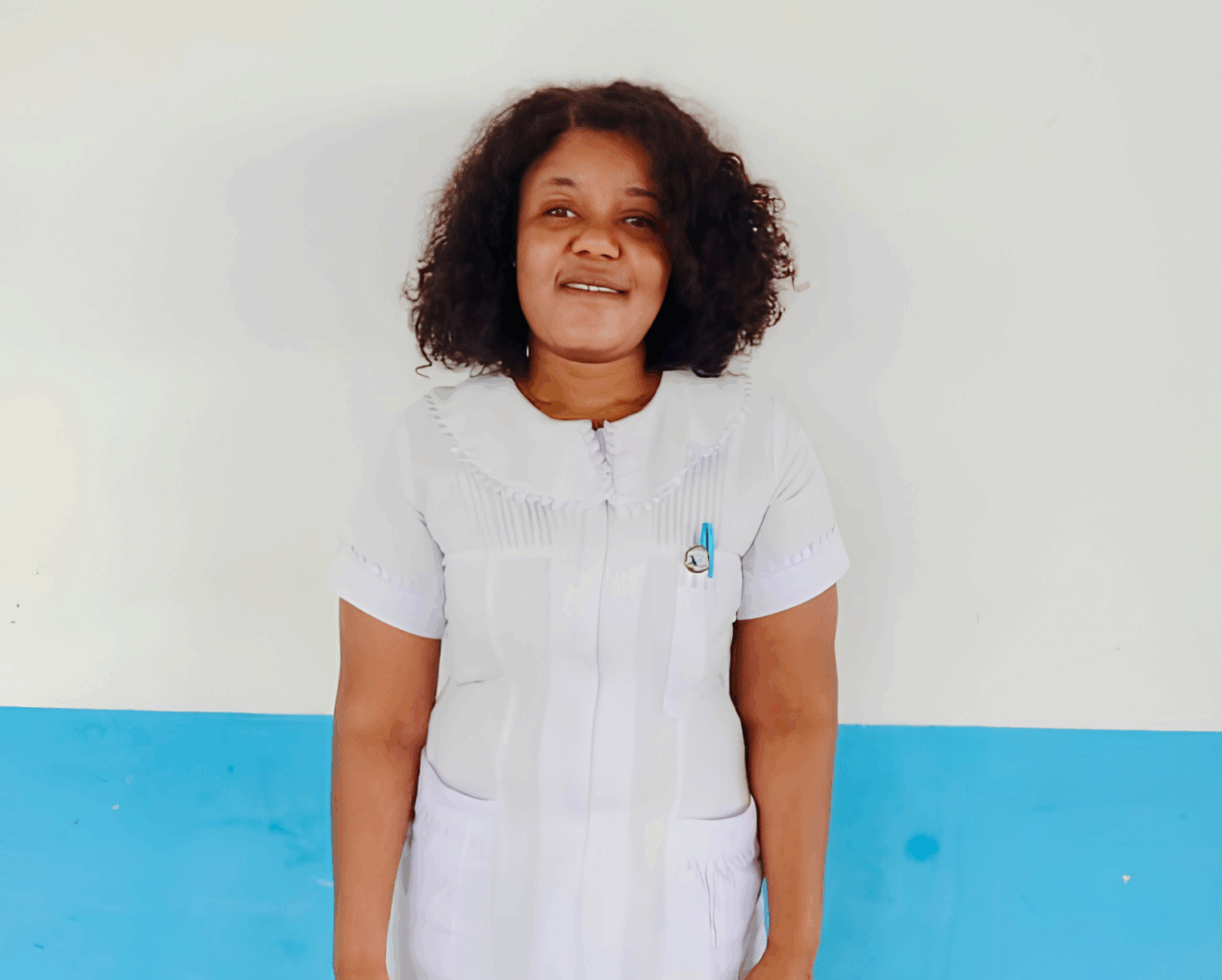
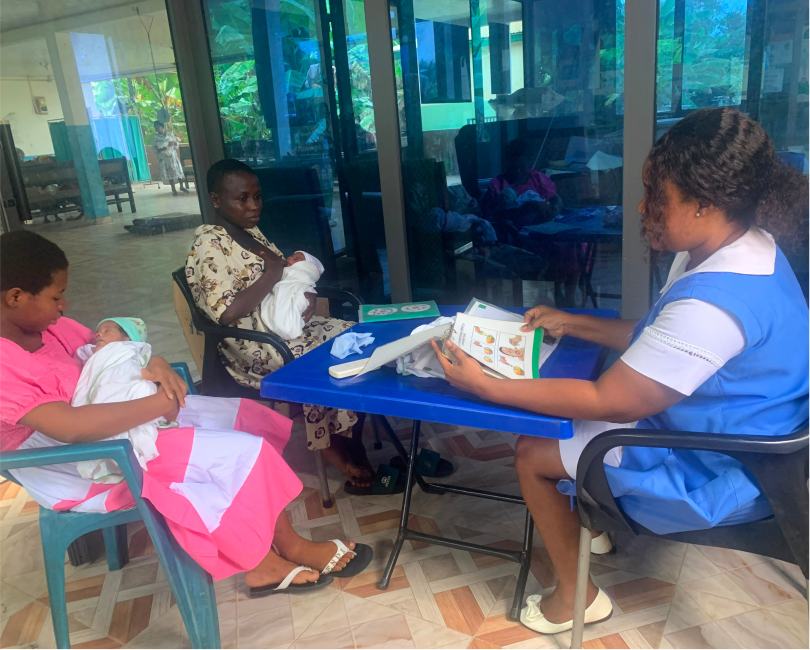
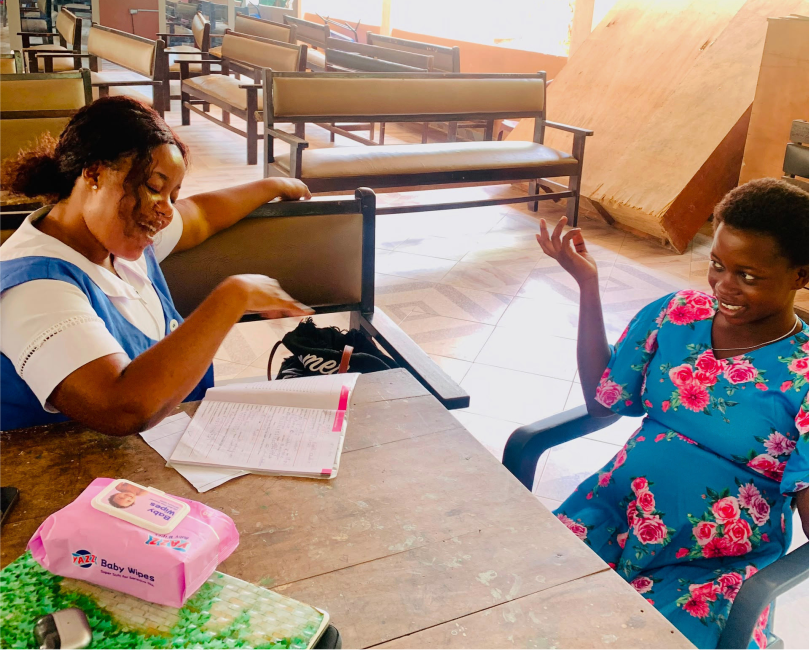
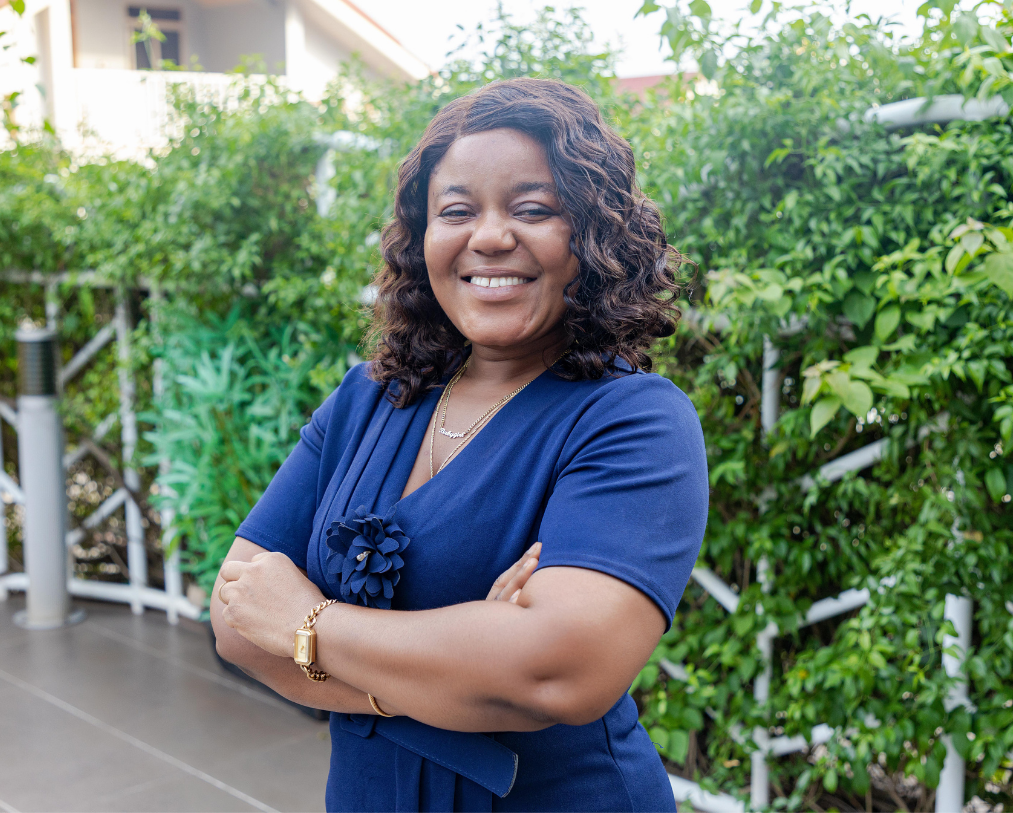
Betty Etornam Yibor, a public health nurse in Ghana’s Central Region
“I knew I wanted to do more than provide routine health services,” Betty says. “I wanted to create solutions for the problems I was seeing every day.“
That desire led her to enrol in the Community-Based Training (CBT) Programme at the Kwame Nkrumah University of Science and Technology (KNUST) under the Africa Health Collaborative. Implemented in partnership with the Mastercard Foundation, the programme equips young health professionals with practical skills in innovation, entrepreneurship, leadership, and community-led problem-solving.
For Betty, the training marked a turning point. Rather than simply responding to community challenges, she began thinking about how to design sustainable solutions to address them.
“I gained the confidence and practical skills to turn my ideas into action,” she says. “I learned how to design solutions, engage communities, measure impact and build partnerships.“
Just two months after completing the programme, Betty founded the She Cares Foundation, an organization dedicated to improving the health and well-being of adolescent girls and young women through health education, menstrual hygiene support, mentorship and community engagement.
Determined to deepen her impact, she also enrolled in KNUST’s Strategic Leadership for Health Systems Transformation in Developing Countries programme, also under the Africa Health Collaborative. The programme strengthened her leadership and management skills, enabling her to grow the foundation while enhancing her effectiveness in her role at the health service.
Together, the two programmes strengthened both Betty’s technical and leadership capabilities, enabling her to move from identifying community health challenges to designing and leading practical solutions.
One of the foundation’s flagship initiatives is the Padbank Initiative—a simple but effective school-based system that ensures girls have access to sanitary pads whenever they need them during school hours.
Each participating school has a designated coordinator who manages the supplies, records usage and works with the foundation to replenish stock regularly. The initiative means girls no longer have to miss class or return home because they unexpectedly started their periods.
“It helps girls stay in school with dignity,” Betty explains. “It also gives us data that helps us plan and sustain the programme.“
Since its launch, the Padbank Initiative has reached three schools and distributed sanitary pads to over a hundred schoolgirls in communities within Mfantseman and Adaklu. Teachers and school leaders have reported improvements in school attendance, confidence, and menstrual health awareness among participating girls.
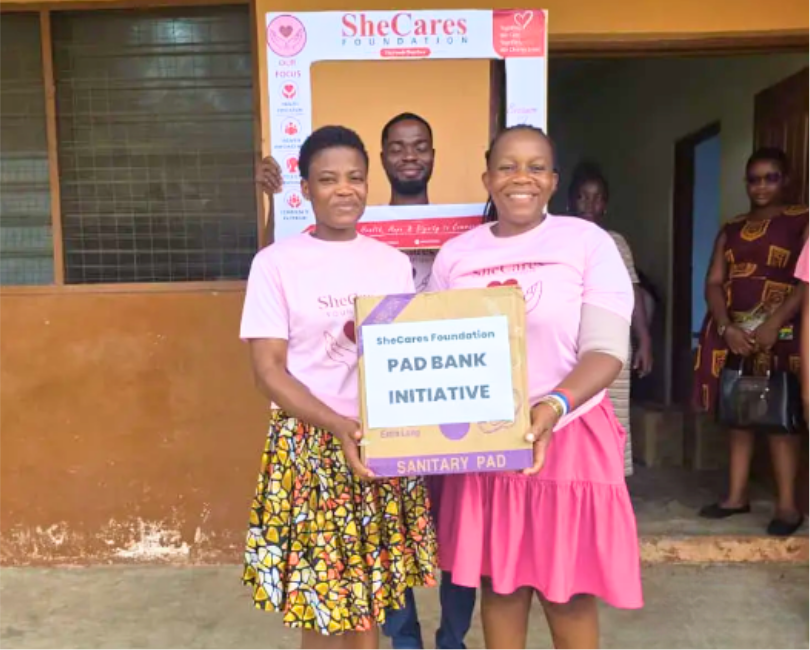
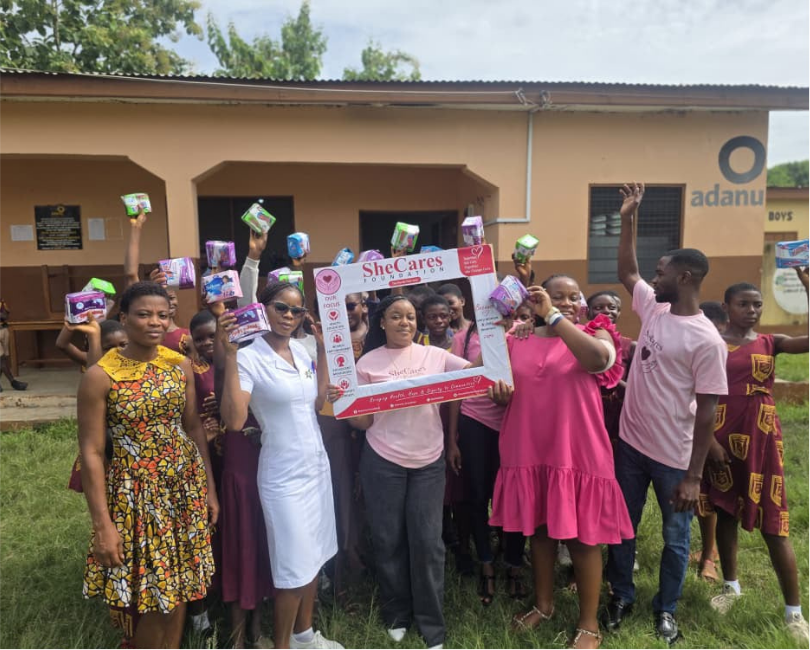
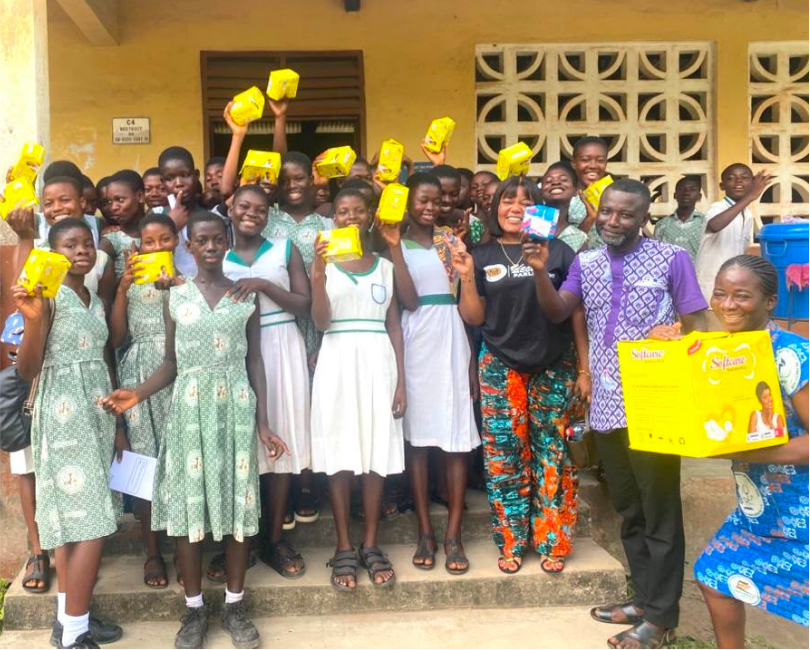
She Cares Foundation presents sanitary pads to participating schools
For Betty, however, the biggest impact is reflected in individual stories.
“One young girl told me it was the first time she truly understood menstruation,” she recalls. “That was the moment I realised our work was changing lives.“
The training also encouraged Betty to think beyond her immediate community. Through professional networks, including LinkedIn, she has built relationships with development organizations and connected with adolescent and youth leaders from more than 25 countries.
These connections have helped expand the She Leads Mentorship programme, which brings together young women for learning, mentorship and peer support through both in-person and virtual sessions. One recent eight-week cohort included participants from Ghana, Uganda and Nigeria.
Although challenges remain—including cultural stigma and limited resources—Betty says the Africa Health Collaborative equipped her with the skills to navigate them.
“The programme taught me how to design affordable solutions, mobilize resources and work with communities to build trust,” she says. “One lesson that has stayed with me is the importance of involving boys in these conversations. When they understand the issues, they become part of the solution.“
Betty now hopes to expand the She Cares Foundation’s work into more underserved communities across Ghana while exploring opportunities to adapt the model through emerging partnerships in Rwanda.
Her vision is simple but ambitious.
We want every girl, wherever she lives, to have the knowledge, confidence and support she needs to thrive.
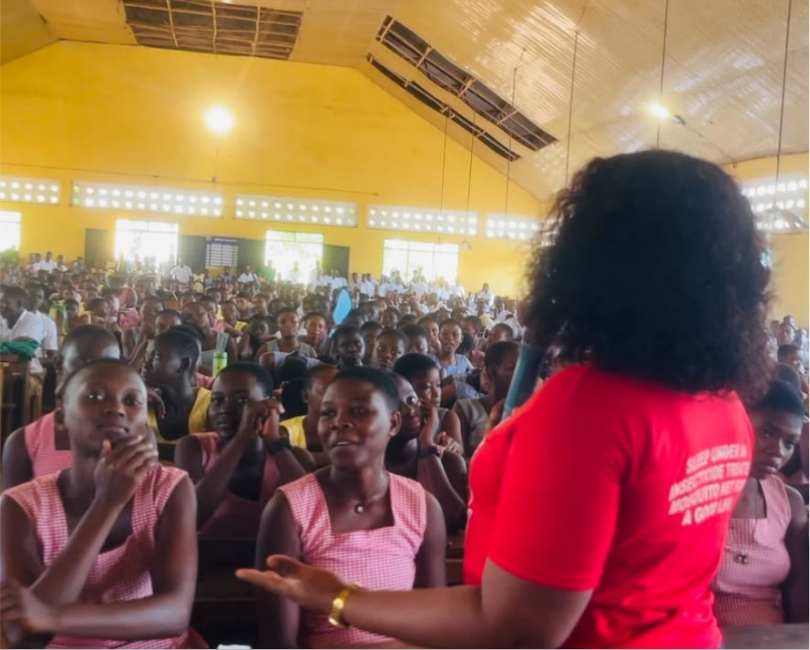
Looking back, Betty believes the Community-Based Training Programme did more than strengthen her professional skills—it transformed the way she sees her role as a health worker.
“It was a turning point,” she says. “It transformed my passion for community health into a structured journey of creating lasting change.“
Today, Betty’s journey illustrates how investing in the leadership potential of frontline health professionals can create lasting benefits for the communities they serve.
More News & Events
Skip scroller content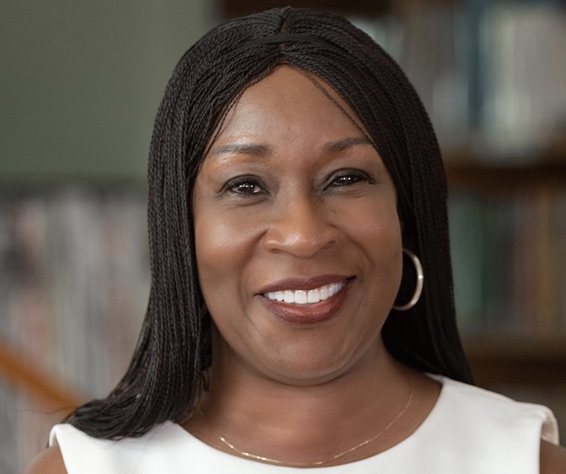
Remarks by Prof. Angela Owusu-Ansah at the Closing Ceremony of the 2026 Africa Health Collaborative Annual Convening
At the closing ceremony of the 2026 Africa Health Collaborative Annual Convening in Nairobi, Kenya, incoming Executive Steering Committee Chair Prof. Angela Owusu-Ansah shared her vision for empowering young Africans to document and amplify the continent’s health successes.

Meet the Speakers Scheduled for the 2026 AHC Annual Convening
Meet the distinguished speakers of the 2026 Africa Health Collaborative Annual Convening as they share insights on health workforce development, leadership, innovation and partnerships shaping the future of health systems across Africa and empowering the next generation of health leaders.
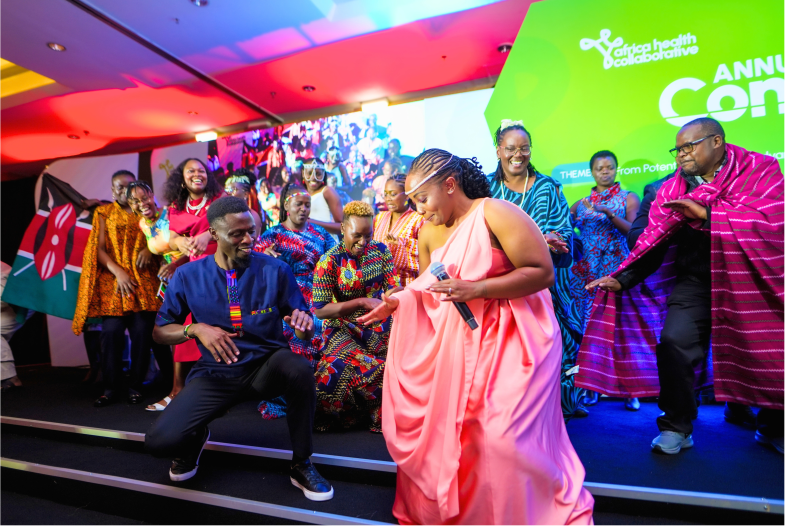
Beyond the Agenda: Bringing Mental Health and Well-being into the 2026 AHC Annual Convening
At the 2026 Africa Health Collaborative Annual Convening, mental health and well-being move beyond discussion into practice. Through quiet spaces, art therapy, movement, and youth-led innovation, AHC is creating a convening experience that supports meaningful participation, connection, leadership, and lasting impact.
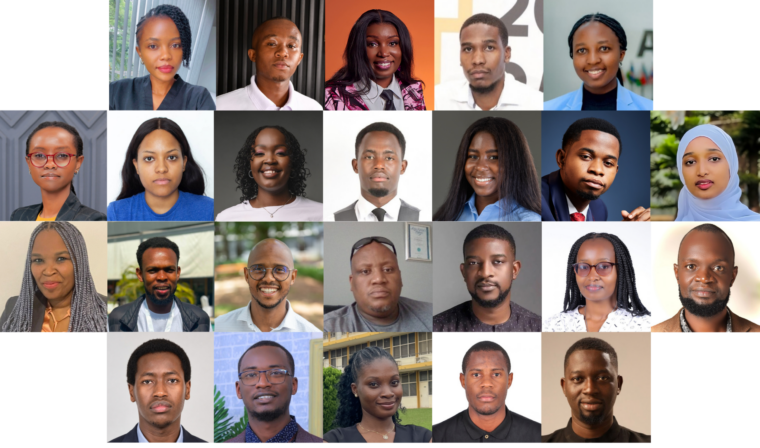
Meet the Ventures Showcasing at the 2026 Africa Health Collaborative Annual Convening
These ventures advancing primary healthcare, entrepreneurship and health systems strengthening across Africa will showcase their innovations at the 2026 Annual AHC Convening.
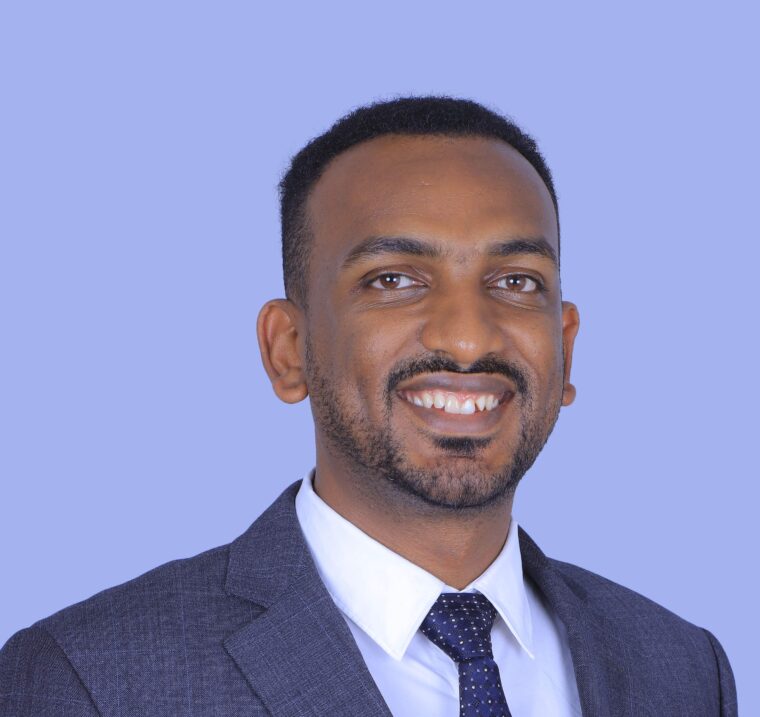
From Clinic to Country: Building Ethiopia’s First Integrated Model for Older Adult Health
What began with one doctor questioning fragmented care for older adults has grown into a pioneering model for Ethiopia. With leadership skills strengthened through the IMIx Certificate, Dr. Asrat built an integrated clinic now informing the country’s healthy aging efforts.
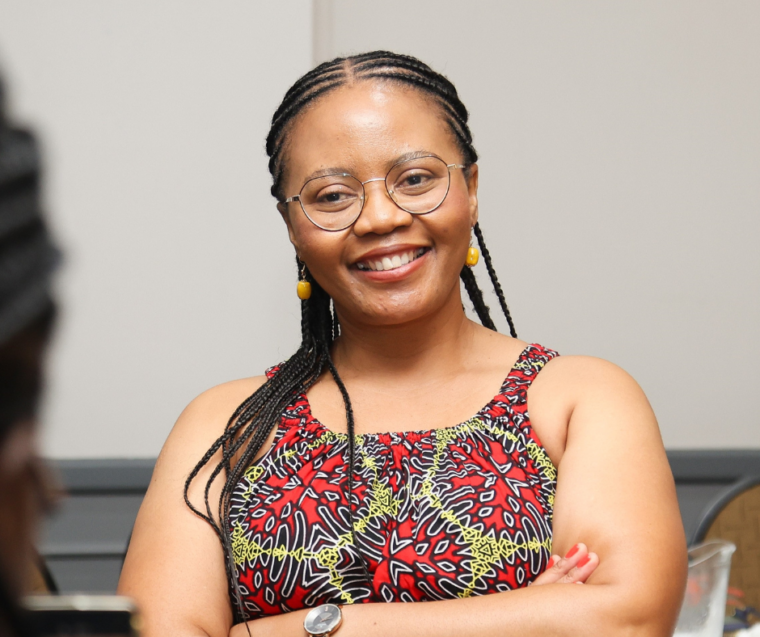
Apply for the Fully-Funded Healthy Futures South Africa (HFSA) PhD Fellowship Programme
This four-year programme supports emerging African health researchers and leaders to conduct community-focused research, strengthen health systems, and translate evidence into meaningful policy impact.
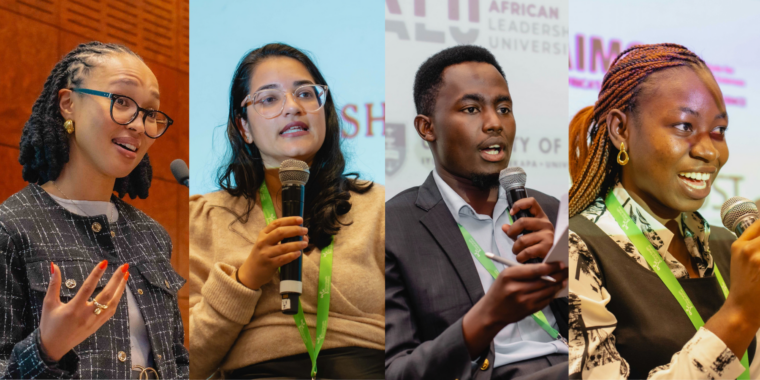
Ubuntu Rising Centres Youth Leadership, Innovation and Employment in Africa’s Health Future
More than 80 young health professionals, innovators and leaders gathered at Ubuntu Rising to advance youth leadership, innovation and employment. Their nine recommendations will inform the Africa Health Collaborative’s Youth Agenda and strengthen pathways for young people across Africa’s health ecosystem.
Advancing Health Equity in Africa: How Universities, Civil Society, and Communities Can Strengthen Primary Health Care
In the next HiAS, we explore how governments, universities, civil society and communities can work together to strengthen PHC and advance UHC in Africa, drawing on practical experiences, community engagement and lessons for building more equitable, resilient and people-centred health systems.
Emerging Leaders’ Day: From Youth Participation to Youth Influence
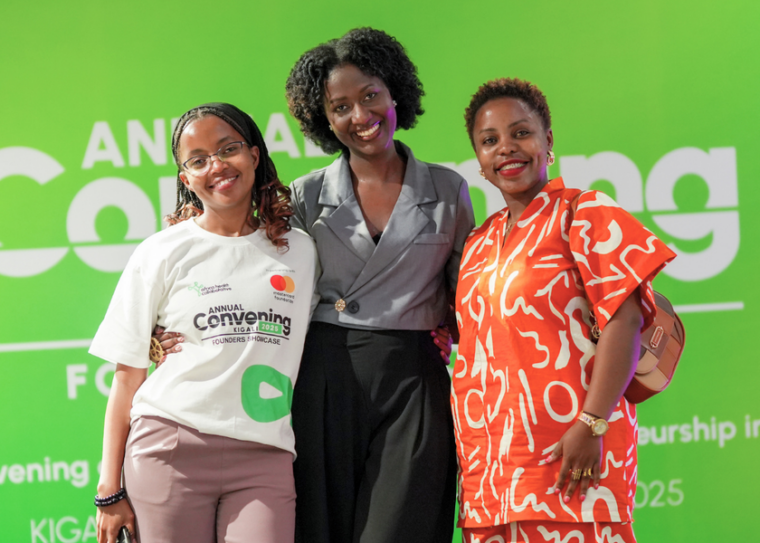
Emerging Leaders’ Day will bring together young health leaders from across Africa to build leadership skills, strengthen networks, and influence conversations shaping the future of health systems.
Leading Change Through Lived Experience
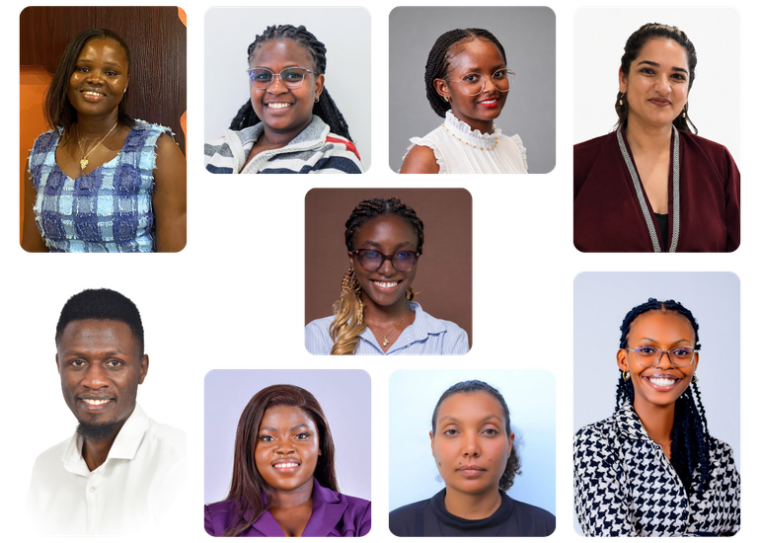
Across Africa, an emerging generation of health leaders is transforming personal challenges into powerful innovations. Through the AHC’s Young Leaders Committee, young researchers, entrepreneurs, technologists, and advocates are drawing on lived experiences with illness, caregiving, mental health, and healthcare inequities to design solutions that strengthen health systems and expand access to care.