Case Studies from Student-led Research
Join the University of Toronto and Reach Alliance to highlight critical findings into the challenges and possibilities of accessing health and employment in some of the world’s hardest-to-reach communities. Through case studies and personal stories, three emerging leaders will share their insights into barriers faced by underserved populations and the pathways they are uncovering to foster change and make a lasting impact.
Explore research into pressing global issues:
- The “No Bed Syndrome” in Ghanaian Tertiary Hospitals: Investigating the systemic challenges and healthcare access disparities in tertiary hospitals.
- Intersection of Technology and Trauma: Exploring barriers to implementing digital Post-Traumatic Stress Disorder (PTSD) treatment for refugees in Canada.
- Unconventional Paths: Examining employment strategies for South African youth deterred from completing high school.
What You Will Learn:
- Key findings from student-led research into health and employment access.
- Insights into the lived experiences of student researchers working on global challenges.
- How to support and engage in rigorous student-led research
Guided by the United Nations’ Sustainable Development Goals, these changemakers—empowered by the Reach Alliance—are turning their academic investigations into insights that can inform meaningful action. Gain a deeper understanding of the barriers to health and employment access and learn how research can serve as a catalyst for addressing global inequities.
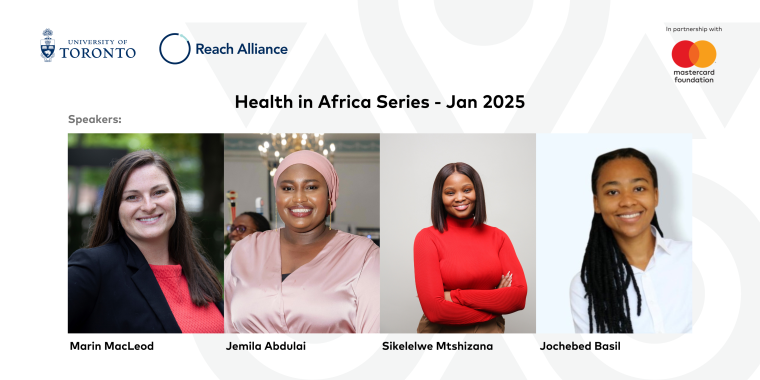
The Speakers




About Reach Alliance
The Reach Alliance is a network of top global universities and leading companies investing in an inclusive economy, a system intentionally designed to prioritize the flourishing of people and the planet.
More News & Events
Skip scroller content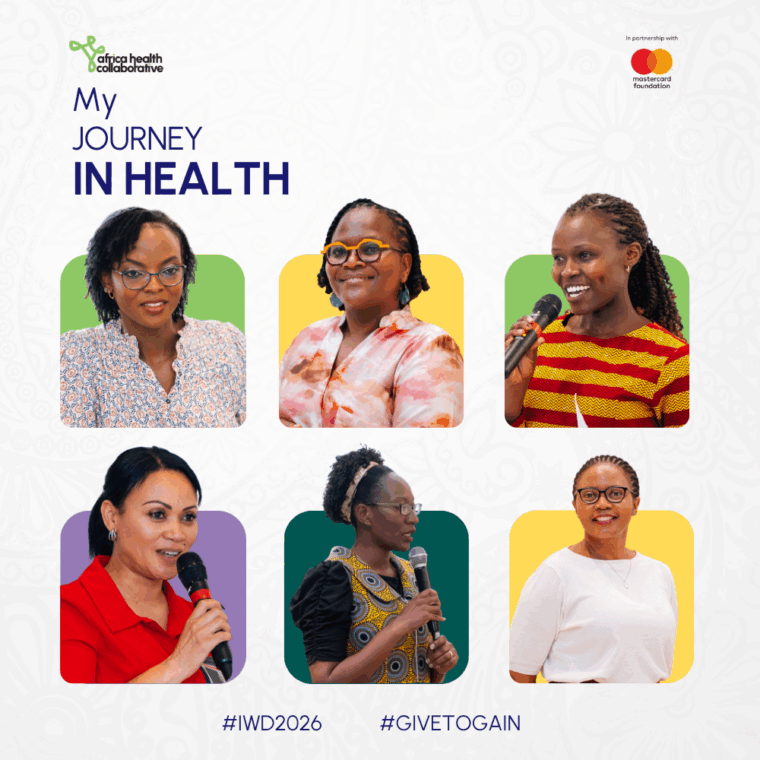
#IWD2026: Give to Gain—The Ripple Effect of Investing in Women Leaders in Global Health
Read about how fellows from the Women in Global Health Leadership Fellowship are leading and strengthening health systems across Africa.
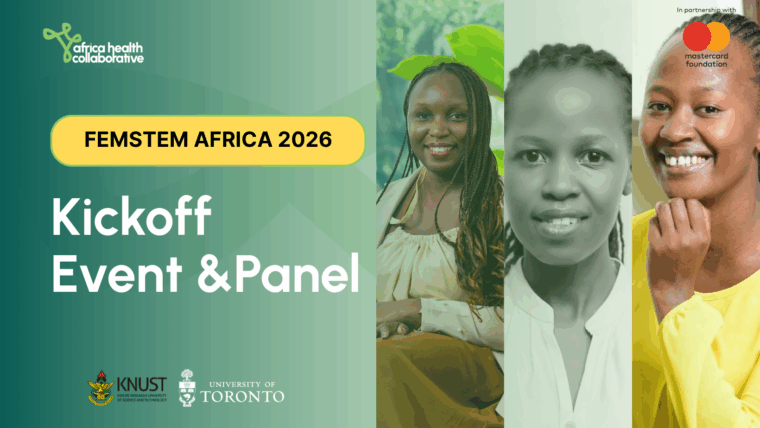
FemSTEM Africa 2026: Kickoff Event & Panel
Join Kwame Nkrumah University of Science and Technology (KNUST) & U of T on Tuesday, March 31 as we kickoff the FemSTEM Africa 2026 event series!

Program Manager, Africa Health Collaborative
Apply for the Program Manager role at the Africa Health Collaborative. Closing date is March 20, 2026.
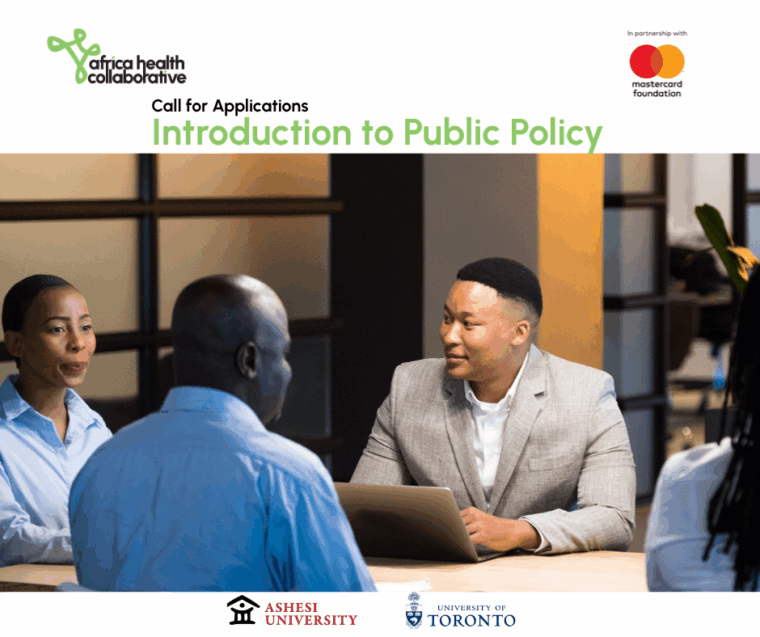
Apply for the Introduction to Public Policy Summer Course by Ashesi University
This opportunity is open to alumni and graduating students from our Africa Health Collaborative partner universities.
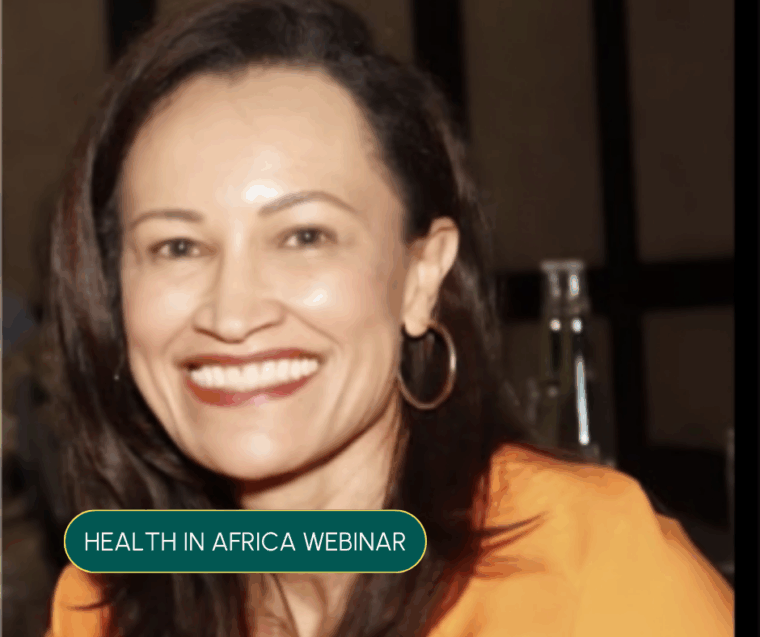
Towards Integrated, Person-Centered Primary Health Care in South Africa
Join policy makers, health implementers, NGOs, civil society actors, and academic leaders to learn from one of South Africa’s foremost health system leaders about building stronger and more responsive primary health care systems.

From Clinics to Communities: Rethinking Maternal and Newborn Health in Africa
Dr. Henry Kilonzo explores evidence-based lessons from Kenya and Ethiopia about redesigning health systems for safe motherhood.
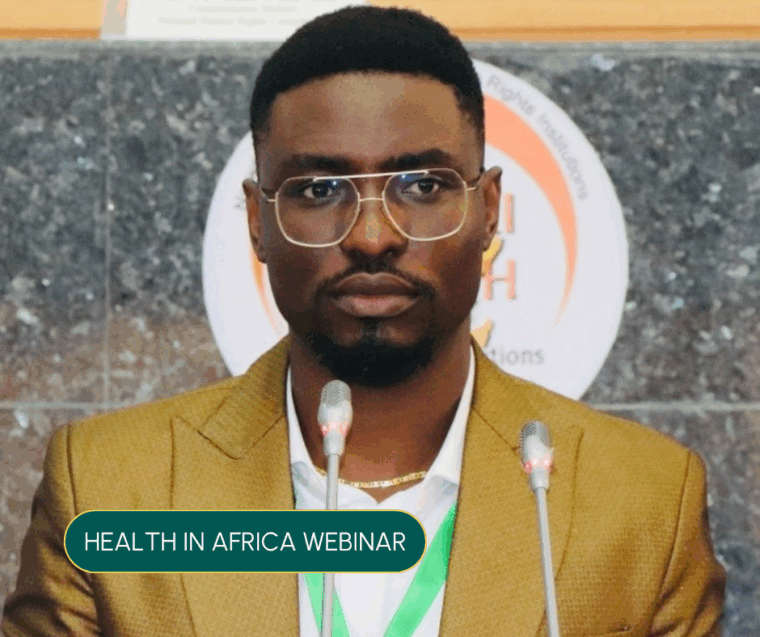
Building Inclusive Health Systems for People in Contact with the Criminal Justice System in Africa
Join this webinar to explore how Africa can build inclusive health systems that protect the dignity, safety, and well‑being of people who come into contact with the criminal justice system.
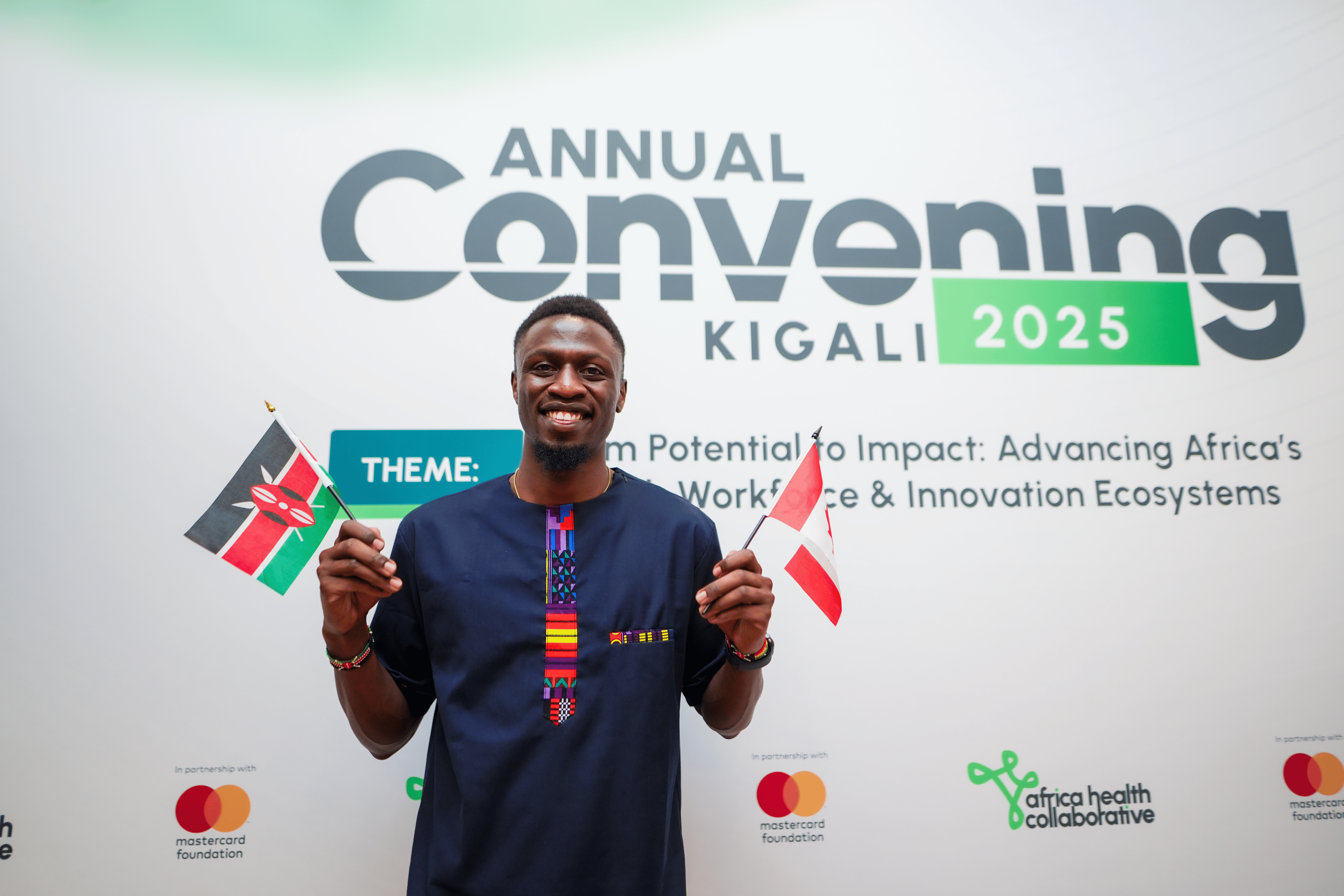
Dignity, Data, and Disruption in Africa’s Health Systems: A Young Leader’s Reflection
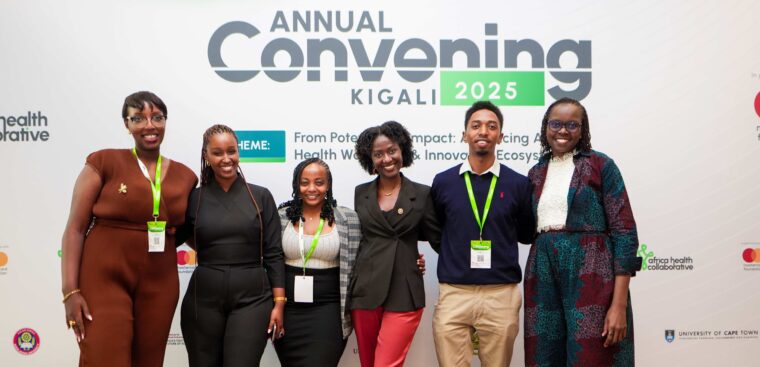
John Nyagaka, a Mastercard Foundation Scholar and AHC Young Leaders Table Chair, reflects on his transformative experience at the 2025 Annual Convening.
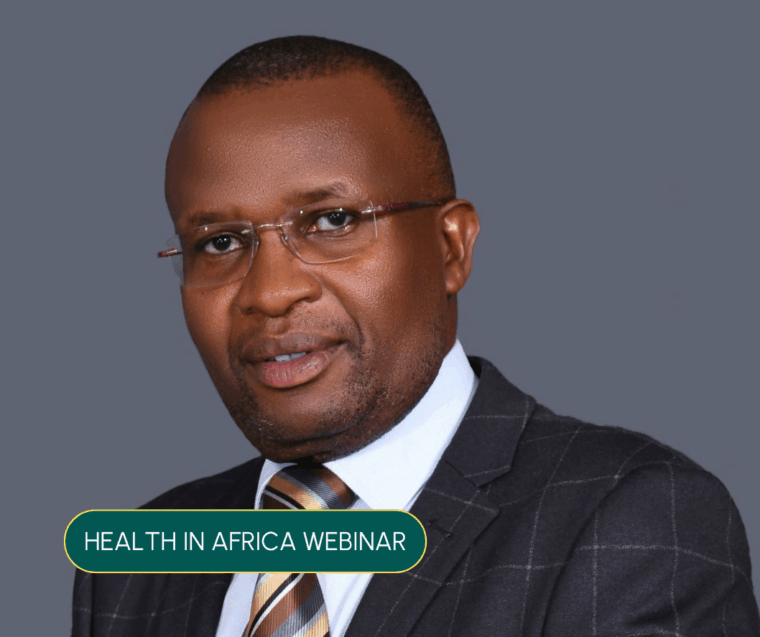
What Works: Improving Maternal and Newborn Health in Kenya and Ethiopia
Join this webinar to explore how community-led systems and digital innovations, in partnership with local leaders, are scaling sustainable healthcare impact and delivering life-saving care for mothers and their newborns.

Apply for the AIMS Master’s in Mathematical Epidemiology (MathEpi) Scholarship
Apply for the 2025 AIMS MathEpi Master’s program. Fully funded scholarships for African students in statistics and public health. Deadline: March 15.