Health systems should protect dignity, prevent harm, and make sure no one is left behind—including people who pass through the criminal justice system. But across several African countries, these individuals are still cut off from the health services everyone else can access. These gaps not only undermine dignity and rights, but also create high-risk environments where inadequate healthcare can become an early warning sign for torture, ill-treatment, and broader systemic failure
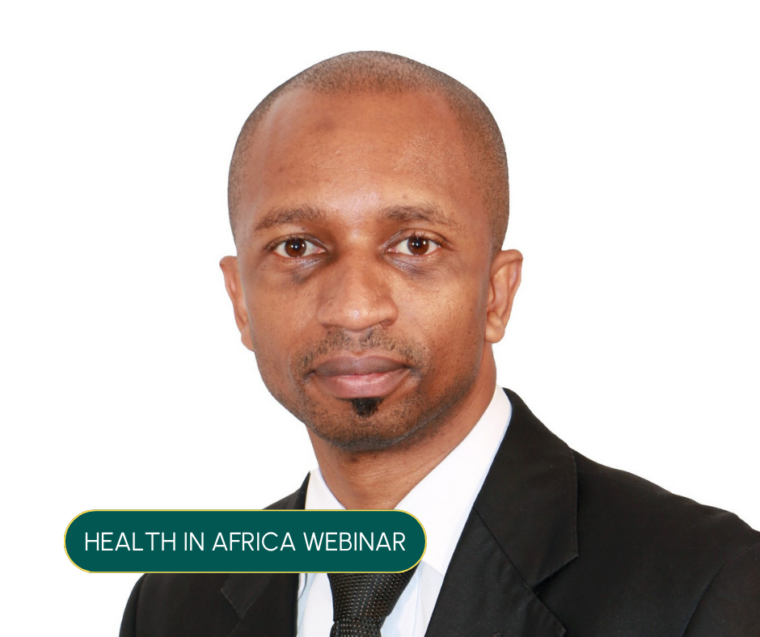
In this session, Foluso Oluwadare Adegalu from the Network of African National Human Rights Institutions (NANHRI) will share how countries can build more inclusive health systems that meet legal standards, support safety, and strengthen the well-being of people who encounter the criminal justice system. Drawing from real practice across the continent, he will show how simple improvements in coordination, continuity of care, and use of health data can become powerful tools for prevention and protection.
What you’ll learn
- How inclusive health services in criminal-justice settings protect dignity, safety, and human rights.
- Practical approaches to integrating criminal-justice related health needs into primary healthcare systems.
- How continuity of care, effective documentation, and stronger use of health data can prevent small service gaps from escalating into serious harm
This episode of the Health in Africa Series is relevant for anyone working in health, justice, human rights, governance or public policy—and for anyone committed to building systems that are safe, accountable and inclusive.
The Speaker
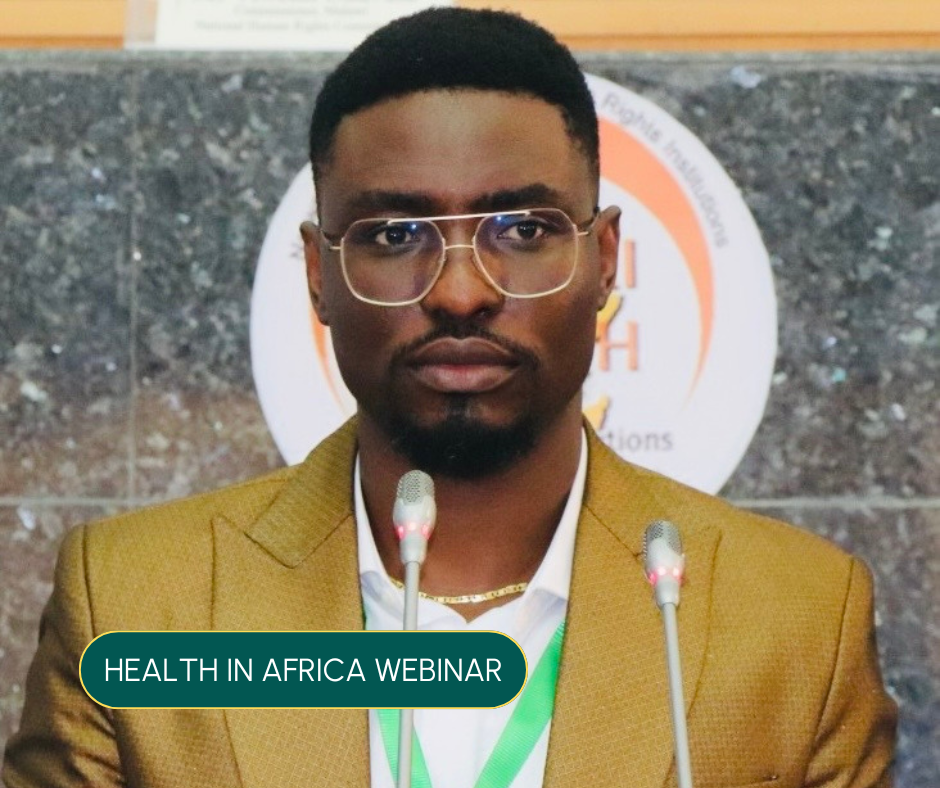
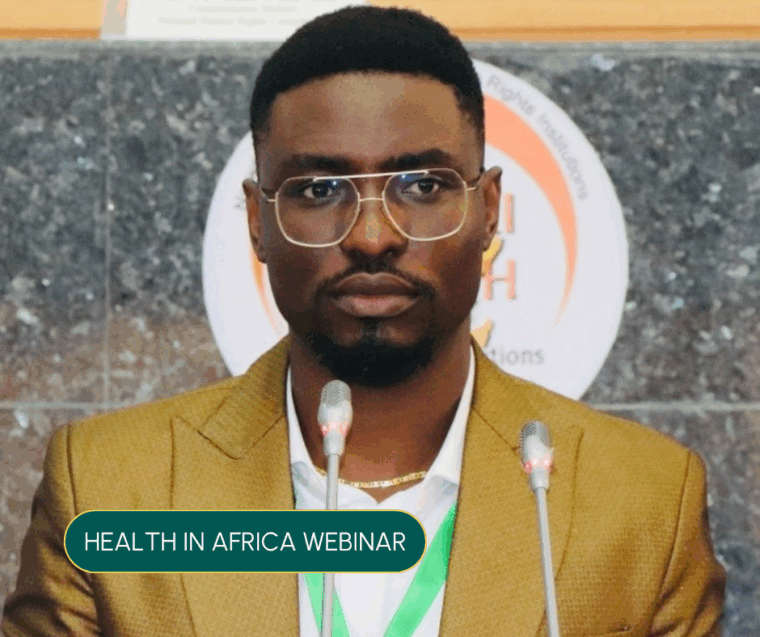
Programme Officer, Network of African National Human Rights Institutions (NANHRI)
Foluso Oluwadare Adegalu is a Programme Officer at the Network of African National Human Rights Institutions (NANHRI), where he supports African National Human Rights Institutions in strengthening governance, accountability, and implementation of regional and international standards. His work focuses on translating legal and normative frameworks into practical policy tools, institutional reforms, and cross-sector coordination strategies. He works closely with policymakers, oversight bodies, and civil society actors to advance rights-based approaches to development, institutional effectiveness, and inclusive public systems across African contexts.
More News & Events
Skip scroller content
Beyond the Agenda: Bringing Mental Health and Well-being into the 2026 AHC Annual Convening
At the 2026 Africa Health Collaborative Annual Convening, mental health and well-being move beyond discussion into practice. Through quiet spaces, art therapy, movement, and youth-led innovation, AHC is creating a convening experience that supports meaningful participation, connection, leadership, and lasting impact.
Meet the Ventures Showcasing at the 2026 Africa Health Collaborative Annual Convening
These ventures advancing primary healthcare, entrepreneurship and health systems strengthening across Africa will showcase their innovations at the 2026 Annual AHC Convening.
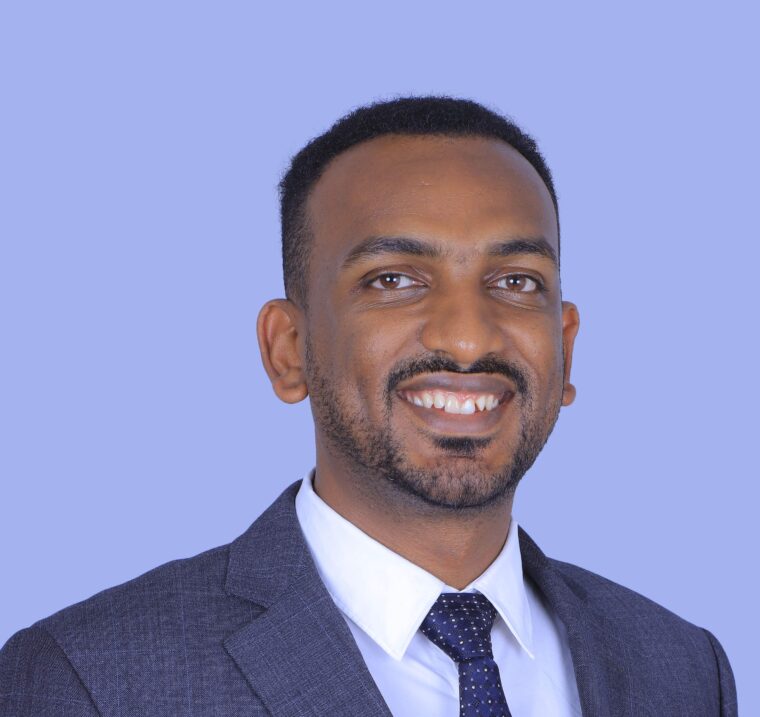
From Clinic to Country: Building Ethiopia’s First Integrated Model for Older Adult Health
What began with one doctor questioning fragmented care for older adults has grown into a pioneering model for Ethiopia. With leadership skills strengthened through the IMIx Certificate, Dr. Asrat built an integrated clinic now informing the country’s healthy aging efforts.

Apply for the Fully-Funded Healthy Futures South Africa (HFSA) PhD Fellowship Programme
This four-year programme supports emerging African health researchers and leaders to conduct community-focused research, strengthen health systems, and translate evidence into meaningful policy impact.

Ubuntu Rising Centres Youth Leadership, Innovation and Employment in Africa’s Health Future
More than 80 young health professionals, innovators and leaders gathered at Ubuntu Rising to advance youth leadership, innovation and employment. Their nine recommendations will inform the Africa Health Collaborative’s Youth Agenda and strengthen pathways for young people across Africa’s health ecosystem.
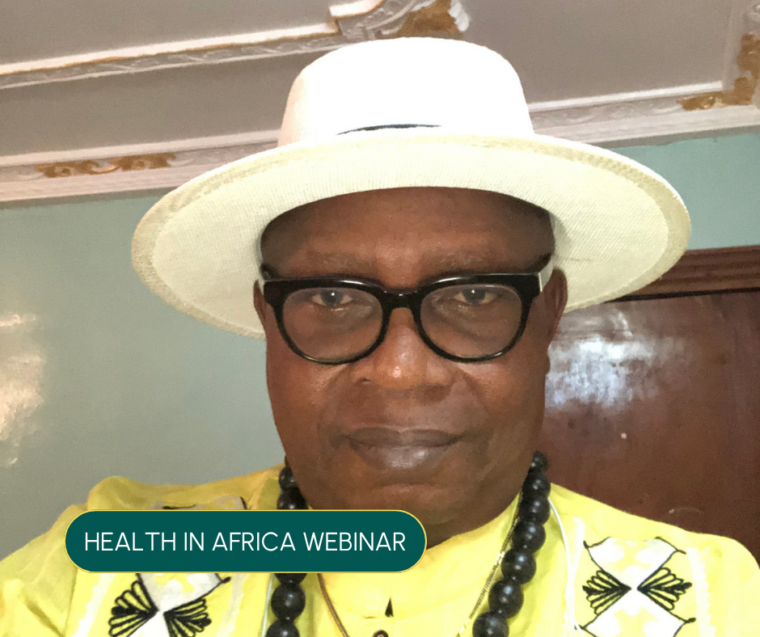
Advancing Health Equity in Africa: How Universities, Civil Society, and Communities Can Strengthen Primary Health Care
In the next HiAS, we explore how governments, universities, civil society and communities can work together to strengthen PHC and advance UHC in Africa, drawing on practical experiences, community engagement and lessons for building more equitable, resilient and people-centred health systems.

Emerging Leaders’ Day: From Youth Participation to Youth Influence
Emerging Leaders’ Day will bring together young health leaders from across Africa to build leadership skills, strengthen networks, and influence conversations shaping the future of health systems.
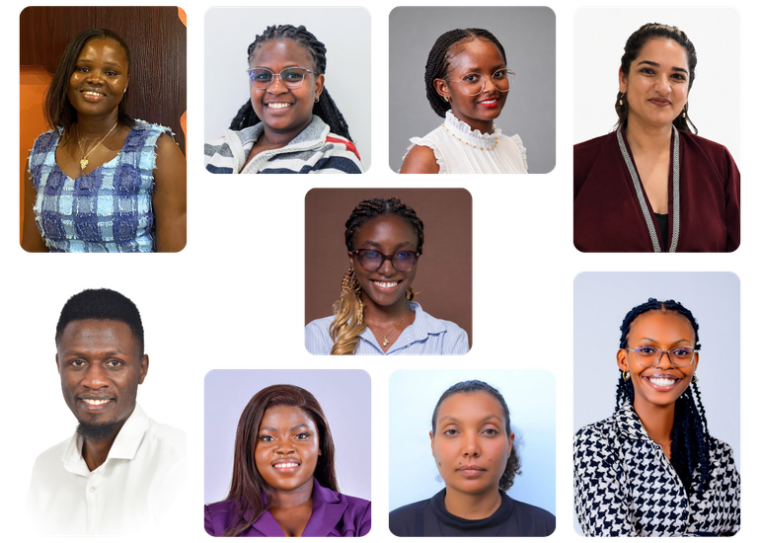
Leading Change Through Lived Experience
Across Africa, an emerging generation of health leaders is transforming personal challenges into powerful innovations. Through the AHC’s Young Leaders Committee, young researchers, entrepreneurs, technologists, and advocates are drawing on lived experiences with illness, caregiving, mental health, and healthcare inequities to design solutions that strengthen health systems and expand access to care.
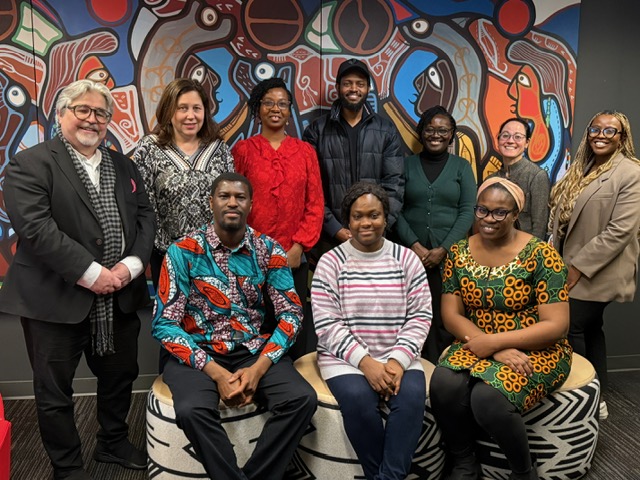
2027-2028 Doctor of Public Health Scholarships Open
We are pleased to announce the start of the 2027-2028 Mastercard Foundation graduate scholarship recruitment at the University of Toronto. This doctoral scholarship opportunity is open to recent alumni and graduating students at our Africa Health Collaborative partner universities. These graduate scholarships will be awarded to individuals who have demonstrated academic excellence in associated health-related disciplines […]
Health Innovation as a Pathway to Africa’s Health Sovereignty
Join the next HiAS as Dr. Robert Karanja explores how talent, research, investment, policy, and partnerships can unlock Africa’s potential in digital health, biotechnology, and deep-tech innovation.