
What Kenya and Ethiopia teach us about redesigning systems for safe motherhood
Across Africa, many of the fundamentals for strong maternal and newborn health already exist—skilled health workers, trusted community networks, and proven innovations. Yet outcomes for mothers and children ultimately show whether these strengths function as a connected, responsive system, or fragment at the very moments they are needed most. According to the World Health Organization (WHO), most maternal deaths are preventable with timely care from skilled health professionals in a supportive system.
The Reality Behind the Numbers
This systemic perspective was the focus of the recent Health in Africa Webinar Series session, hosted by the Africa Health Collaborative (AHC) on January 28, 2026. In his presentation, “Improving Maternal and Newborn Health in Kenya and Ethiopia,” Dr. Henry Kilonzo of the Safaricom and MPESA Foundations argued that while we often focus on clinical outcomes, the fight for survival is often won or lost long before a woman reaches the delivery room.
WHO estimates Kenya’s maternal mortality rate at 355 per 100,000 live births and Ethiopia’s at 195—far above the Sustainable Development Goal target of fewer than 70 per 100,000. These statistics mask the daily struggles of women living far from timely, quality care. Dr. Kilonzo shared Naomi’s (name changed for privacy) story, a 26-year-old Ethiopian mother who lives three hours from the nearest clinic and often finds no medical staff available. For her, pregnancy becomes a test of distance, timing, and circumstance.
Infrastructure Must Reflect Context
Health programs often focus on building facilities, but infrastructure alone cannot overcome geographic and environmental barriers. In Kenya’s Lamu archipelago, emergency care is limited not by doctors but by tides: if a mother goes into obstructed labor at night, boats cannot transport her. The solution was a Water Ambulance system connecting island health promoters to motorized response teams, demonstrating effective interventions must be designed around local context.
Innovations that Fit Real Life
Dr. Kilonzo advocated that technology works best when it supports existing human workflows rather than replacing them. The Uzazi Salama (Safe Delivery) project in Kenya and Ethiopia paired digital tracking with a “Mama Pack” of newborn essentials, increasing facility-based deliveries by meeting mothers’ immediate needs.
This emphasis on practical, context-aware innovation is also reflected in how the AHC supports African-grown solutions like Autothermo, a wearable device for real-time newborn monitoring and A-Lite Vein Locator, a medical device that facilitates the non-invasive detection of veins under the skin.
A Call for Systems Redesign
If maternal death is a system failure, then the solution must be an intentional system redesign. Dr. Kilonzo shared real-world examples from Kenya and Ethiopia of what is possible when countries invest in a systems approach.
Kenya’s government equipped 107,000 Community Health Promoters (CHP) with medical kits and tablets to track household health and facilitate referrals. In Ethiopia, 40,000 Health Extension Workers (HEW), who are salaried female civil servants, operate out of local health posts delivering a package of 16 essential health interventions.
This focus on people-powered systems is also central to the Africa Health Collaborative’s work training over 30,000 primary healthcare workers, upskilling 60,000 professionals, and supporting 5,000 ventures to create 20,000 jobs by 2030.
A resilient system ensures complete maternal care: guaranteed transport, pre-alerted receiving facilities, and postnatal follow-up for immunization, nutrition, and support.
Dr. Kilonzo concluded: “Maternal and newborn deaths are not a technical failure—they are a systems failure. And systems can be redesigned.”
Watch the full episode here
More News & Events
Skip scroller content
Meet the Speakers Scheduled for the 2026 AHC Annual Convening
Meet the distinguished speakers of the 2026 Africa Health Collaborative Annual Convening as they share insights on health workforce development, leadership, innovation and partnerships shaping the future of health systems across Africa and empowering the next generation of health leaders.

Beyond the Agenda: Bringing Mental Health and Well-being into the 2026 AHC Annual Convening
At the 2026 Africa Health Collaborative Annual Convening, mental health and well-being move beyond discussion into practice. Through quiet spaces, art therapy, movement, and youth-led innovation, AHC is creating a convening experience that supports meaningful participation, connection, leadership, and lasting impact.
Meet the Ventures Showcasing at the 2026 Africa Health Collaborative Annual Convening
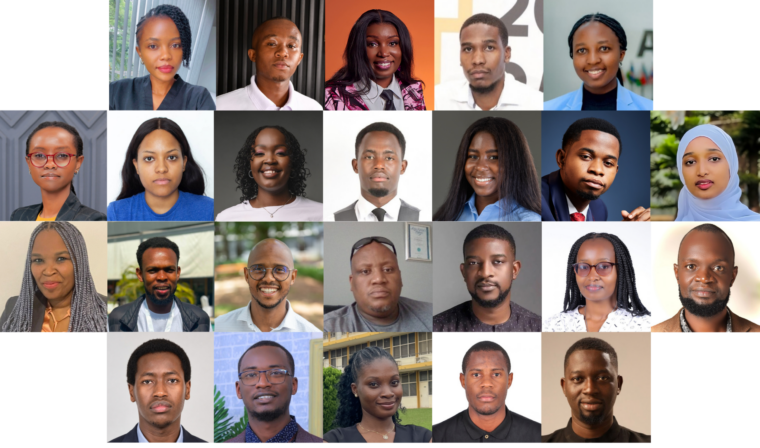
These ventures advancing primary healthcare, entrepreneurship and health systems strengthening across Africa will showcase their innovations at the 2026 Annual AHC Convening.

From Clinic to Country: Building Ethiopia’s First Integrated Model for Older Adult Health
What began with one doctor questioning fragmented care for older adults has grown into a pioneering model for Ethiopia. With leadership skills strengthened through the IMIx Certificate, Dr. Asrat built an integrated clinic now informing the country’s healthy aging efforts.

Apply for the Fully-Funded Healthy Futures South Africa (HFSA) PhD Fellowship Programme
This four-year programme supports emerging African health researchers and leaders to conduct community-focused research, strengthen health systems, and translate evidence into meaningful policy impact.

Ubuntu Rising Centres Youth Leadership, Innovation and Employment in Africa’s Health Future
More than 80 young health professionals, innovators and leaders gathered at Ubuntu Rising to advance youth leadership, innovation and employment. Their nine recommendations will inform the Africa Health Collaborative’s Youth Agenda and strengthen pathways for young people across Africa’s health ecosystem.
Advancing Health Equity in Africa: How Universities, Civil Society, and Communities Can Strengthen Primary Health Care
In the next HiAS, we explore how governments, universities, civil society and communities can work together to strengthen PHC and advance UHC in Africa, drawing on practical experiences, community engagement and lessons for building more equitable, resilient and people-centred health systems.

Emerging Leaders’ Day: From Youth Participation to Youth Influence
Emerging Leaders’ Day will bring together young health leaders from across Africa to build leadership skills, strengthen networks, and influence conversations shaping the future of health systems.
Leading Change Through Lived Experience
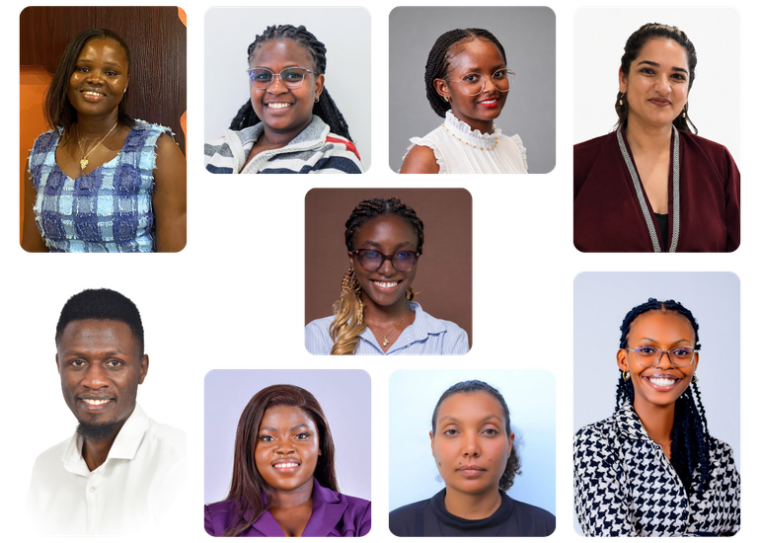
Across Africa, an emerging generation of health leaders is transforming personal challenges into powerful innovations. Through the AHC’s Young Leaders Committee, young researchers, entrepreneurs, technologists, and advocates are drawing on lived experiences with illness, caregiving, mental health, and healthcare inequities to design solutions that strengthen health systems and expand access to care.
2027-2028 Doctor of Public Health Scholarships Open
We are pleased to announce the start of the 2027-2028 Mastercard Foundation graduate scholarship recruitment at the University of Toronto. This doctoral scholarship opportunity is open to recent alumni and graduating students at our Africa Health Collaborative partner universities. These graduate scholarships will be awarded to individuals who have demonstrated academic excellence in associated health-related disciplines […]