Long patient waiting times, communication gaps, and inefficient workflows are a barrier to the delivery of quality care in any health system.
How can digital transformation and Artificial Intelligence (AI) help shift health systems from reactive to proactive care?
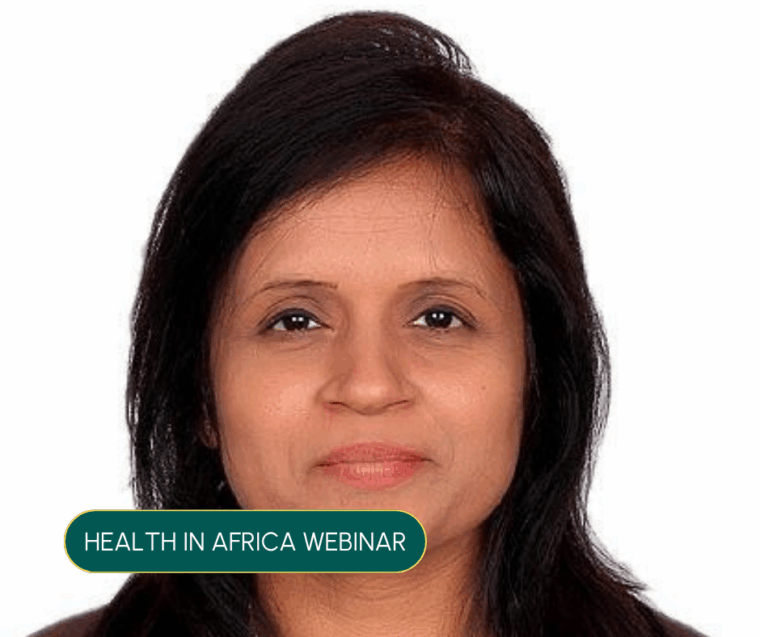
In this episode of the Health in Africa Series, we explore a practical case study from Ghana on the application of Continuous Quality Improvement (CQI) and artificial intelligence. Using the Plan-Do-Study-Act (PDSA) framework alongside digital health tools and Electronic Health Records (EHRs), Dr Bhavana Singh will demonstrate how data-driven innovations can enable efficient workflows and proactive healthcare improvement.
What You Will Learn:
- Bridging the Gap: How digital tools can address communication barriers and clinical workflow inefficiencies.
- The AI Advantage: Identifying practical opportunities for AI integration in Low- and Middle-Income Country (LMIC) health settings.
- Data in Action: Using EHR-driven quality monitoring to support proactive healthcare improvement.
This session is based on a CQI case study from Ghana and will explore lessons on implementing PDSA cycles for more sustainable service delivery.
Speaker
Chief Medical Officer, the University Health Services, KNUST
Dr Bhavana Singh is the Chief Medical Officer at the University Health Services (UHS), Kwame Nkrumah University of Science and Technology. As a clinical microbiologist, public health expert, and a leading expert in Digital Health and AI, Dr. Singh brings extensive experience in advancing antimicrobial resistance (AMR) solutions and public health innovations. She is currently an Adjunct Professor at the School of Medicine and Dentistry, KNUST and a mentor for the Future Leaders Mentorship Foundation (FLMF).
More News & Events
Skip scroller content
Beyond the Agenda: Bringing Mental Health and Well-being into the 2026 AHC Annual Convening
At the 2026 Africa Health Collaborative Annual Convening, mental health and well-being move beyond discussion into practice. Through quiet spaces, art therapy, movement, and youth-led innovation, AHC is creating a convening experience that supports meaningful participation, connection, leadership, and lasting impact.
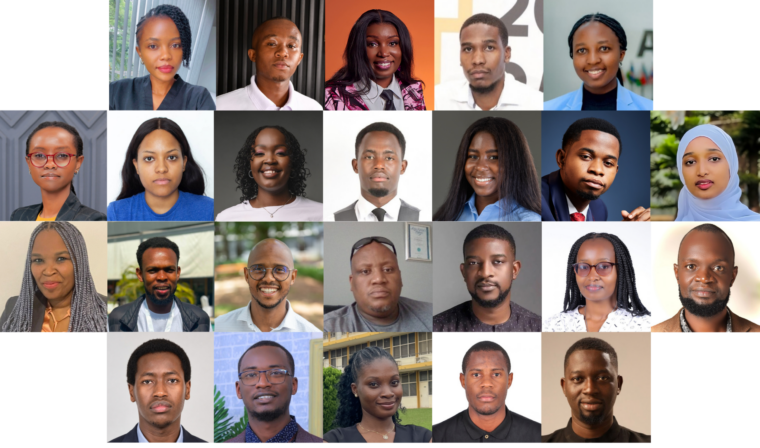
Meet the Ventures Showcasing at the 2026 Africa Health Collaborative Annual Convening
These ventures advancing primary healthcare, entrepreneurship and health systems strengthening across Africa will showcase their innovations at the 2026 Annual AHC Convening.
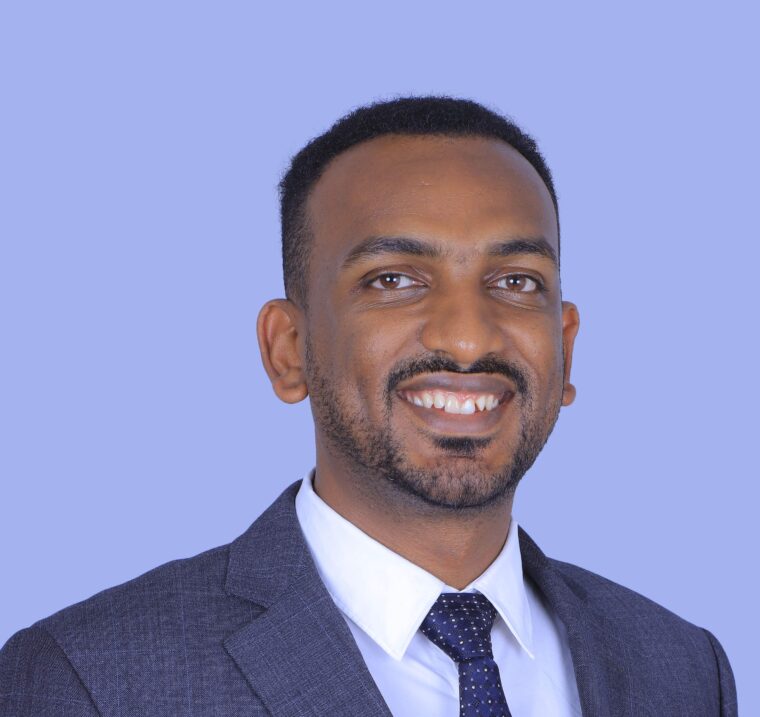
From Clinic to Country: Building Ethiopia’s First Integrated Model for Older Adult Health
What began with one doctor questioning fragmented care for older adults has grown into a pioneering model for Ethiopia. With leadership skills strengthened through the IMIx Certificate, Dr. Asrat built an integrated clinic now informing the country’s healthy aging efforts.

Apply for the Fully-Funded Healthy Futures South Africa (HFSA) PhD Fellowship Programme
This four-year programme supports emerging African health researchers and leaders to conduct community-focused research, strengthen health systems, and translate evidence into meaningful policy impact.
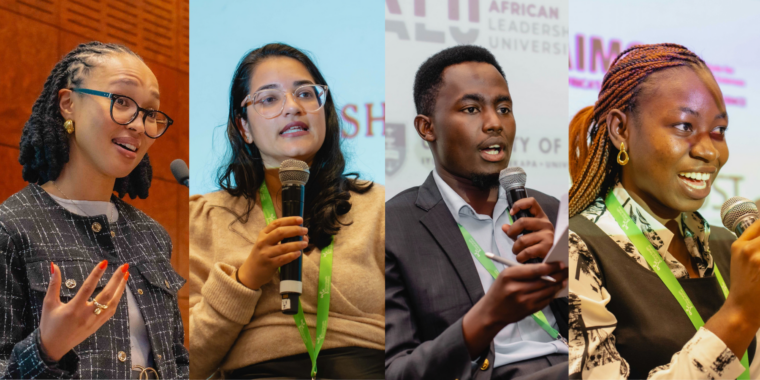
Ubuntu Rising Centres Youth Leadership, Innovation and Employment in Africa’s Health Future
More than 80 young health professionals, innovators and leaders gathered at Ubuntu Rising to advance youth leadership, innovation and employment. Their nine recommendations will inform the Africa Health Collaborative’s Youth Agenda and strengthen pathways for young people across Africa’s health ecosystem.
Advancing Health Equity in Africa: How Universities, Civil Society, and Communities Can Strengthen Primary Health Care
In the next HiAS, we explore how governments, universities, civil society and communities can work together to strengthen PHC and advance UHC in Africa, drawing on practical experiences, community engagement and lessons for building more equitable, resilient and people-centred health systems.

Emerging Leaders’ Day: From Youth Participation to Youth Influence
Emerging Leaders’ Day will bring together young health leaders from across Africa to build leadership skills, strengthen networks, and influence conversations shaping the future of health systems.
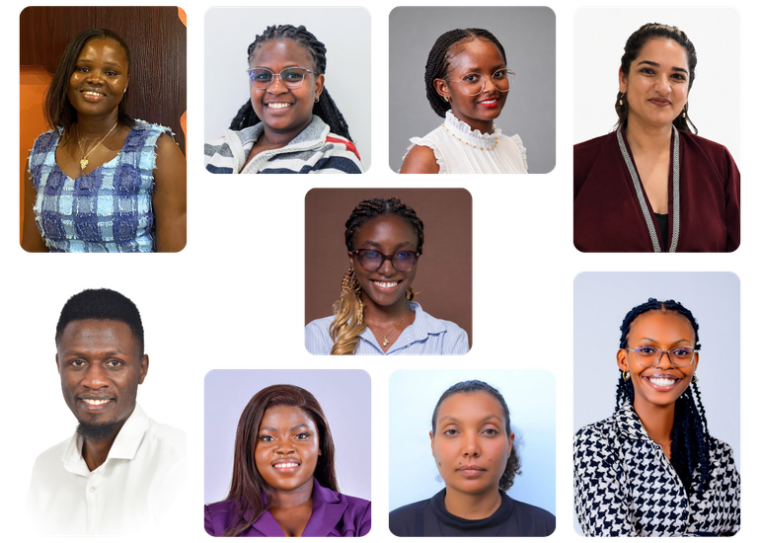
Leading Change Through Lived Experience
Across Africa, an emerging generation of health leaders is transforming personal challenges into powerful innovations. Through the AHC’s Young Leaders Committee, young researchers, entrepreneurs, technologists, and advocates are drawing on lived experiences with illness, caregiving, mental health, and healthcare inequities to design solutions that strengthen health systems and expand access to care.
2027-2028 Doctor of Public Health Scholarships Open
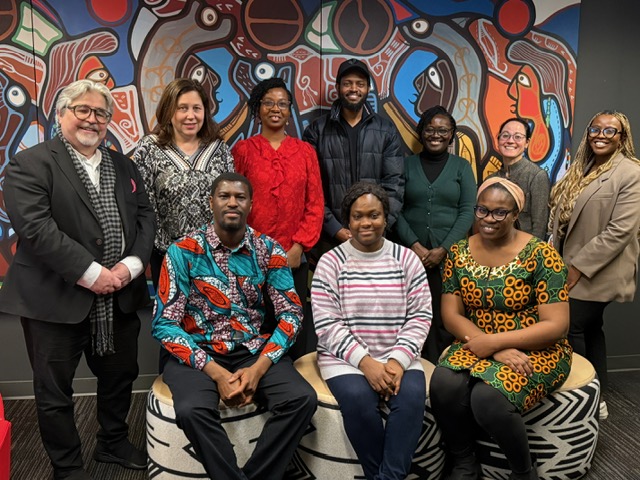
We are pleased to announce the start of the 2027-2028 Mastercard Foundation graduate scholarship recruitment at the University of Toronto. This doctoral scholarship opportunity is open to recent alumni and graduating students at our Africa Health Collaborative partner universities. These graduate scholarships will be awarded to individuals who have demonstrated academic excellence in associated health-related disciplines […]
Health Innovation as a Pathway to Africa’s Health Sovereignty
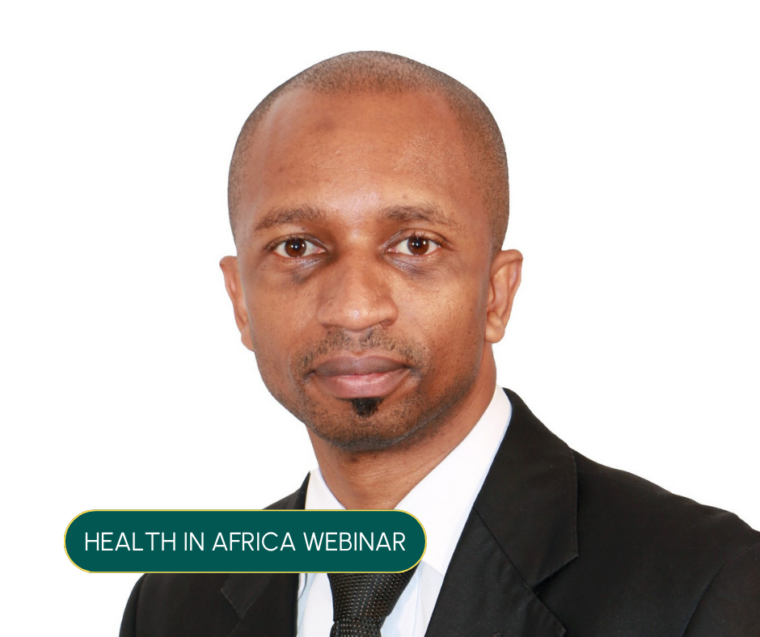
Join the next HiAS as Dr. Robert Karanja explores how talent, research, investment, policy, and partnerships can unlock Africa’s potential in digital health, biotechnology, and deep-tech innovation.