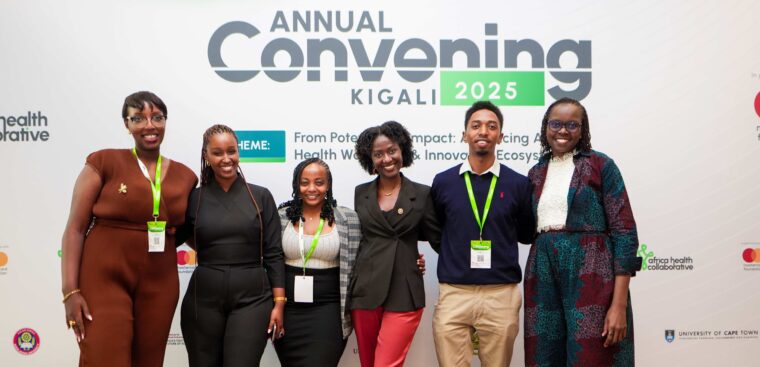

By Jemila Abdulai, MSc. Biomedical Engineering
Before landing in Cape Town, I had already travelled a long road from earning a degree in Biomedical Engineering at Ghana’s Kwame Nkrumah University of Science and Technology (KNUST) to completing my National Service in the Records Department of the Volta River Authority (VRA) Hospital in Accra. Growing up in a community with limited access to healthcare made the challenges of medical inequity deeply personal. That drove me to engineering: a desire to close the gap between need and access.
As a Mastercard Foundation Scholar at the University of Toronto (U of T), I was fortunate to intern at the University of Cape Town’s (UCT) MedTech Lab in May 2024 through the Africa Health Collaborative. What I found wasn’t just a lab—it was a launchpad for human-centered innovation and inclusive design. My primary focus was the Activity of Daily Living (ADL) Arm, a 3D-printed prosthetic designed for trans-radial amputees (amputation of the lower arm) in underserved communities. The project immediately resonated with me. It wasn’t just about building devices; it was about restoring dignity and independence. These prosthetic arms were engineered for real lives, not just clinical settings.
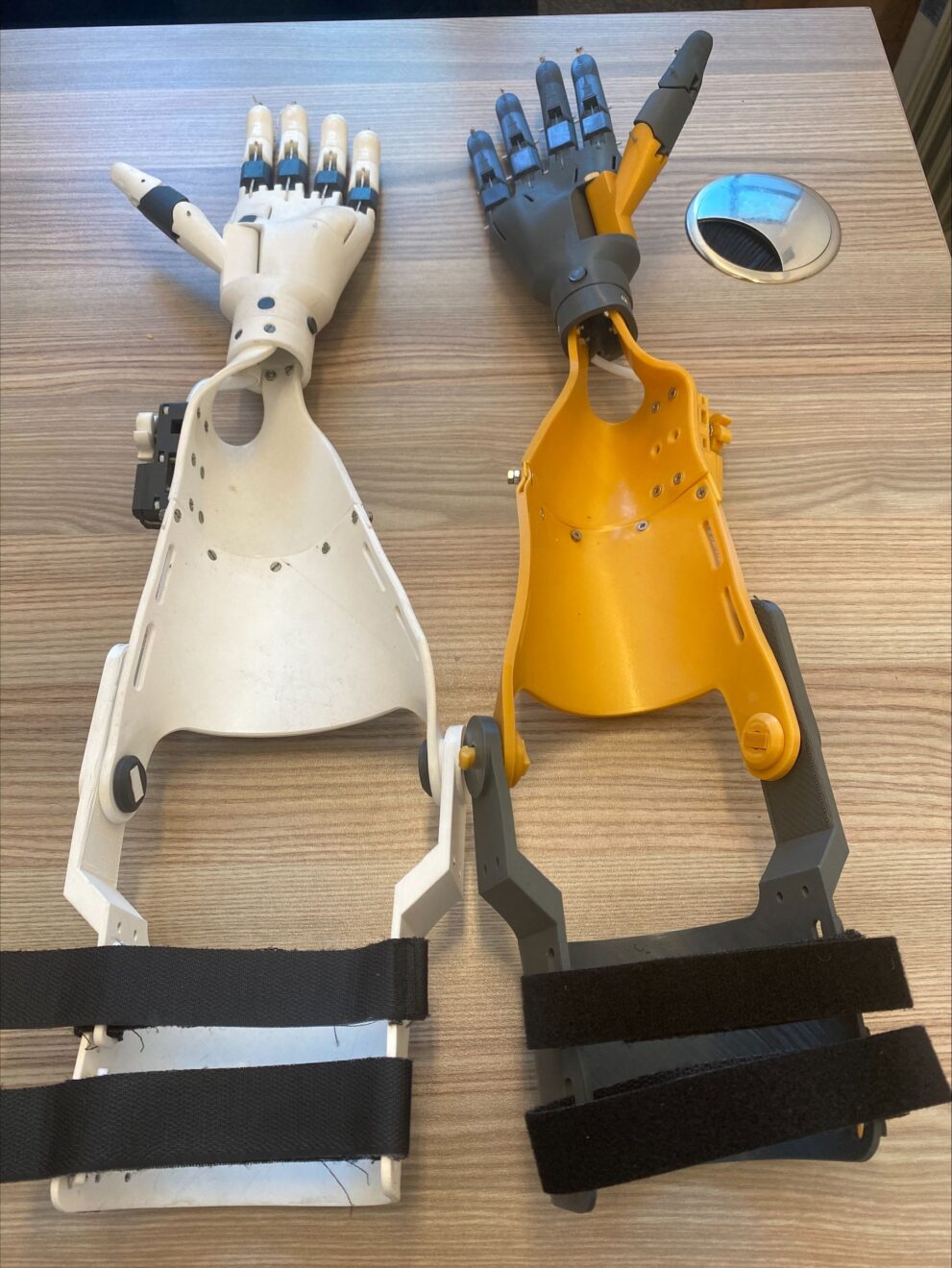
In a world where prosthetic limbs can cost thousands of dollars, the ADL Arm’s mission is simple but powerful: to make high-functioning, affordable prosthetics accessible to those who need them most. Its primary objectives are enhancing usability through intuitive design, ensuring durability for extended use, and promoting the widespread availability of prostheses. Ultimately, the project aspires to empower individuals with below-elbow amputation to regain independence and improve their quality of life, while advancing the field of affordable assistive technologies globally.
My first weeks at UCT were a crash course in cutting-edge tech and purpose-driven design. I trained intensively in 3D printing, learned to troubleshoot mechanical issues, and studied prior iterations of the ADL Arm to identify areas for improvement. Later, I took part in assembling prototypes, writing technical documentation, and exploring the ethical and regulatory dimensions of deploying assistive devices in low-resource settings. These experiences equipped me with the knowledge necessary for the commercialization and clinical application of the ADL Arm.
Each day at the lab sharpened not only my technical skills but also my sense of purpose. I began to understand innovation not just as an invention, but as “empathy in action”—engineering that listens before it builds. Cape Town itself added another layer of depth. From its vibrant streets to the Heart of Cape Town Museum—home of the world’s first heart transplant—the city reminded me that medical breakthroughs have always come from bold ideas and brave people. I left inspired, not just by technology, but by the belief that it should serve the most vulnerable first.
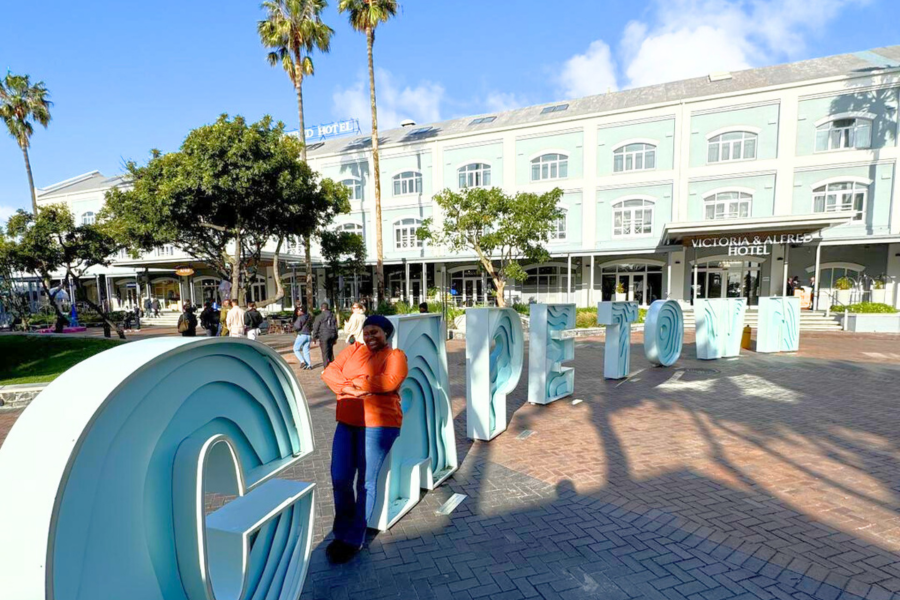

By the end of my internship, I felt more prepared—not just as an engineer, but as a future leader. I’d seen how collaboration, integrity, and inclusive design could shape solutions that truly change lives.
I’m deeply grateful to the UCT MedTech team—Prof. Sudesh Sivarasu, Head of UCT MedTech and the Division of Biomedical Engineering, and Mr. Michael Awood, Chief Technology Officer for Disability and Assistive Technologies—as well as the University of Toronto team—Paul Yoo, Associate Director, Professional Programs, and Teresa Adderley, Professional Programs Manager and Internship Coordinator at the Institute of Biomedical Engineering. My sincere appreciation also goes to the Africa Health Collaborative, especially Dr. Angel Motsamai of the Secretariat, for making this invaluable experience possible.
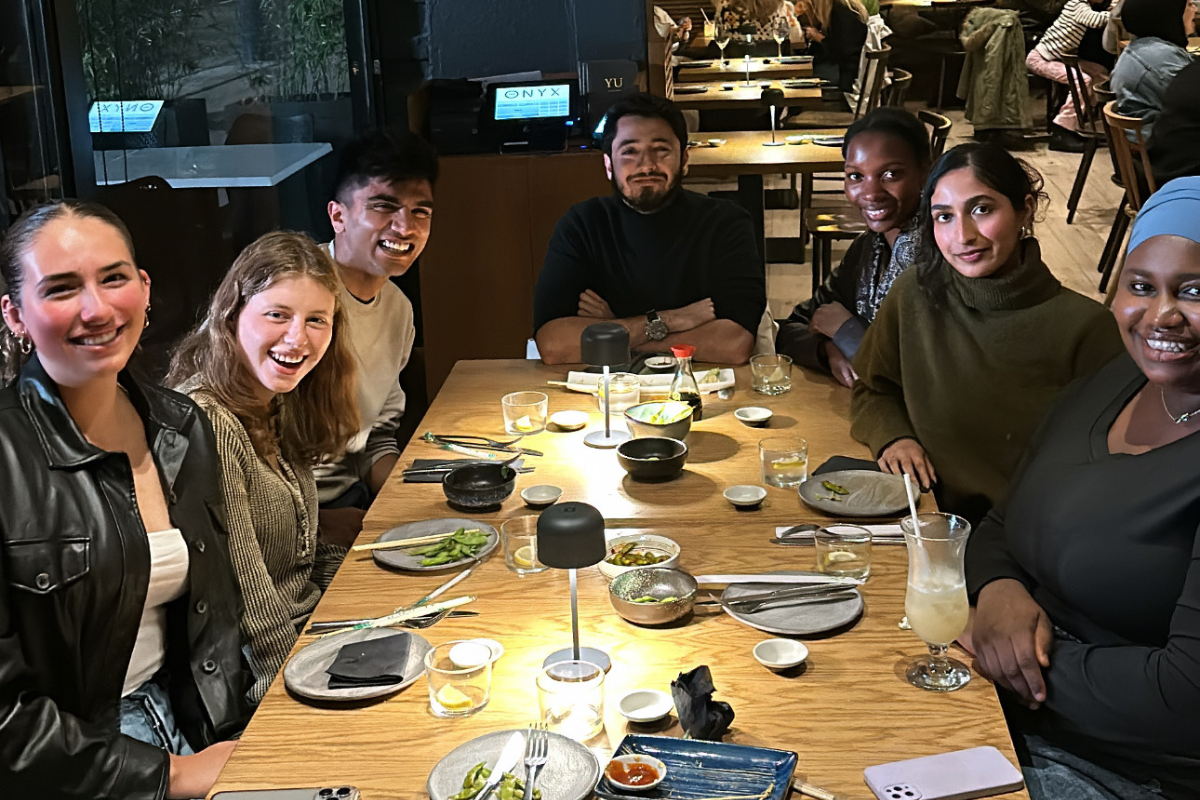
I came to Cape Town to learn, and I left more determined than ever to help humanize healthcare—one innovation at a time.
The Mastercard Foundation Scholarship program at the University of Toronto is implemented by the Center for International Experience, under the Africa Health Collaborative.
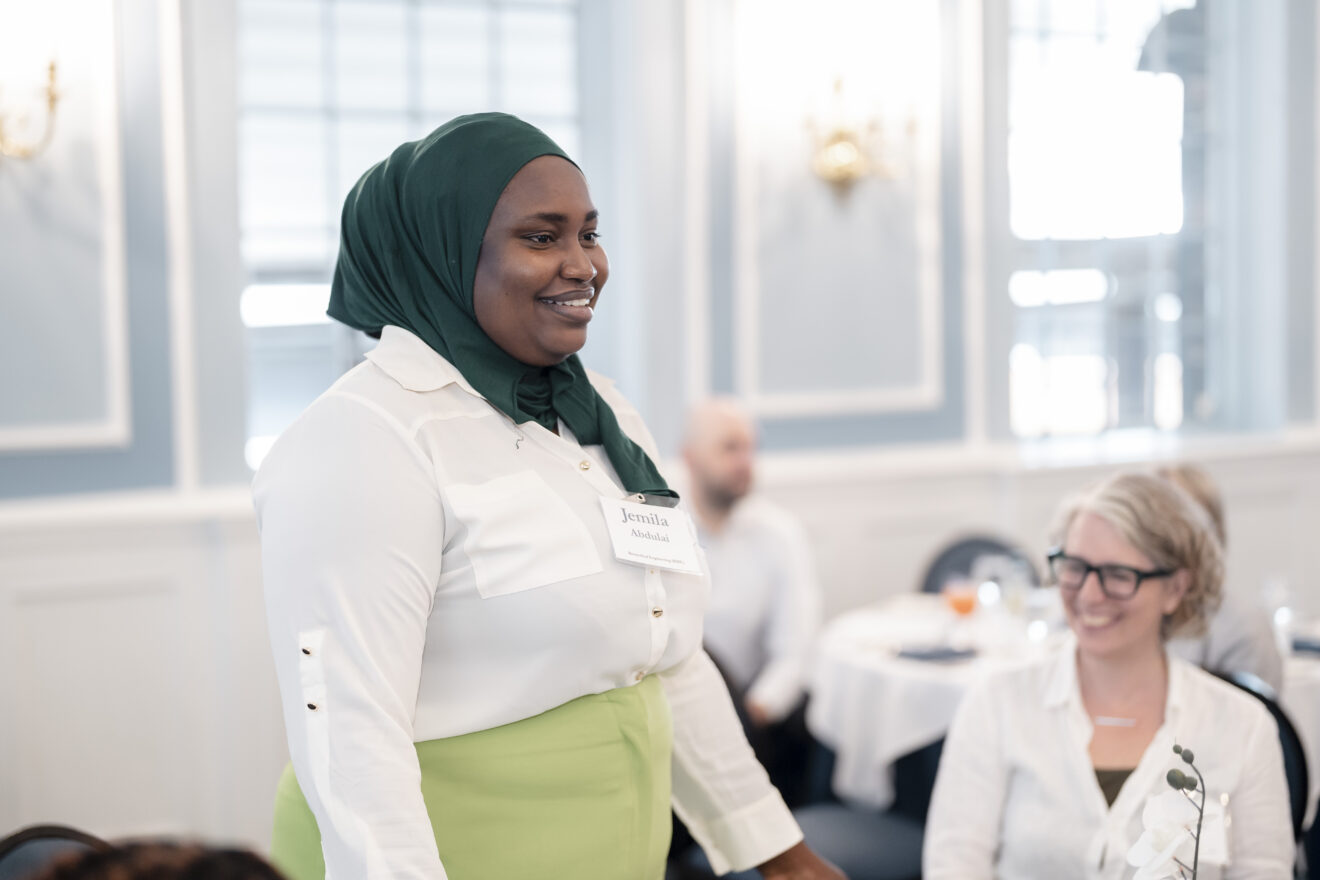
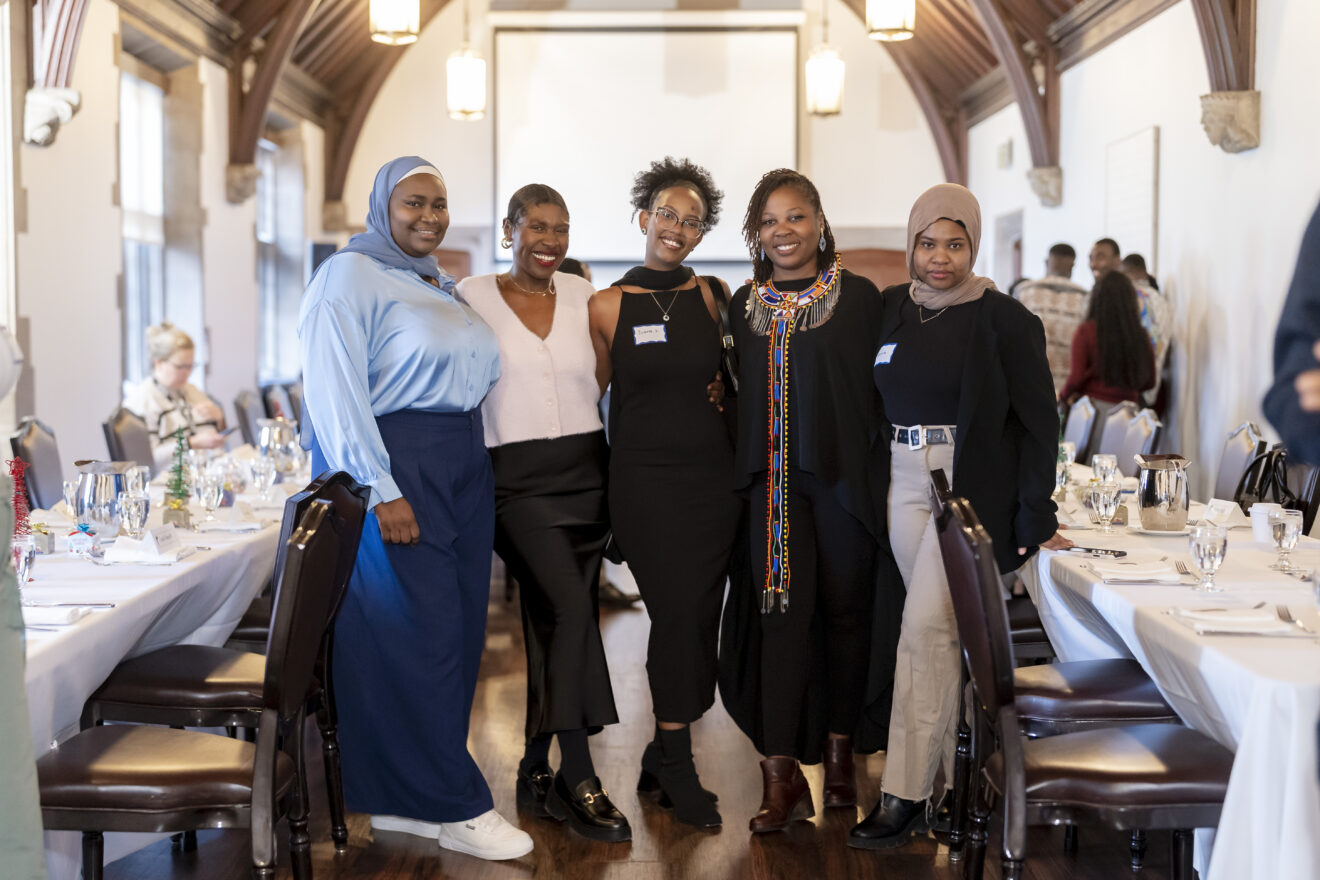
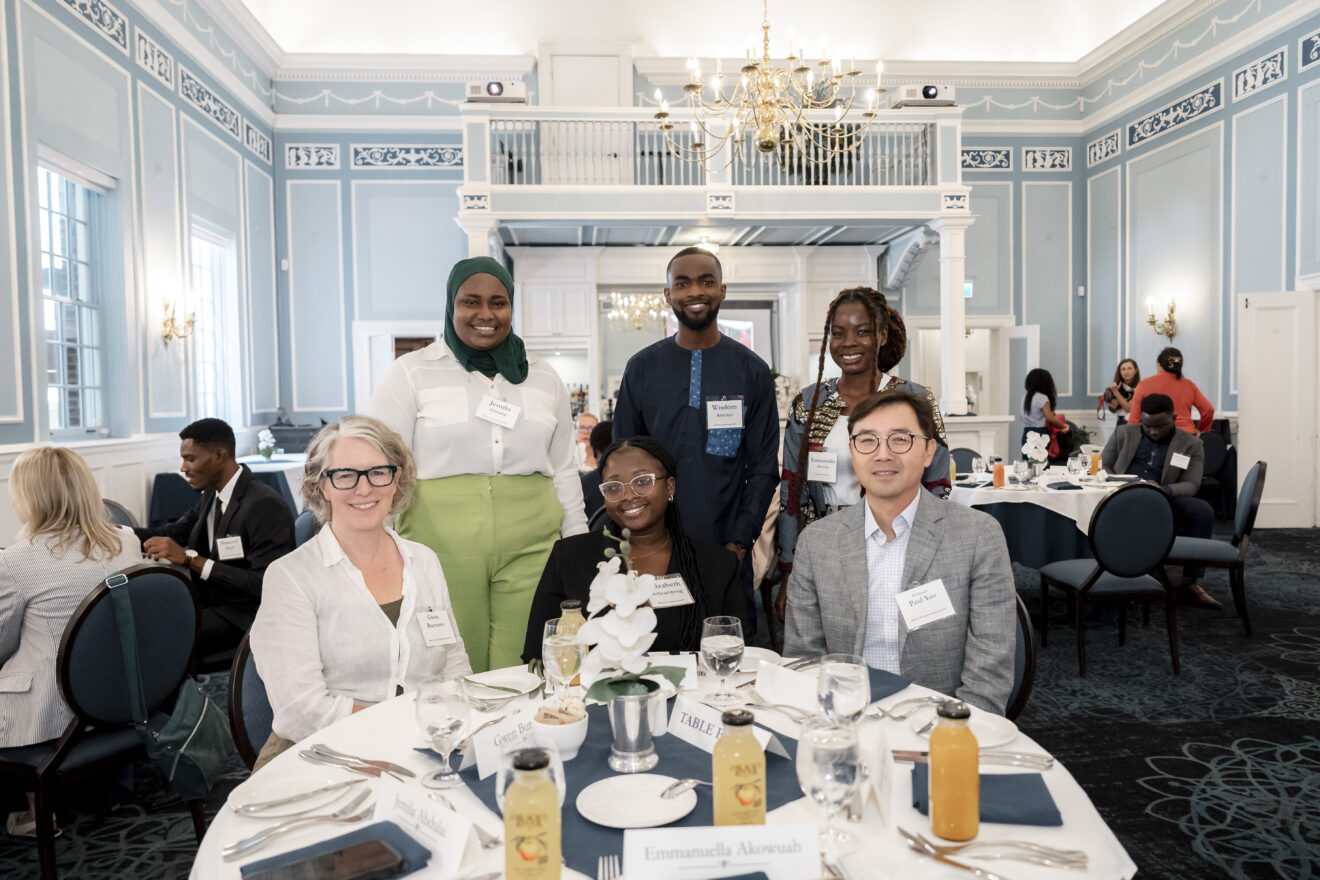
Listen to Jemila share her work on developing the ADL Arm on the Science to Society Podcast:
More News & Events
Skip scroller content
#IWD2026: Give to Gain—The Ripple Effect of Investing in Women Leaders in Global Health
Read about how fellows from the Women in Global Health Leadership Fellowship are leading and strengthening health systems across Africa.
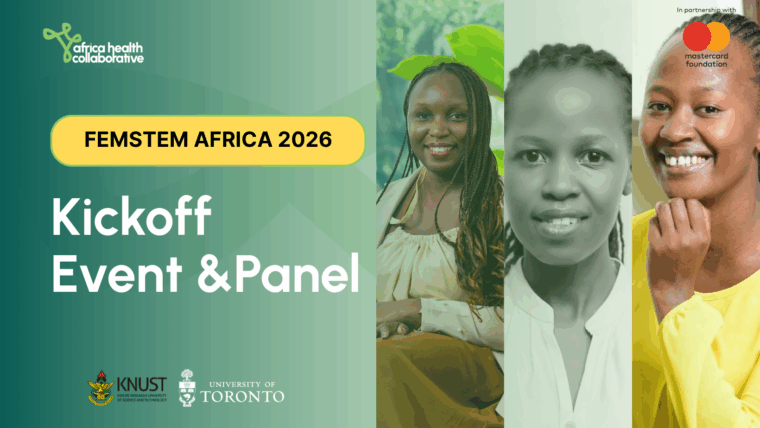
FemSTEM Africa 2026: Kickoff Event & Panel
Join Kwame Nkrumah University of Science and Technology (KNUST) & U of T on Tuesday, March 31 as we kickoff the FemSTEM Africa 2026 event series!

Program Manager, Africa Health Collaborative
Apply for the Program Manager role at the Africa Health Collaborative. Closing date is March 20, 2026.
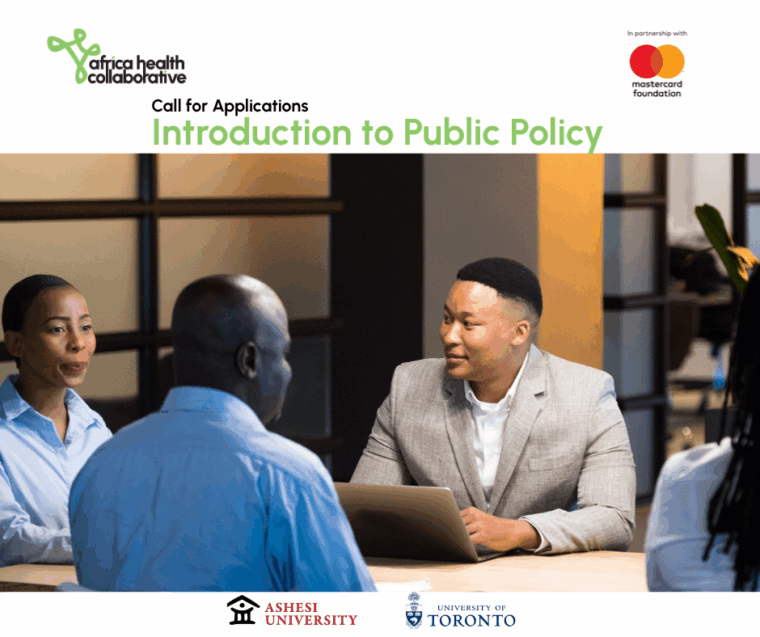
Apply for the Introduction to Public Policy Summer Course by Ashesi University
This opportunity is open to alumni and graduating students from our Africa Health Collaborative partner universities.
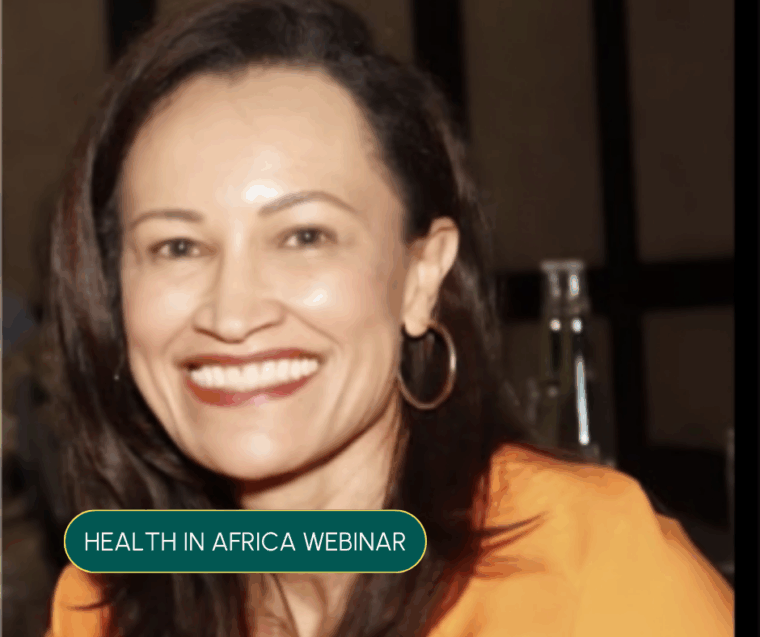
Towards Integrated, Person-Centered Primary Health Care in South Africa
Join policy makers, health implementers, NGOs, civil society actors, and academic leaders to learn from one of South Africa’s foremost health system leaders about building stronger and more responsive primary health care systems.

From Clinics to Communities: Rethinking Maternal and Newborn Health in Africa
Dr. Henry Kilonzo explores evidence-based lessons from Kenya and Ethiopia about redesigning health systems for safe motherhood.
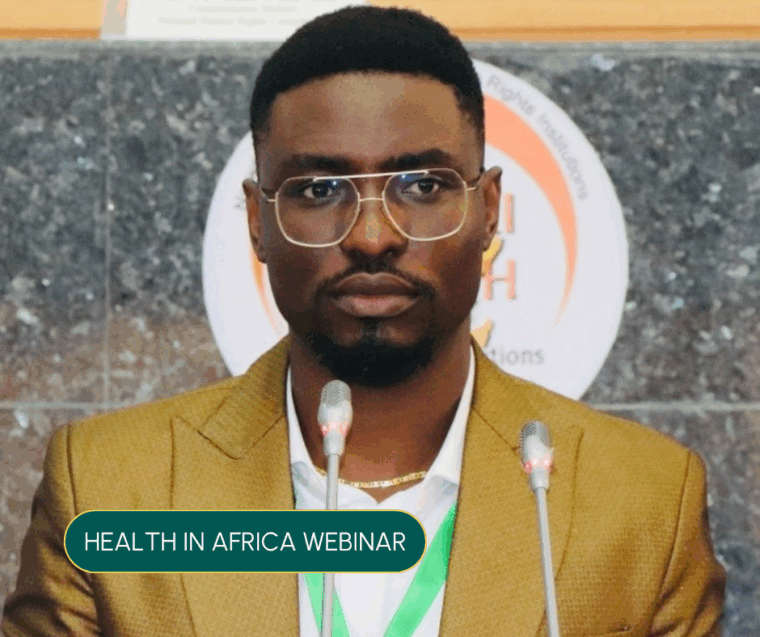
Building Inclusive Health Systems for People in Contact with the Criminal Justice System in Africa
Join this webinar to explore how Africa can build inclusive health systems that protect the dignity, safety, and well‑being of people who come into contact with the criminal justice system.
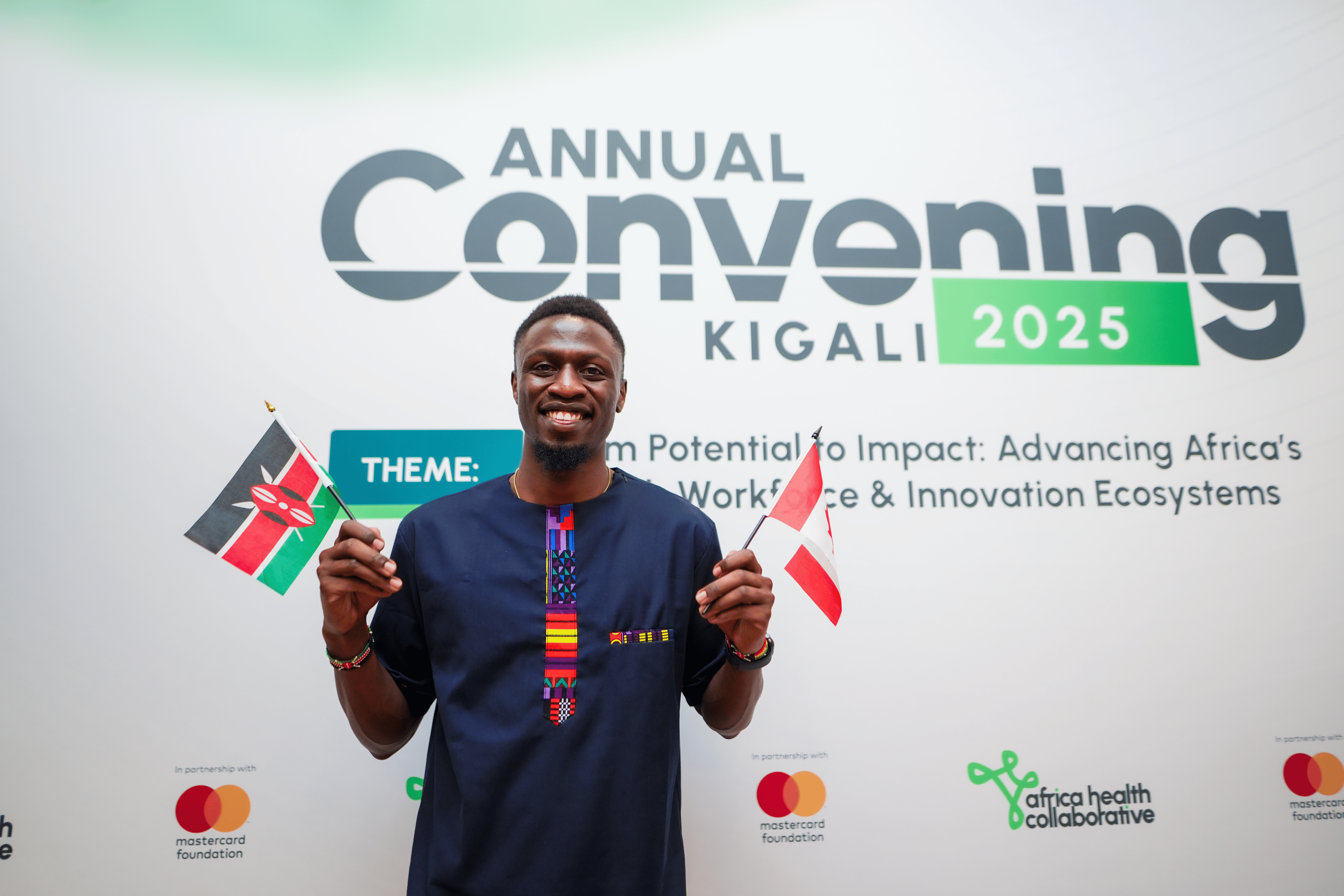
Dignity, Data, and Disruption in Africa’s Health Systems: A Young Leader’s Reflection
John Nyagaka, a Mastercard Foundation Scholar and AHC Young Leaders Table Chair, reflects on his transformative experience at the 2025 Annual Convening.
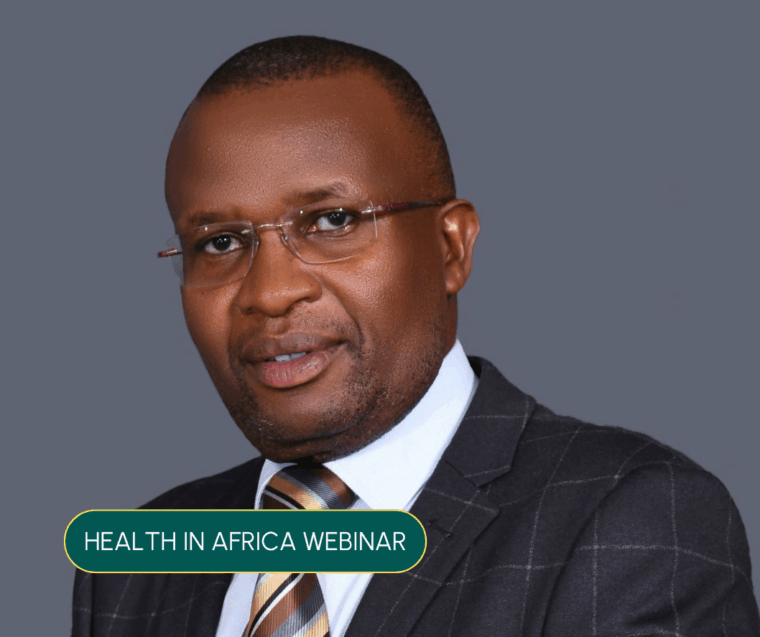
What Works: Improving Maternal and Newborn Health in Kenya and Ethiopia
Join this webinar to explore how community-led systems and digital innovations, in partnership with local leaders, are scaling sustainable healthcare impact and delivering life-saving care for mothers and their newborns.
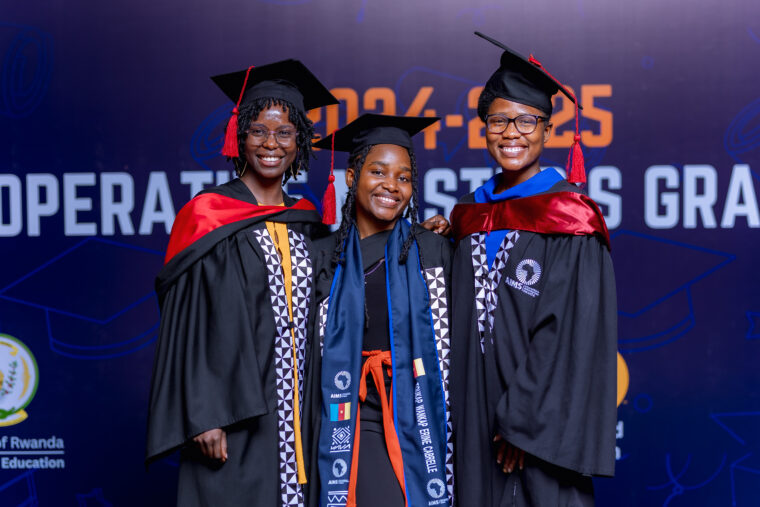
Apply for the AIMS Master’s in Mathematical Epidemiology (MathEpi) Scholarship
Apply for the 2025 AIMS MathEpi Master’s program. Fully funded scholarships for African students in statistics and public health. Deadline: March 15.