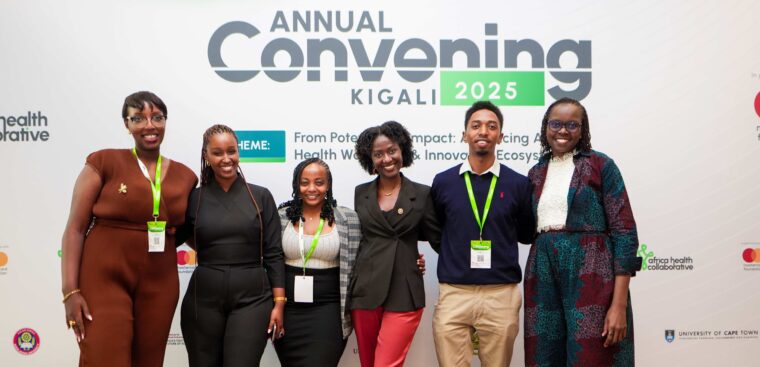

Founder: Faith Chuby Labija
The Africa Health Collaborative, in partnership with the Mastercard Foundation, will be welcoming the Health Entrepreneurship (HENT) African Impact Challenge’s second cohort for their upcoming visit to Toronto, where they will continue their implementation phase through activities targeting business development, expanding entrepreneurial networks, and facilitating exposure to potential investors.
The University of Toronto’s Health Collaborative Internal Communications Working Group caught up with the ventures to learn more about the origins of their companies, what they’ve learned to date, and what is coming up next…
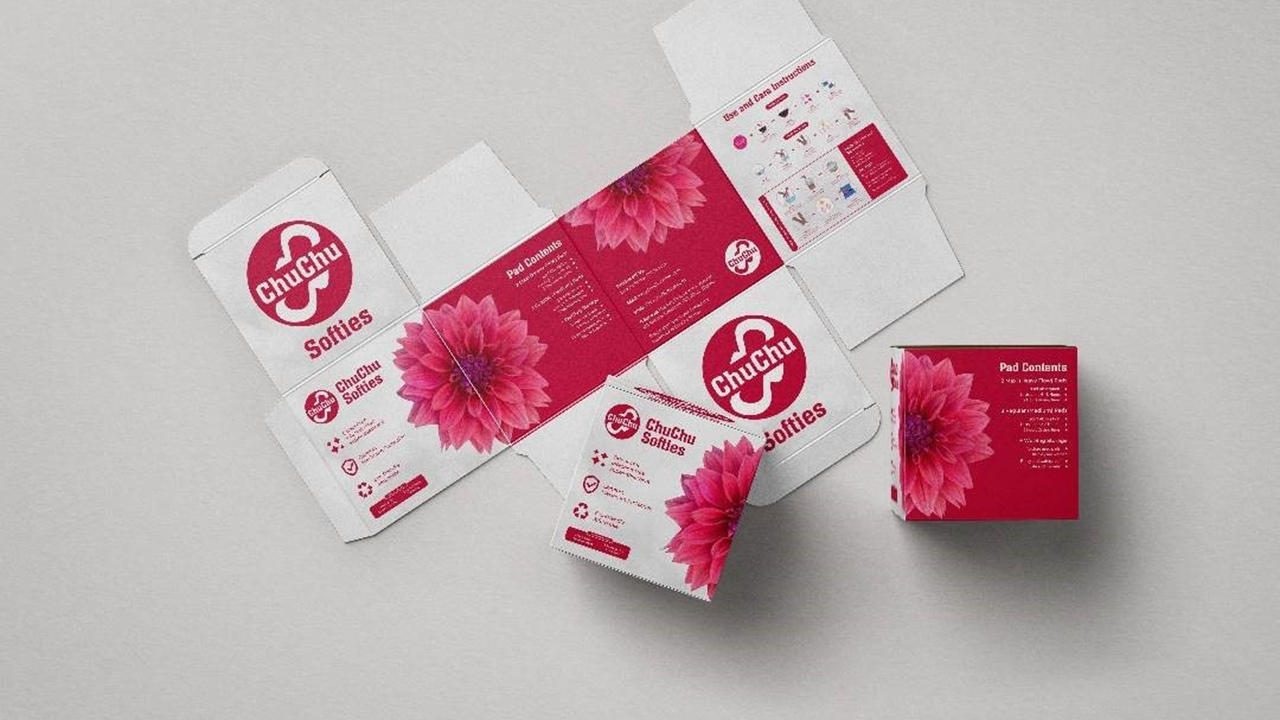
ChuChu Softies
While working as a tutor for high school students, Faith Chuby Labija witnessed first-hand the barriers that girls were facing to stay in school. She saw how girls faced disruptions to their activities and often missed out on opportunities that their male counterparts more easily accessed. By and large, the most concerning trend she noted was the health challenges that these girls were suffering from due to period poverty and having limited access to hygienic alternatives..
To combat these challenges, Labija founded ChuChu Softies, which seeks to curb the problem of period poverty by creating eco-friendly and reusable sanitary pads that are affordable and accessible to girls and women. Focused on creating a solution for all, Labija teams up with social impact partners to ensure that pads can be given freely to those who cannot afford them otherwise. ChuChu Softies also acts as a supplier to many social impact organizations to further improve accessibility and reach.
What is the accomplishment to date that your team is most proud of?
In 2022, ChuChu Softies was ranked as one of Ghana’s top 15 promising climate change startups by 3E’s 4 Africa. In the same year, ChuChu Softies was also one of the 15 winners of the African Impact Health Challenge. ChuChu Softies also won first place and a $5000 dollar prize at the Global Business School Network Competition and won the Blacks in Technology Trinidad and Tobago Awards in the Innovathon Pitch at the University of Toronto this August. Labija was nominated for the SME Nigeria under 25 awards among millions of entrepreneurs. This past summer, the company was featured by four institutions, showcasing their impressive growth.
If you could give advice to another founder getting started, what would that be?
“Avoid the pitfall of waiting for the right time to start because it is just an illusion.”
Looking forward, ChuChu Softies has identified the three regions where they will commence operations upon their pending product certification, which will be completed this summer. The venture will launch operations in the Nigerian states of Benue, Kogi and Nasarawa, before expanding outside of the country. Furthermore, the venture is looking to seek and develop partnerships with stakeholders who share their same vision for addressing period poverty to advance gender equity and improve health outcomes.

You can learn more about ChuChu Softies
More News & Events
Skip scroller content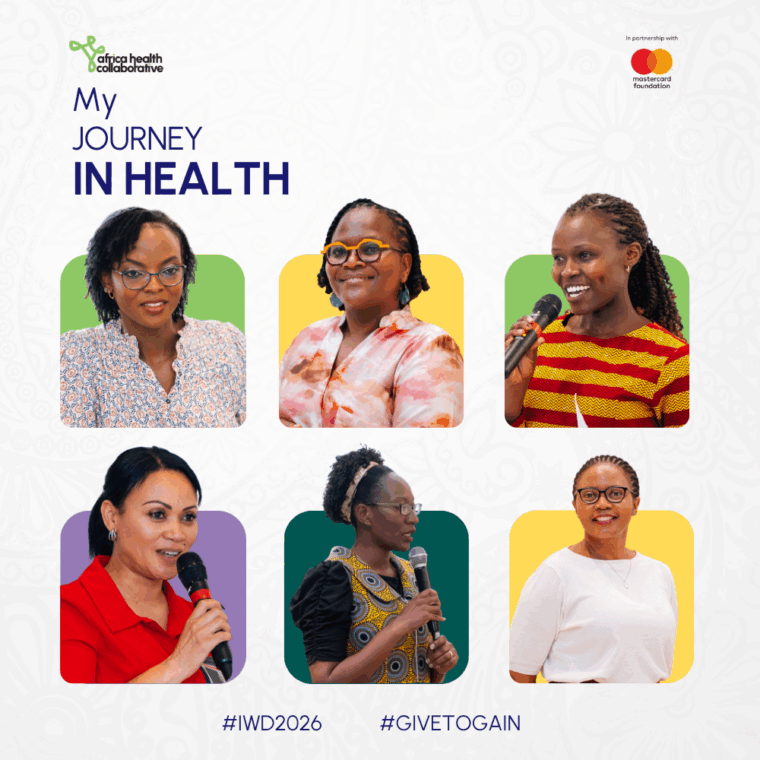
#IWD2026: Give to Gain—The Ripple Effect of Investing in Women Leaders in Global Health
Read about how fellows from the Women in Global Health Leadership Fellowship are leading and strengthening health systems across Africa.
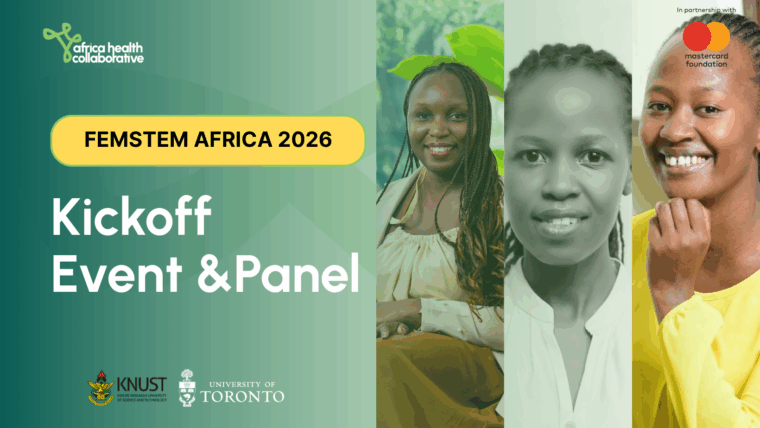
FemSTEM Africa 2026: Kickoff Event & Panel
Join Kwame Nkrumah University of Science and Technology (KNUST) & U of T on Tuesday, March 31 as we kickoff the FemSTEM Africa 2026 event series!

Program Manager, Africa Health Collaborative
Apply for the Program Manager role at the Africa Health Collaborative. Closing date is March 20, 2026.
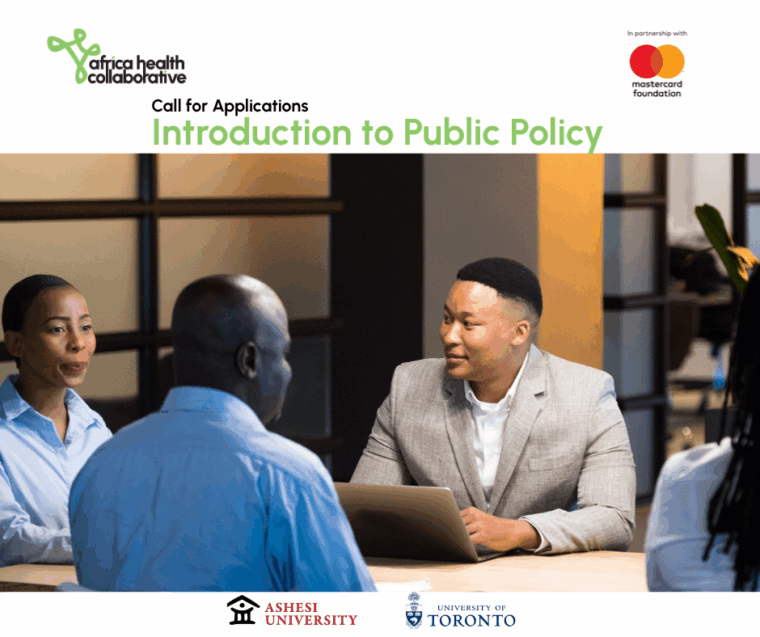
Apply for the Introduction to Public Policy Summer Course by Ashesi University
This opportunity is open to alumni and graduating students from our Africa Health Collaborative partner universities.
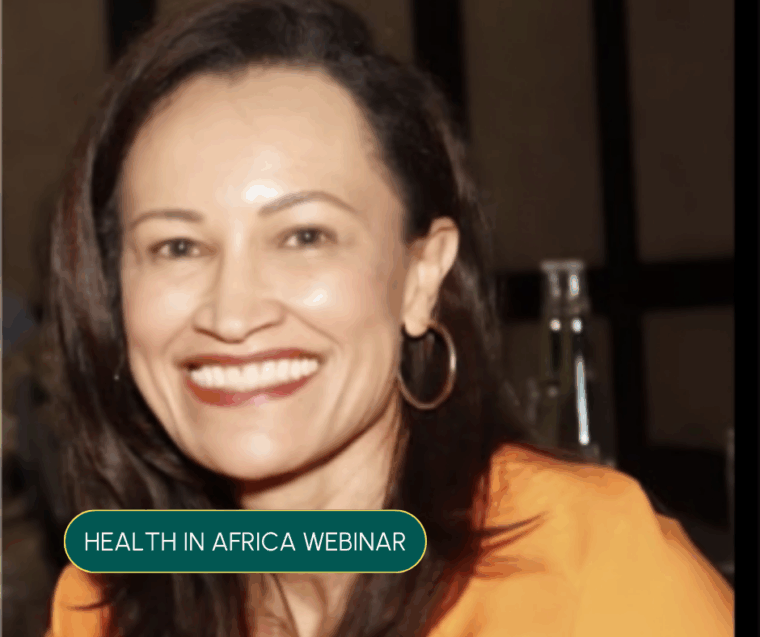
Towards Integrated, Person-Centered Primary Health Care in South Africa
Join policy makers, health implementers, NGOs, civil society actors, and academic leaders to learn from one of South Africa’s foremost health system leaders about building stronger and more responsive primary health care systems.

From Clinics to Communities: Rethinking Maternal and Newborn Health in Africa
Dr. Henry Kilonzo explores evidence-based lessons from Kenya and Ethiopia about redesigning health systems for safe motherhood.
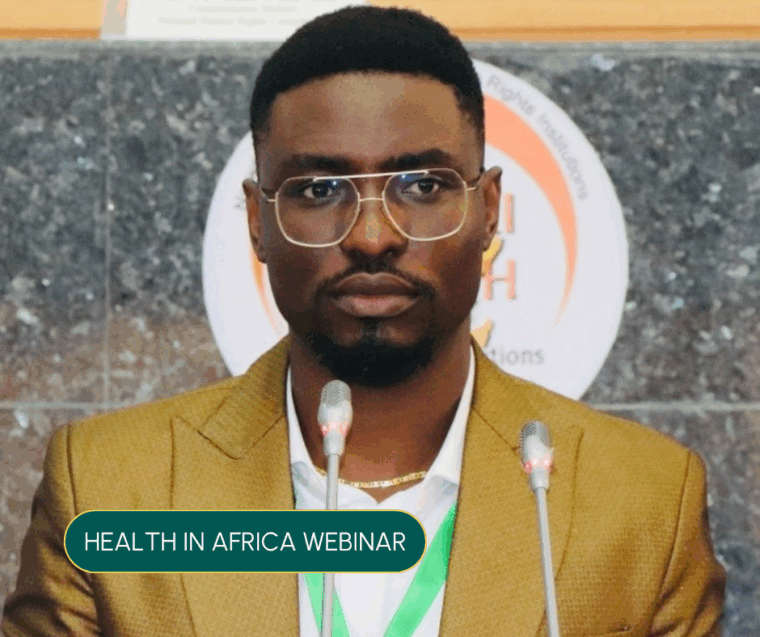
Building Inclusive Health Systems for People in Contact with the Criminal Justice System in Africa
Join this webinar to explore how Africa can build inclusive health systems that protect the dignity, safety, and well‑being of people who come into contact with the criminal justice system.
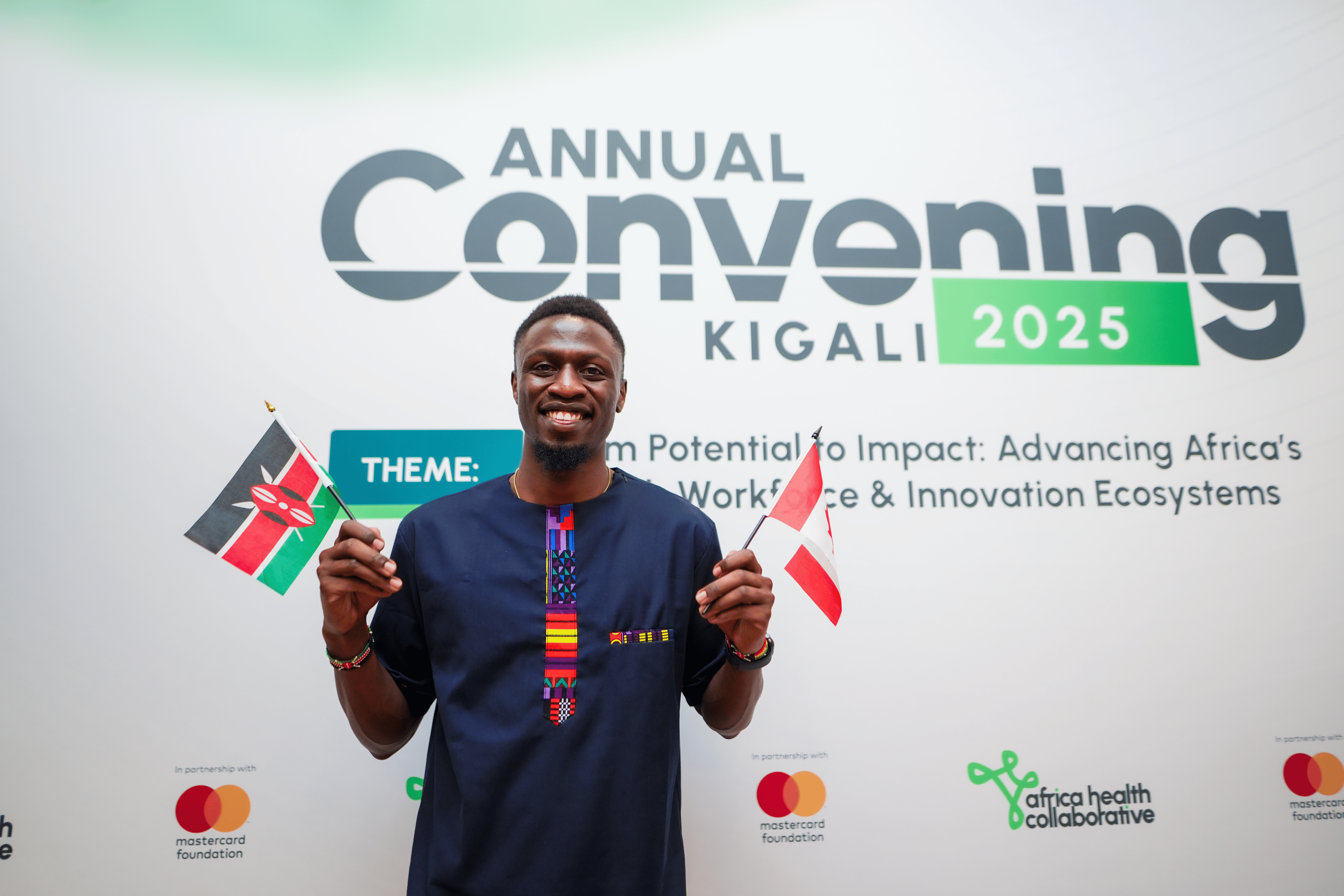
Dignity, Data, and Disruption in Africa’s Health Systems: A Young Leader’s Reflection
John Nyagaka, a Mastercard Foundation Scholar and AHC Young Leaders Table Chair, reflects on his transformative experience at the 2025 Annual Convening.
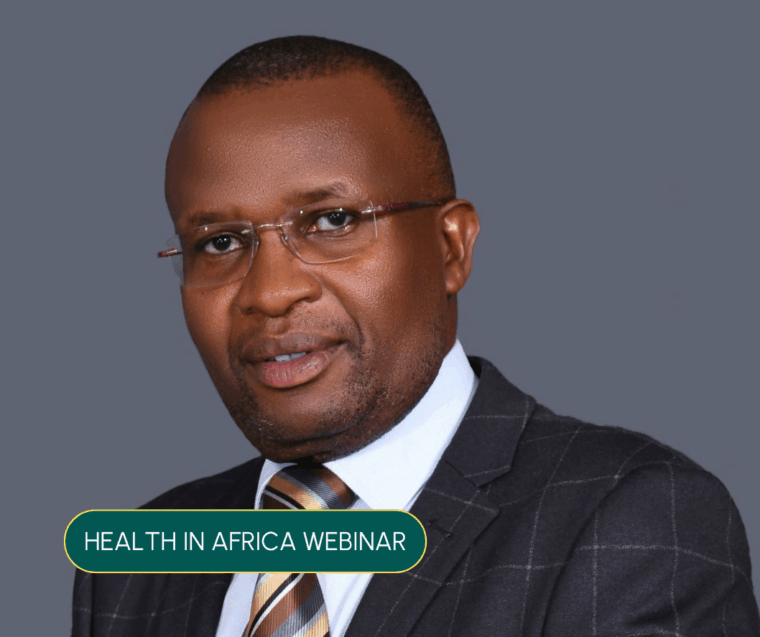
What Works: Improving Maternal and Newborn Health in Kenya and Ethiopia
Join this webinar to explore how community-led systems and digital innovations, in partnership with local leaders, are scaling sustainable healthcare impact and delivering life-saving care for mothers and their newborns.

Apply for the AIMS Master’s in Mathematical Epidemiology (MathEpi) Scholarship
Apply for the 2025 AIMS MathEpi Master’s program. Fully funded scholarships for African students in statistics and public health. Deadline: March 15.