Health systems should protect dignity, prevent harm, and make sure no one is left behind—including people who pass through the criminal justice system. But across several African countries, these individuals are still cut off from the health services everyone else can access. These gaps not only undermine dignity and rights, but also create high-risk environments where inadequate healthcare can become an early warning sign for torture, ill-treatment, and broader systemic failure
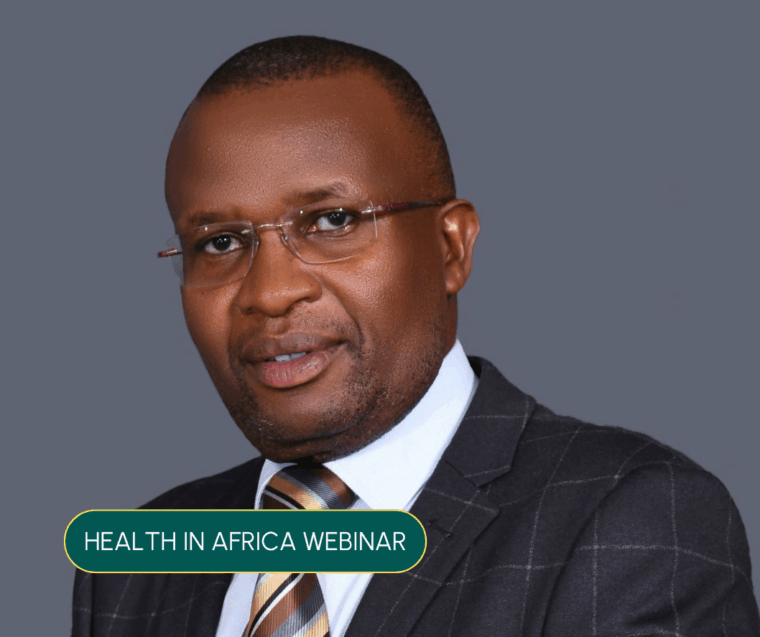
In this session, Foluso Oluwadare Adegalu from the Network of African National Human Rights Institutions (NANHRI) will share how countries can build more inclusive health systems that meet legal standards, support safety, and strengthen the well-being of people who encounter the criminal justice system. Drawing from real practice across the continent, he will show how simple improvements in coordination, continuity of care, and use of health data can become powerful tools for prevention and protection.
What you’ll learn
- How inclusive health services in criminal-justice settings protect dignity, safety, and human rights.
- Practical approaches to integrating criminal-justice related health needs into primary healthcare systems.
- How continuity of care, effective documentation, and stronger use of health data can prevent small service gaps from escalating into serious harm
This episode of the Health in Africa Series is relevant for anyone working in health, justice, human rights, governance or public policy—and for anyone committed to building systems that are safe, accountable and inclusive.
The Speaker
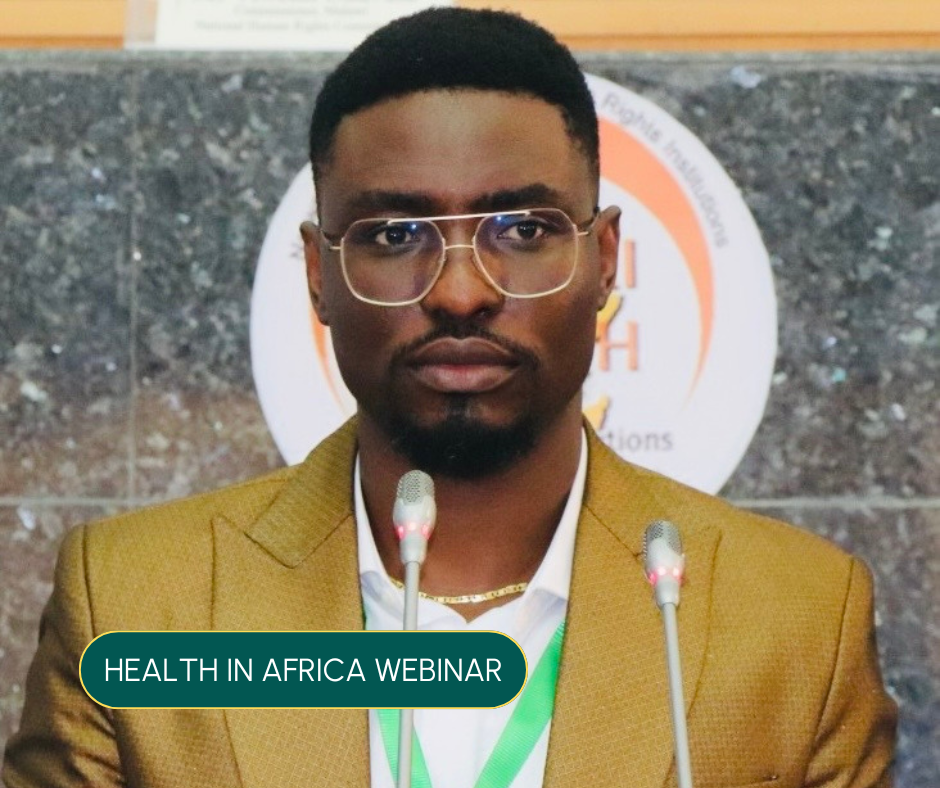
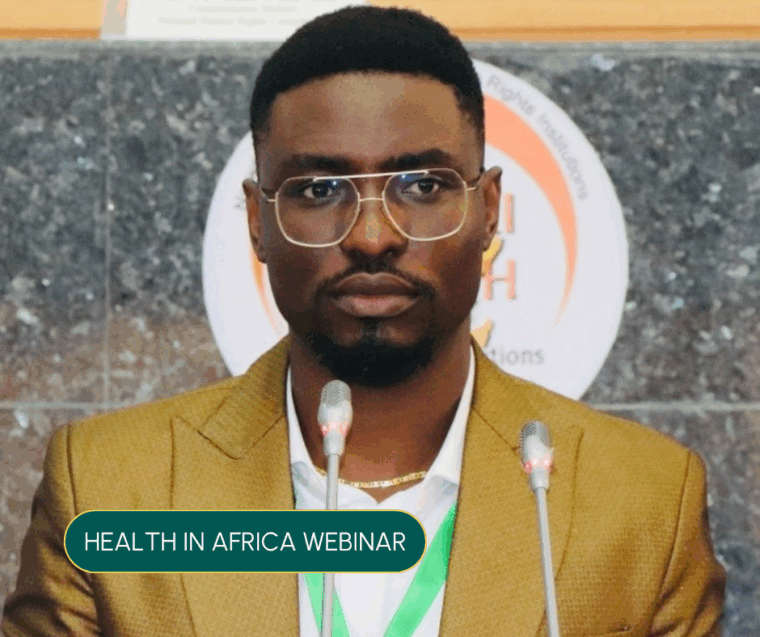
Programme Officer, Network of African National Human Rights Institutions (NANHRI)
Foluso Oluwadare Adegalu is a Programme Officer at the Network of African National Human Rights Institutions (NANHRI), where he supports African National Human Rights Institutions in strengthening governance, accountability, and implementation of regional and international standards. His work focuses on translating legal and normative frameworks into practical policy tools, institutional reforms, and cross-sector coordination strategies. He works closely with policymakers, oversight bodies, and civil society actors to advance rights-based approaches to development, institutional effectiveness, and inclusive public systems across African contexts.
More News & Events
Skip scroller content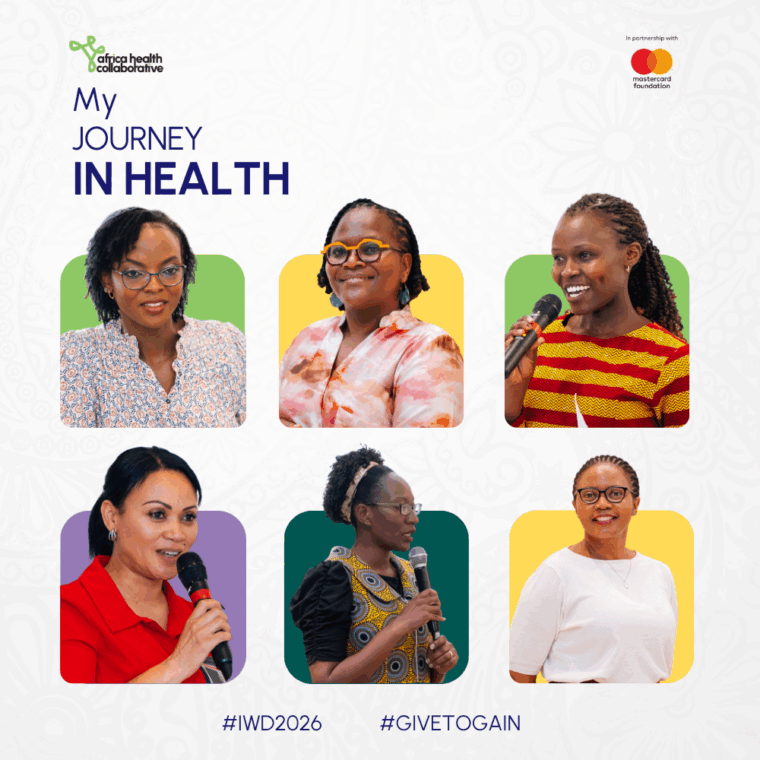
#IWD2026: Give to Gain—The Ripple Effect of Investing in Women Leaders in Global Health
Read about how fellows from the Women in Global Health Leadership Fellowship are leading and strengthening health systems across Africa.
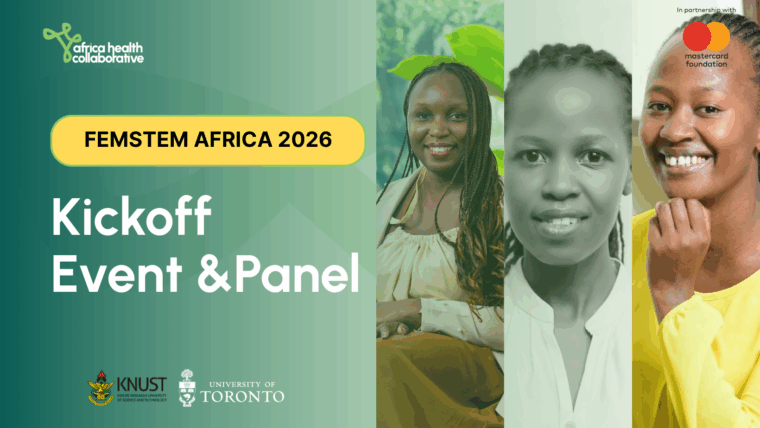
FemSTEM Africa 2026: Kickoff Event & Panel
Join Kwame Nkrumah University of Science and Technology (KNUST) & U of T on Tuesday, March 31 as we kickoff the FemSTEM Africa 2026 event series!

Program Manager, Africa Health Collaborative
Apply for the Program Manager role at the Africa Health Collaborative. Closing date is March 20, 2026.
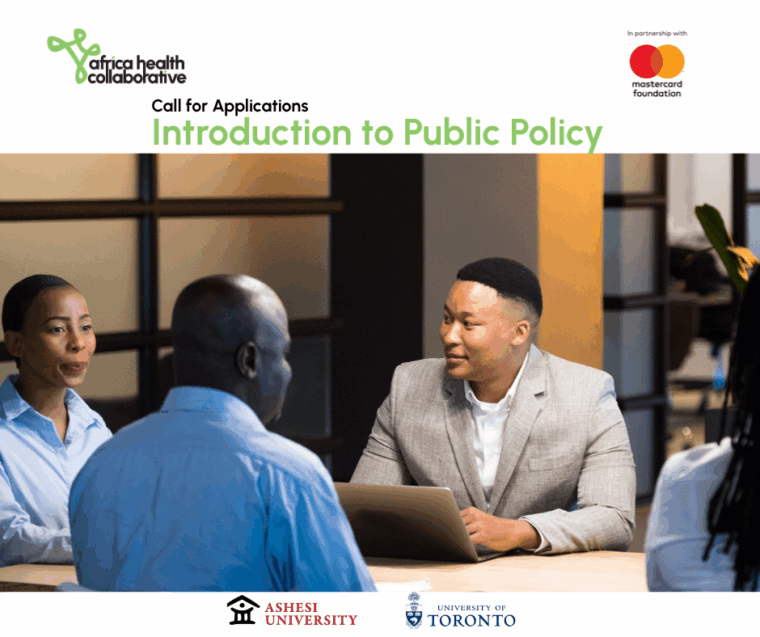
Apply for the Introduction to Public Policy Summer Course by Ashesi University
This opportunity is open to alumni and graduating students from our Africa Health Collaborative partner universities.
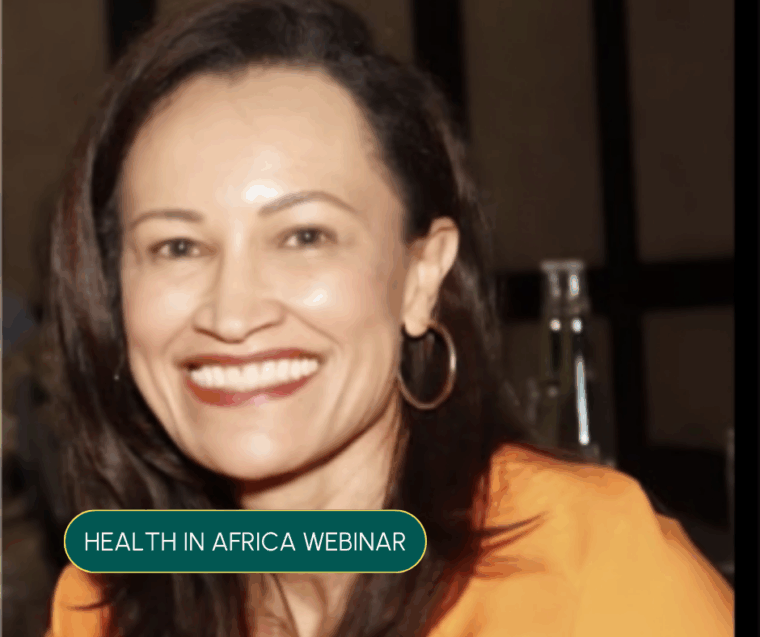
Towards Integrated, Person-Centered Primary Health Care in South Africa
Join policy makers, health implementers, NGOs, civil society actors, and academic leaders to learn from one of South Africa’s foremost health system leaders about building stronger and more responsive primary health care systems.

From Clinics to Communities: Rethinking Maternal and Newborn Health in Africa
Dr. Henry Kilonzo explores evidence-based lessons from Kenya and Ethiopia about redesigning health systems for safe motherhood.
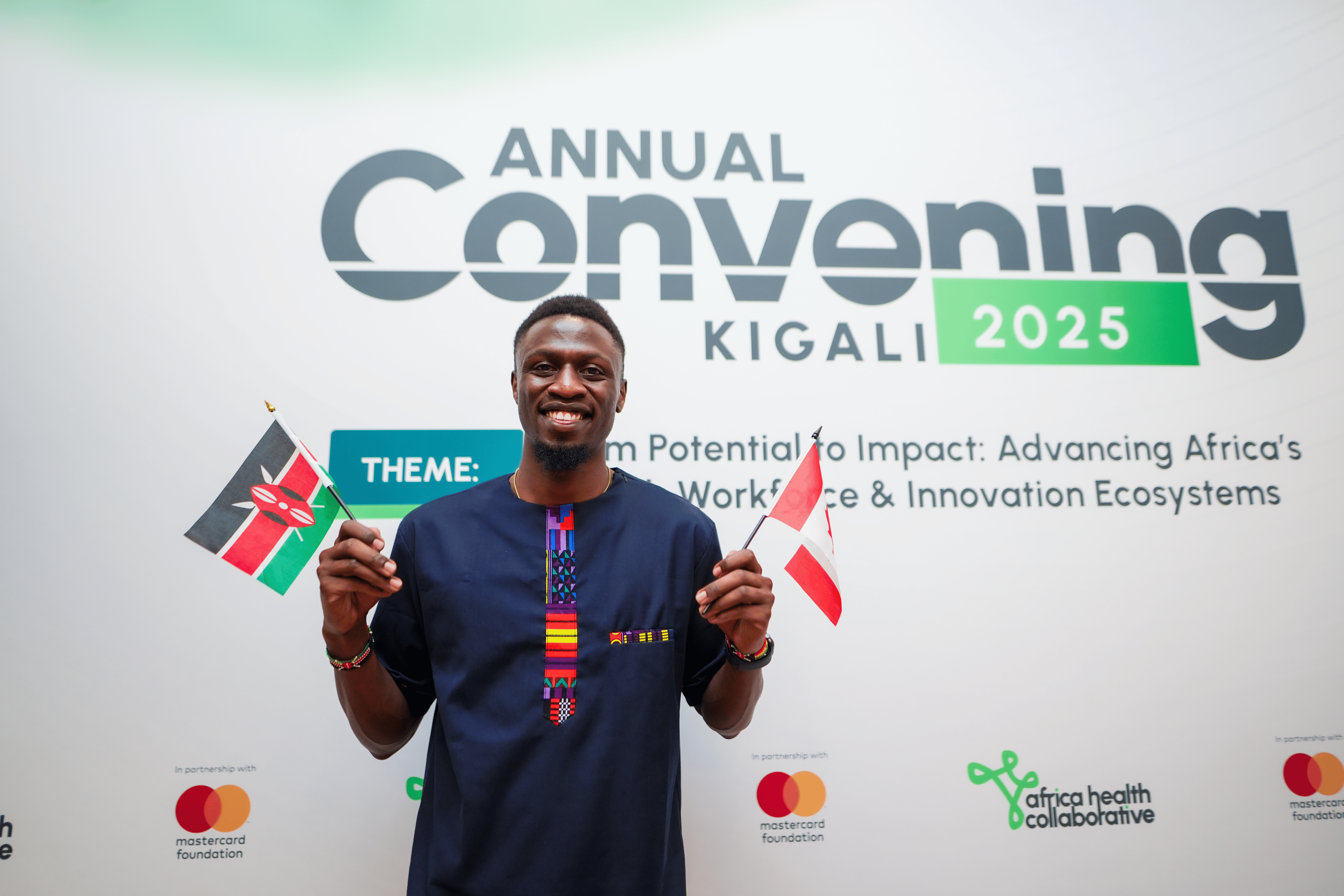
Dignity, Data, and Disruption in Africa’s Health Systems: A Young Leader’s Reflection
John Nyagaka, a Mastercard Foundation Scholar and AHC Young Leaders Table Chair, reflects on his transformative experience at the 2025 Annual Convening.
What Works: Improving Maternal and Newborn Health in Kenya and Ethiopia
Join this webinar to explore how community-led systems and digital innovations, in partnership with local leaders, are scaling sustainable healthcare impact and delivering life-saving care for mothers and their newborns.

Apply for the AIMS Master’s in Mathematical Epidemiology (MathEpi) Scholarship
Apply for the 2025 AIMS MathEpi Master’s program. Fully funded scholarships for African students in statistics and public health. Deadline: March 15.

Apply for KNUST’s CPD-Eligible Short Courses in Health Systems and Services Management
Applicants must meet the following requirements to qualify for the scholarship: Short Courses and Timelines 23rd – 27th February 2026: Emergency Preparedness and Response to Epidemic/Pandemic-Prone Diseases 10th – 14th February 2026: Community Emergency Care 24th – 27th February 2026: Palliative Care Module 1 23rd – 27th March 2026: Introduction to Healthcare Quality Improvement (IQI) […]