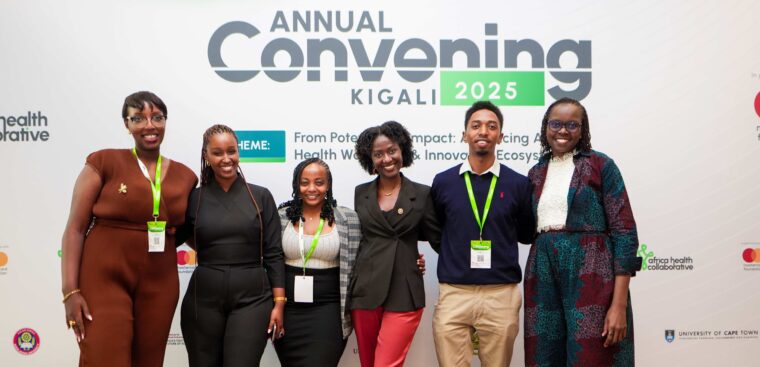
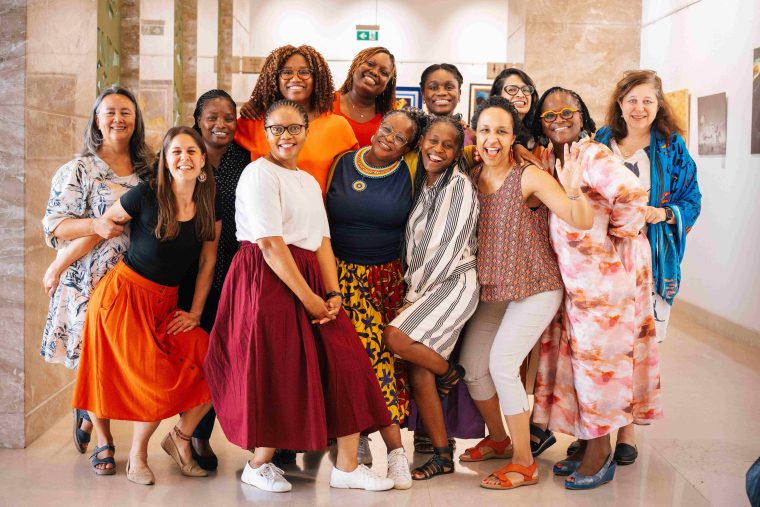
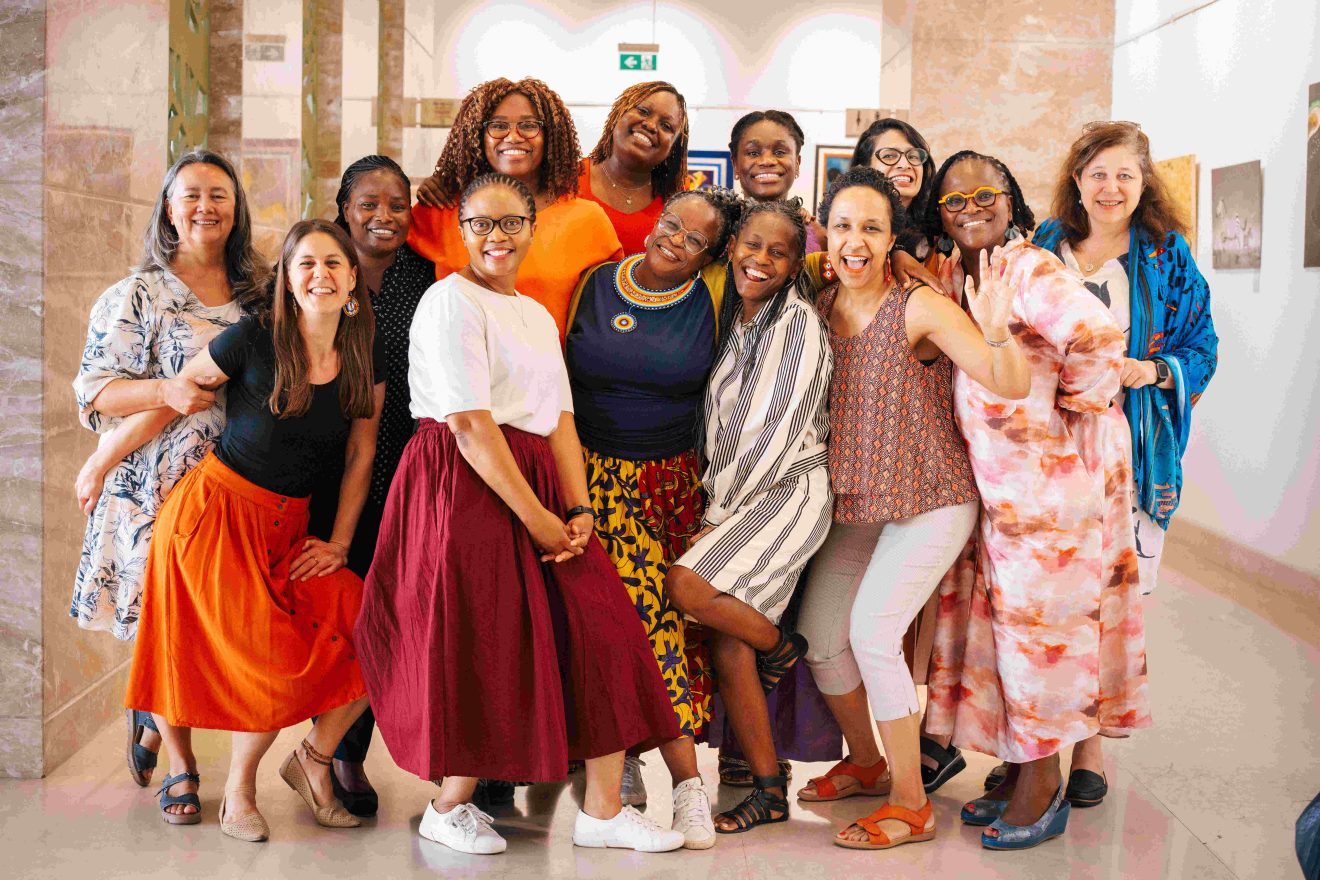
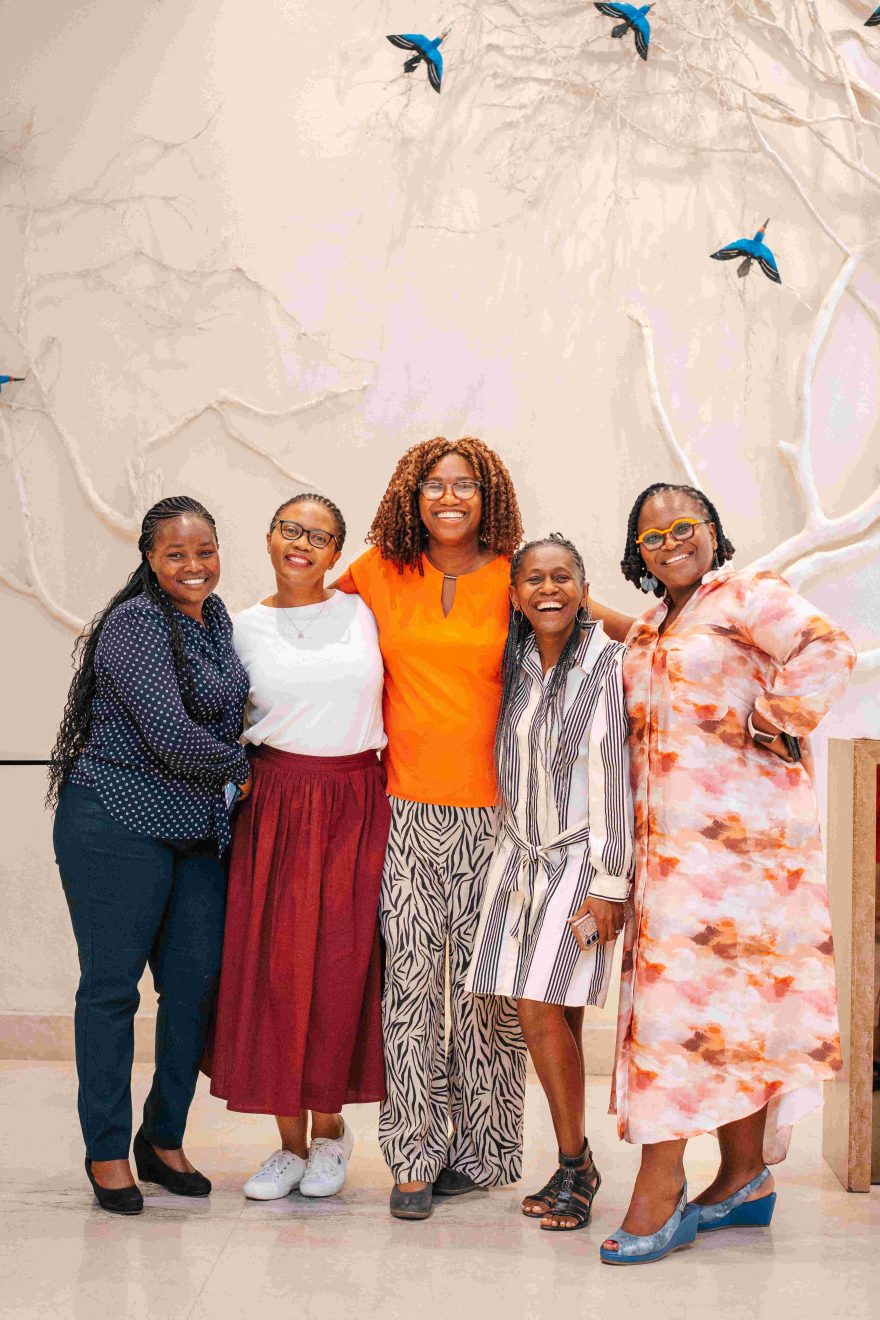
The 2025 Leadership Week for the Women in Global Health Leadership Fellowship (WGHLF) was an unforgettable experience, blending cross-country learning, leadership growth, and lasting friendships.
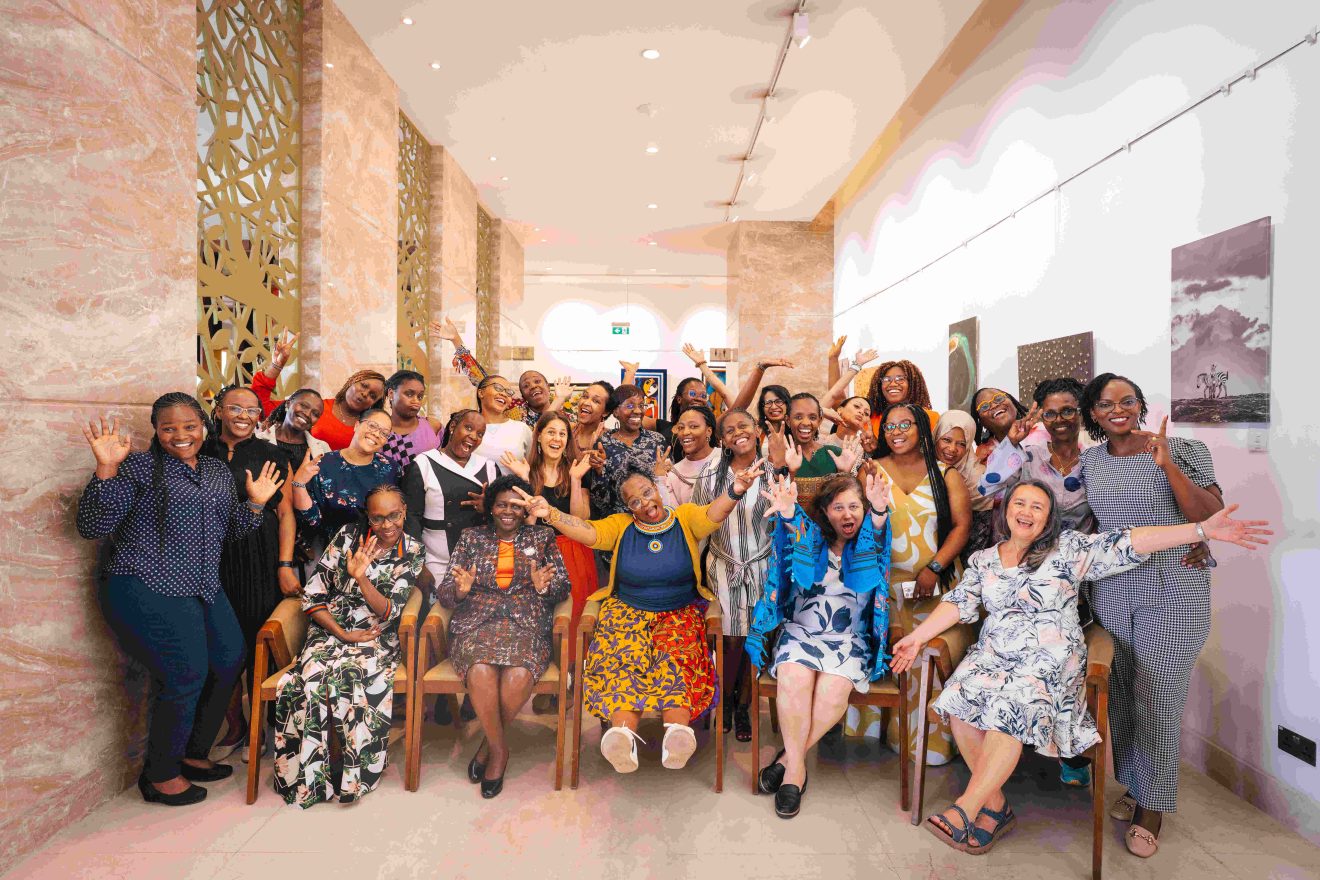
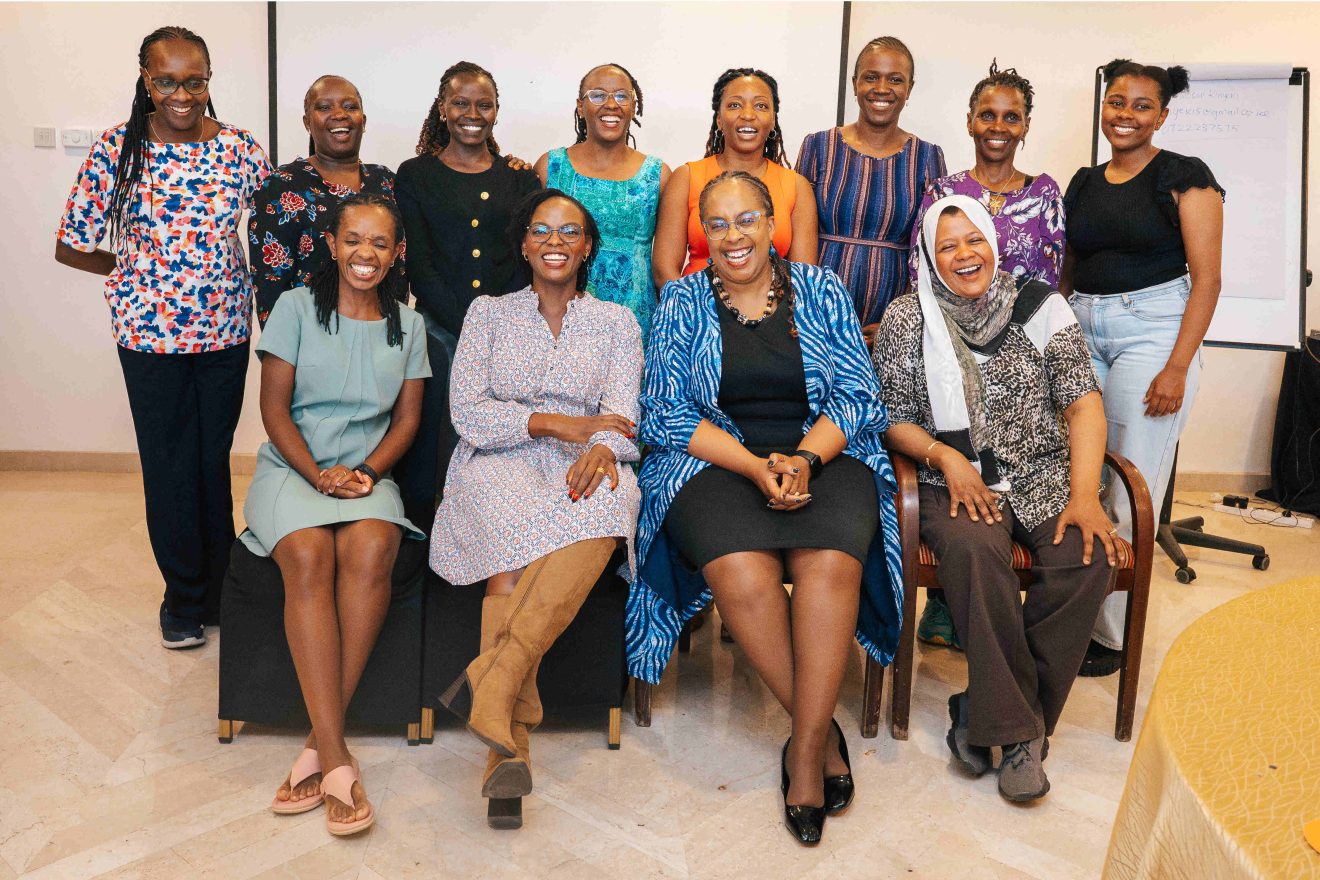
Held in Nairobi, the event brought together female health leaders from Kenya, South Africa, and Canada, including program fellows and facilitators, to address gender and health disparities while advancing their leadership journeys. The 2025 edition featured thought-provoking discussions, coaching, networking, real-world exposure, unforgettable bonding moments, and even some dancing!
Here’s a look at the incredible week that was.
Cross-Country Learning and the RICH Picture Activity
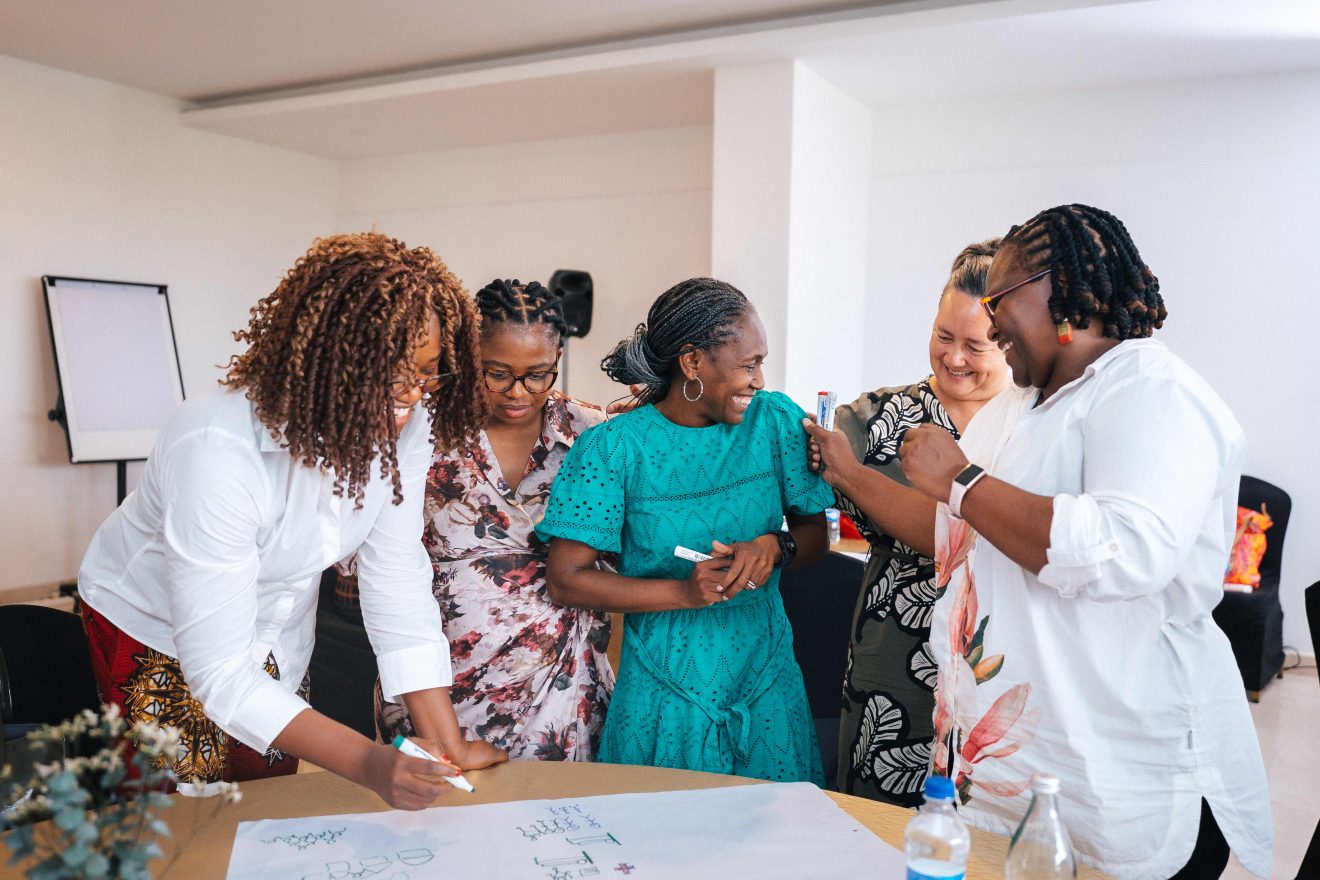
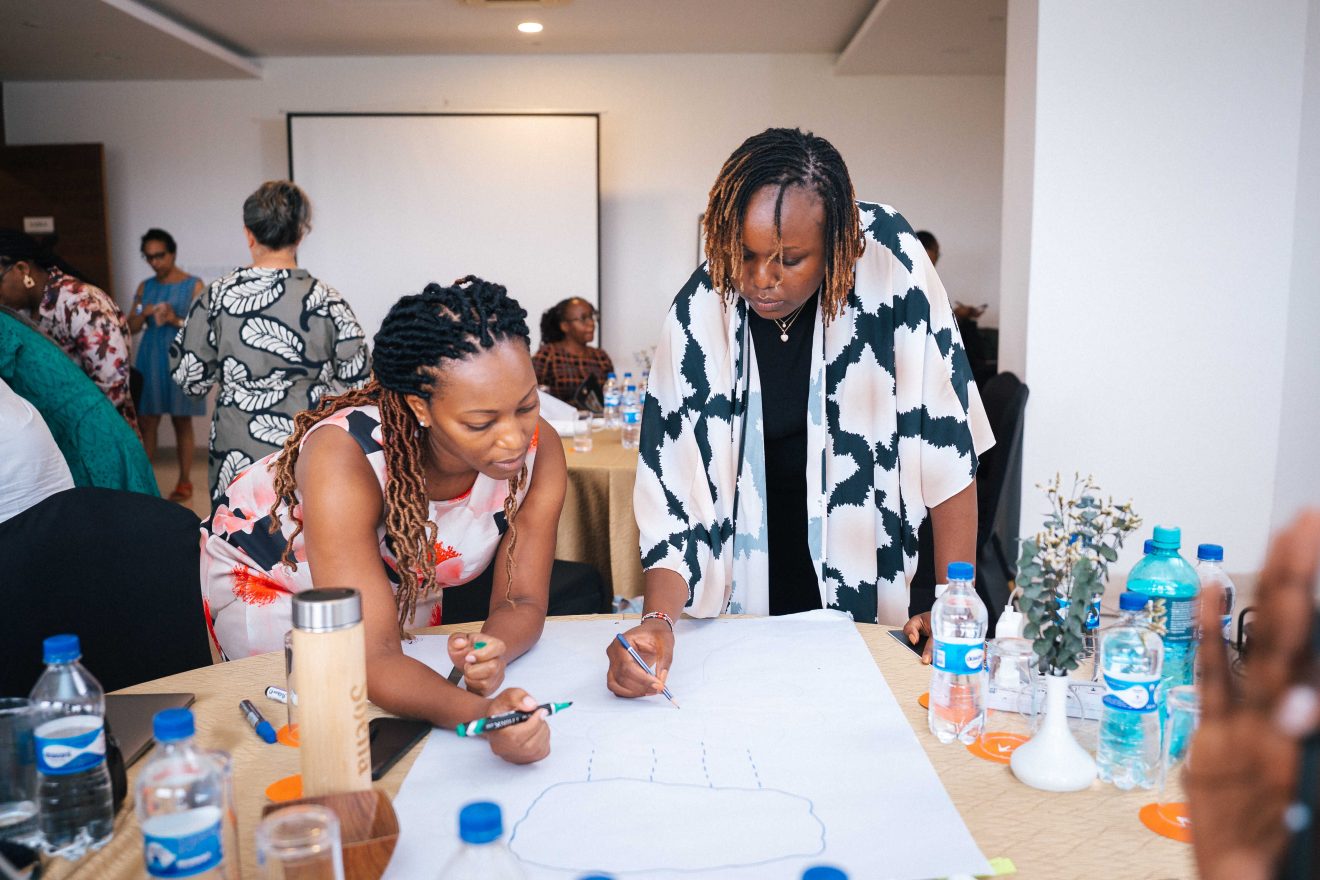
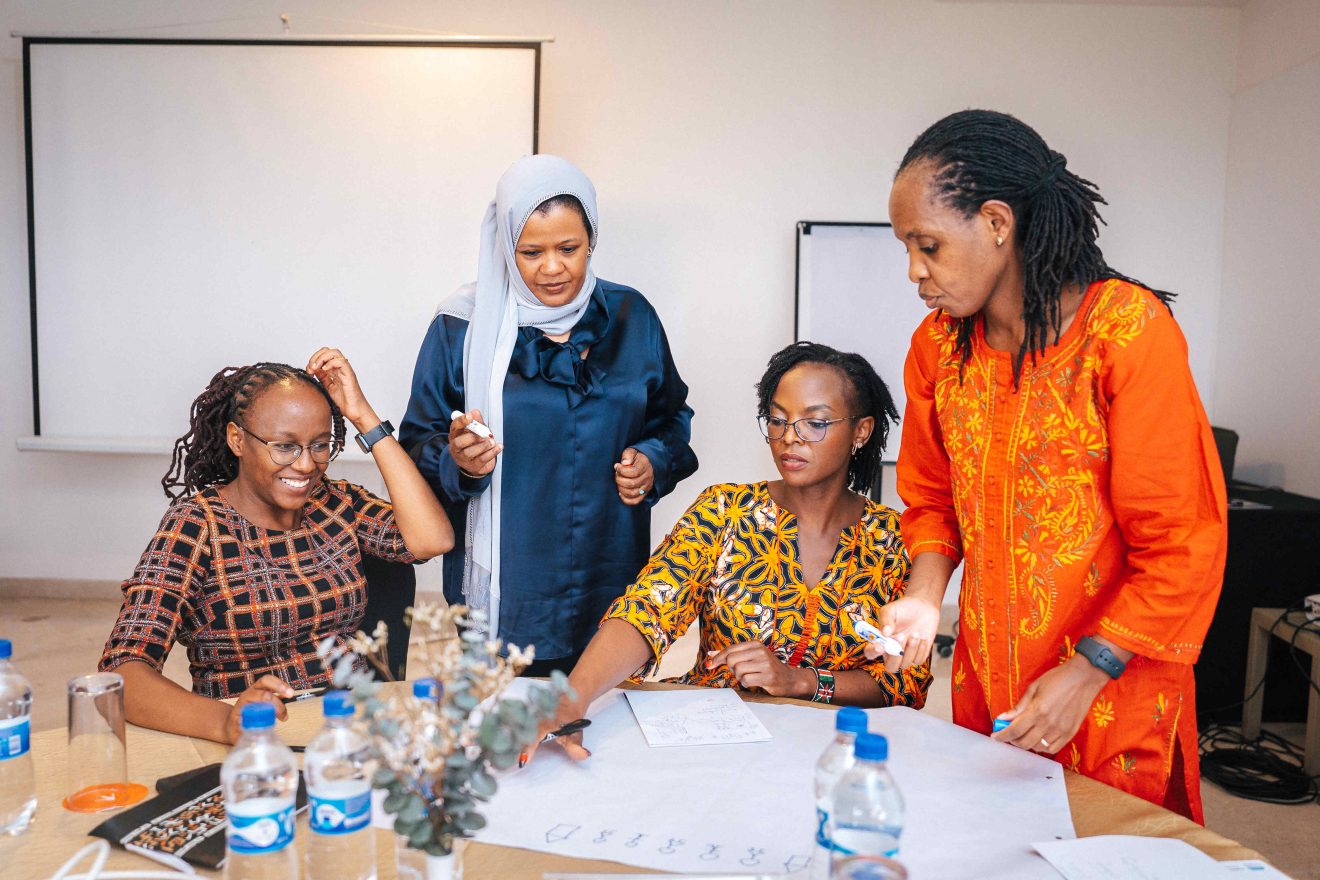
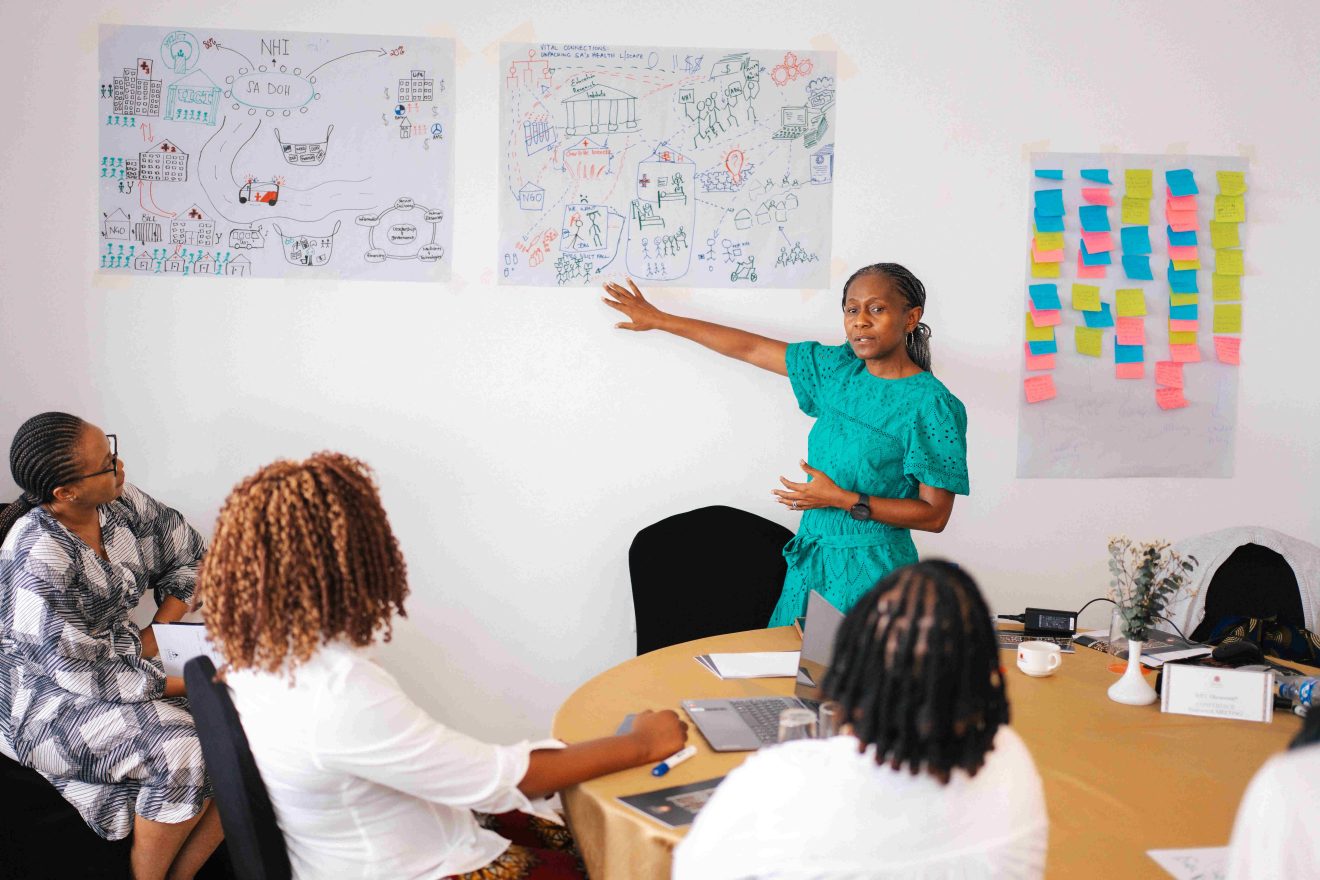
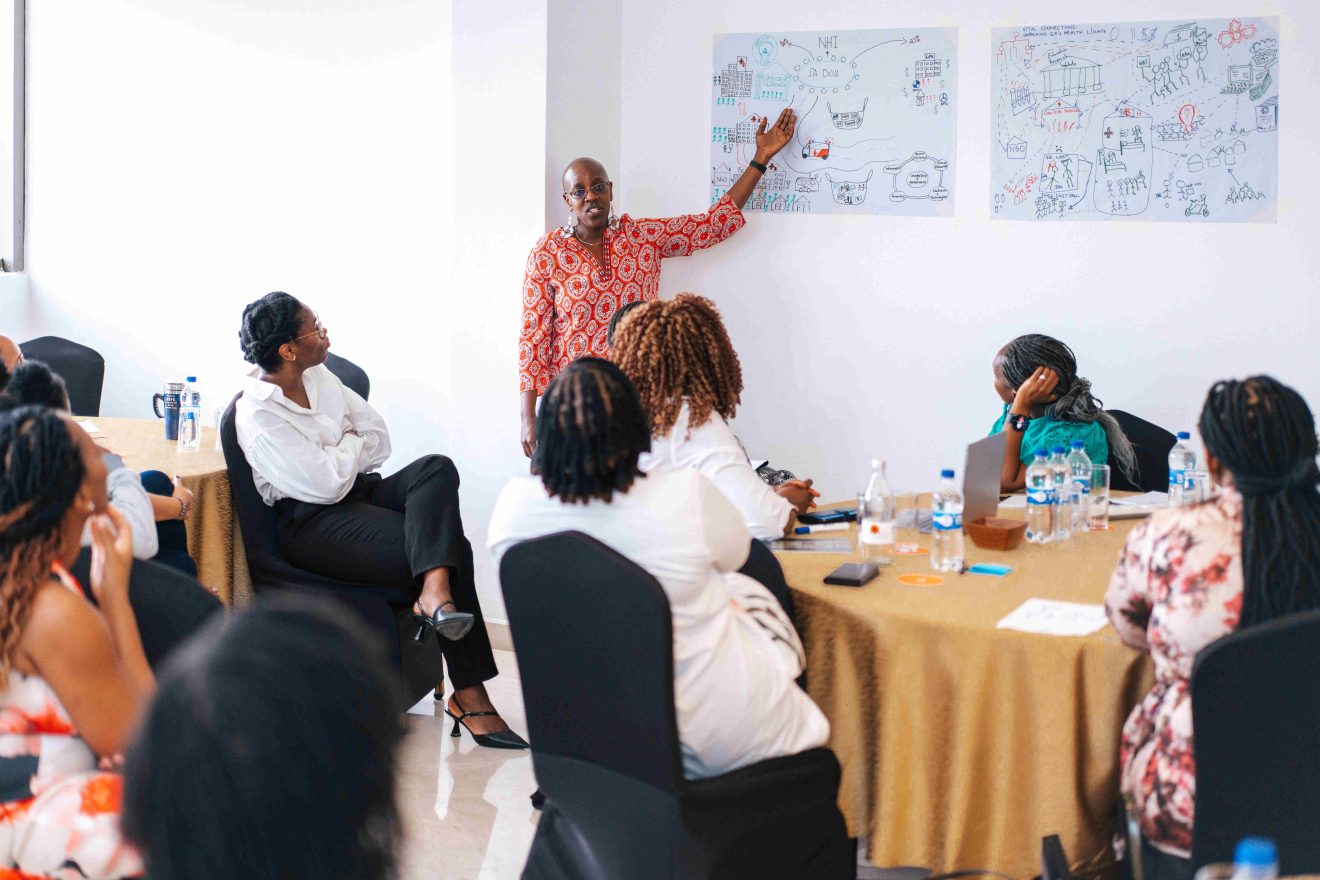
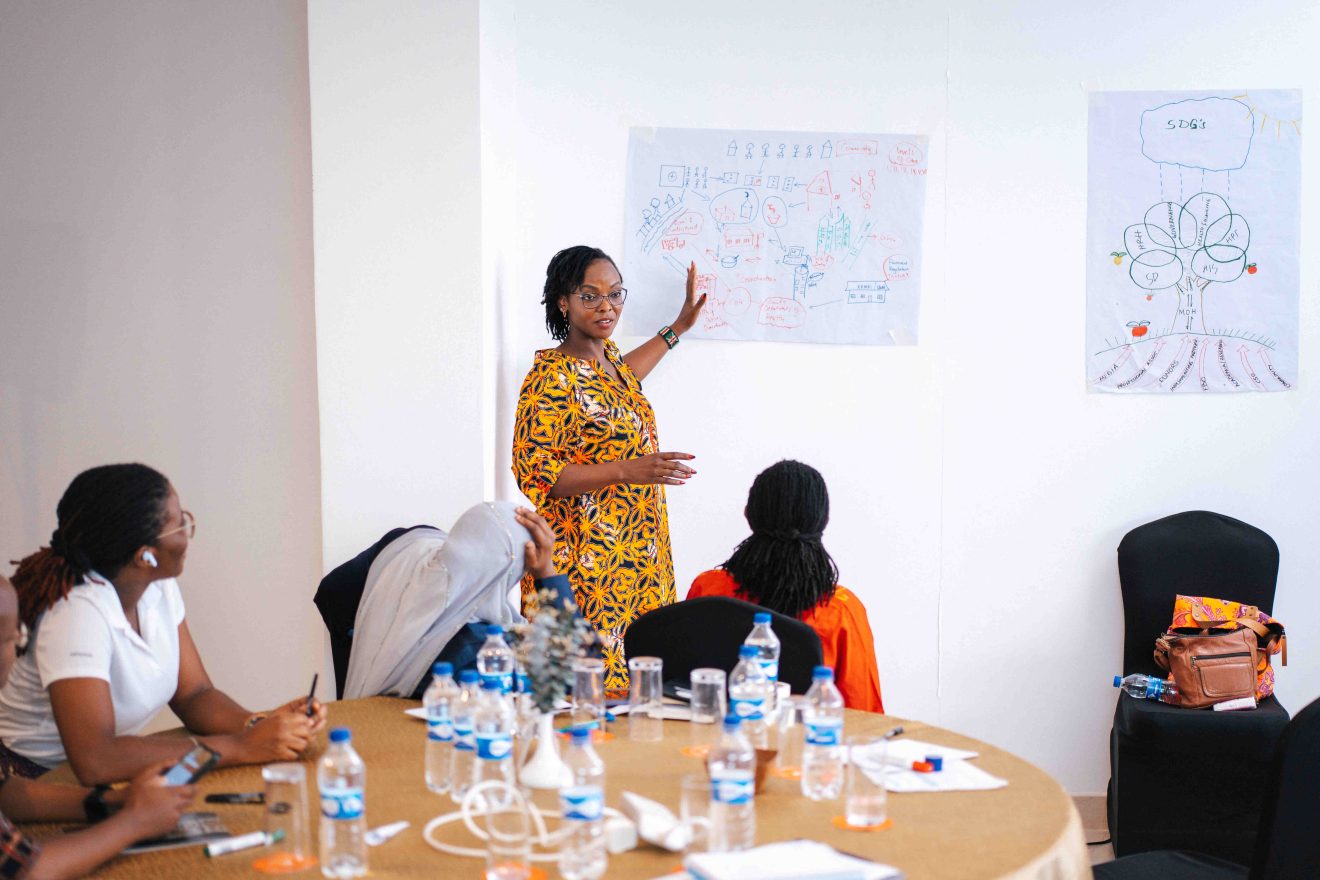
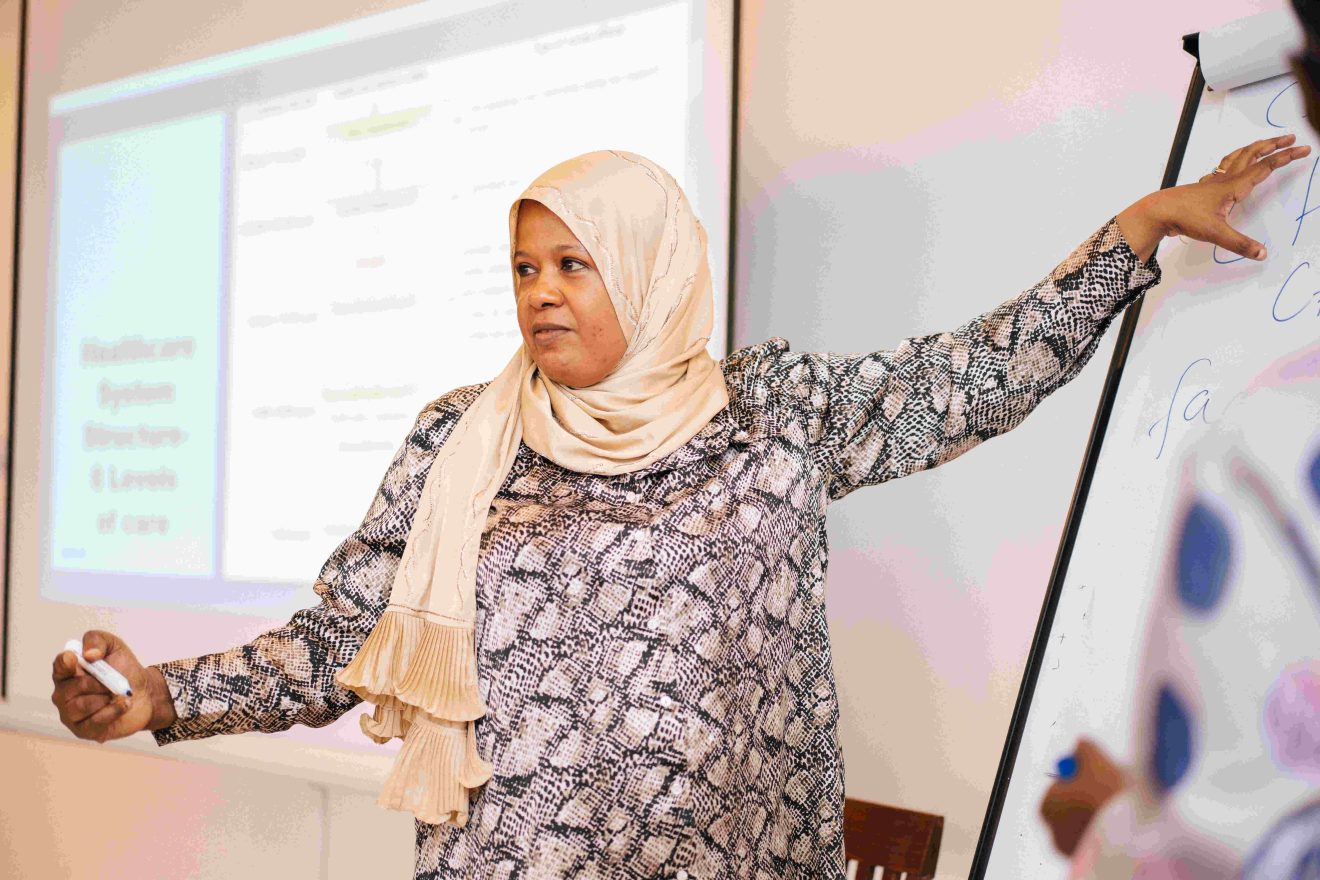
The first couple of days were all about setting the foundation. After diving into key concepts in global health and gender equity, the room came alive with the RICH Picture activity—a colorful and eye-opening exercise where participants used their expertise to co-create and creatively map out health systems in Kenya and South Africa. This helped participants work on visualizing policy gaps, historical health inequities, and gender dynamics within health systems.
Leadership Coaching and Candid Conversations
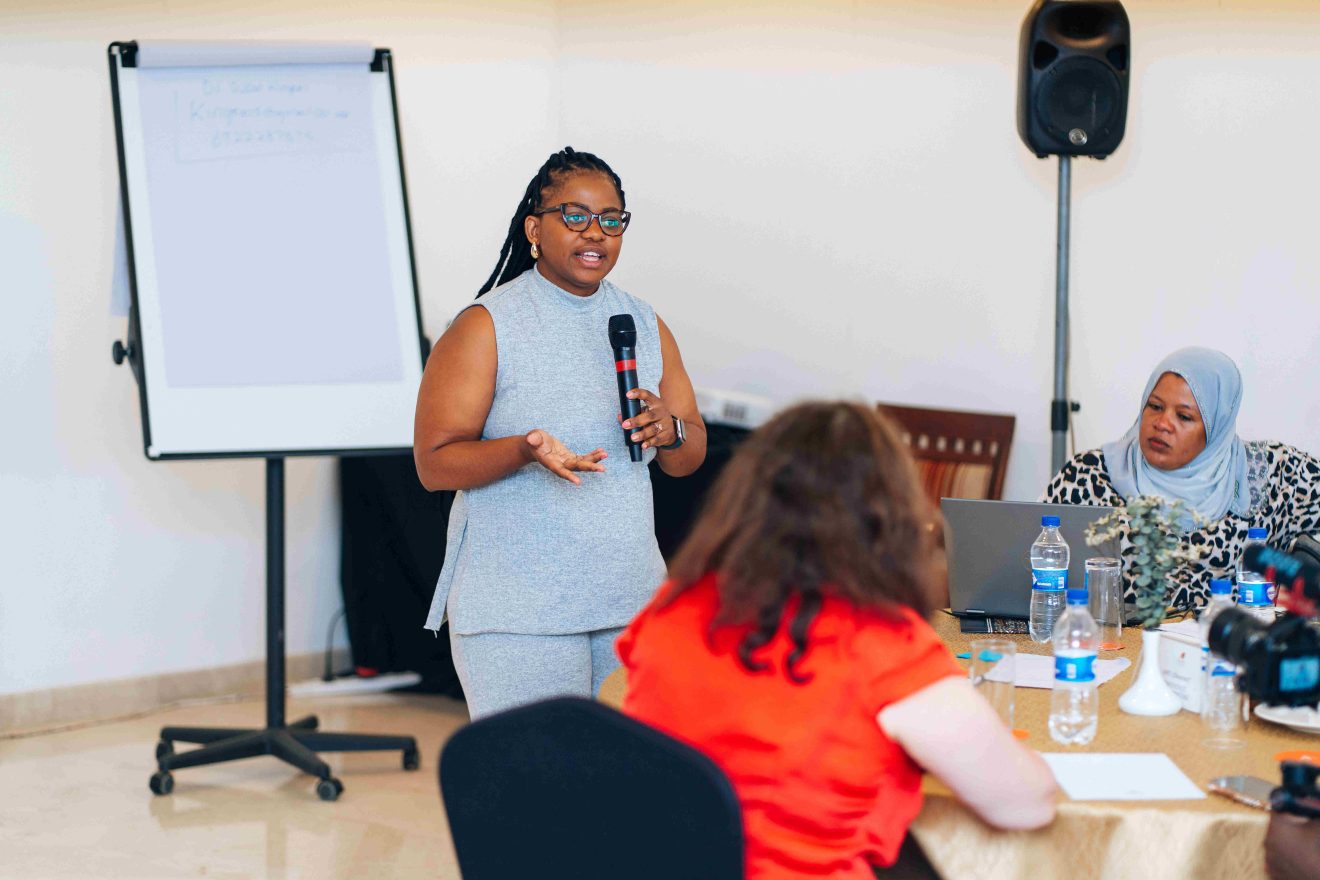
Kenyan leadership coach and governance expert, Dr. Susan Kinyeki, led a leadership coaching session that encouraged deep reflection on personal leadership journeys, identifying the ‘why ‘ and embracing the power of your voice.
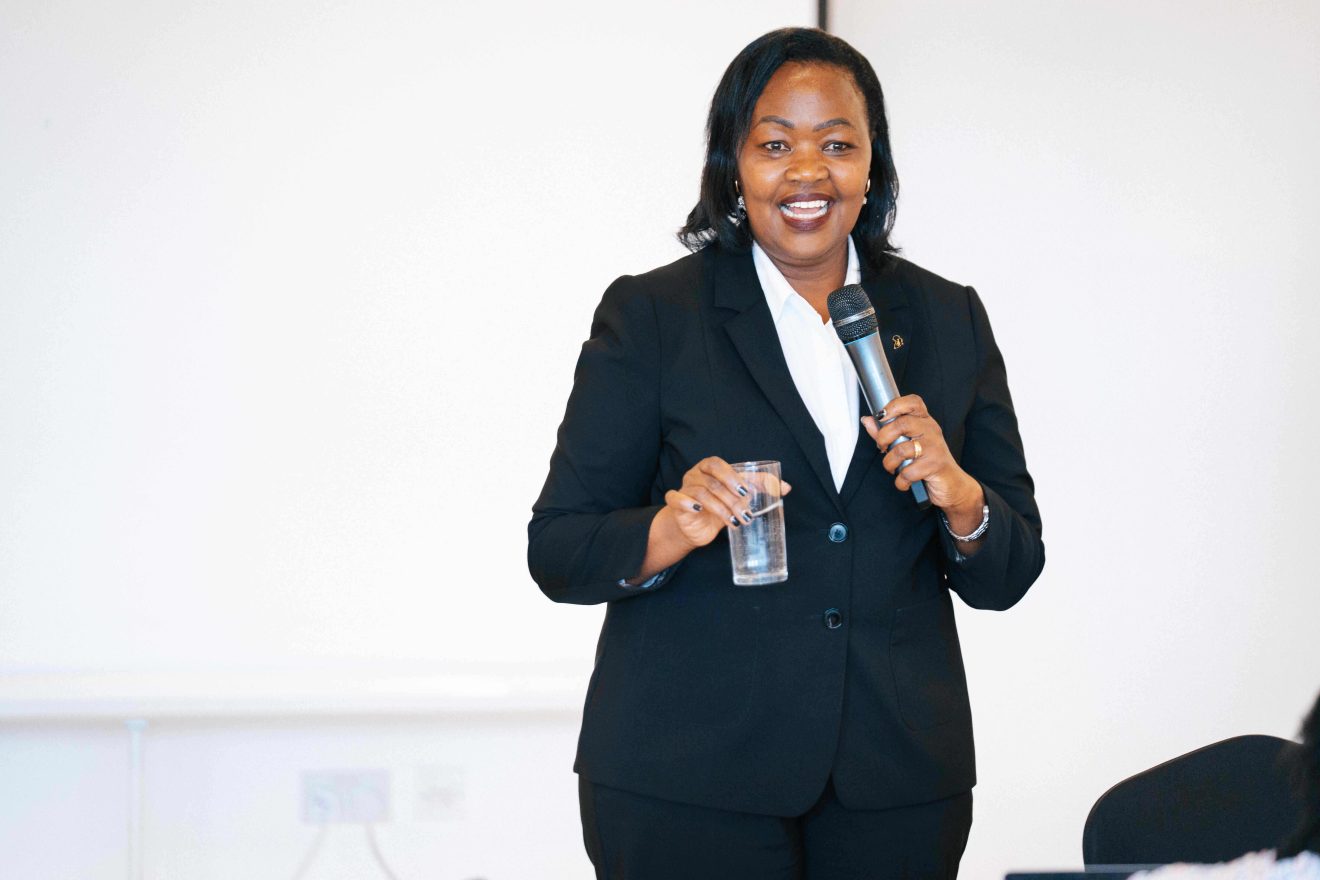


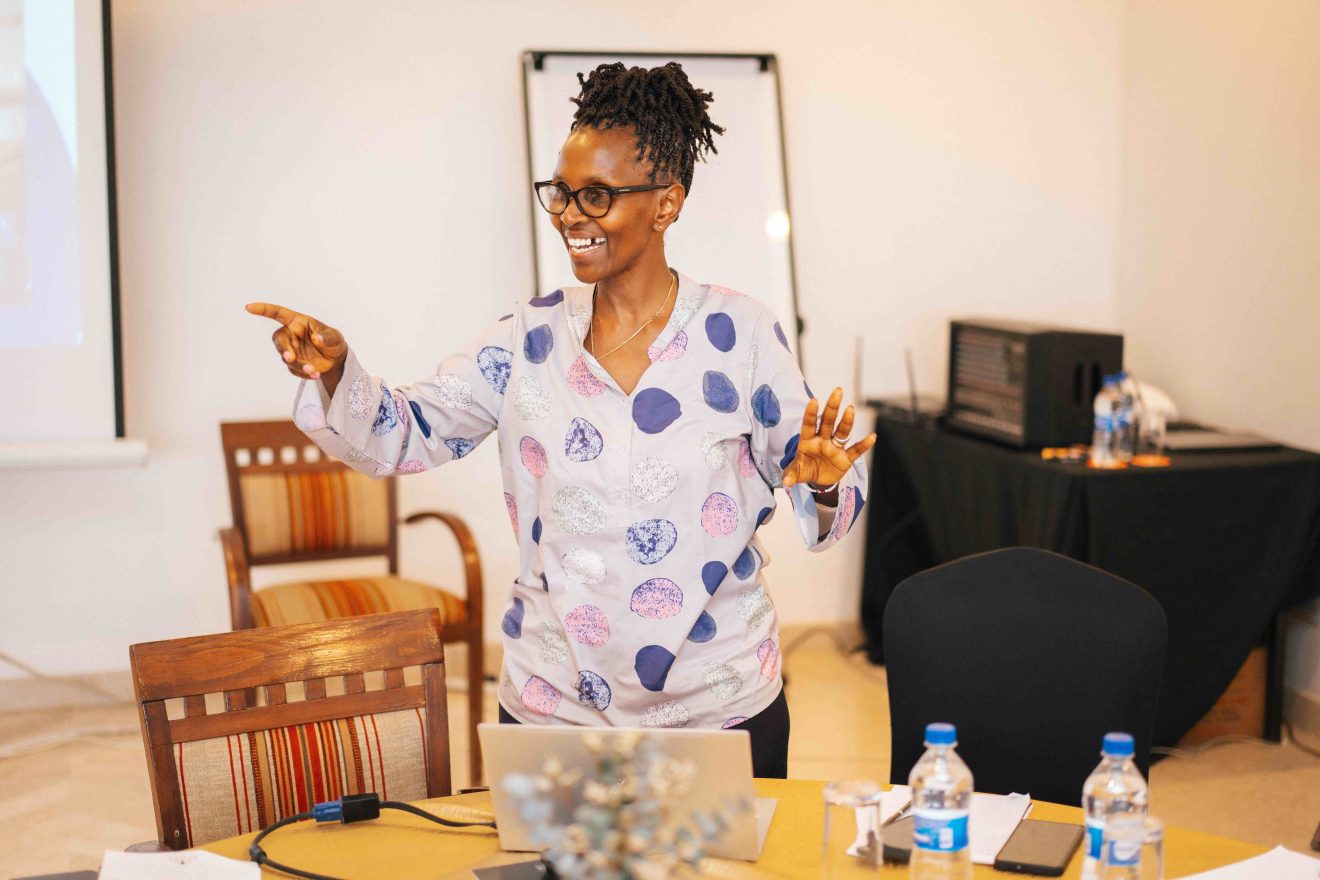
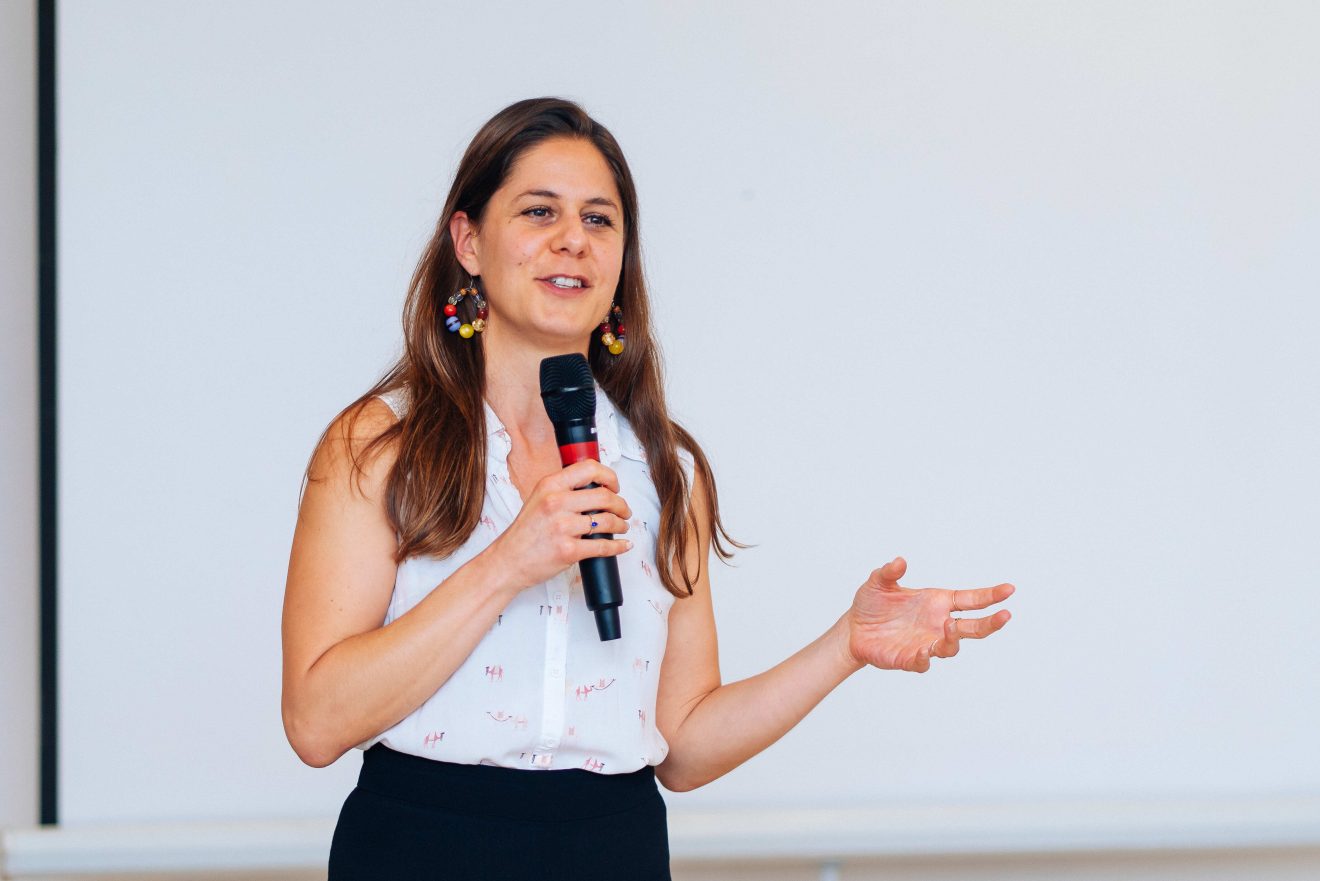
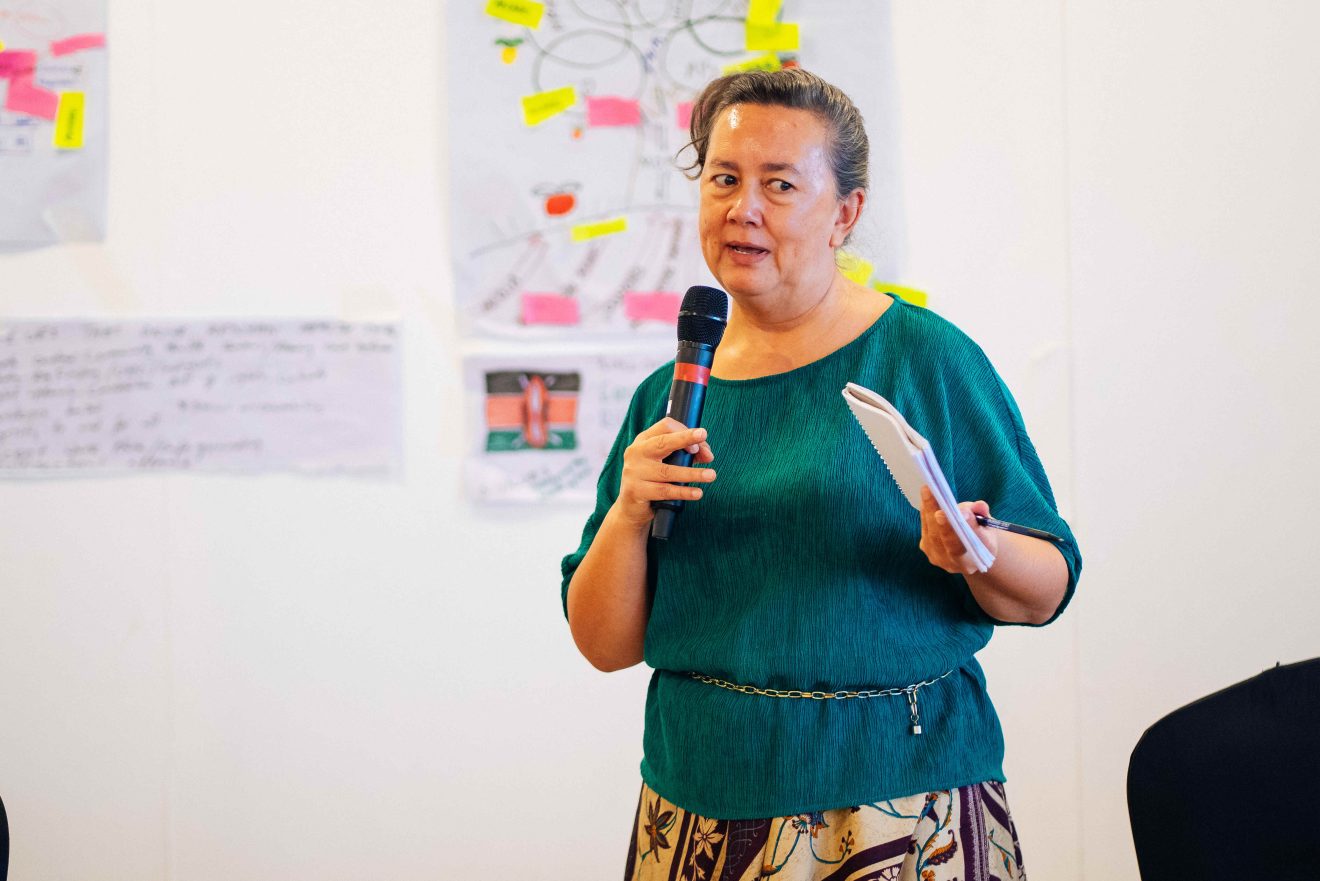
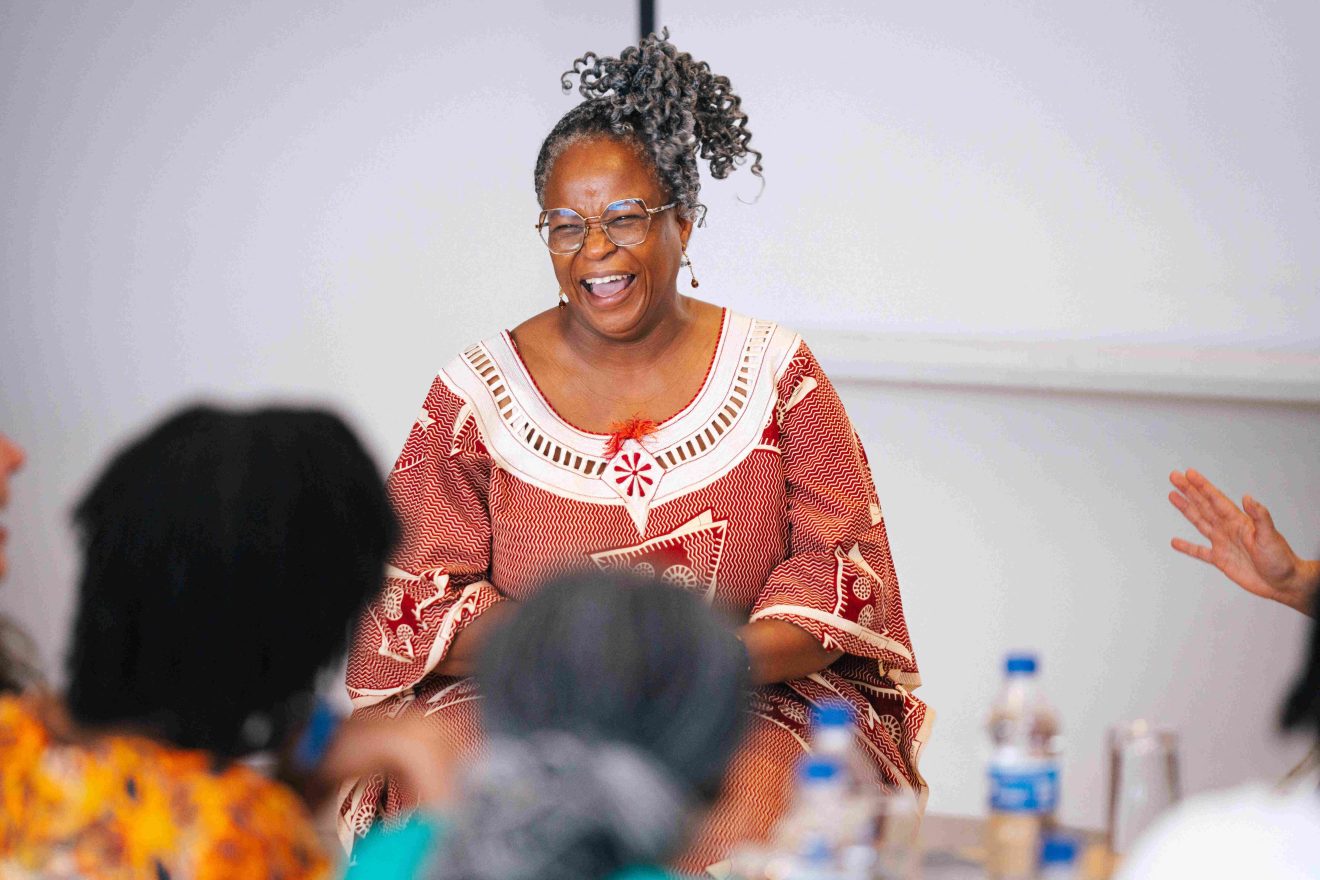
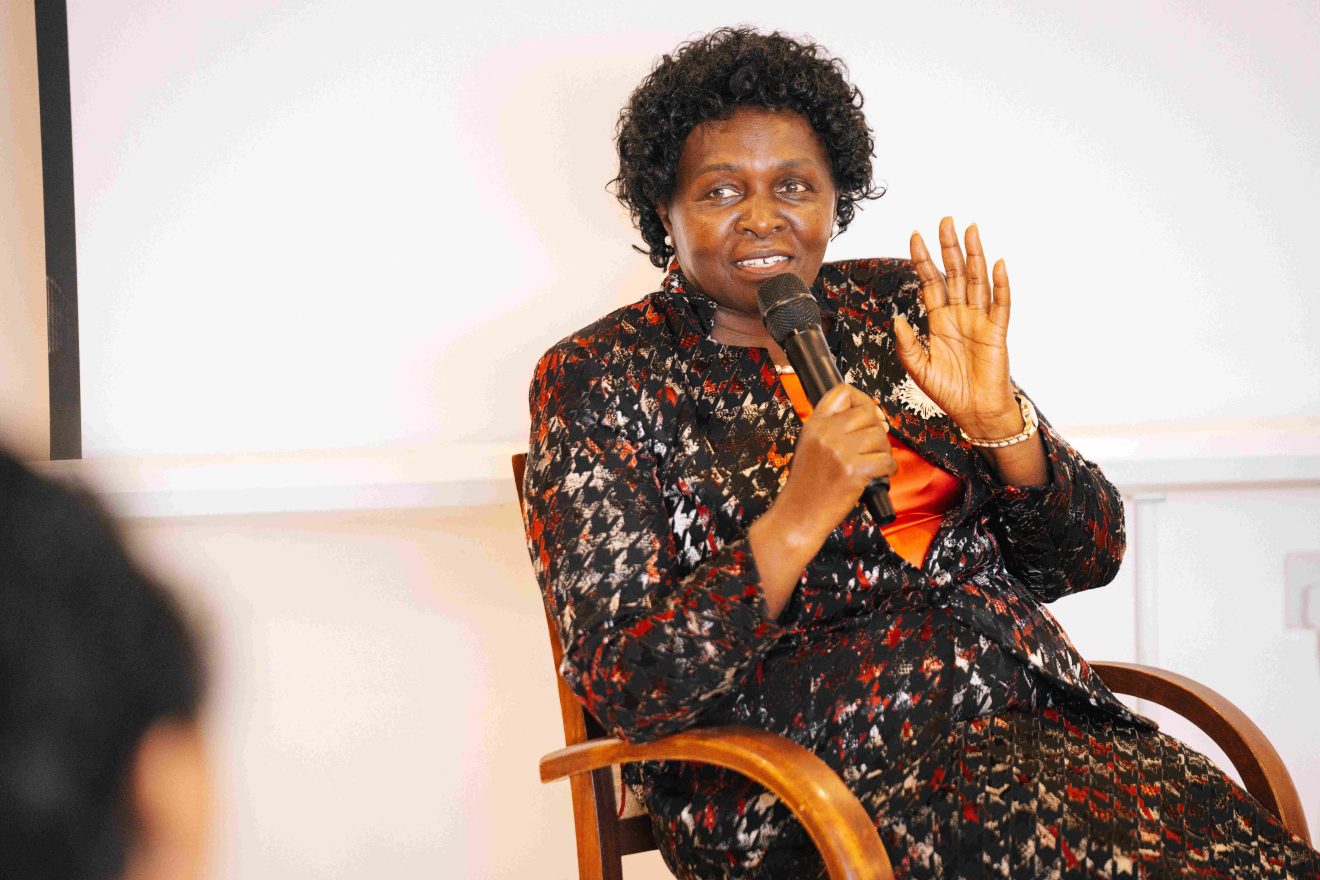
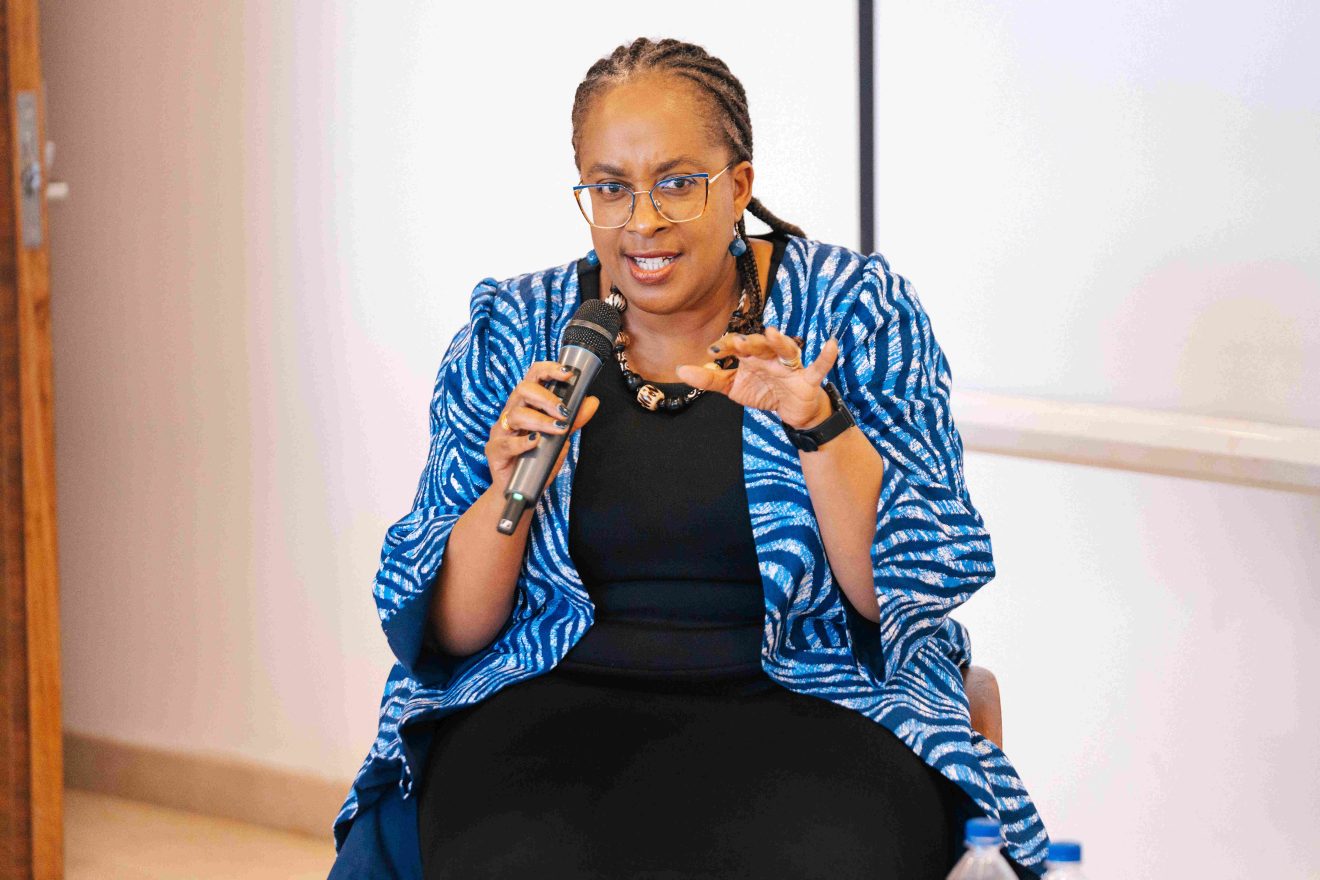
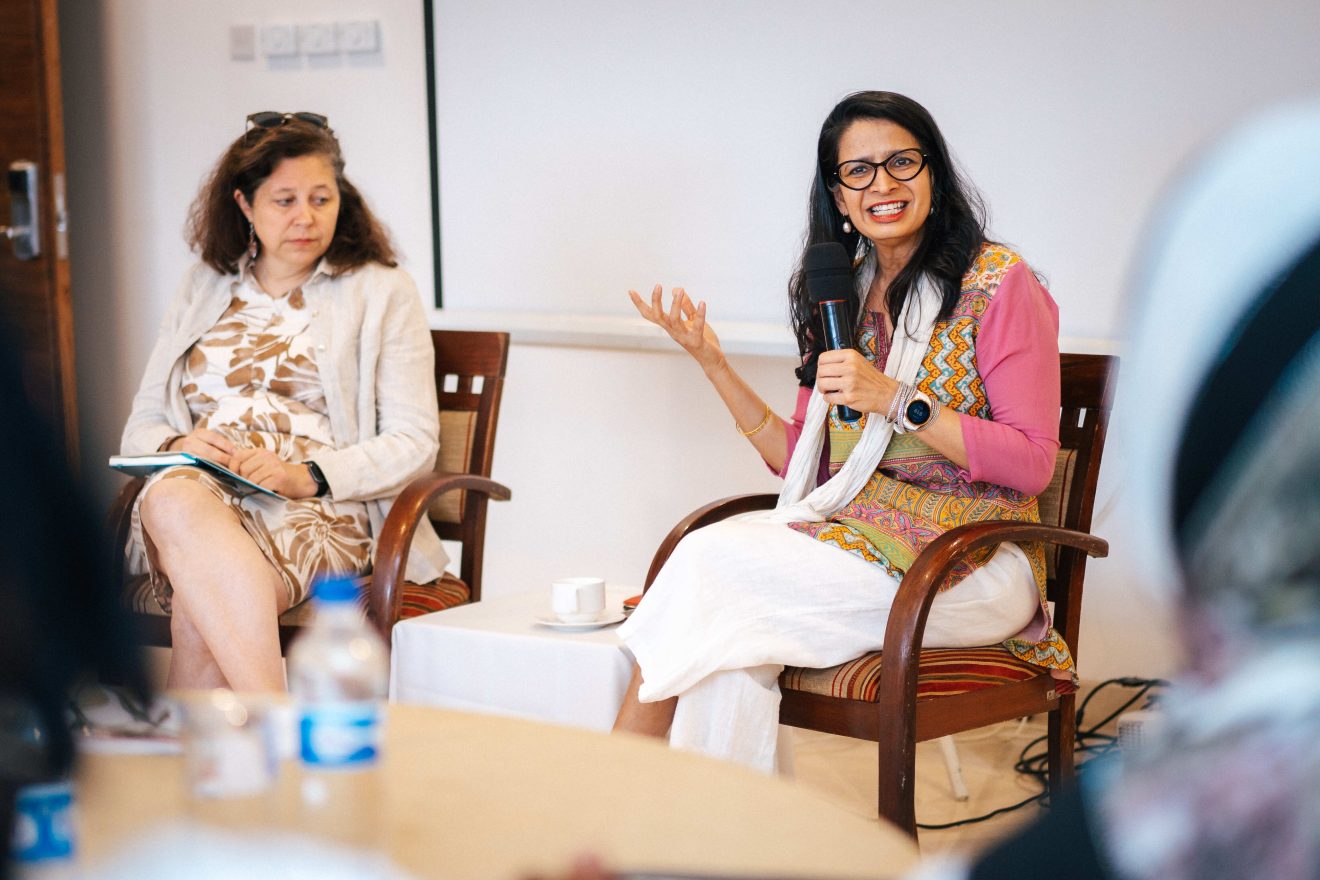
The highlight was a series of candid conversations with some of the most accomplished African female leaders in health and governance. These trailblazers shared their journeys—filled with challenges, victories, and invaluable lessons that left everyone inspired (and taking notes!).
The powerhouse speakers included:
Hospital Tours
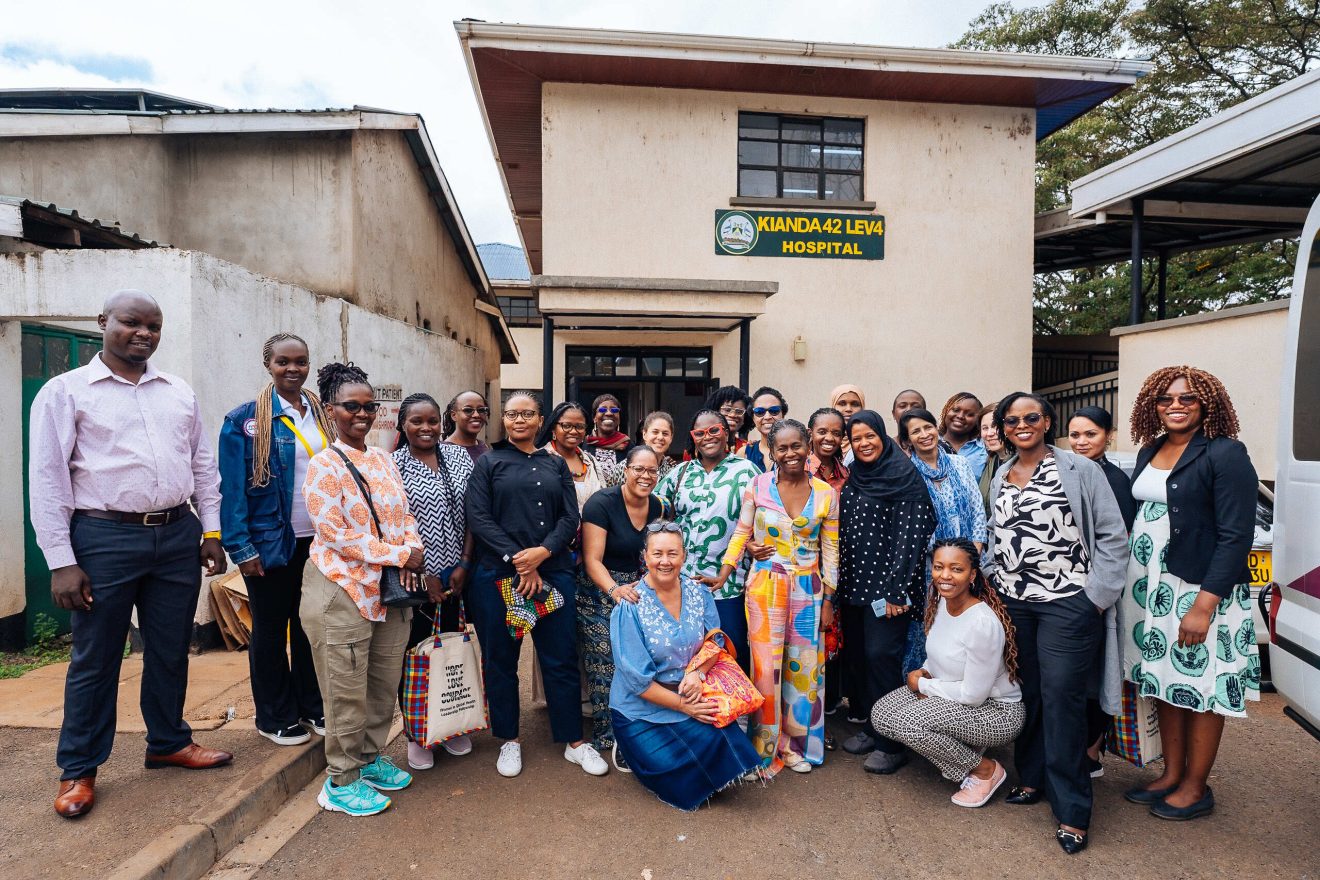
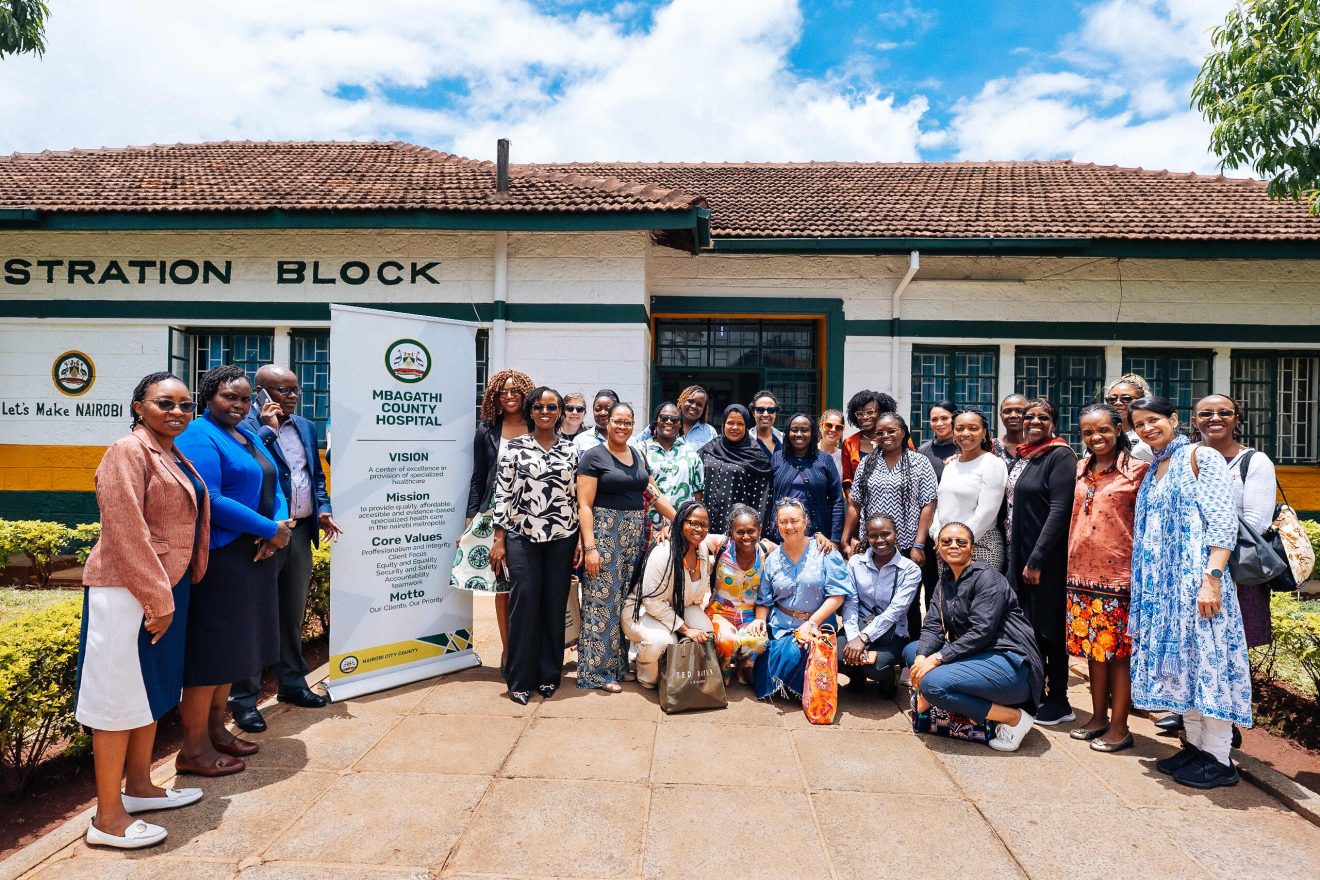
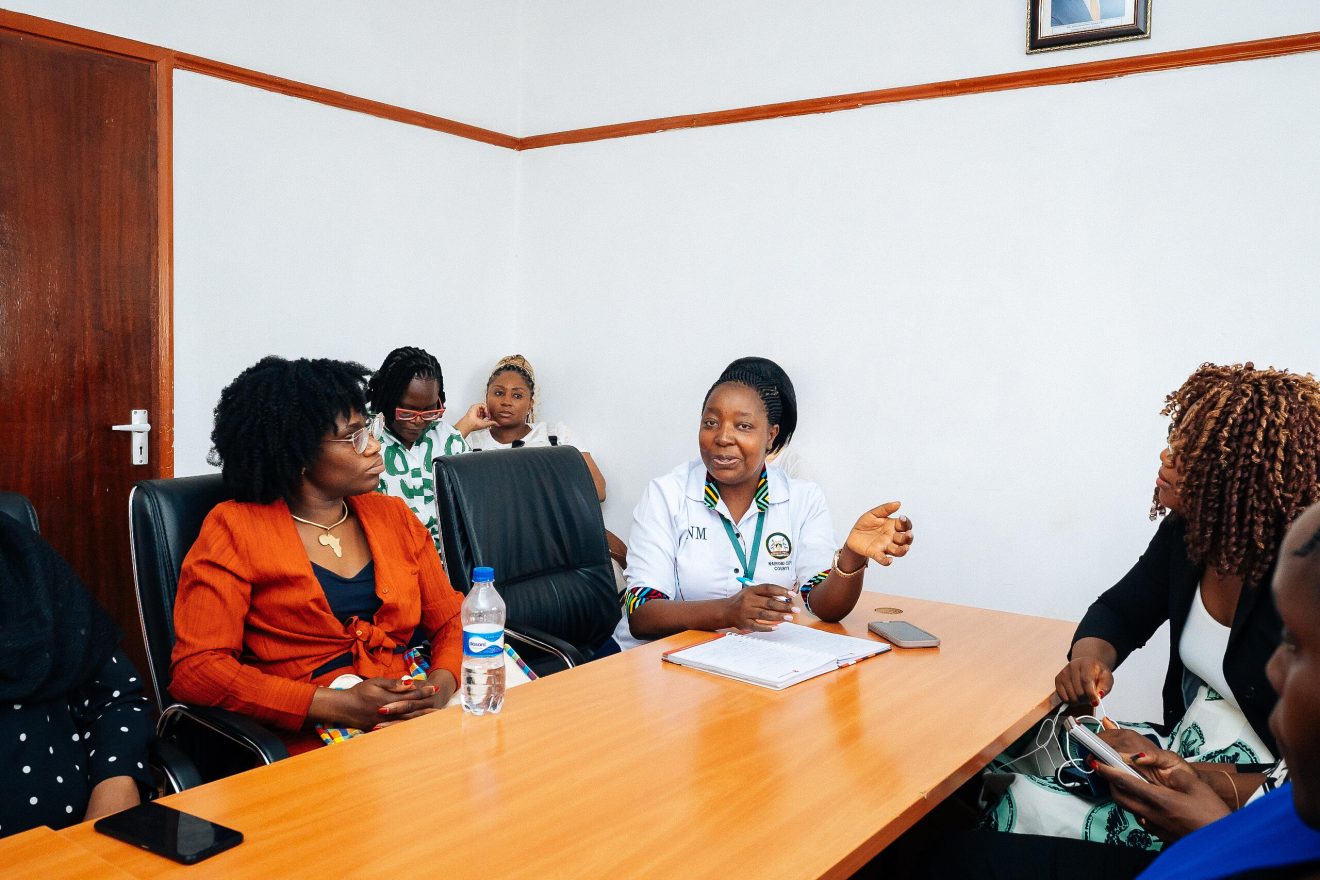
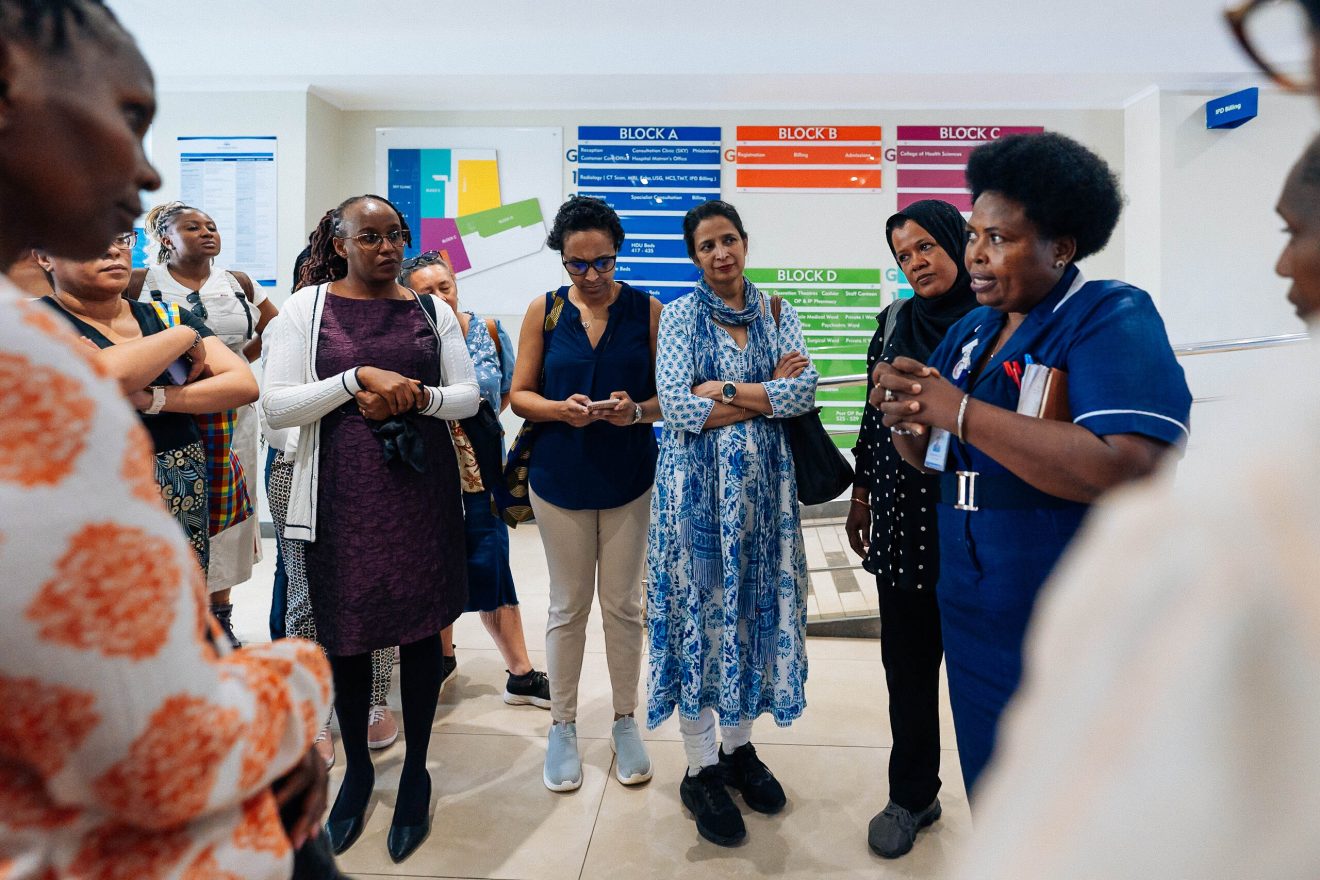
Fellows visited the Kibera Health Center, Kianda 42, Nairobi West, and Mbagathi County Hospitals, interacting with staff and leadership and learning about Kenya’s healthcare innovations, challenges, and opportunities for gender equity interventions.


Leadership Pitches
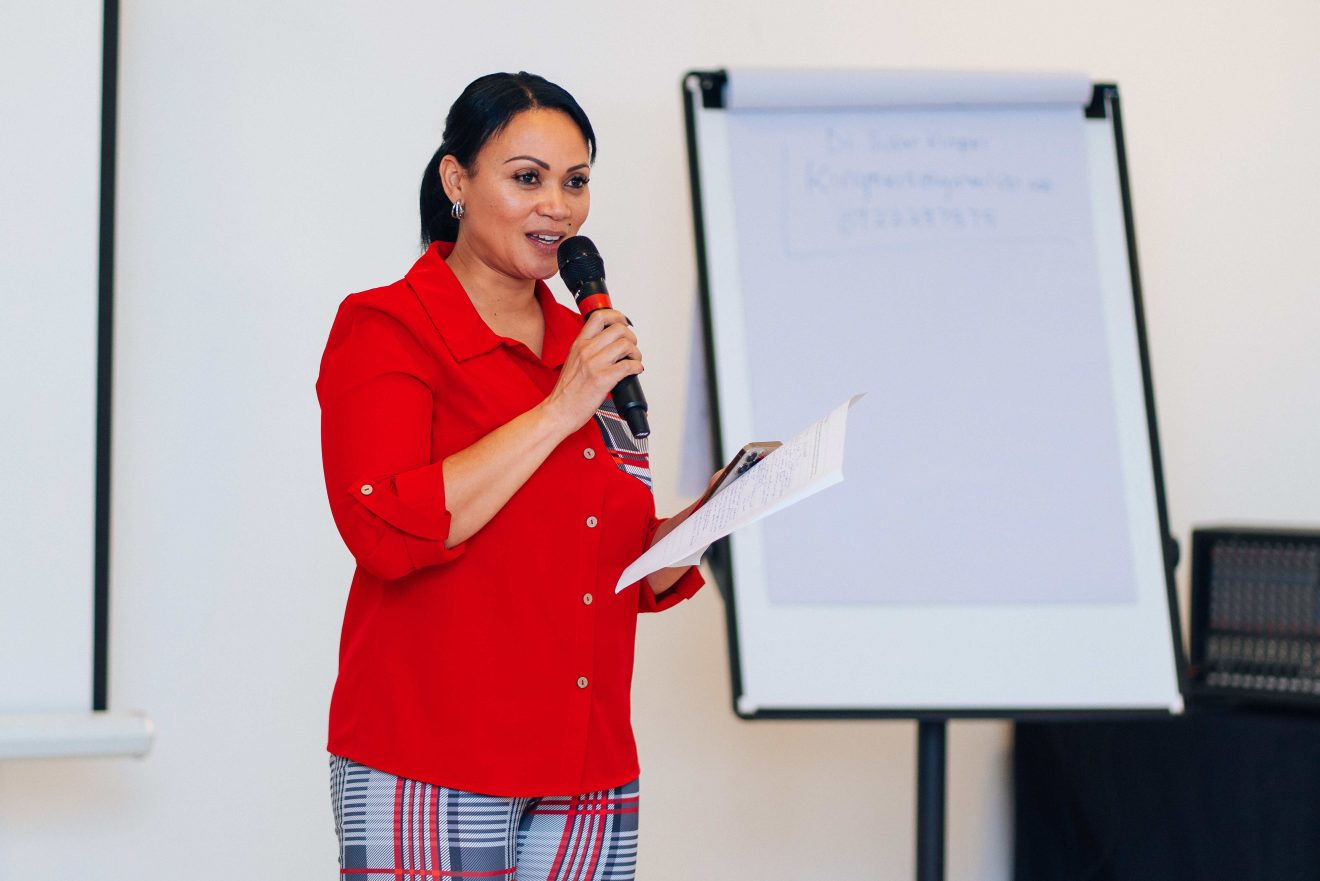
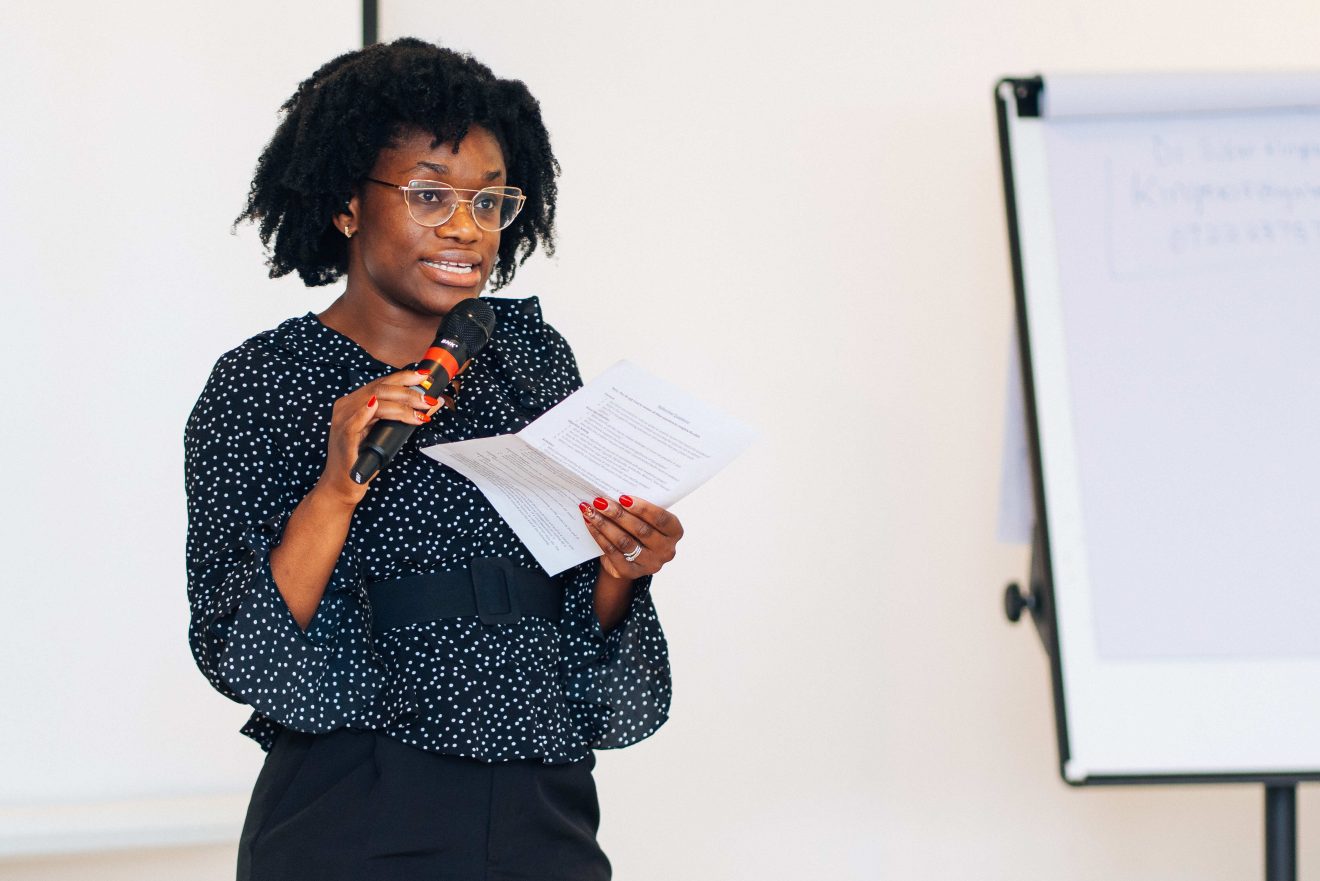
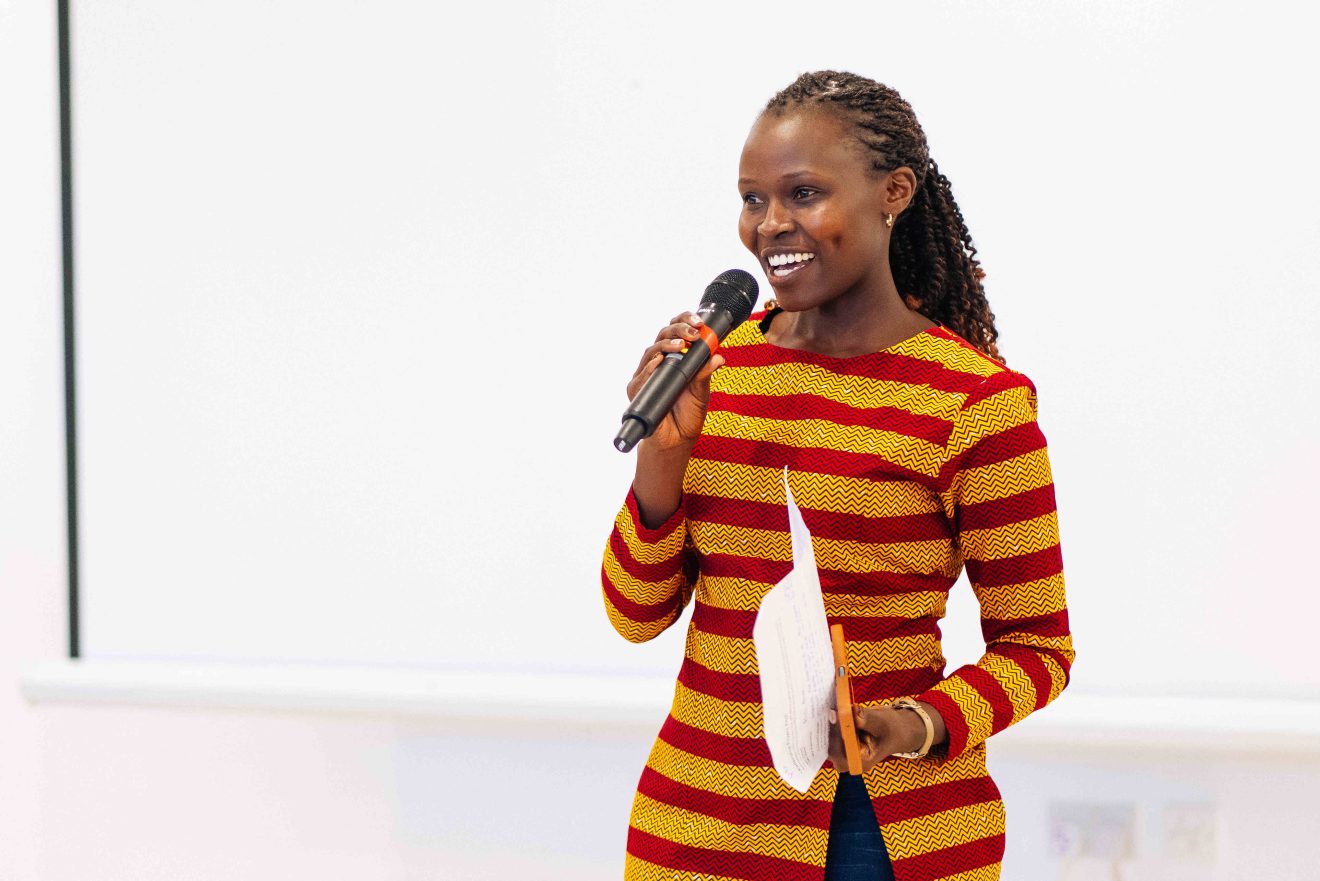
Fellows also took the stage, delivering presentations on their chosen leadership projects. The fellows’ pitches brought together all the lessons from the week and highlighted the transformative changes they aim to bring to their communities, workplaces, and health systems, as well as the actionable steps they plan to take to realize these goals. These included initiatives focused on return to work after childbirth, ethical retrenchment processes, menstrual health research, a book club for women leaders, female nurses in research, vocational workshops for teenage girls, exploring antibiotic prescription patterns in OB-GYN, repurposing cervical cancer screening kits, and many others. Once the fellows return home, they will collaborate to transform their pitches into tangible, on-the-ground projects that will be showcased upon completion of the fellowship.

A Night to Remember
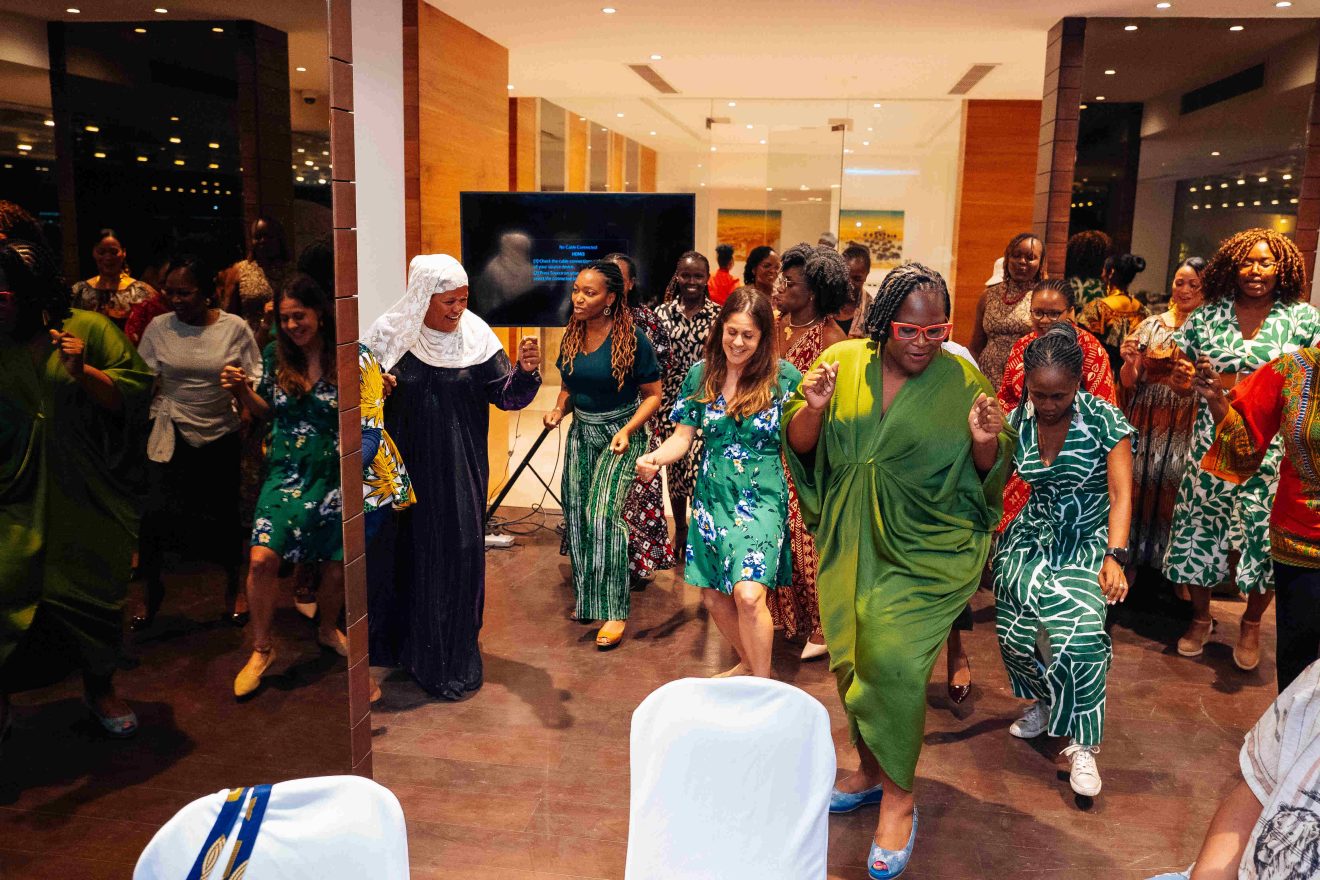
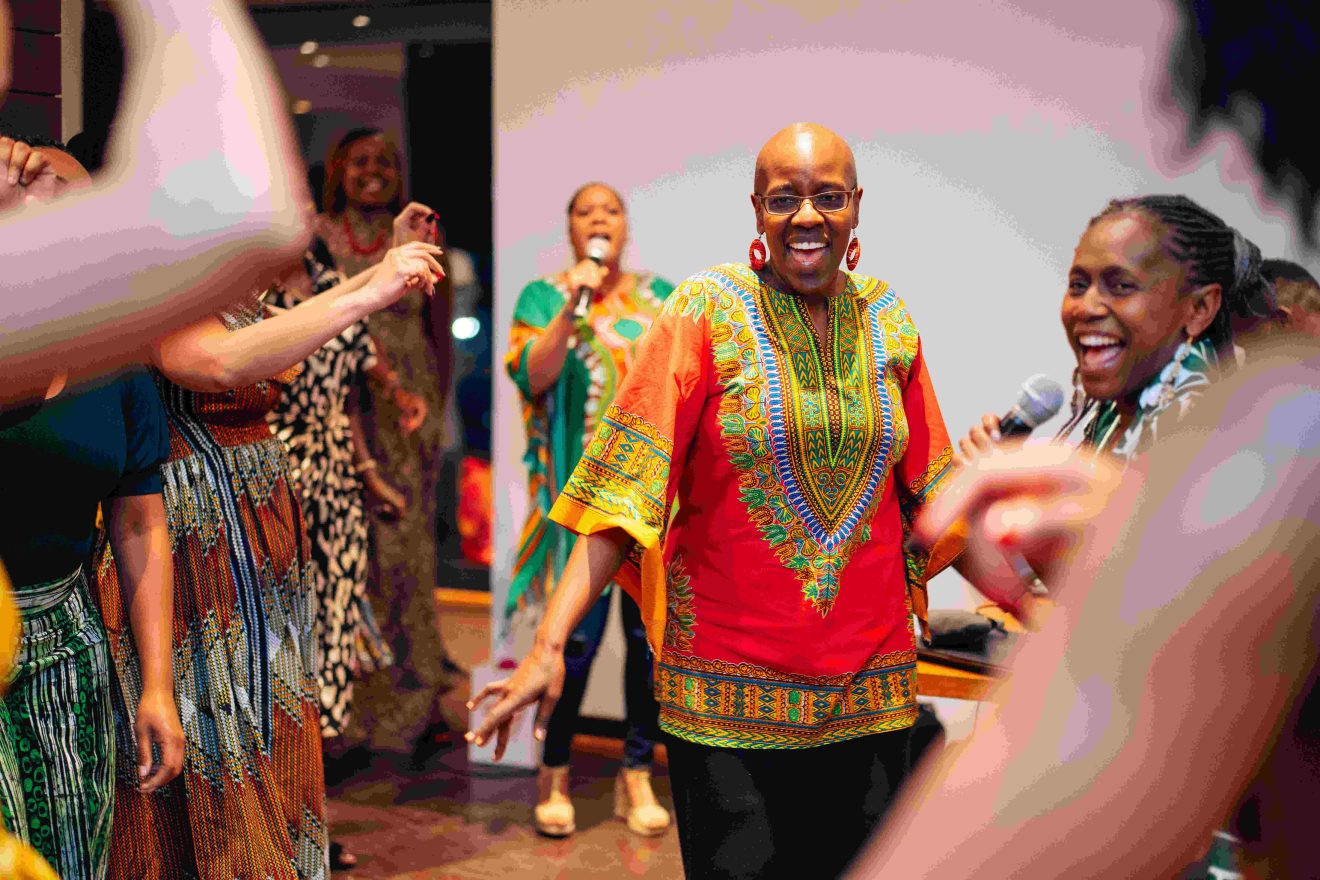
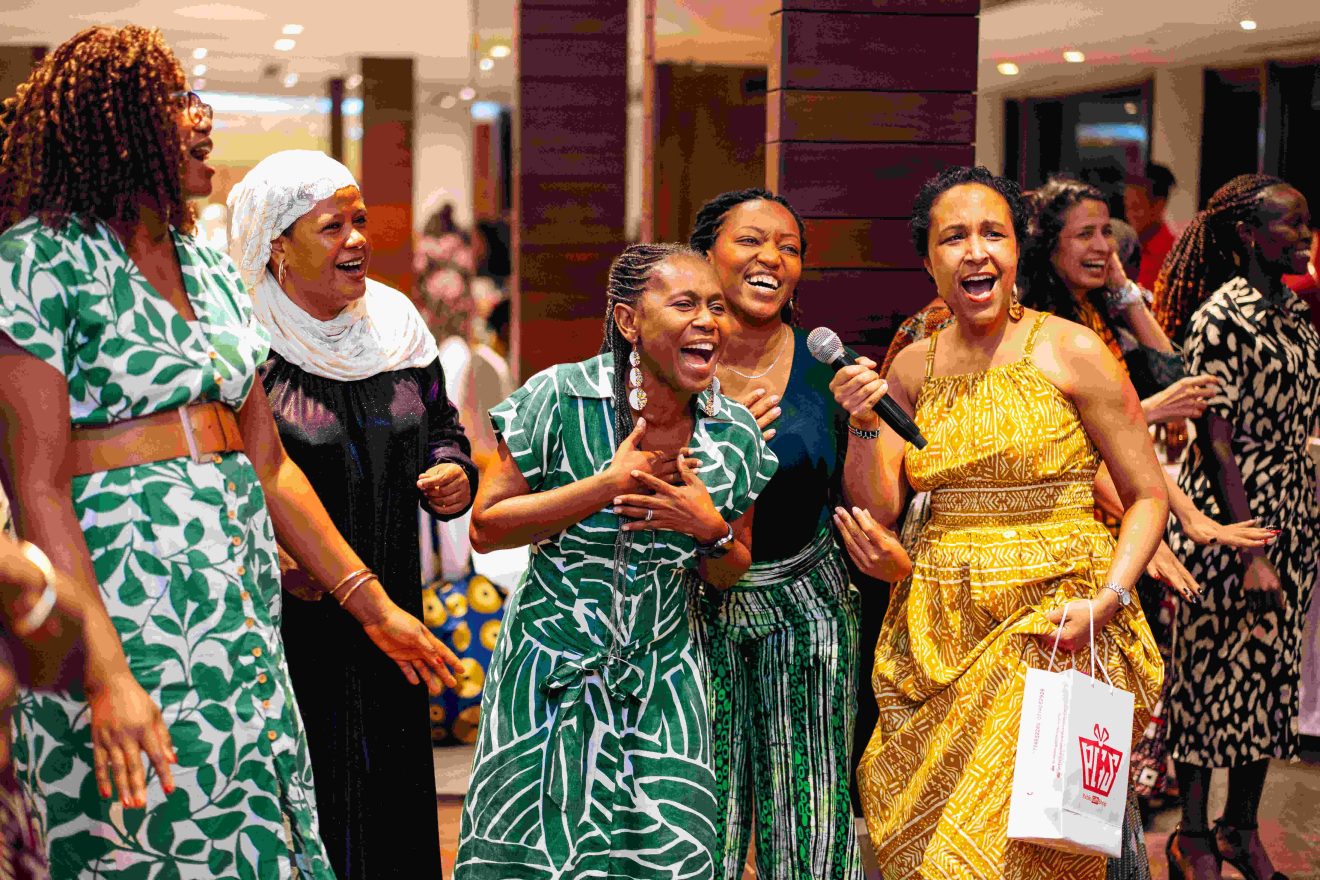
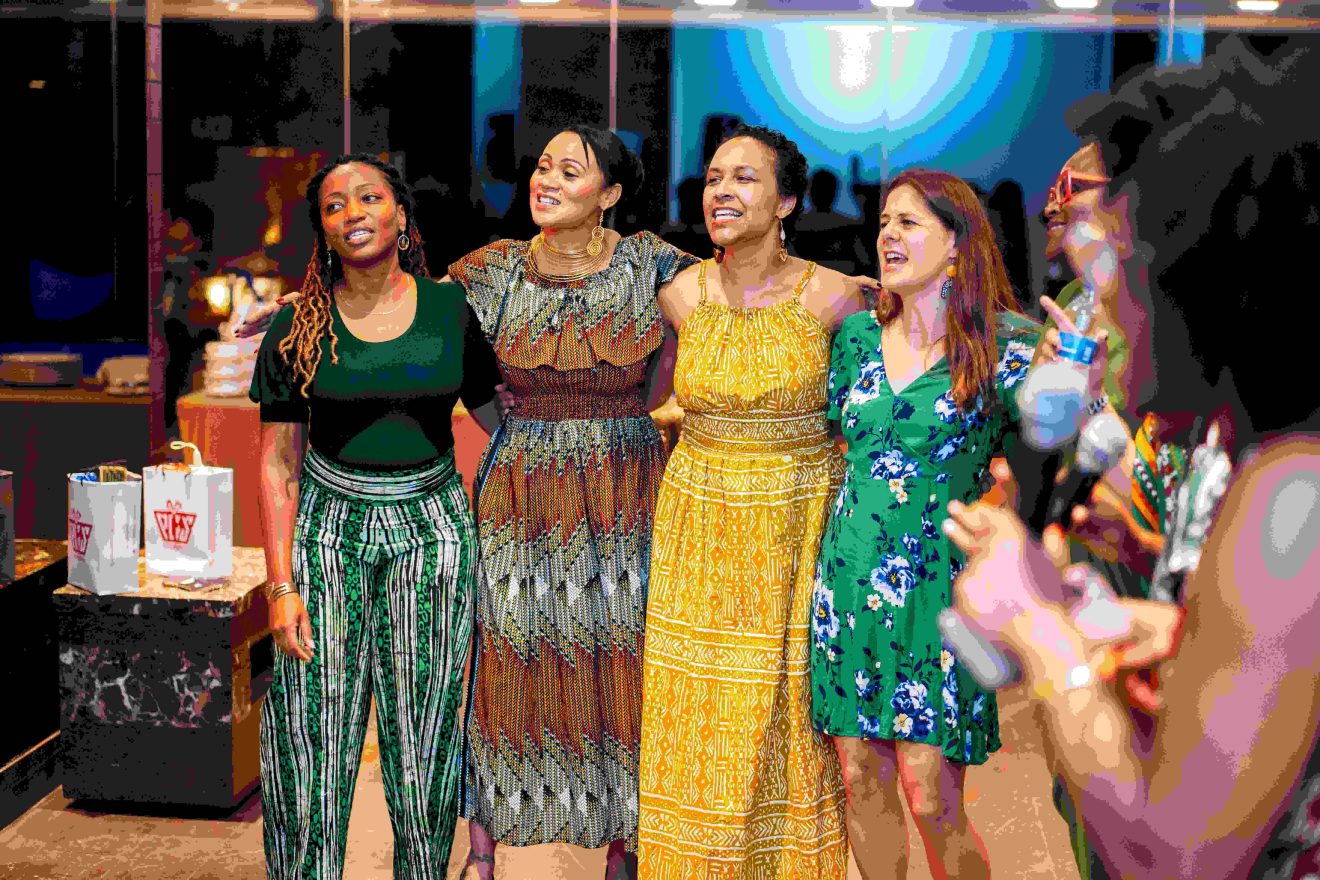
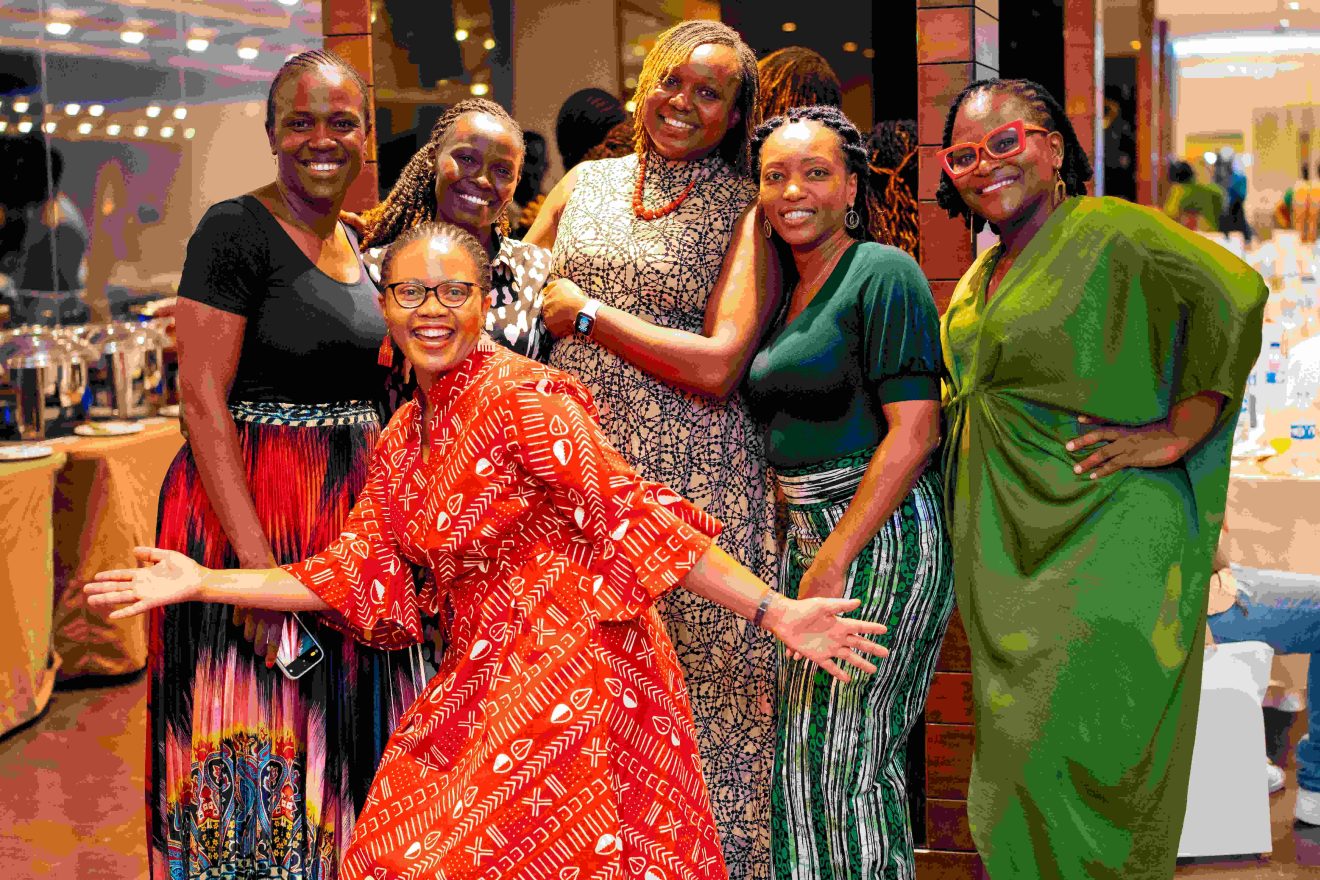
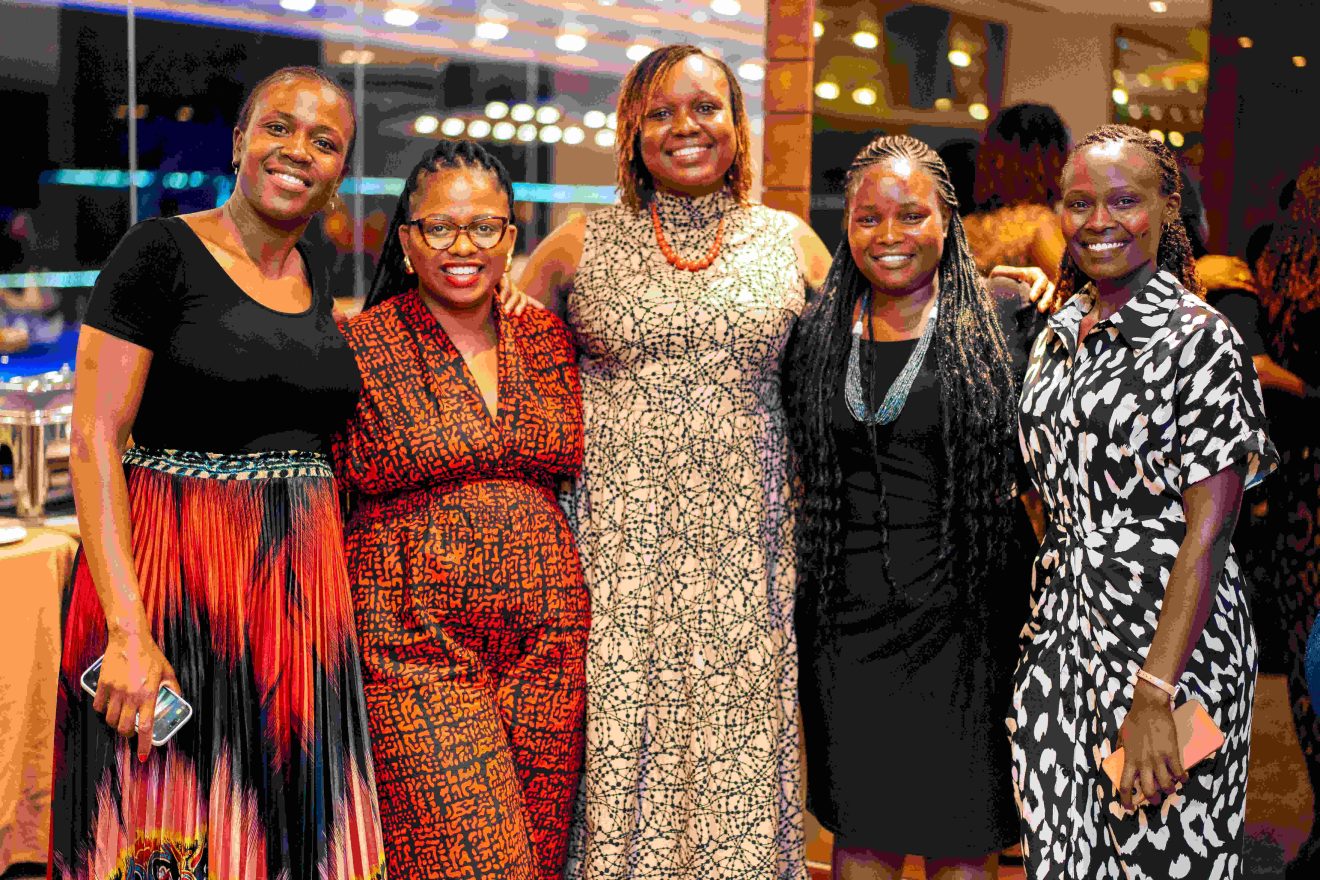
The week ended on a high with the celebration dinner—a night of toasts, celebration, gifting, laughter, and dancing! The energy in the room was electric, as newfound friendships solidified over shared stories and an impromptu karaoke session.

Gaining a Tribe
Beyond the learning and leadership development, WGHLF Leadership Week was a sisterhood in the making—a space where African women in health come together to uplift each other, share their stories, and form bonds that will last far beyond this program.
The Program Behind the Magic
The Leadership Week is the 2nd phase of the year-long Women in Global Health Leadership Fellowship (WGHLF), a hybrid program designed to equip African women with leadership skills to advance gender equity in health systems. The fellowship offers a dynamic curriculum covering global health policy, gender equity, leadership, knowledge translation, and mentorship, delivered through interactive learning methods and expert-led guidance. Fellows gain competencies in gender equity analysis, policy advocacy, leadership, and mentorship, positioning them to drive impactful change in their organizations and communities.
This program is co-designed and implemented by Moi University‘s School of Public Health, the University of Cape Town‘s Faculty of Health Sciences, and the University of Toronto‘s Dalla Lana School of Public Health under the Africa Health Collaborative with support from the Mastercard Foundation.
Learn more about the Fellowship here.
More News & Events
Skip scroller content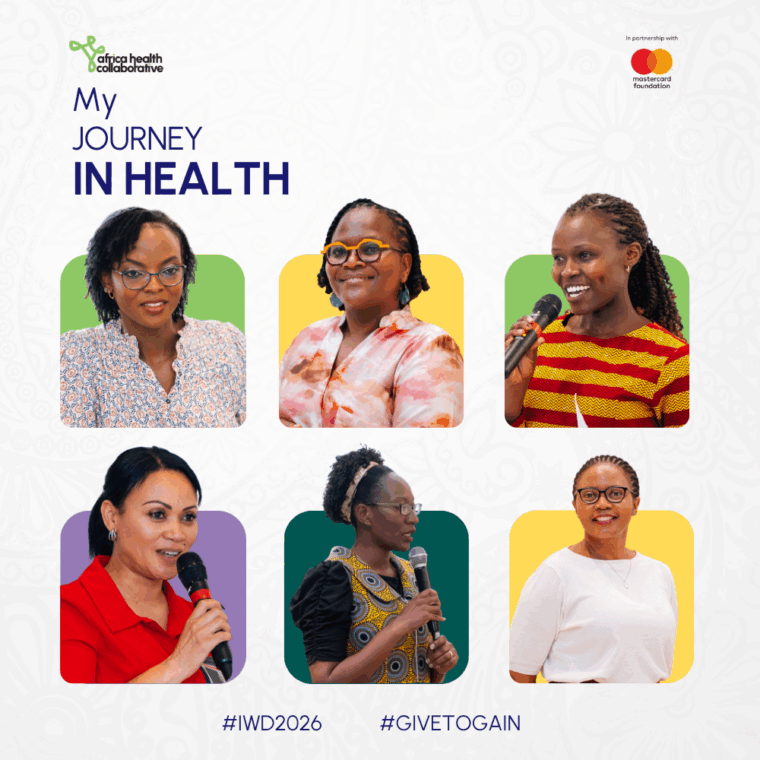
#IWD2026: Give to Gain—The Ripple Effect of Investing in Women Leaders in Global Health
Read about how fellows from the Women in Global Health Leadership Fellowship are leading and strengthening health systems across Africa.
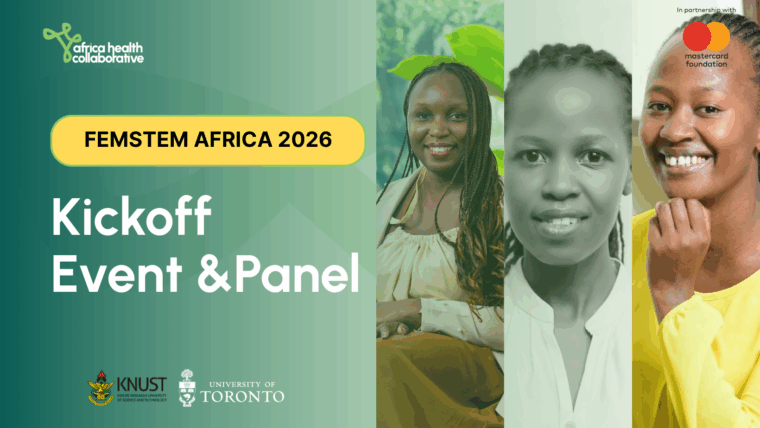
FemSTEM Africa 2026: Kickoff Event & Panel
Join Kwame Nkrumah University of Science and Technology (KNUST) & U of T on Tuesday, March 31 as we kickoff the FemSTEM Africa 2026 event series!

Program Manager, Africa Health Collaborative
Apply for the Program Manager role at the Africa Health Collaborative. Closing date is March 20, 2026.
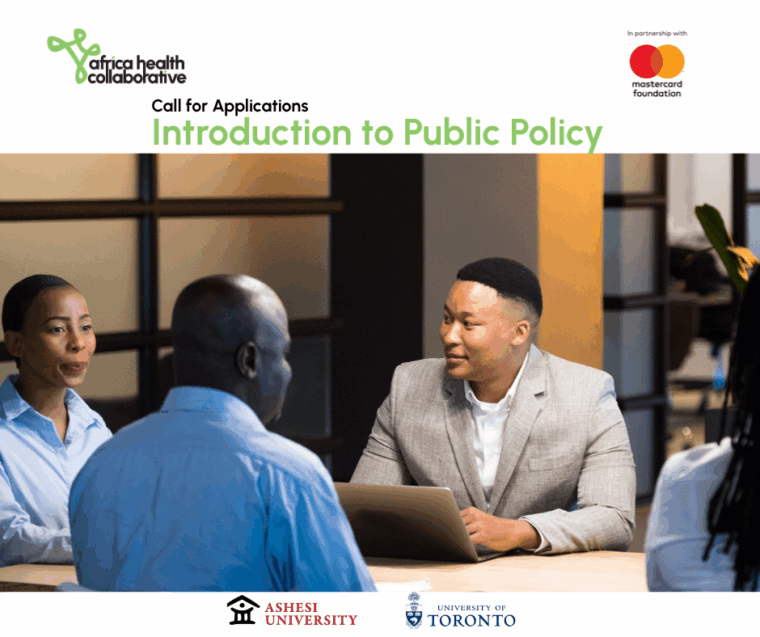
Apply for the Introduction to Public Policy Summer Course by Ashesi University
This opportunity is open to alumni and graduating students from our Africa Health Collaborative partner universities.
Towards Integrated, Person-Centered Primary Health Care in South Africa
Join policy makers, health implementers, NGOs, civil society actors, and academic leaders to learn from one of South Africa’s foremost health system leaders about building stronger and more responsive primary health care systems.
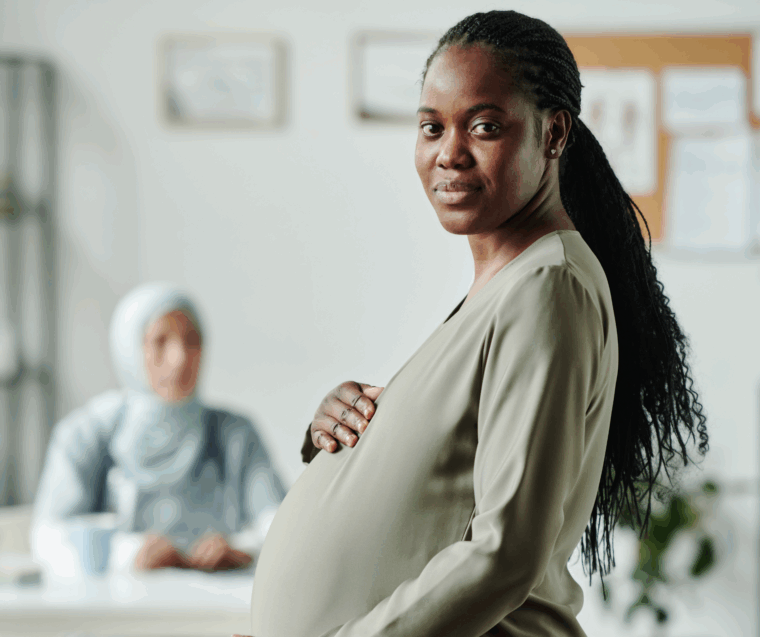
From Clinics to Communities: Rethinking Maternal and Newborn Health in Africa
Dr. Henry Kilonzo explores evidence-based lessons from Kenya and Ethiopia about redesigning health systems for safe motherhood.
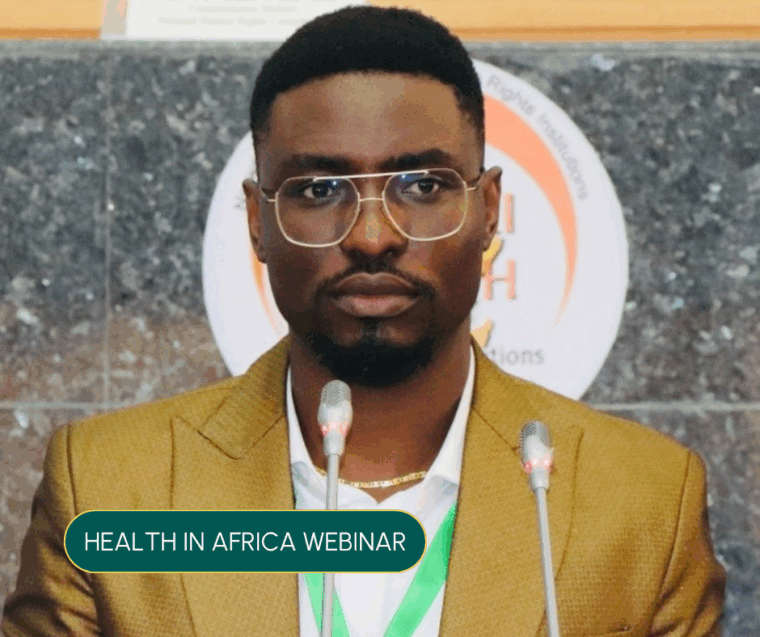
Building Inclusive Health Systems for People in Contact with the Criminal Justice System in Africa
Join this webinar to explore how Africa can build inclusive health systems that protect the dignity, safety, and well‑being of people who come into contact with the criminal justice system.
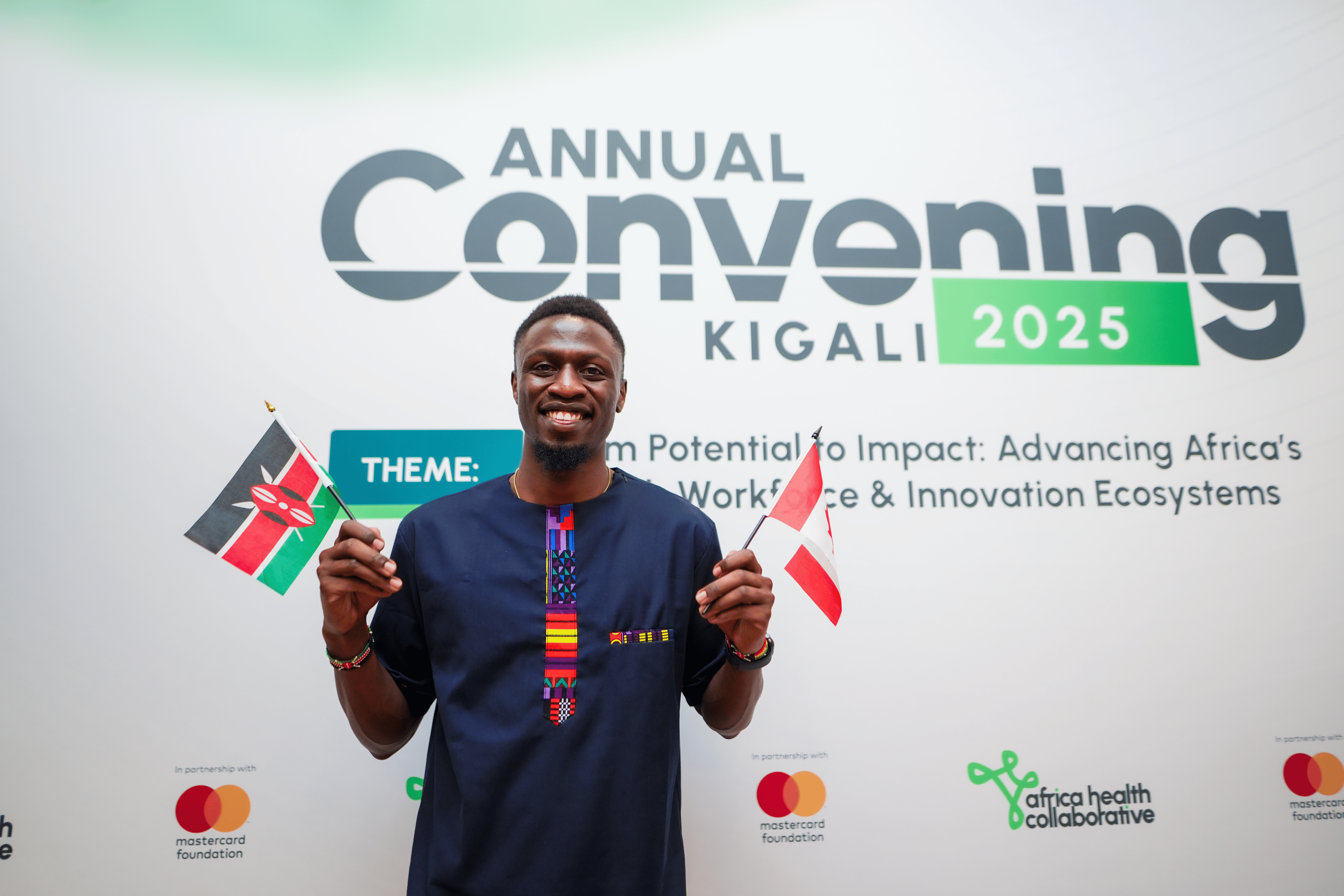
Dignity, Data, and Disruption in Africa’s Health Systems: A Young Leader’s Reflection
John Nyagaka, a Mastercard Foundation Scholar and AHC Young Leaders Table Chair, reflects on his transformative experience at the 2025 Annual Convening.
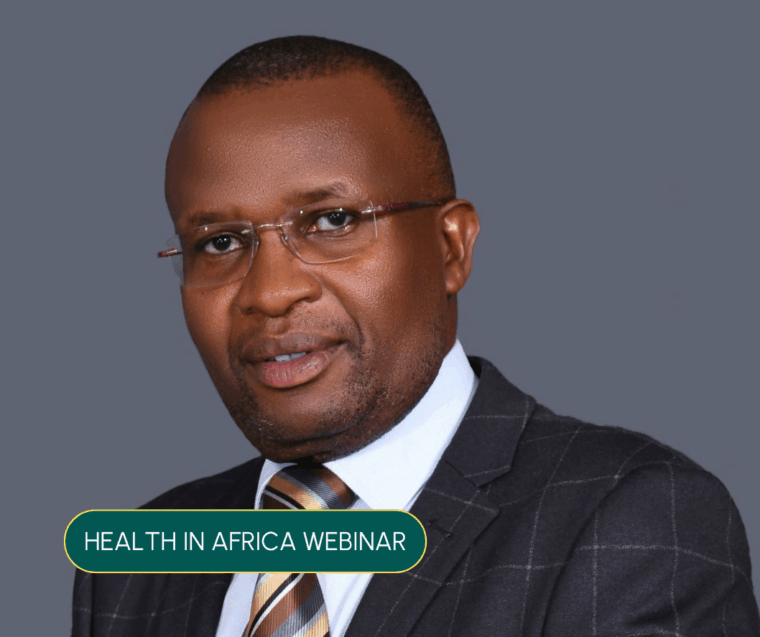
What Works: Improving Maternal and Newborn Health in Kenya and Ethiopia
Join this webinar to explore how community-led systems and digital innovations, in partnership with local leaders, are scaling sustainable healthcare impact and delivering life-saving care for mothers and their newborns.
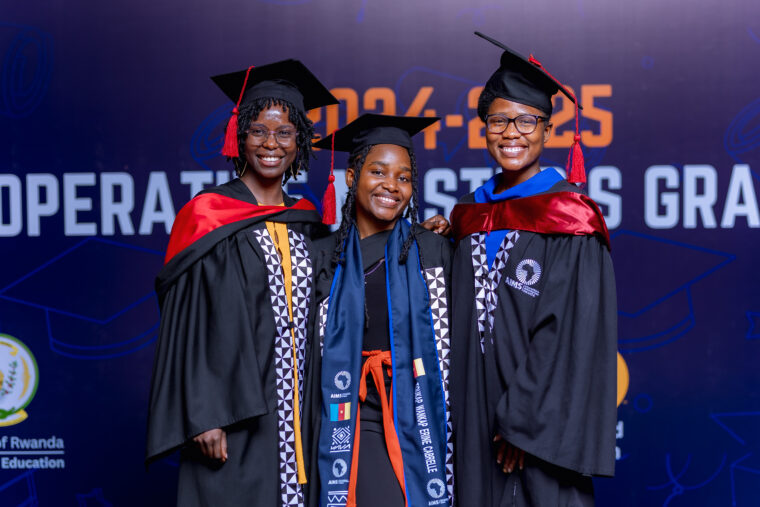
Apply for the AIMS Master’s in Mathematical Epidemiology (MathEpi) Scholarship
Apply for the 2025 AIMS MathEpi Master’s program. Fully funded scholarships for African students in statistics and public health. Deadline: March 15.