
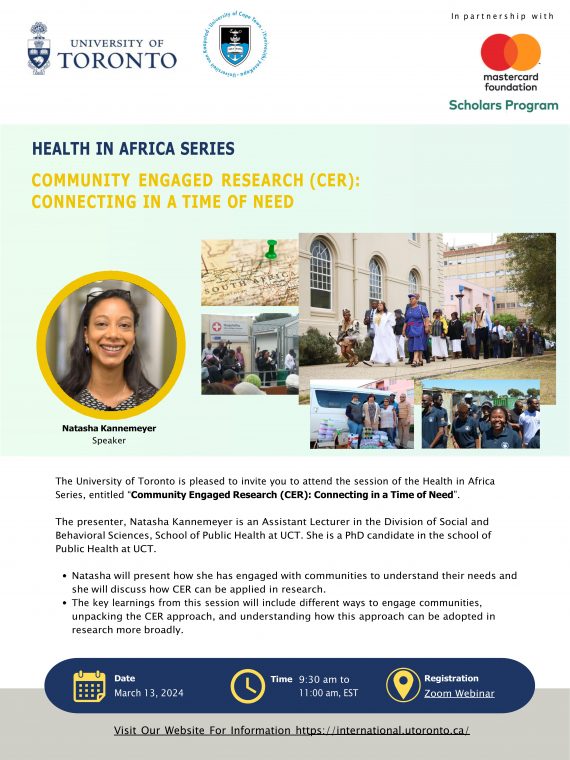
The University of Toronto is pleased to invite you to attend the session of the Health in Africa Series, entitled “Community Engaged Research (CER): Connecting in a Time of Need”.
The presenter, Natasha Kannemeyer is an Assistant Lecturer in the Division of Social and Behavioural Sciences, School of Public Health at UCT. She is a PhD candidate in the School of Public Health at UCT.
Natasha will present on :
- How she has engaged with communities to understand their needs and how CER can be applied in research
- The key learnings from this session will include different ways to engage communities, unpacking the CER approach, and understanding how this approach can Evaluate why approach can be adopted in research more broadly.
More News & Events
Skip scroller content
Connecting Generations, Research, and Leaders for Africa’s Health Systems at Emerging Leaders Day 2026
Emerging Leaders’ Day 2026 brought together students, researchers, and decision-makers from across Africa to explore leadership, evidence-informed action, and intergenerational collaboration in strengthening the continent’s health systems.

Beyond Stay or Go: Rethinking Africa’s Health Workforce Mobility
As Africa expands its health workforce, the challenge is no longer simply training more professionals. The real question is how to balance workforce retention, employment opportunities, ethical recruitment and professional mobility in ways that strengthen health systems while respecting individual career aspirations.
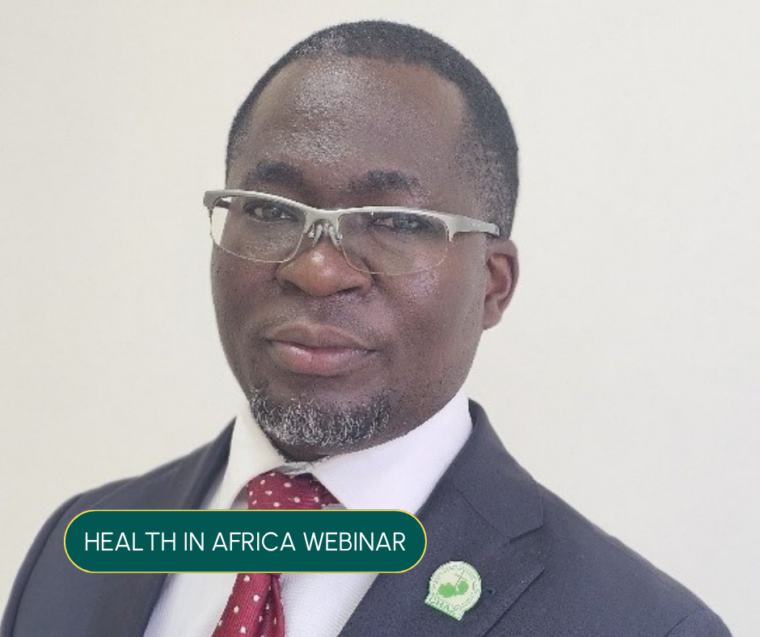
How Africa Can Take Leadership in its Health Outcomes
In our next Health in Africa Webinar Series, we will explore practical ways to optimize existing funding, technology and health workforce capacity, strengthen frontline service delivery, and increase African leadership in health outcomes.

Nine Partner Institutions Endorse Nairobi Accord to Advance Youth Leadership and Evidence-Informed Health Action
The Nairobi Accord positions young people as co-creators of Africa’s health future. Endorsed by nine universities, the agreement advances youth leadership, evidence generation, and collaborative action to strengthen health systems while expanding employment and entrepreneurship opportunities for young Africans.
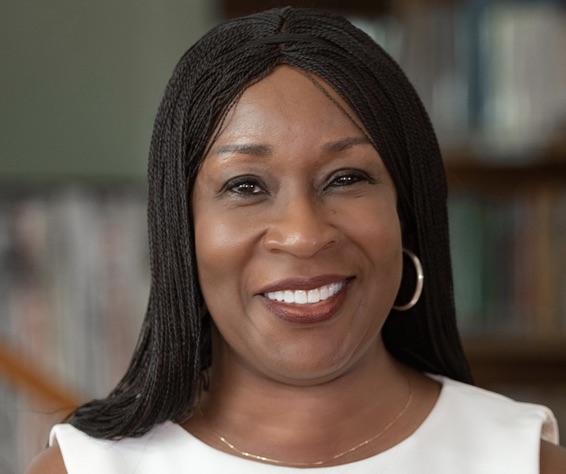
Prof. Angela Owusu-Ansah’s Call to Uncover Africa’s Health Successes and Contributions
Delivered by Prof. Angela Owusu-Ansah, Provost of Ashesi University, this closing address at the 2026 Africa Health Collaborative Annual Convening outlines her key priorities for 2027 in her new role as Chair of the Executive Steering Committee.

Meet the Speakers Scheduled for the 2026 AHC Annual Convening
Meet the distinguished speakers of the 2026 Africa Health Collaborative Annual Convening as they share insights on health workforce development, leadership, innovation and partnerships shaping the future of health systems across Africa and empowering the next generation of health leaders.

Beyond the Agenda: Bringing Mental Health and Well-being into the 2026 AHC Annual Convening
At the 2026 Africa Health Collaborative Annual Convening, mental health and well-being move beyond discussion into practice. Through quiet spaces, art therapy, movement, and youth-led innovation, AHC is creating a convening experience that supports meaningful participation, connection, leadership, and lasting impact.
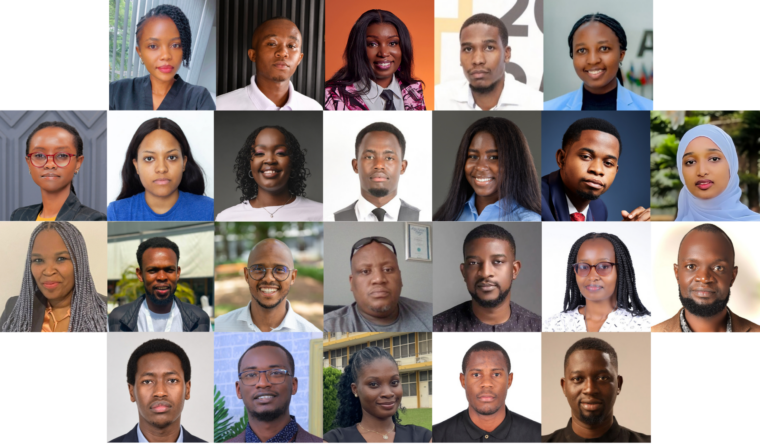
Meet the Ventures Showcasing at the 2026 Africa Health Collaborative Annual Convening
These ventures advancing primary healthcare, entrepreneurship and health systems strengthening across Africa will showcase their innovations at the 2026 Annual AHC Convening.
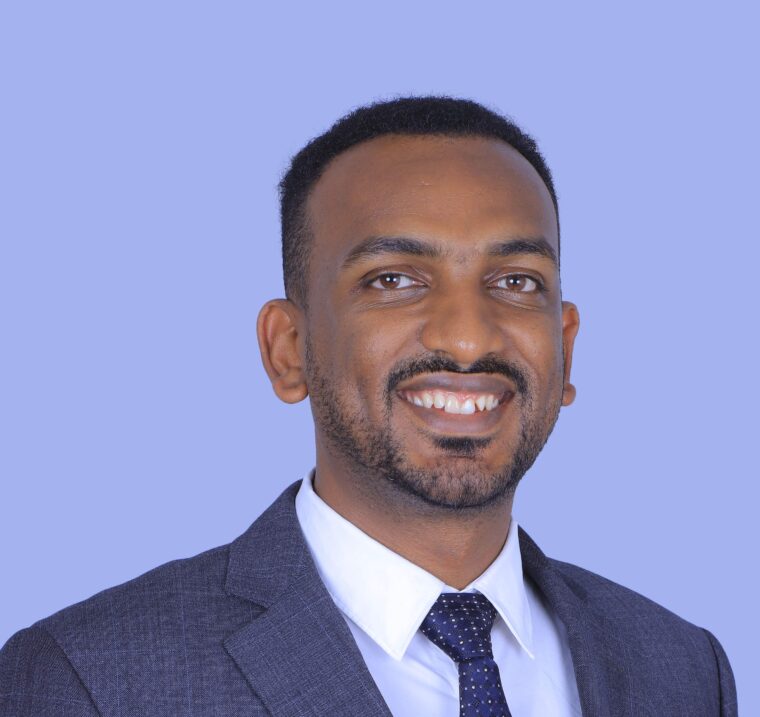
From Clinic to Country: Building Ethiopia’s First Integrated Model for Older Adult Health
What began with one doctor questioning fragmented care for older adults has grown into a pioneering model for Ethiopia. With leadership skills strengthened through the IMIx Certificate, Dr. Asrat built an integrated clinic now informing the country’s healthy aging efforts.

Apply for the Fully-Funded Healthy Futures South Africa (HFSA) PhD Fellowship Programme
This four-year programme supports emerging African health researchers and leaders to conduct community-focused research, strengthen health systems, and translate evidence into meaningful policy impact.