People Directory

Our team is the heartbeat of our collaborative efforts, comprising diverse experts from various fields. Each member brings unique skills and perspectives, uniting to drive innovation and impact in the health sector. Together, we are more than just a team; we are a community committed to transforming healthcare across Africa.

People Directory

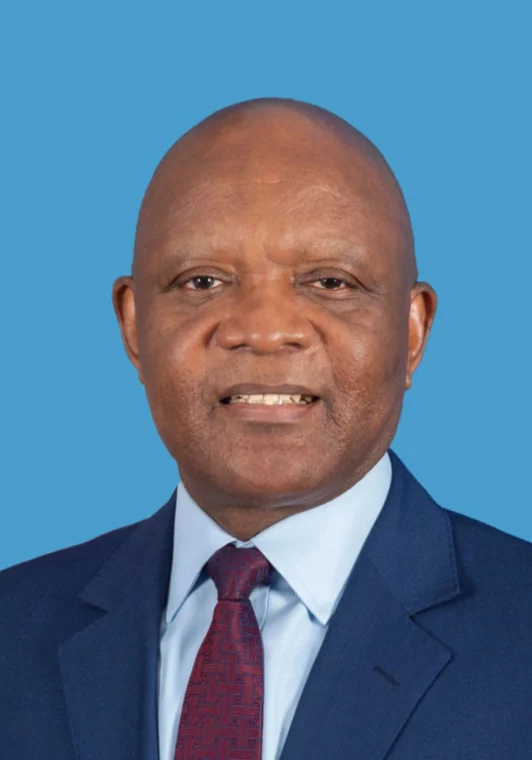
Photo of John Nkengasong

Executive Director for Higher Education, Collaboratives, and Special Initiatives, Mastercard Foundation

Mastercard Foundation

Director, Collaboratives and Special Programs, Mastercard Foundation  

Mastercard Foundation

Photo of John Nyagaka

Chair, Young Leaders' Table

University of Toronto

Photo of Lisa A. Robinson

, MD, FRCPC, FASN, FCAHS

Dean of Medicine, Vice-Provost Relations with Health Care Institutions, Temerty Faculty of Medicine

University of Toronto

Photo of Thokozani Majozi

, OMB

Deputy Vice-Chancellor for Research & Internationalisation, UCT

University of Cape Town

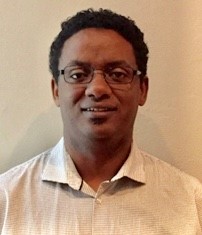
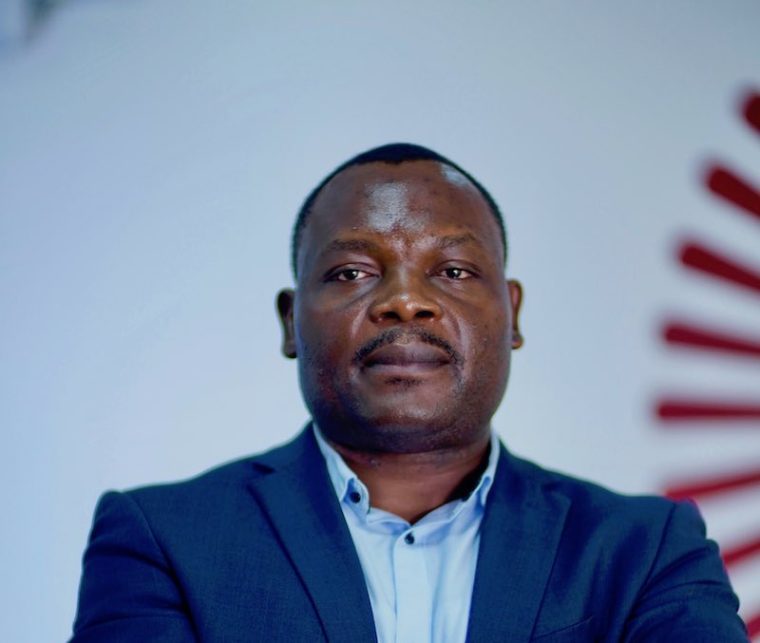
Photo of Patrick Kerre

, PhD

Dean, School of Public Health

Moi University

Photo of Willie Ngumi

, MBA

Deputy Digital Learning Director

Amref International University

Photo of Joseph Wong

, PhD

Vice President, International

Office of the Vice-President International, University of Toronto

Photo of Dawit Wondimagegn Gebreamlak

, MD

Associate Professor, Addis Ababa University Consultant Psychiatrist, Tikur Anbessa Hospital

Addis Ababa University

Photo of Wilfred Ndifon

, PhD

Professor, Theoretical Biology and Chief Scientific Officer at AIMS

African Institute for Mathematical Sciences

Profile
Ambassador John N. Nkengasong is the Executive Director for Higher Education at the Mastercard Foundation

John Nkengasong

Executive Director for Higher Education, Collaboratives, and Special Initiatives, Mastercard Foundation

Mastercard Foundation

Ambassador John N. Nkengasong is a distinguished virologist and global health leader with more than 30 years of experience in public health. He currently serves as the Executive Director for Higher Education at the Mastercard Foundation, where he oversees the Foundation’s higher education and health workforce development portfolios.

Previously, he was the U.S. Global AIDS Coordinator and the Senior Bureau Official for Global Health Security and Diplomacy (GHSD), leading U.S. efforts to strengthen global health security and manage infectious diseases, including HIV/AIDS. He was the founding Director of the Africa CDC, where he established it as a key autonomous health agency and coordinated Africa’s COVID-19 response, securing vaccines for the continent. He held critical roles at the U.S. CDC and contributed extensively to global health diplomacy.

He holds a B.Sc. from the University of Yaoundé, an M.Sc. from the Institute of Tropical Medicine in Antwerp, and a Ph.D. from the University of Brussels, and leadership training certification from Harvard’s Kennedy School.

Recognized among Time’s 100 Most Influential People in 2021, Ambassador Nkengasong has received numerous awards, including the Virchow Prize for Global Health. He is a member of the National Academy of Medicine and the Vatican Pontifical Academy of Life.

Profile

Ashley Collier

Director, Collaboratives and Special Programs, Mastercard Foundation  

Mastercard Foundation

Profile
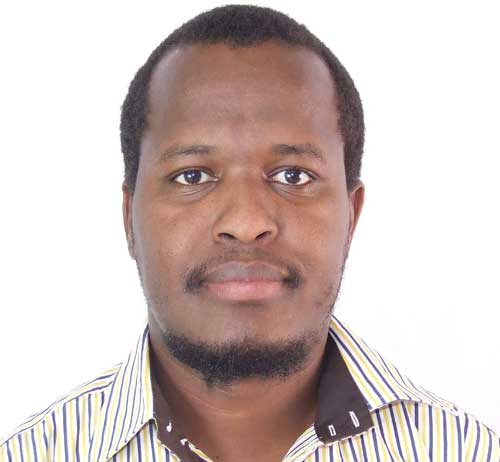
John Nyagaka headshot for Africa Health Collaborative

John Nyagaka

Chair, Young Leaders' Table

University of Toronto

John Nyagaka is a recent graduate of the Master of Health Informatics at the University of Toronto as a Mastercard Foundation Scholar.

He is from Kenya, and his journey has taken him across Africa and internationally.  He holds a Bachelor of Science degree in Computer Science from Ashesi University in Ghana. Furthermore, he has had the privilege to develop hands-on professional expertise in digital health, data science, education, technology, and financial services.

Profile
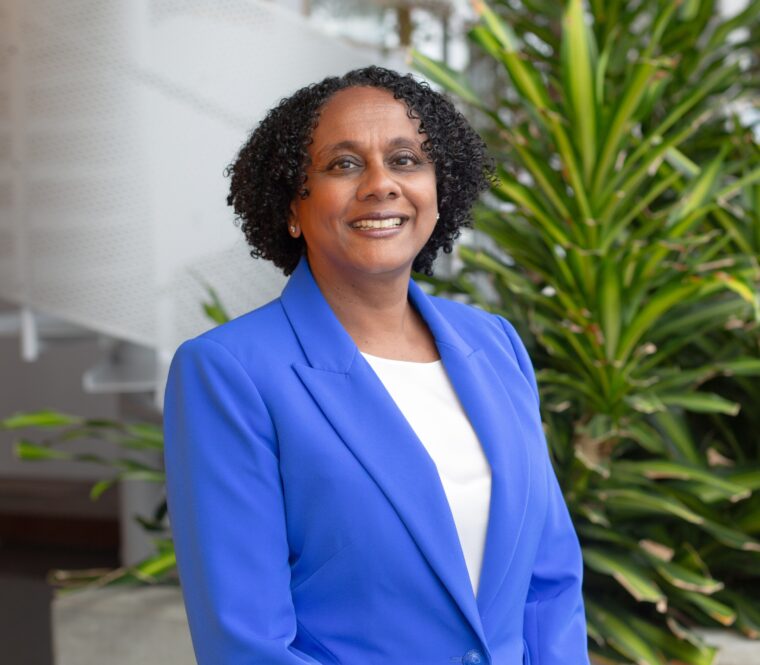
Lisa A. Robinson of the University of Toronto Temerty Faculty of Medicine and Africa Health Collaborative

Lisa A. Robinson, MD, FRCPC, FASN, FCAHS

Dean of Medicine, Vice-Provost Relations with Health Care Institutions, Temerty Faculty of Medicine

University of Toronto

Dr. Lisa Robinson began her service as Dean of the Temerty Faculty of Medicine (Temerty Medicine) and the Vice Provost, Relations with Health Care Institutions at the University of Toronto (U of T) on July 1, 2024.

She is a Professor in the departments of paediatrics, biochemistry, and the Institute of Medical Science at U of T. She is also a Staff Physician and former Head of the Division of Nephrology at The Hospital for Sick Children (SickKids) and a Senior Scientist in the Program in Cell Biology at the SickKids Research Institute. Her research integrates molecular biology, cell biology, advanced microscopic techniques, and biochemical approaches to advance the understanding and treatment of kidney disease. Dr. Robinson holds a Canada Research Chair (CRC) Tier 1 in Vascular Inflammation and Kidney Injury.

In addition to her focus on research and innovation, Dr. Robinson has a deep commitment to education and mentorship. She is the founder and former director of Kids Science, a SickKids Research Institute program that provides opportunities for middle- and high-school students to improve their understanding of science and technology, and to make positive educational and career choices. In 2014, she launched the Student Advancement Research (StAR) Program, a SickKids summer research program for high school students.

Profile
Thokozani Majozi, Africa Health Collaborative University of Cape Town

Thokozani Majozi, OMB

Deputy Vice-Chancellor for Research & Internationalisation, UCT

University of Cape Town

Thokozani Majozi is a South African chemical engineer and Deputy Vice-Chancellor for Research & Internationalisation at the University of Cape Town.

He previously held senior roles at the University of Pretoria, the University of the Witwatersrand, and the Engineering Council of South Africa, and served as Chair of the CSIR Board. Currently, he serves as President and Chairperson of the Academy of Science of South Africa.

His research focuses on batch chemical process integration, particularly water minimisation in industrial systems, and he pioneered key techniques for reducing wastewater in batch plants. He holds an NRF B1 rating and has received multiple honours, including several NSTF awards, the NRF President’s Awards, and the Order of Mapungubwe (Bronze). 

Majozi is a member or fellow of leading scientific bodies, including the Academy of Science of South Africa and the African Academy of Sciences, and is an alumnus of the Global Young Academy. 

Profile

Patrick Kerre, PhD

Dean, School of Public Health

Moi University

Profile

Willie Ngumi, MBA

Deputy Digital Learning Director

Amref International University

Willie has a strong technology and business development background spanning private sector and the development sector.

He has over 11 years of experience in ICT4D space implementing solutions in Digital health, health system strengthening, behavior change communication, Human Centered Design and Digital Identities targeting underserved communities. Willie previously worked with the GSM Association, a global association for mobile network operators, CDC Foundation / mHealth Kenya, providing technical support for the conceptualization, design and deployment of mHealth applications through Public Private Partnerships. Willie also previously worked at the Foreign Commercial Service at the U.S. Embassy Nairobi, and in the Internet Service Provision industry as a web developer.  Willie has an MBA in Strategic Management from the University of Nairobi and a BSc. in Computer Science from Africa Nazarene University, trained in Human Centered Design and a Certified Development Project Manager.

Profile

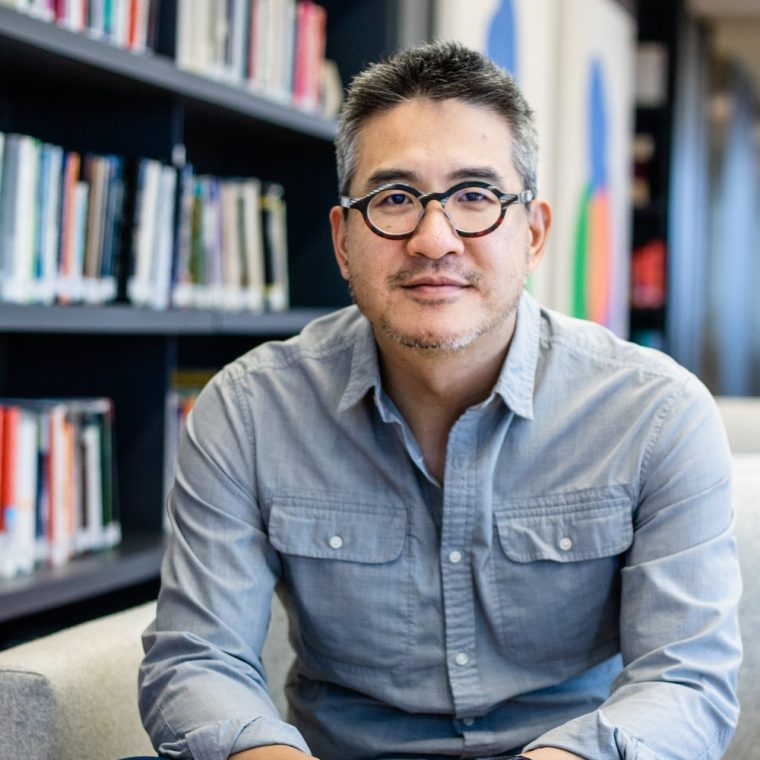
Joseph Wong, PhD

Vice President, International

Office of the Vice-President International

Joseph Wong is the University of Toronto’s Vice President, International. He is also the Roz and Ralph Halbert Professor of Innovation at the Munk School of Global Affairs & Public Policy, and a Professor of Political Science.

He was the Director of the Asian Institute at the Munk School from 2005 to 2014, and held the Canada Research Chair in health, democracy and development for a full two terms, 2006 to 2016.

Joe is the author of many academic articles and several books, including Healthy Democracies: Welfare Politics In Taiwan and South Korea and Betting on Biotech: Innovation and the Limits of Asia’s Developmental State, both published by Cornell University Press.

He is the co-editor, with Edward Friedman, of Political Transitions in Dominant Party Systems: Learning to Lose, published by Routledge, and Wong co-edited with Dilip Soman and Janice Stein Innovating for the Global South with the University of Toronto Press.

Professor Wong’s articles have appeared in journals such as Annual Review of Political Science, Bulletin of the World Health Organization, Perspectives on Politics, Comparative Political Studies, Politics and Society, Governance, among many others.

Professor Wong has been a visiting scholar at institutions in the US, Taiwan, Korea, and the UK; has worked extensively with the World Bank and the UN; and has advised governments on matters of public policy in Asia, Africa, the Americas, and Europe.

Joe’s current research focuses on poverty and innovation. Professor Wong is the founder of the Reach Alliance at the University of Toronto (http://reachalliance.org/). He is also collaborating with Professor Dan Slater (Michigan) on a book about Asia’s development and democracy, currently under contract with Princeton University Press.

Professor Wong is also writing a book for the Cambridge University Press on the political economy of the welfare state in East Asia. Professor Wong teaches courses in the department of Political Science, the Munk One program and the Munk School of Global Affairs & Public Policy. Joe was educated at McGill University and the University of Wisconsin-Madison.
Profile

Dawit Wondimagegn Gebreamlak, MD

Associate Professor, Addis Ababa University Consultant Psychiatrist, Tikur Anbessa Hospital

Addis Ababa University

Dr. Dawit Wondimagegn is the former Chief Executive Director of the College of Health Sciences (CHS), Vice President of Addis Ababa University (AAU), Chair of AAU’s, Department of Psychiatry and Director of Graduate Programs for AAU, CHS in Ethiopia. Currently he is an Associate Professor of Psychiatry at AAU, a Consultant Psychiatrist, Tikur Anbessa Hospital, Co-chair and Director, Toronto Addis Ababa Academic Collaboration-TAAAC and the National Lead, African Health Observatory Platform- Ethiopia National Centre.

Through his numerous activities as a clinical and health systems leader, global mental health expert, IPT expert, and researcher, he is helping to decrease stigma and improve access to mental healthcare. An Assistant Professor of Psychiatry at AAU, he co-leads with Marci Rose the Toronto Addis Ababa Academic Collaboration to develop post-graduate subspecialty training programs in numerous areas of medicine, primary care and nursing in Ethiopia.

He has published in the areas of global mental health, family medicine, medical ethics, psychotherapy knowledge translation, and post-partum depression. He was a primary investigator of two Grand Challenges Canada funded projects – The Biaber Project, to scale up screening and mental health care in Ethiopian primary care settings; and to engage with Ethiopian traditional healers, using a collaborative care model to increase the identification and treatment of psychiatric disorders. He has culturally adapted IPT for Ethiopia (IPT-E) and led IPT workshops for psychiatry residents at AAU and University of Toronto. The Biaber Project enabled the training of >500 Ethiopian primary care nurses in IPT-E.

Profile

Wilfred Ndifon, PhD

Professor, Theoretical Biology and Chief Scientific Officer at AIMS

African Institute for Mathematical Sciences

Wilfred Ndifon is Professor of Theoretical Biology and the Chief Scientific Officer at AIMS, a Pan-African network of higher-education institutes dedicated to catalyzing Africa’s socio-economic transformation through advanced training and research in mathematical sciences.

He has made important contributions to a range of topics at the interface of mathematics and biology, including discovering a mechanism that allows flu viruses to escape from antibodies, with significant implications for the design of more effective flu vaccines; a physical mechanism that governs the generation of T-cell diversity via genetic recombination; and a unified mechanistic explanation for the age-old problem of the original antigenic sin. Recently, he led the development of a new mathematical approach to pooled testing, which has produced substantial testing-efficiency gains in field applications conducted in both Rwanda and South Africa. He took his PhD at Princeton.