The Health Entrepreneurship (HENT) Challenge’s first cohort is getting ready for their upcoming visit to Toronto, where they will continue their implementation phase through activities targeting business development, expanding entrepreneurial networks and facilitating exposure to potential investors.
In the meantime, the HENT Communications team caught up with the ventures from the first HENT Challenge cohort to learn more about the origins of their companies, what they’ve learned to date, and what is coming up next…
Conrad Tankou was working as a medical doctor in a rural community when he first witnessed the health challenges faced by rural residents. These areas were known to suffer the highest disease burden of breast and cervical cancers, with one of the biggest challenges being the ability to access specialized healthcare services for those diagnoses. Tankou noted that some of the reasons behind this issue included scarcity of qualified medical specialists, absence of adapted medical equipment, and low levels of health literacy among the population-at-risk with regards to these cancers.
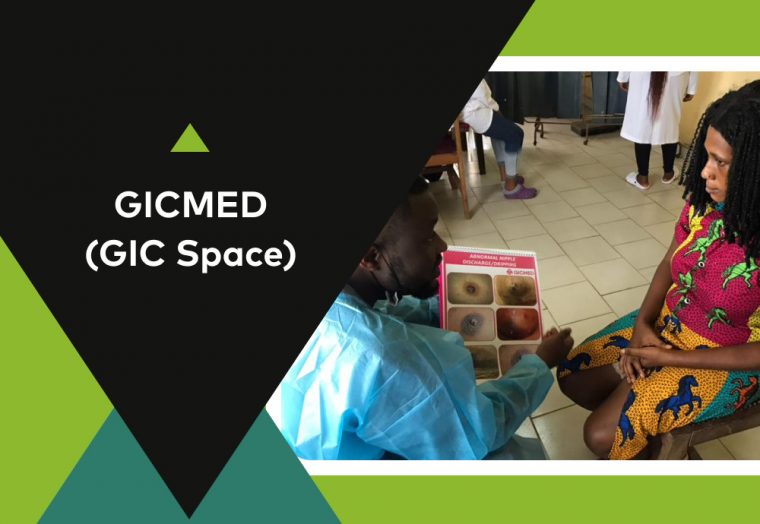
To combat these issues, Tankou started GICMED, a series of innovative MedTech solutions. Among these solutions, the team has developed a digital pathology system combined with pathology sample collection devices to deliver a patient-clinic interactive telemedicine platform that is enhancing diagnosis and engaging patients. Alongside his team, Tankou’s solutions provide rapid and inexpensive point of care diagnoses for all women, no matter their location or social status.
What is the accomplishment to date that your team is most proud of?
Since its launch, GICMED has successfully developed, piloted and clinically validated their solutions to serve as a solid foundation to scale-up and positively impact millions of women in Sub-Saharan Africa. Their team has carried out 23 pilots to date in collaboration with various health facilities and have reached over 10,000 women.
If you could give advice to another founder getting started, what would that be?
“Everyone can think of a great idea, but few are courageous enough to execute. You should be passionate about what you want to build, start small and early, fail fast (everyone fails, it is normal), learn quickly from your failures, refine your concept, then move faster.”
Looking forward, GICMED plans on reaching 100,000 women in 2024 and scaling to other African countries within the next 3-5 years to eventually hit a milestone of 1 million women helped. While these efforts start with strongly establishing their current market, they look forward to progressively building partnerships which will enable them to scale broadly into new areas.

You can learn more about GICMED
More News & Events
Skip scroller content
Advancing Health Equity in Africa: How Universities, Civil Society, and Communities Can Strengthen Primary Health Care
In the next HiAS, we explore how governments, universities, civil society and communities can work together to strengthen PHC and advance UHC in Africa, drawing on practical experiences, community engagement and lessons for building more equitable, resilient and people-centred health systems.
Emerging Leaders’ Day: From Youth Participation to Youth Influence
Emerging Leaders’ Day will bring together young health leaders from across Africa to build leadership skills, strengthen networks, and influence conversations shaping the future of health systems.
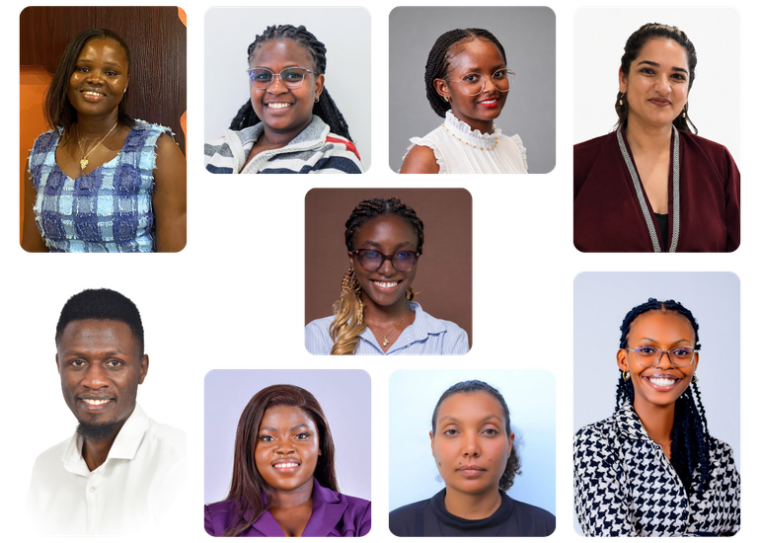
Leading Change Through Lived Experience
Across Africa, an emerging generation of health leaders is transforming personal challenges into powerful innovations. Through the AHC’s Young Leaders Committee, young researchers, entrepreneurs, technologists, and advocates are drawing on lived experiences with illness, caregiving, mental health, and healthcare inequities to design solutions that strengthen health systems and expand access to care.
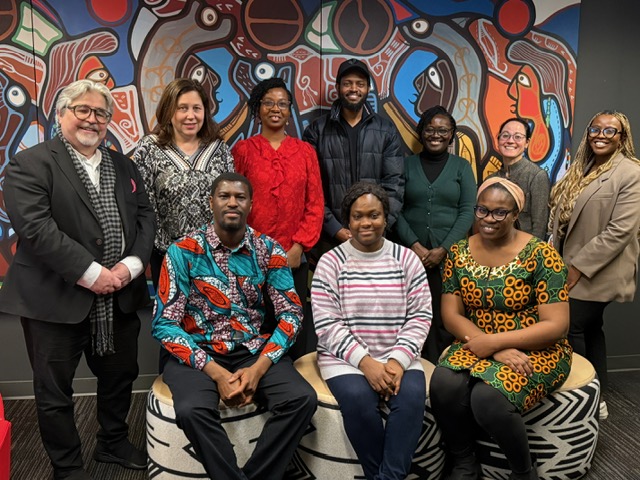
2027-2028 Doctor of Public Health Scholarships Open
We are pleased to announce the start of the 2027-2028 Mastercard Foundation graduate scholarship recruitment at the University of Toronto. This doctoral scholarship opportunity is open to recent alumni and graduating students at our Africa Health Collaborative partner universities. These graduate scholarships will be awarded to individuals who have demonstrated academic excellence in associated health-related disciplines […]
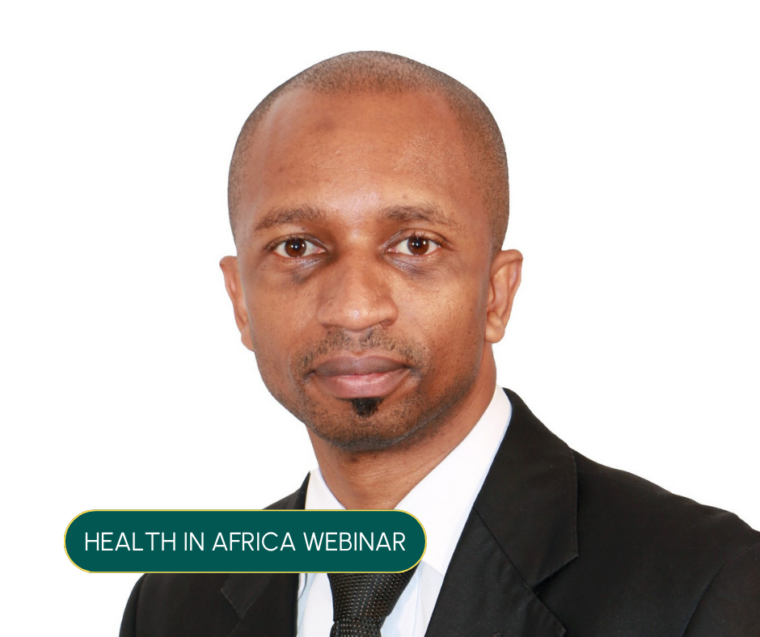
Health Innovation as a Pathway to Africa’s Health Sovereignty
Join the next HiAS as Dr. Robert Karanja explores how talent, research, investment, policy, and partnerships can unlock Africa’s potential in digital health, biotechnology, and deep-tech innovation.

Apply for Research Seed Grants from Moi University and the University of Toronto
Apply for the Research Seed Grants by Moi University and the University of Toronto. Eligible researchers can receive up to CAD $5,000 in seed funding to strengthen research capacity, generate new knowledge, and foster long-term institutional collaborations.
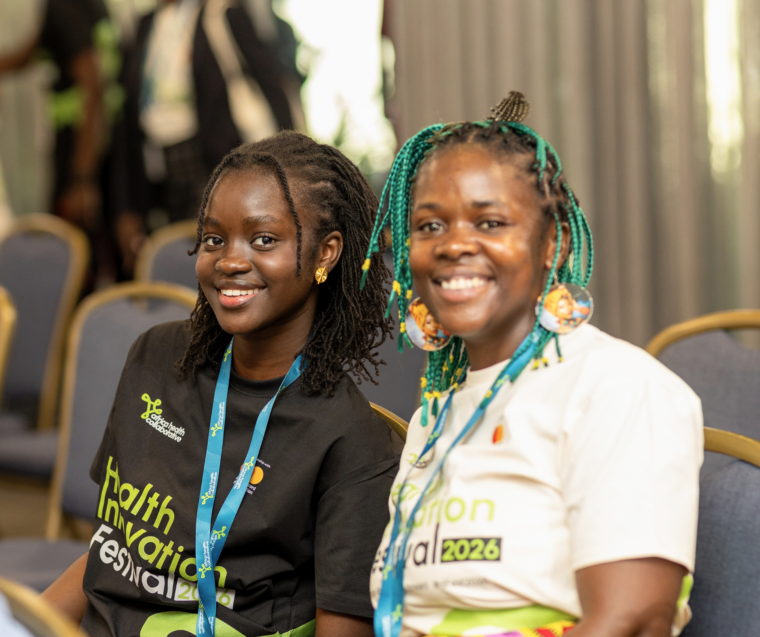
Ubuntu Rising: A Youth Leadership Summit for Africa’s Health Future
Ahead of the 18th World Congress on Public Health, Ubuntu Rising will bring together young African health leaders, innovators, and changemakers to co-create a shared agenda for youth leadership, employment, and innovation in health across the continent.
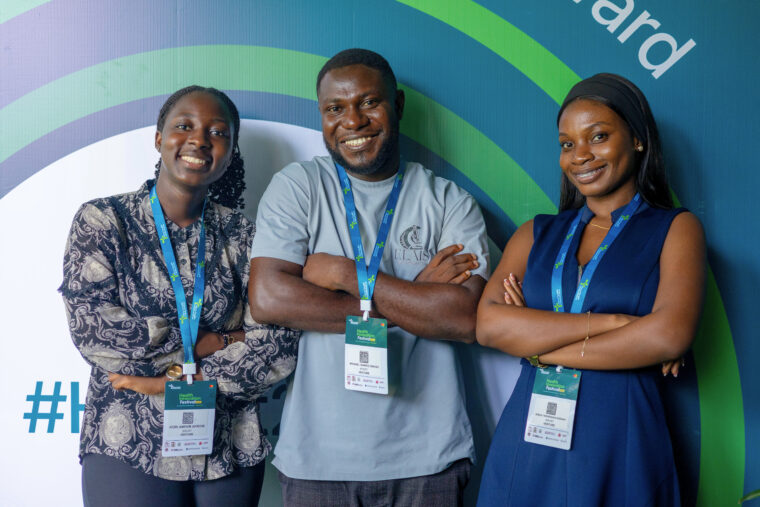
Young Leaders Redefining What Health Work in Africa Means
This International Youth Day, read about how the AHC’s young leaders are challenging traditional ideas and reimagining health work, strengthening health systems, and building the future of healthcare across Africa.

Associate Director, AHC Programs
Apply for this senior leadership role with the Africa Health Collaborative (AHC) to lead regional programs, strengthen partnerships, and advance health leadership, education, and innovation across Africa.
Turning Research into Policies that Improve Health and Wellbeing
Join Dr. Collins Okoyo, Principal Statistician at the Kenya Medical Research Institute (KEMRI), as he shares practical lessons on bridging the gap between research and policy, drawing on over a decade of experience in health data science, epidemiology, and disease modelling.